🏠 Stay at home! 25% discount on all medicines


Can You Take Adderall While Pregnant? Understanding the Risks and Benefits

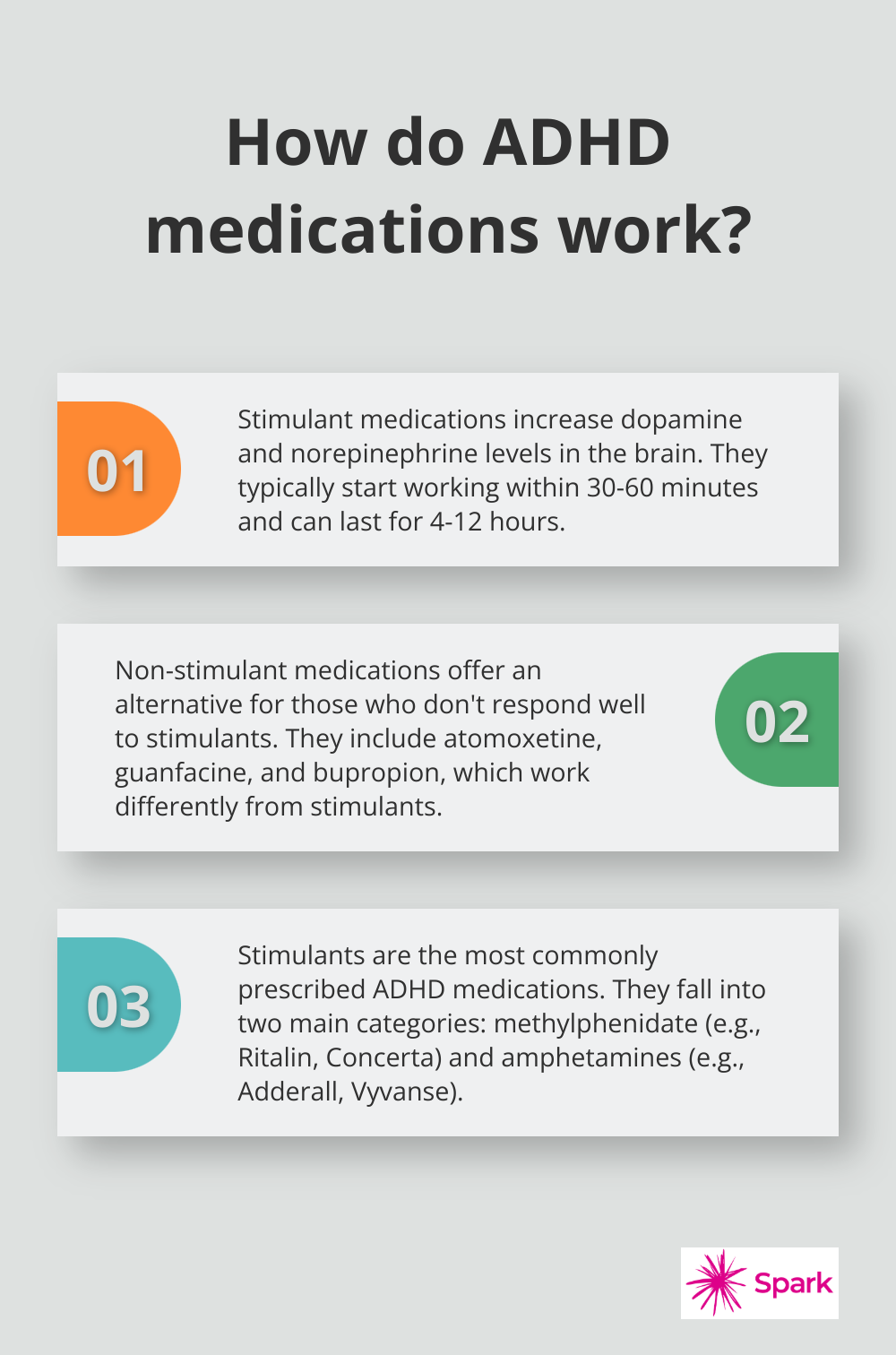
Adderall, a combination of dextroamphetamine and amphetamine, is commonly prescribed for attention deficit hyperactivity disorder (ADHD). Its effectiveness in managing symptoms is well-documented, but when it comes to pregnancy, the conversation shifts dramatically. Does the potential benefit of managing ADHD outweigh the risks associated with taking Adderall during this critical period? Current data suggests a nuanced answer, pointing towards a complex interplay of benefits and risks that both mothers and healthcare providers must navigate cautiously.
Recent studies and expert opinions indicate that some women may safely continue taking Adderall during pregnancy under the supervision of their healthcare provider. Yet, many questions remain. What are the potential risks to the unborn child? Can the effects of the medication on pregnancy outcome be fully understood given the limited but growing body of research? In this article, we will examine the current scientific findings, expert recommendations, and necessary precautions to ensure both maternal and fetal health.
The implications of whether you can take Adderall while pregnant are significant, especially for women who have relied on the medication for years to manage their symptoms. Understanding these considerations can empower women to make informed decisions regarding their health and the health of their unborn child.
Is It Safe to Take Adderall During Pregnancy?
The safety of taking Adderall during pregnancy is a hotly debated topic among healthcare professionals. Most studies suggest that the medication does not significantly increase the risk of birth defects when taken, particularly during the first trimester. According to a comprehensive analysis by MotherToBaby, large-scale studies found no notable association between the use of amphetamines and congenital malformations.
However, it’s critical to note that despite these findings, the effects on fetal development can vary. Some experts advise against using Adderall entirely during pregnancy, given the potential for cardiovascular risks due to the stimulant nature of the drug. Additionally, it crosses the placenta, which raises concerns about the impact on fetal development.
Anecdotal evidence from women who have been prescribed Adderall while pregnant also adds to the discussion. Many women report feeling conflicted about their decisions, often wondering about the short and long-term health impacts. Support groups and online forums, such as Reddit, often reflect these conflicting emotions, as mothers share experiences both in favor of and against continuation of medication.
What Do Experts Recommend?
Expert recommendations surrounding the use of Adderall during pregnancy emphasize the importance of individualized treatment plans. Dr. Cynthia G. Cowan, a specialist in maternal-fetal medicine, points out that some women may require treatment for ADHD during pregnancy to maintain mental health and functioning. Each case must be evaluated on a one-on-one basis to assess the benefits and risks.
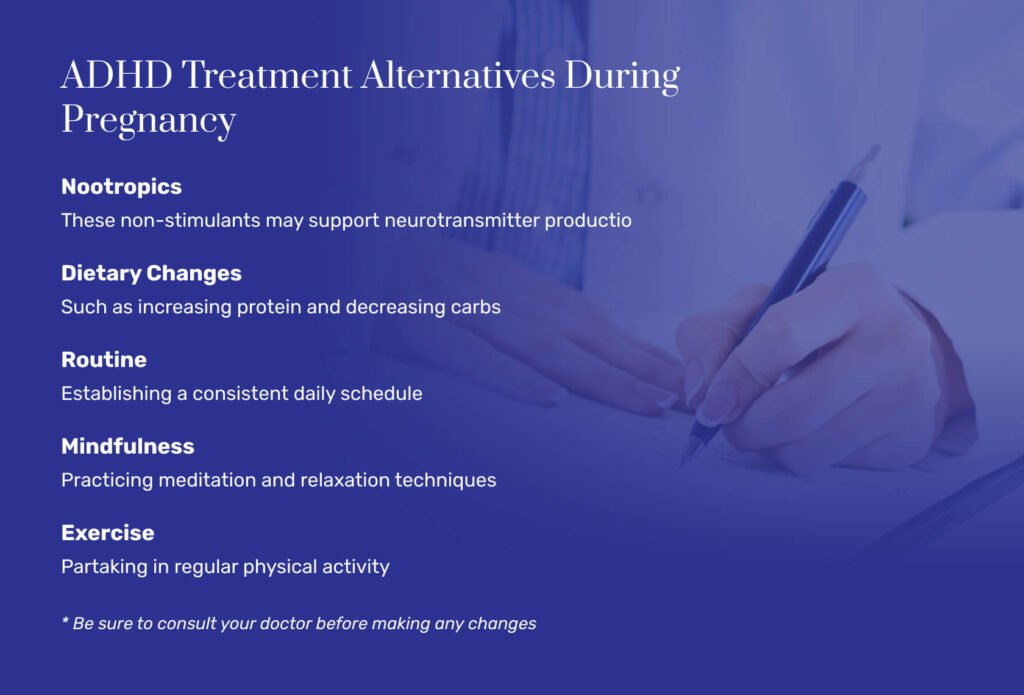
Many healthcare providers recommend non-pharmacological interventions during pregnancy, such as therapy or lifestyle changes, especially for women in the early stages of pregnancy who are hesitant to use medication. However, for those with severe ADHD symptoms who can’t manage effectively without medication, Adderall may still be considered.
Moreover, ongoing monitoring of the mother’s mental health is also crucial. Pregnant women may experience shifts in their mental and emotional well-being, making proper management of ADHD symptoms vital for both the mother and child’s health.
Potential Risks of Taking Adderall While Pregnant
While some literature suggests that taking Adderall does not significantly increase the risk of congenital disabilities, there are still considerable risks to be aware of. These can include complications related to maternal health, as well as concerns for fetal development. As a central nervous system stimulant, Adderall can affect maternal heart rate and blood pressure, potentially leading to adverse conditions.
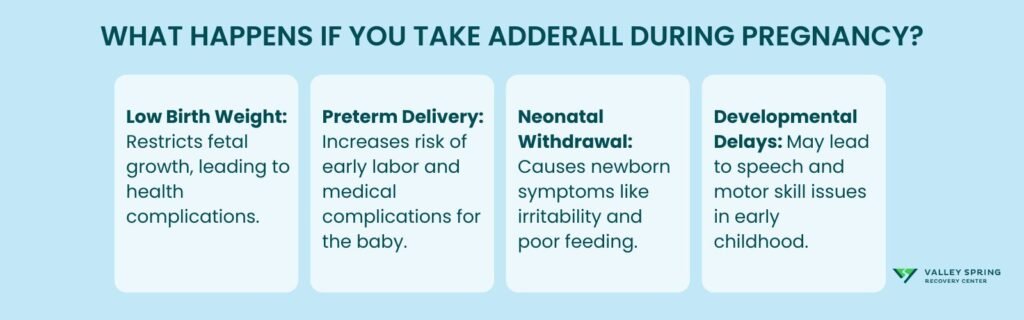
Additionally, studies show that use of amphetamines during pregnancy can be associated with preterm birth and low birth weight. These outcomes may have longer-term implications for childhood development, including behavioral issues and cognitive challenges.
The impact of Adderall on fetal brain development is complex. Although many studies have not established a direct correlation between the medication and autism spectrum disorders, ongoing research is crucial for fully understanding these effects. The way Adderall influences neurodevelopment during critical periods of pregnancy cannot be overstated, emphasizing the necessity for women to engage in thorough discussions with their healthcare providers.
How Does Adderall Affect Maternal Health?
For mothers who are deciding whether to take Adderall while pregnant, understanding the medication’s influence on their own health is vital. Adderall has well-documented side effects, including increased anxiety, insomnia, and appetite suppression, all of which may exacerbate pregnancy-related discomfort. Such maternal health issues can have knock-on effects on fetal health due to the physiological changes occurring during pregnancy.
The stress of managing ADHD symptoms without appropriate treatment can also lead to increased adversities. Uncontrolled ADHD can lead to difficulties in managing daily responsibilities, increasing mental strain and emotional stress, which have their own implications for fetal well-being. Alongside the potential benefits of improved maternal functioning, understanding the risks to mothers’ cardiovascular health cannot be overlooked.
The role of comprehensive care cannot be understated. Women are encouraged to communicate openly with their healthcare providers, discussing potential alternatives and carefully weighing the pros and cons of any medication usage during pregnancy.
Understanding Dosage and Timing
Another crucial aspect of taking Adderall during pregnancy is the dosage and timing concerning the trimester. It is widely accepted that the first trimester is when fetal development is particularly vulnerable to teratogenic effects from various medications, including stimulants like Adderall.
Some healthcare providers may suggest a lower dose for women who choose to remain on Adderall during pregnancy, while others might advocate for drug holidays, where the medication is paused for certain periods to reduce exposure to the fetus. Medical recommendations vary widely, highlighting the need for personalized treatment approaches.
The decision also may be influenced by the severity of ADHD symptoms. Some women find that as their pregnancy progresses, their ADHD symptoms may lessen due to hormonal changes, thus making the need for medication less urgent. This variability further complicates the discussion surrounding dosage.
What’s the Decision-Making Process Like?
The decision to take Adderall while pregnant should not be made lightly. It involves a multifaceted evaluation of the mother’s mental health needs, the severity of ADHD symptoms, and potential risks to both the mother and child. Maternal mental health is often evaluated alongside physical health, considering all possible intervention options.
To make the most informed decision, women should seek professionals who specialize in both maternal-fetal medicine and psychiatry, as this dual expertise can provide a comprehensive view of risks and management strategies. Ongoing communication between mothers and their care teams is crucial for monitoring both maternal and fetal well-being throughout the pregnancy.
Moreover, having access to support groups, counseling, and resources can significantly improve a woman’s ability to navigate this complex decision. Engaging with others who have faced similar challenges can offer both comfort and insight.
Side Effects and Considerations for the Fetus
For those who are already accustomed to Adderall, side effects might persist through pregnancy. Common side effects associated with the use of Adderall include headache, insomnia, and increased appetite. While these might seem trivial, sleep disruptions can contribute to pregnancy-related complications, and appetite issues could lead to poor maternal nutrition.
For the fetus, potential risks stemming from Adderall use, while highlighted in various studies, still need further exploration. Some research indicates links to cardiovascular issues and developmental impact, but a definitive conclusion is often elusive, with findings varying greatly between different studies.
Mothers-to-be are encouraged to track any side effects they experience and report them to their healthcare providers. Engaging in self-care strategies and maintaining a healthy lifestyle can also play significant roles in mitigating potential negative effects.
Impact of Stopping Adderall Before Pregnancy
Women often wonder about the implications of ceasing Adderall use upon discovering they are pregnant. The sudden discontinuation of medication, especially if it has been utilized effectively for managing ADHD, can lead to withdrawal-like symptoms and a resurgence of ADHD symptoms. The decision to stop should always be made with professional guidance.
Many women report that they initially experience a spike in anxiety or irritability when discontinuing medication, which can be further stressful during pregnancy. Strategies to manage these symptoms through therapy, mindfulness practices, and alternative treatments can be advised by healthcare professionals.
The optimal route is usually to have a plan in place prior to conception. Discussions about long-term family planning can lead to strategic preconception guidelines that help manage medication usage before major body changes occur.
Adderall and Breastfeeding: What You Need to Know
For women considering whether to continue Adderall while breastfeeding, it’s vital to understand how the medication can affect breast milk and the nursing infant. Adderall can be excreted in breast milk, albeit in lower concentrations than in the mother’s bloodstream. Therefore, the timing and dosage may play significant roles in determining the safest approach.
While some experts advise against using stimulants during lactation, others point out that the risks for most infants appear to be low, especially when medications are carefully monitored and breastfed at the right times. It’s essential to weigh the advantages of continuing medication for the mother’s own mental health and overall functioning against any potential risks presented to the child.
Mothers interested in breastfeeding while on Adderall should consult with their healthcare providers and do regular assessments of their child’s well-being while monitoring any potential side effects.
Long-term Child Behavioral Outcomes
One critical area of research that is still developing is the long-term outcomes for children exposed to Adderall in utero. Some studies have assessed whether such prenatal exposure has correlations with behavior issues or developmental delays, but results remain inconclusive.
Considerable debate surrounds potential links between stimulant exposure and neurodevelopmental disorders, with more research needed to fully understand the implications. Frequent monitoring and adjustment in approaches to childcare may mitigate risks if issues arise.
Mothers concerned about the behavioral outcomes of their future children are encouraged to maintain open conversations with their pediatricians, as monitoring and early intervention strategies can be beneficial if any developmental concerns come to light.
FAQs on Taking Adderall During Pregnancy
Is Adderall safe in the first trimester?
Most studies indicate that taking Adderall during the first trimester does not significantly increase the risk of birth defects. That said, this period is critical for fetal development, and close consultation with healthcare providers is advised. Current guidelines suggest weighing the risks based on individual circumstances.
What are the alternatives to Adderall during pregnancy?
Women might explore non-pharmacological approaches such as cognitive-behavioral therapy (CBT), lifestyle and dietary changes, and mindfulness techniques as possible alternatives to medication during pregnancy. These therapies can assist in managing ADHD symptoms without the risks associated with stimulant medications.
Can I take a lower dose of Adderall while pregnant?
Some healthcare providers may recommend lower doses of Adderall during pregnancy, depending on the severity of ADHD symptoms and the overall health of the mother. This personalized approach helps to balance symptom management with potential risks to fetal development.
What should I do if I want to stop taking Adderall?
Mothers considering discontinuation of Adderall should do so under medical supervision. A healthcare professional can provide appropriate guidance to develop a tapering schedule or assess alternative treatments during pregnancy, helped by strategies to manage withdrawal symptoms or returning ADHD symptoms.
How does Adderall affect my baby while breastfeeding?
Adderall does pass into breast milk in low concentrations. Most studies indicate that potential risks for breastfed infants are minimal, provided that the mother is closely monitored and assessments are conducted regularly. Consulting a healthcare provider for advice and monitoring is recommended.
I took Adderall throughout my entire pregnancy; should I be concerned?
Women who took Adderall during pregnancy are encouraged to speak with their healthcare providers for assessments of both maternal and child health. Early monitoring and intervention can help address any concerns and establish a care plan moving forward.
Can taking Adderall during pregnancy cause autism?
Currently, the research surrounding stimulant use during pregnancy and its potential link to autism is still inconclusive. While some studies suggest possible correlations, more extensive research is needed to establish a clear connection. Ongoing discussions with healthcare providers can offer personalized guidance and reassurance.
Conclusion: Navigating Medication Use During Pregnancy
The question of whether you can take Adderall while pregnant is fraught with complexities. While many studies indicate that its use does not significantly correlate with increased risks of birth defects, the potential impacts on maternal health and fetal development require careful consideration. Each case is unique; thus, women must engage with health professionals for a tailored approach.
Dialogue surrounding medication management during pregnancy is critical for balanced health outcomes. Women should feel empowered to express their needs and concerns when it comes to managing chronic conditions like ADHD while pregnant. Ongoing monitoring and strategic planning can help ensure that both maternal and fetal health are prioritized.
Ultimately, the well-being of both the mother and child is of the utmost importance. By involving healthcare professionals in discussions about risks, benefits, and management strategies, women can navigate this delicate period more effectively, making choices that support a healthy pregnancy.
