🏠 Stay at home! 25% discount on all medicines


Does Adderall Show Up on Drug Tests? Essential Insights

In the contemporary workplace and society, drug testing has become a standard procedure for various reasons including job screening, sports regulations, and legal implications. With increasing use of medications like Adderall, a common treatment for ADHD and narcolepsy, questions frequently arise regarding its detectability in drug tests.
Drug tests are designed to identify specific substances, and Adderall, containing amphetamine, is no exception. Typically, these tests will automatically flag amphetamines, making it crucial for users to understand the ramifications of testing positive, especially if they have legitimate prescriptions.
This detailed article aims to shed light on whether Adderall shows up on drug tests, how long it can be detected, and important considerations for individuals using this medication. We will explore various aspects related to drug screening and the unique challenges posed by medications like Adderall.
Understanding Adderall and Its Composition
Adderall is a prescription medication that contains a combination of amphetamine and dextroamphetamine. It’s commonly used to treat Attention Deficit Hyperactivity Disorder (ADHD) and narcolepsy. The amphetamines in Adderall work by altering certain neurotransmitters in the brain, which helps improve focus and concentration.
For individuals taking Adderall as prescribed, it is important to understand that this medication can have significant implications in contexts involving drug testing. Despite its medical uses, the nature of amphetamines in Adderall means it can easily be detected during standard drug screenings, which are commonly utilized by employers and other organizations.
Moreover, misuse of Adderall—which has increased in certain demographics, particularly among college students—has further heightened scrutiny around drug testing practices. In essence, understanding how Adderall interacts with drug tests is crucial for anyone who might be subjected to such screenings.
Will Adderall Show Up on a Drug Test?
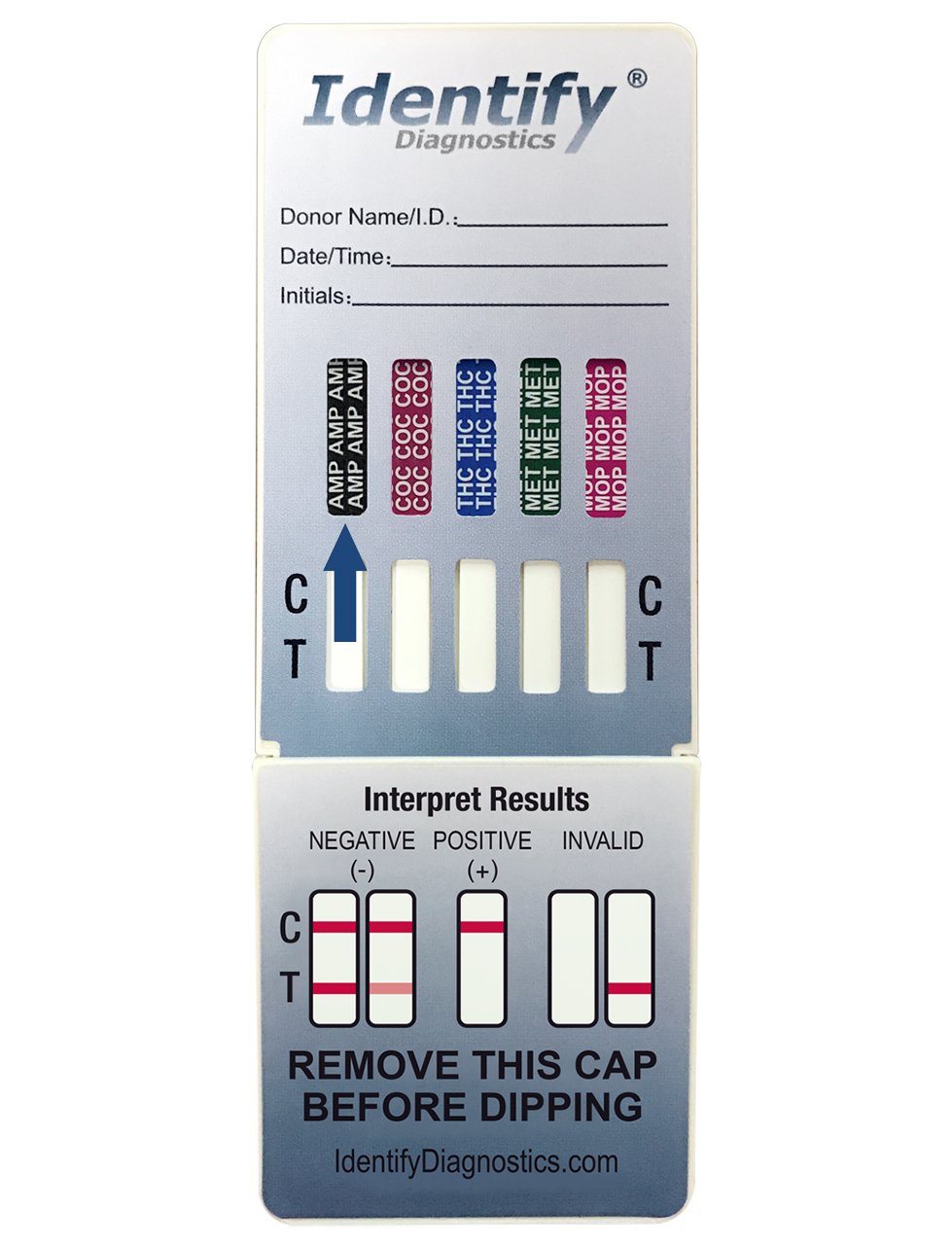
The short answer is unequivocally yes. Adderall will show up on standard drug tests that are designed to detect amphetamines. This detection is typically sought in various types of tests including urine, blood, saliva, and hair tests.
Specifically, the majority of **5-panel** and **10-panel drug tests**, which are common in both employment screening and other contexts, include amphetamines in their detection capabilities. This means that regardless of whether one is taking Adderall legitimately or misusing it, the presence of the drug will likely result in a positive test outcome.
For example, a routine employer drug screening designed to detect amphetamines will flag Adderall, highlighting the importance of transparency regarding prescription use with employers, especially in clinical or high-stakes environments. Individuals preparing for such screenings should consider informing test administrators of any prescribed medications to prevent any misunderstandings.
What Types of Drug Tests Detect Adderall?
Several different types of drug tests can detect the presence of Adderall in an individual’s system. The most common forms include:
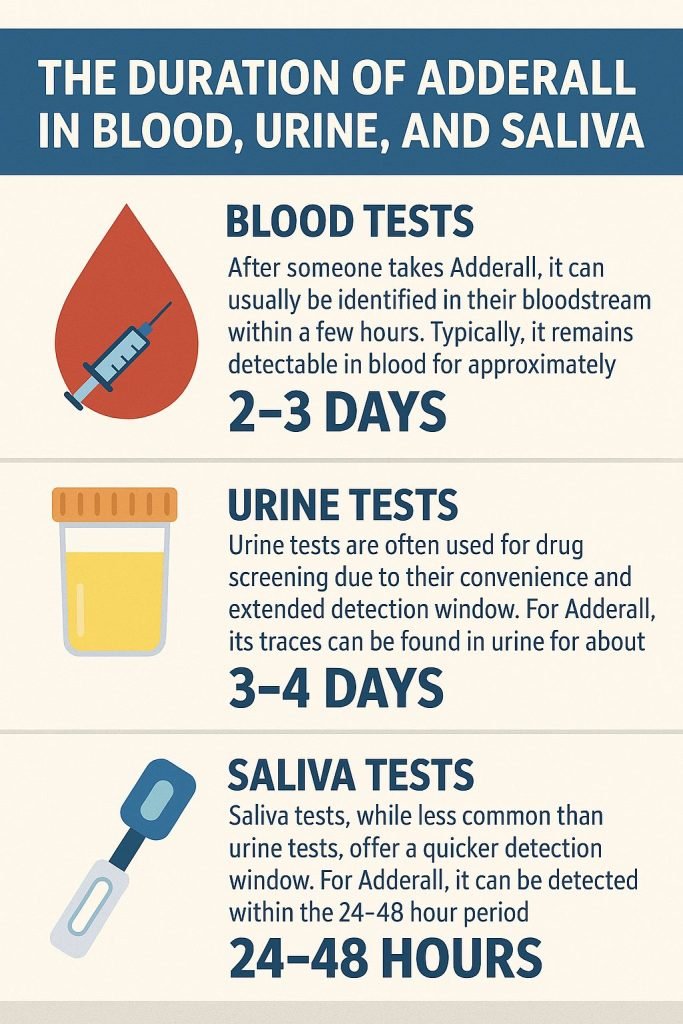
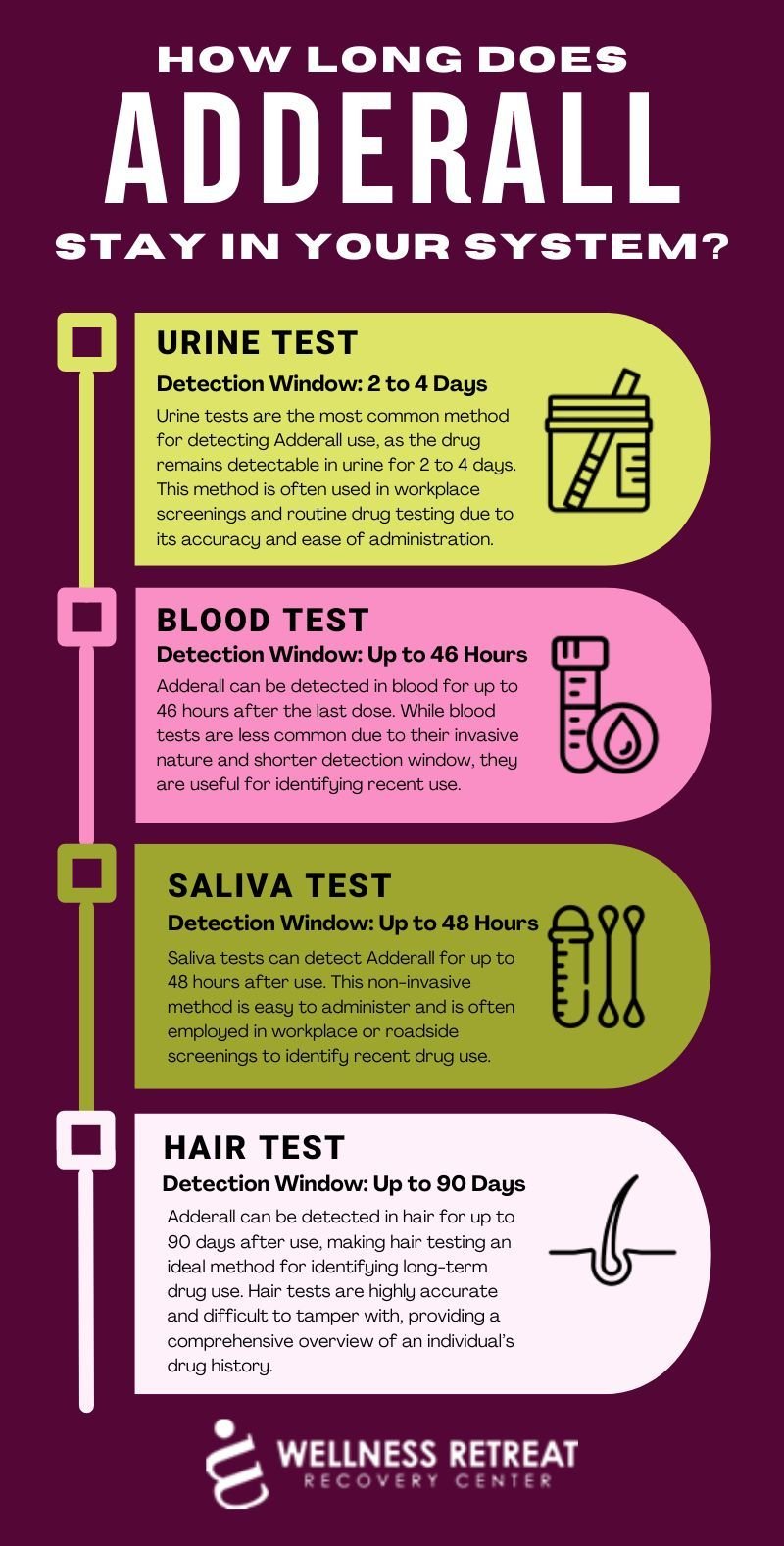
- Urine Tests: This is the most widely used testing method and can identify Adderall typically within a window of 2 to 4 days after last use.
- Saliva Tests: Though less common than urine tests, saliva tests can detect Adderall for a shorter time frame, usually within 1 to 2 days.
- Blood Tests: These tests are less frequently conducted but can detect Adderall for a short duration, usually up to 24 hours after the last dose.
- Hair Tests: Hair analysis can provide a longer detection window of up to 90 days but is less common than urine tests for employment purposes.
Detection Timelines for Adderall
Understanding how long Adderall remains detectable in the system is essential for individuals concerned about drug tests. Detection timelines vary based on several factors including dosage, frequency of use, individual metabolism, and testing method.
For instance:
- **Urine Testing:** Adderall can typically be detected in urine for 2-4 days after consumption, though this duration may extend for individuals who chronically misuse the drug.
- **Saliva Testing:** For saliva tests, the detectability window is considerably shorter, typically ranging from 24 to 48 hours post-ingestion.
- **Blood Testing:** Adderall remains detectable in blood for about 1 day, making it the shortest detection period among testing methods.
- **Hair Testing:** This method can provide a longer history of drug use, detecting Adderall for up to 90 days.
Failed Drug Test for Adderall Prescription
Many individuals with legitimate prescriptions for Adderall find themselves in challenging situations when it comes to drug testing. Despite having a valid medical reason for their medication, they may still test positive for amphetamines. This can lead to a misunderstanding with employers or other authorities who may view the positive test as indicative of illicit drug use.
In situations where an individual fails a drug test due to prescribed Adderall, there are few steps to consider:
1. Official Documentation: Ensure that you have your prescription documentation ready to present to testing authorities or employers. This can clarify that the presence of amphetamines in your system is due to legitimate medical use.
2. Informing Employers: It’s advisable to inform your employer or the testing agency prior to the test so they are aware of your medication use. Open communication can prevent potential disciplinary actions or job loss in sensitive environments.
3. Medical Explanation: During discussions regarding a positive test, being prepared to offer a medical explanation from a healthcare provider can be beneficial. This highlights the legitimacy of your prescription and mitigates misunderstandings.
Can You Challenge a Positive Test Result?
If you receive a positive result on a drug test due to Adderall, it is possible to challenge this result depending on the context of the test. Many employers and testing facilities have processes in place to address disputes about test results. Here are some considerations:
- **Requesting a Confirmation Test:** If the initial test is positive, you can request a confirmation test, which typically uses a more sophisticated method to provide a more accurate result.
- **Presenting Your Case:** Providing documentation of your prescription and any related medical records can bolster your position when contesting a positive result.
- **Legal Advice:** If disputes arise regarding employment or legal ramifications, consulting with a legal professional experienced in drug testing cases would be prudent.
Understanding the Implications of Testing Positive for Adderall
Testing positive for Adderall can have serious consequences in various contexts, from employment to legal ramifications. For individuals employed in industries like transportation, healthcare, or other safety-sensitive positions, a positive result can lead to immediate job termination or suspension.
Furthermore, in legal scenarios such as probation or custody cases, a positive drug test for amphetamines can complicate matters significantly. Courts may view a positive test as a sign of substance misuse, leading to potential loss of legal rights or further scrutiny.
Additionally, the stigma associated with ADHD medication can cause personal and professional relationships to suffer. Many people still harbor misconceptions about ADHD and related medications, which can exacerbate feelings of isolation or misunderstanding for those who genuinely require the medication.
Adderall Levels in Urine Tests: Understanding the Metrics
When undergoing a urine drug test, understanding how levels of Adderall are interpreted can be essential for individuals taking the medication. Drug tests measure the concentration of the drug in urine which is then compared against cutoff levels set by testing authorities.
If the concentration of amphetamines exceeds this cutoff point, the result will register as positive. The **cutoff levels** for amphetamines in urine tests typically range from 500 to 1000 ng/mL (nanograms per milliliter), depending on the guidelines of the testing agency.
If a person uses Adderall exactly as prescribed, they might still encounter a positive test, primarily if they use doses larger than what the testing facility considers to be within normal therapeutic ranges.
How Long Does Adderall Stay in Your System? A Closer Look
Understanding how long Adderall remains in your system can aid in preparation for drug tests, especially for those who may be concerned about timing in relation to their next screening. Various studies and expert opinions offer insights into the pharmacokinetics of Adderall.
Factors Influencing Detection:
1. **Dosage:** The more Adderall taken, the longer it may remain in the system.
2. **Frequency of Use:** Chronic users will often have detectable levels for a longer period than those using it intermittently or as prescribed.
3. **Metabolism:** Individual differences in metabolism can also impact detection durations. Factors such as age, weight, diet, and overall health can play significant roles.
In general, the effects of Adderall can be felt within hours of ingestion, and while peak concentrations are typically seen shortly after dosing, residual traces can linger in the system for several days as outlined previously.
How Different Testing Methods Impact Detection
It’s critical to understand that the method of testing significantly impacts how long Adderall can be detected. Each method has its own strengths and weaknesses, influencing the results in varying timelines.
For instance, while urine tests are the most common and practical for employers, saliva tests are increasingly being used thanks to their non-invasive nature. However, because saliva tests have shorter detection windows, individuals who are prescribed Adderall but have not used it recently might pass this test.
On the other hand, hair tests, while significantly more expensive and less common, can document drug use over a much longer duration. They may be more suited for situations where historical drug use is in question.
Common Myths About Adderall and Drug Testing
Several myths surrounding Adderall and its detection in drug tests can often create unnecessary confusion for users. One prevailing myth is that consuming certain foods or detox drinks can help users pass a drug test after taking Adderall. Unfortunately, this is rarely effective; drug metabolism is complex, and diet won’t significantly alter detection windows already established by the body.
Another common misconception is that one can “cure” a positive test result by drinking excessive amounts of water or engaging in intense exercise. While hydration and health practices are generally beneficial habits, they do not negate the biological presence of a substance like amphetamines in the system.
It is also a widespread belief that using Adderall for legitimate medical reasons will automatically absolve a user from the risk of a positive drug test. As discussed, however, even with valid prescriptions, users must navigate workplace policies and legal regulations that can still hold significant consequences.
Precautions for Adderall Users Facing Drug Testing
For individuals who rely on Adderall, being prepared for drug testing is essential in today’s environment. Here are some precautionary steps users should consider:
- Consult with Your Doctor: If you are concerned about upcoming drug testing, consult your healthcare provider about the matter. They can provide prescription documentation and recommendations.
- Inform Your Employer: If you know you will be subjected to a drug test, communicate with your employer or HR department. This proactive approach can prevent misunderstandings and preserve your employment.
- Understand Your Rights: Familiarize yourself with company policies regarding drug testing and rights regarding prescription medications to advocate for yourself in case of a positive result.
What to Expect During a Drug Testing Process
Finally, it is essential to know what to expect during the drug testing process. While the specifics may differ depending on the testing agency or employer, there are some common steps involved.
The process usually includes the following stages:
1. **Notification:** You will be informed about the upcoming drug test, with some required to sign consent forms.
2. **Sample Collection:** Depending on the method, this can involve providing a urine sample, a blood draw, or another type of specimen collection.
3. **Testing:** Your sample will be analyzed in a laboratory, where it will undergo screening for various substances, including amphetamines.
4. **Result Reporting:** Results are typically reported to the hiring agency or employer, which will contact you to discuss findings if any follow-up is needed.
Frequently Asked Questions (FAQ)
1. How long after taking Adderall can it be detected in a drug test?
Adderall can be detected in urine tests typically for about 2 to 4 days after the last dose, depending on individual metabolism and usage patterns. In saliva tests, the detection window is shorter, around 1 to 2 days.
2. What should I do if I test positive for Adderall?
If you test positive for Adderall, it is essential to present documentation of your prescription to the testing administrator. They may allow you a chance to explain your situation to avoid potential disciplinary action.
3. Are there specific tests that do not detect Adderall?
No, most standard drug tests include amphetamines and will flag Adderall. However, some lesser-used tests may not have strict thresholds and may not detect low levels if prescribed doses are taken.
4. Can you clear Adderall from your system quickly?
There are no scientifically proven methods to clear Adderall from your system significantly faster than your body naturally would. Hydration and overall health may aid metabolism but are unlikely to negate detection timelines.
5. What are the legal consequences of a positive test for Adderall?
The legal consequences of a positive test can vary widely based on the context of the test (employment, probation, etc.). In sensitive environments, a positive test can lead to job loss or legal ramifications depending on the settings involved and provided that necessary documentation is not presented.
6. Does targeted exercise or diet affect the drug detection of Adderall?
While healthy habits like exercise and diet are crucial for general health, they do not significantly alter drug detection timelines for substances like Adderall. Only time will ultimately allow elimination from the system.
7. If I have a prescription, can I still be terminated if I fail a drug test?
Yes, possessing a prescription doesn’t automatically guarantee protection from adverse employment actions if you fail a drug test. The policies governing drug use will depend on specific workplace guidelines and regulations.
Conclusion: Navigating the Complexities of Adderall and Drug Testing
Understanding how Adderall interacts with drug testing is crucial for individuals who use this medication. With it known for its medical benefits, the implications of testing positive can be challenging, particularly in professional environments where drug testing is routine.
Proactive measures, including open communication with employers and maintaining thorough documentation of prescriptions, can help mitigate the risks associated with drug testing for those who rely on Adderall. It is vital for users to be informed about their circumstances and prepare accordingly to navigate the complexities surrounding the use of amphetamines in a drug-testing context.
Given the growing awareness and scrutiny surrounding prescription medications, staying educated and prepared will play an essential role in ensuring that legitimate users of Adderall are not unfairly penalized during drug testing procedures. Keep abreast of both your health and professional rights to ensure that your treatment is not impeded by the presence of a necessary drug in your system.
