🏠 Stay at home! 25% discount on all medicines


Understanding the Digestive Effects of Adderall: Constipation and Beyond

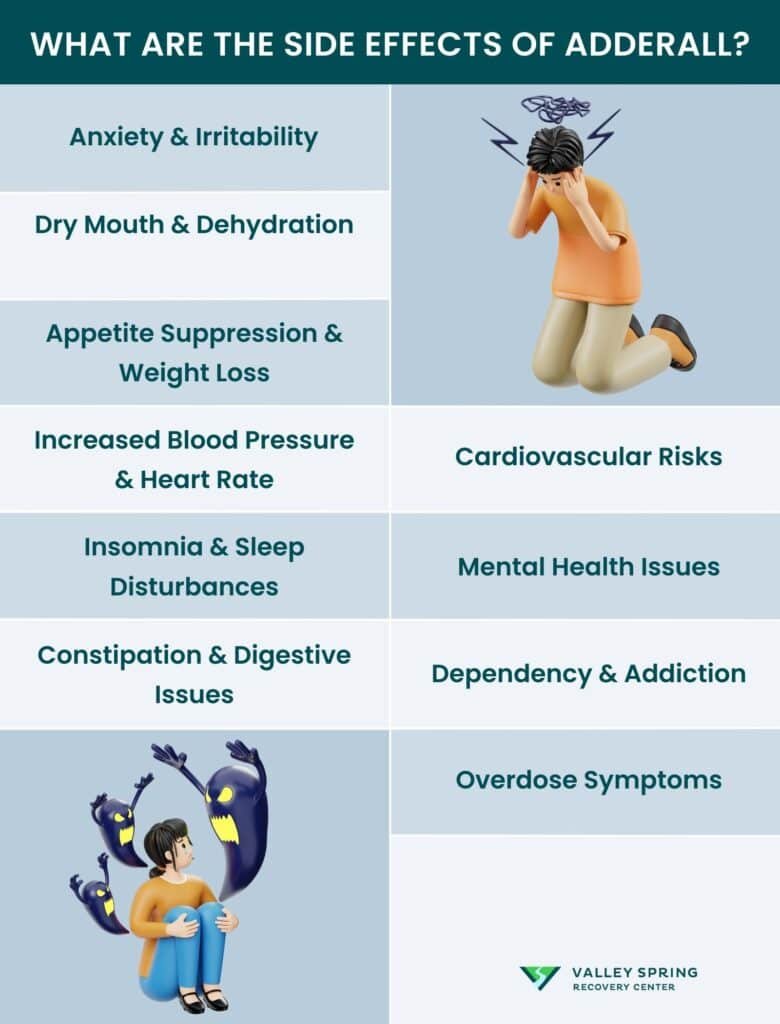
Adderall is a commonly prescribed medication for attention deficit hyperactivity disorder (ADHD) and narcolepsy, impacting millions of people worldwide. While the drug is designed to enhance focus and decrease impulsivity, many users report unwelcome side effects, particularly related to digestion. Research indicates that *approximately 16% of users* may experience gastrointestinal issues, making it imperative to understand how Adderall affects the digestive system and what can be done to alleviate these effects.
As a stimulant, Adderall influences various systems in the body, including the gastrointestinal (GI) tract. The primary concern revolves around whether Adderall can lead to constipation or other digestive complications. In this article, we will explore the mechanisms behind these potential side effects, how they manifest in users, and effective strategies to relieve symptoms. Understanding the connection between Adderall and digestive health can help mitigate discomfort and improve the overall experience of those relying on this medication.
From altered gut motility to hard stools, the ramifications of long-term Adderall use on digestive health are multifaceted. By examining the latest findings and advice from healthcare professionals, this article serves as a comprehensive guide for individuals navigating this common issue associated with Adderall. Whether you are currently using the medication or considering it as a treatment option, gaining insight into these digestive side effects is crucial for informed decision-making.
Does Adderall Cause Constipation or Digestive Issues?
Understanding whether Adderall causes *constipation* involves examining its effects on the body’s nerve and muscle activity, especially in the digestive tract. As a stimulant, Adderall speeds up certain bodily functions but can simultaneously slow down the contractions of smooth muscles found in the intestinal walls. This dual action can lead to constipation in some users, as they experience reduced gut motility.
When Adderall is ingested, it increases the release of neurotransmitters such as norepinephrine and dopamine, instigating a heightened ‘fight or flight’ response. In this state, the body prioritizes critical functions over gastrointestinal activity, often resulting in the slowing of digestive processes. Research shows that Stimulants like Adderall can lead to reduced secretion of digestive fluids, which can further exacerbate constipation. Therefore, while some may continue to have regular bowel movements, others may suffer from sluggish digestion and hard stools.
Additionally, a 2021 study highlighted that users frequently reported not only constipation but also abdominal discomfort, bloating, and even diarrhea, showcasing the complex nature of Adderall’s impact on digestion. The effects of Adderall on the digestive system vary widely among individuals, and tailoring understanding to each case can be crucial for effective management.
How Does Adderall Impact Digestive Motility?
Adderall’s influence on digestive motility can be poorly understood. Although it is a stimulant, its control over GI tract functions can tilt in both directions—some users report constipation, while others might experience diarrhea. The primary explanation lies in Adderall’s potential to alter the normal rhythms of the digestive system.
Molecularly, Adderall interacts with receptors that can affect smooth muscle contraction in the intestines. When the coordinated contractions of these muscles are slowed, the passage of food and waste can become compromised, leading to constipation. Conversely, in some individuals, the medication may over-stimulate gastrointestinal activity, resulting in diarrhea. This variability underpins the necessity for personalized treatment plans when prescribing Adderall.
The psychological aspects associated with stimulant use may also play a role in digestive outcomes. Stress, anxiety, or changes in dietary habits enforced by Adderall’s appetite suppression can further complicate digestive health, underscoring a holistic approach to address these side effects.
Is There a Connection Between Adderall and Other Digestive Complaints?
In addition to constipation, users frequently report experiencing a spectrum of other digestive complaints while on Adderall. Conditions like *gastritis, abdominal pain,* and inconsistent bowel habits often accompany this medication’s use. Gastritis, characterized by inflammation of the stomach lining, may result from increased stomach acid due to stress or dietary choices that change with stimulant prescriptions.
Furthermore, disruptions in appetite can lead to irregular eating patterns, contributing to both constipation and diarrhea. Some users may instinctively avoid high-fiber foods that could ease constipation or engage in consuming low-fiber diets due to Adderall’s appetite-suppressive effects. This dietary shift tends to worsen overall gut health, leading to further complications.
Understanding these connections can help users identify and combat the full array of digestive issues tied to Adderall prescription, reinforcing the importance of discussions with healthcare providers regarding all possible side effects.
How Long Does Adderall Constipation Last?
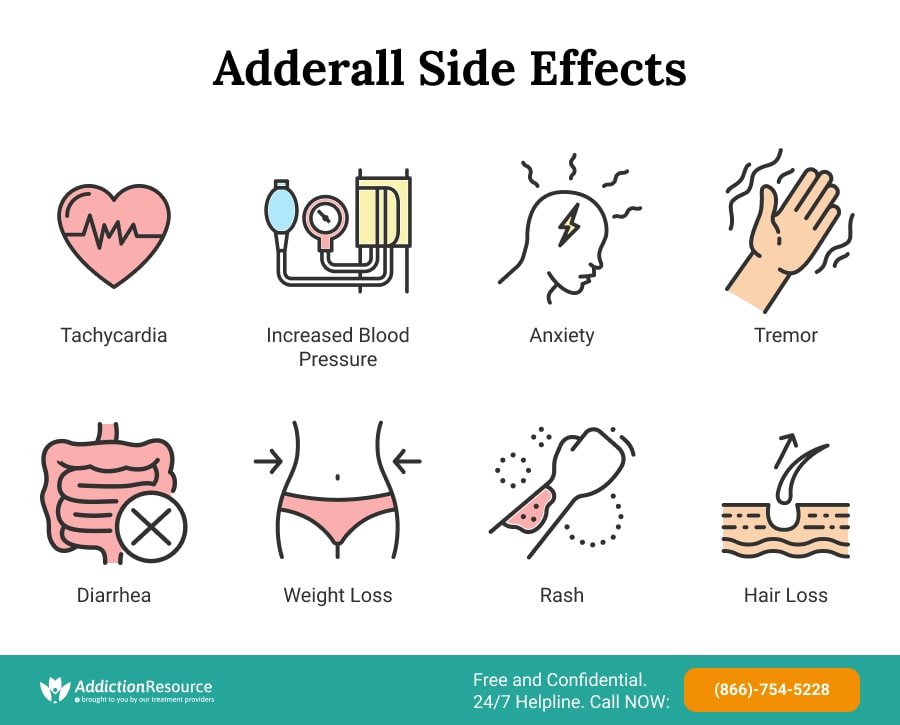
The duration of constipation attributed to Adderall varies significantly among users and can depend on individual metabolism, dosage, dietary habits, and overall gut health. For some, the side effect may be transient, resolving within a few days of adjusting to the medication. However, for others, Adderall-induced constipation can persist as long as they are using the drug, necessitating the need for management strategies.
In general, if constipation develops within the first few weeks of starting Adderall, it may be short-lived, as the body often recalibrates during this adjustment period. However, ongoing issues with constipation could indicate a need to consult with a healthcare provider about adjusting the prescription or incorporating interventions to alleviate digestive discomfort.
Furthermore, the introduction of additional factors can influence the persistence of constipation. Factors such as hydration levels, dietary choices, physical activity, and even concurrent medications play vital roles in regulating bowel movements. As such, individual reactions to Adderall must be monitored closely to ensure overall health.
Does Adderall Constipation Go Away?
For many, constipation experienced from Adderall does improve over time. As the body adapts to the stimulant environment presented by the medication, it often regains its natural rhythm of digestion. However, this adaptation does not happen uniformly for all users; some may continue to experience chronic constipation throughout their treatment.
In situations where constipation persists, users should consider potential interventions, including lifestyle modifications such as increasing dietary fiber intake, enhancing hydration, and engaging in regular physical activity. These measures potentially combat the slowing of the GI tract and encourage more regular bowel movements.
If lifestyle adjustments do not yield results, it is advisable to consult a medical professional. There may be alternative medications or dosage adjustments that can minimize side effects without compromising the intended effects of Adderall.
How to Relieve Constipation from Adderall
Relieving constipation when taking Adderall starts with a multifaceted approach to encourage proper digestive function without necessarily lowering the medication’s effectiveness. One of the most effective methods begins with dietary modifications. A fiber-rich diet is crucial—consider integrating fruits, vegetables, whole grains, and legumes, which provide the necessary bulk for stools.
In addition to fiber, increasing fluid intake is vital for softening stools. Aim for at least *eight 8-ounce glasses of water a day*, as proper hydration can significantly alleviate constipation and support overall gut health. Regular physical activity also helps stimulate bowel movements, encouraging proper digestion.
Pursuing low-stress management practices can alleviate the psychological stressors that may exacerbate constipation. Techniques such as mindfulness, yoga, or regular exercise contribute not just to mental well-being, but also to digestive health. Similarly, scheduled bathroom breaks and tuning into the body’s signals can help establish a routine conducive to easier bowel movements.
Adderall and Diarrhea: The Other Side of the Coin
While much focus is placed on Adderall’s potential to cause constipation, it is equally important to address the paradox that some users may experience, namely, diarrhea. This adverse effect emerges mainly from the overstimulation of the digestive tract, resulting in rapid gastric emptying. When the muscles of the intestine contract excessively, the result can be loose stools or diarrhea.
Many factors contribute to this phenomenon. For starters, the stimulant effect can increase gut motility, compressing the time the body has to absorb nutrients and water from consumed food, leading to watery stools. Similar to why constipation may arise, psychological stressors can exacerbate diarrhea, with anxiety and dietary choices significantly impacting gastrointestinal function.
Interestingly, while constipation tends to be more prevalent than diarrhea among Adderall users, those who experience this side effect may find relief through similar methods aimed at managing constipation, such as dietary adjustments and decreased stress levels.
Is Diarrhea from Adderall Permanent?
Similar to the digestive consequences of constipation, diarrhea induced by Adderall is typically not a permanent condition. Instead, just as users adapt to the constipating effects, many can acclimate to the medication enough to establish a balanced digestive state. Nonetheless, if diarrhea persists, it is crucial to seek guidance from a healthcare provider to prevent dehydration and maintain nutritional balance.
Persistent diarrhea can be an alarming signal that one’s body may not be tolerating the medication well. In such instances, medical professionals may consider evaluating concerns regarding dosing adjustments, alternative ADHD medications, or additional preventative care, depending on the severity of symptoms. Importantly, proactive management strategies are essential for maintaining both digestive and overall health during medical treatment.
Common Remedies for Adderall-Induced Diarrhea
Managing diarrhea while on Adderall involves similar strategies as those for constipation, focused around dietary changes and lifestyle adjustments. First and foremost, establishing a well-balanced diet that avoids excessively spicy or high-fat foods can help mitigate diarrhea symptoms.
Additionally, consider including soluble fiber sources, such as oats, bananas, and apples, which can help to absorb excess liquid in the intestines, contributing to solid stool formation. Hydration remains crucial, though it may seem counterintuitive during bouts of diarrhea. Replenishing lost fluids ensures that the body stays adequately hydrated.
Over-the-counter medications may also provide symptomatic relief. Loperamide, for example, is commonly used to manage diarrhea episodes and can be effective for users adjusting to Adderall. As always, individuals should seek professional guidance before introducing any new medication or continued self-treatment.
Can Adderall Cause Gastritis?
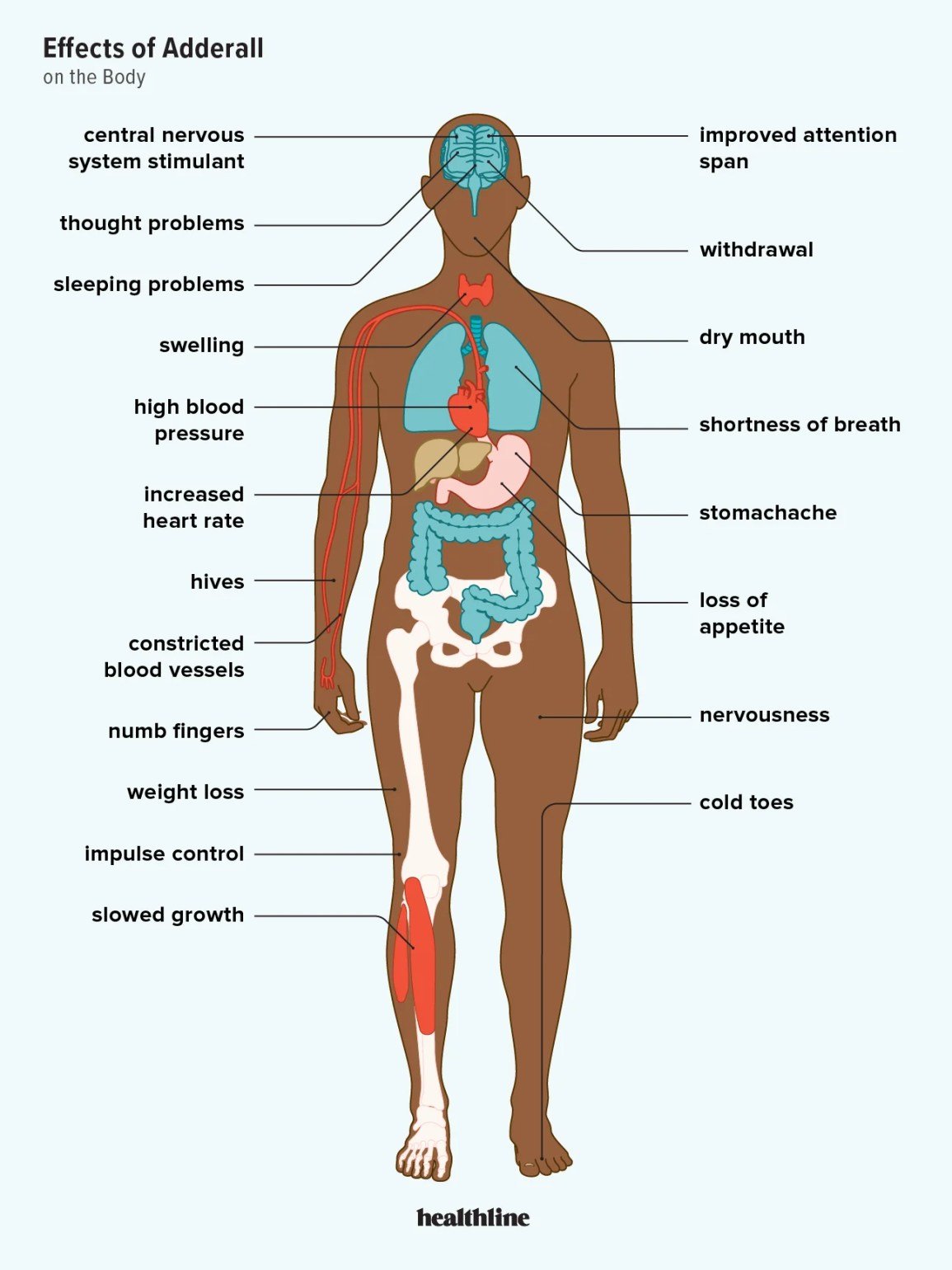
Gastritis, or the inflammation of the stomach lining, has been associated with stimulant medications, including Adderall. This condition can arise due to increased stomach acid production, which may be triggered by stimulant-induced stress or changes in dietary habits that can come with heightened focus and impulsivity.
Furthermore, excessive caffeine consumption, which is common among individuals using stimulants like Adderall, can exacerbate gastritis symptoms such as stomach pain and nausea. Symptoms can range from mild to severe and potentially interfere with the ability to eat healthily or maintain digestive balance.
Users experiencing signs of gastritis, including discomfort, nausea, or unexplained weight loss, should consult with their healthcare provider for further evaluation. In many cases, correcting dietary habits and reducing caffeine intake can help alleviate these symptoms, while additional medical intervention may be necessary depending on severity.
How to Manage Gastritis Linked to Adderall Use?
Managing gastritis while on Adderall revolves around lifestyle adjustments. Stress management, dietary modification, and adherence to prescribed medications are pivotal components. Implementing a diet low in irritants, such as caffeine, spicy foods, and fatty foods, can improve comfort levels significantly.
A gradual reorientation towards a balanced diet incorporating lean proteins, low-acid fruits, and whole grains can support digestive health. For those experiencing significant gastritis symptoms that persist, healthcare providers may offer additional prescription medications aimed at decreasing stomach acid levels and relieving discomfort.
Recognizing the link between Adderall use and GI issues is crucial for long-term health management. As such, spending time understanding personal dietary needs and how they interact with medication can contribute to minimizing discomfort and promoting holistic well-being.
FAQs: Understanding Adderall and Digestive Issues
1. Can Adderall cause both constipation and diarrhea at the same time?
Yes, it is possible to experience both constipation and diarrhea while using Adderall, primarily due to its varying effects on gastrointestinal motility. Some users may have periods of constipation followed by episodes of diarrhea, creating a cycle of digestive disruption. It’s essential to monitor symptoms closely and consult with a medical professional if gastrointestinal issues persist.
2. What dietary changes should I make if I experience constipation from Adderall?
To alleviate constipation caused by Adderall, consider incorporating more high-fiber foods into your diet, such as fruits, vegetables, whole grains, and legumes. Increasing your water intake can also aid in digestion by softening stools. Regular physical activity is another effective way to promote gut motility and habitual bowel movements.
3. Are there any over-the-counter medications that can help with Adderall-induced constipation?
Yes, over-the-counter laxatives can assist with constipation, but you should consult a healthcare provider before use. Options like polyethylene glycol (MiraLAX) or fiber supplements can be effective. It’s vital to address the underlying causes of constipation rather than relying solely on laxatives for treatment.
4. How long does it typically take for digestive issues from Adderall to resolve?
Digestive issues such as constipation or diarrhea linked to Adderall may improve as the body adapts to the medication. For some individuals, this can take a matter of days, while for others, it may require medical intervention or dietary changes. Continuous monitoring of symptoms is crucial to determining if further adjustments are necessary.
5. Should I stop taking Adderall if I experience digestive issues?
It is not advisable to stop or alter your Adderall dosage without consulting a healthcare professional. While digestive issues can be uncomfortable, they may not necessitate cessation of medication entirely. Instead, it’s worth discussing your symptoms with your prescribing doctor, who can propose potential solutions or adjustments that can help alleviate discomfort.
6. Can lifestyle changes help reduce digestive problems while on Adderall?
Absolutely. Incorporating lifestyle changes, such as dietary modifications, increasing hydration, and incorporating stress-reduction techniques, can significantly improve digestive health while on Adderall. Engaging in regular exercise can also stimulate bowel activity and help create a more conducive environment for digestion.
7. Is there a risk of long-term digestive health issues from using Adderall?
The long-term use of Adderall can lead to chronic digestive health issues for some individuals. Both constipation and diarrhea can result in a negative impact on overall gut health. Regular consultations with healthcare providers to monitor digestive health can help mitigate risks and ensure that any adverse effects are addressed promptly.
Conclusion
The relationship between Adderall and digestive health, particularly regarding *constipation and other gastrointestinal issues,* is complex and varies from person to person. Understanding how this medication impacts bodily functions is crucial for effectively managing side effects and maintaining overall well-being. Through awareness, proactive lifestyle modifications, and open communication with healthcare professionals, many individuals can navigate these challenges successfully.
Recognizing that digestive issues are a common occurrence among Adderall users can demystify and normalize the experience, encouraging individuals to seek necessary assistance rather than suffer in silence. Engaging in strategies to improve gut health—such as increasing fiber intake, drinking plenty of fluids, and finding effective stress-relief measures—can significantly enhance the quality of life for those on this medication.
Ultimately, a holistic approach to treatment is essential. From understanding the body’s reactions to practical interventions, individuals can craft a supportive lifestyle that minimizes the negative impact of Adderall on digestive health. Moving forward, continue to advocate for your body, and embrace an informed and proactive strategy as you navigate your medication journey.
