🏠 Stay at home! 25% discount on all medicines


Does Adderall Cause Constipation or Digestive Issues? Understanding the Connection

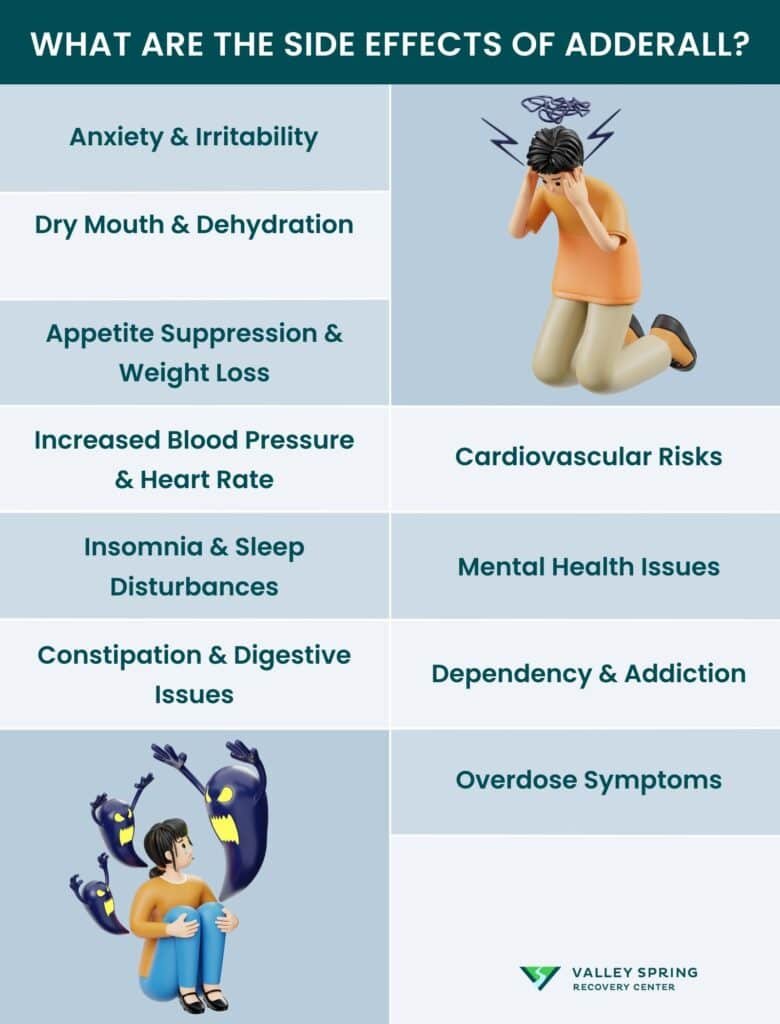
Adderall, a commonly prescribed medication for attention deficit hyperactivity disorder (ADHD) and narcolepsy, has become increasingly prominent in both medical and recreational settings. According to various studies, between 12% to 33% of Adderall users report experiencing digestive issues, particularly constipation and diarrhea. The prevalence of these side effects raises an important question: does Adderall cause constipation or digestive issues?
The connection between Adderall and digestive problems can be attributed to its impact on the central nervous system and how it modifies various bodily functions. As stimulants, amphetamines like Adderall can slow down gastrointestinal (GI) motility, leading to challenges in digestion and elimination. This article investigates the different ways Adderall can influence digestive health, including mechanisms that lead to constipation, the dual possibility of diarrhea, how long these issues can persist, and practical strategies for relief.
Understanding the digestive effects of Adderall is crucial for anyone considering or currently using the medication. This knowledge can lead to better management of any adverse effects, ensuring that individuals can continue to benefit from the therapeutic properties of the drug while minimizing discomfort. In this discussion, we’ll explore various aspects of how Adderall interacts with the digestive system and what users can do to address these concerns.
Does Adderall Cause Constipation? Understanding the Mechanism
To answer the question of whether Adderall causes constipation, it’s essential to understand the mechanisms by which the medication affects the body. Adderall works by increasing the levels of neurotransmitters such as dopamine and norepinephrine in the brain, enhancing focus and attention. However, these same neurochemical changes can have side effects that ripple throughout the body, particularly in the digestive tract.
One major way Adderall leads to constipation is through its effect on gastrointestinal motility. The drug can slow down the coordinated muscular contractions necessary for moving food and waste through the intestines. The result is a delayed transit time, which can harden stool and make elimination more challenging. This slowed motility is akin to a state of ‘fight or flight,’ where the body prioritizes urgent functions like muscle and brain activity while diverting energy away from digestion. Various studies indicate that the risk of constipation increases with higher dosages of Adderall, highlighting a direct correlation between medication dosage and digestive side effects.
In addition to slowing down motility, Adderall can also impact fluid absorption in the intestines. Increased absorption can lead to dehydration of the stool, further complicating the process of natural elimination. The drug may also inhibit the secretion of gastrointestinal juices that are essential for proper digestion, compounding the risk of constipation. Research indicates that users may benefit from cautious monitoring of their digestive health when starting or adjusting their Adderall regimen.
Why Does Adderall Affect Gut Motility?
Adderall, being a stimulant, activates the sympathetic nervous system—our body’s ’emergency response’ system. This activation leads to various physiological changes aiming to prepare the body for immediate action. Among these changes, the peristaltic movement of the intestines is affected. Peristalsis is the series of muscle contractions that move food through the digestive tract, and when these contractions are slowed, the risk of constipation becomes apparent.
Moreover, the body’s prioritization of blood flow also changes during this ‘fight or flight’ state. Blood is diverted away from the digestive organs towards muscles and the brain. This shift reduces the efficiency of digestive processes and can lead to digestive discomfort, including constipation. Therefore, the very properties that make Adderall effective in treating ADHD and narcolepsy also lead to gastrointestinal challenges.
Can Adderall Lead to Other Digestive Issues?
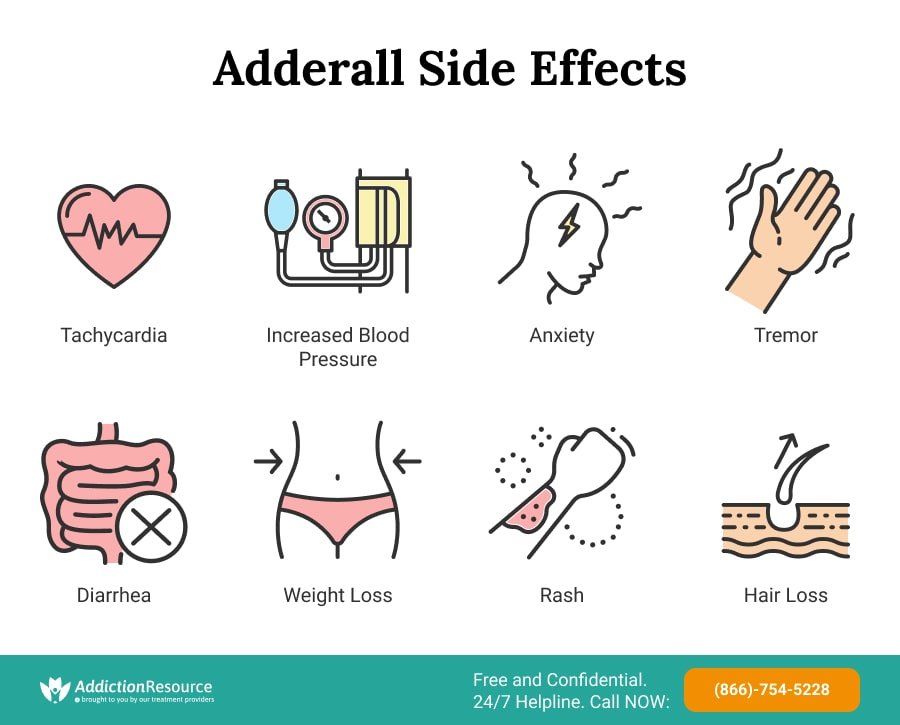
While constipation is a well-known side effect, Adderall can cause a range of digestive issues beyond just stool hardening. In some individuals, the drug may lead to complications such as diarrhea. This could occur due to its stimulating effect on the intestines, which can enhance peristalsis in certain contexts, or as a response to stress and anxiety occasionally induced by stimulant medications.
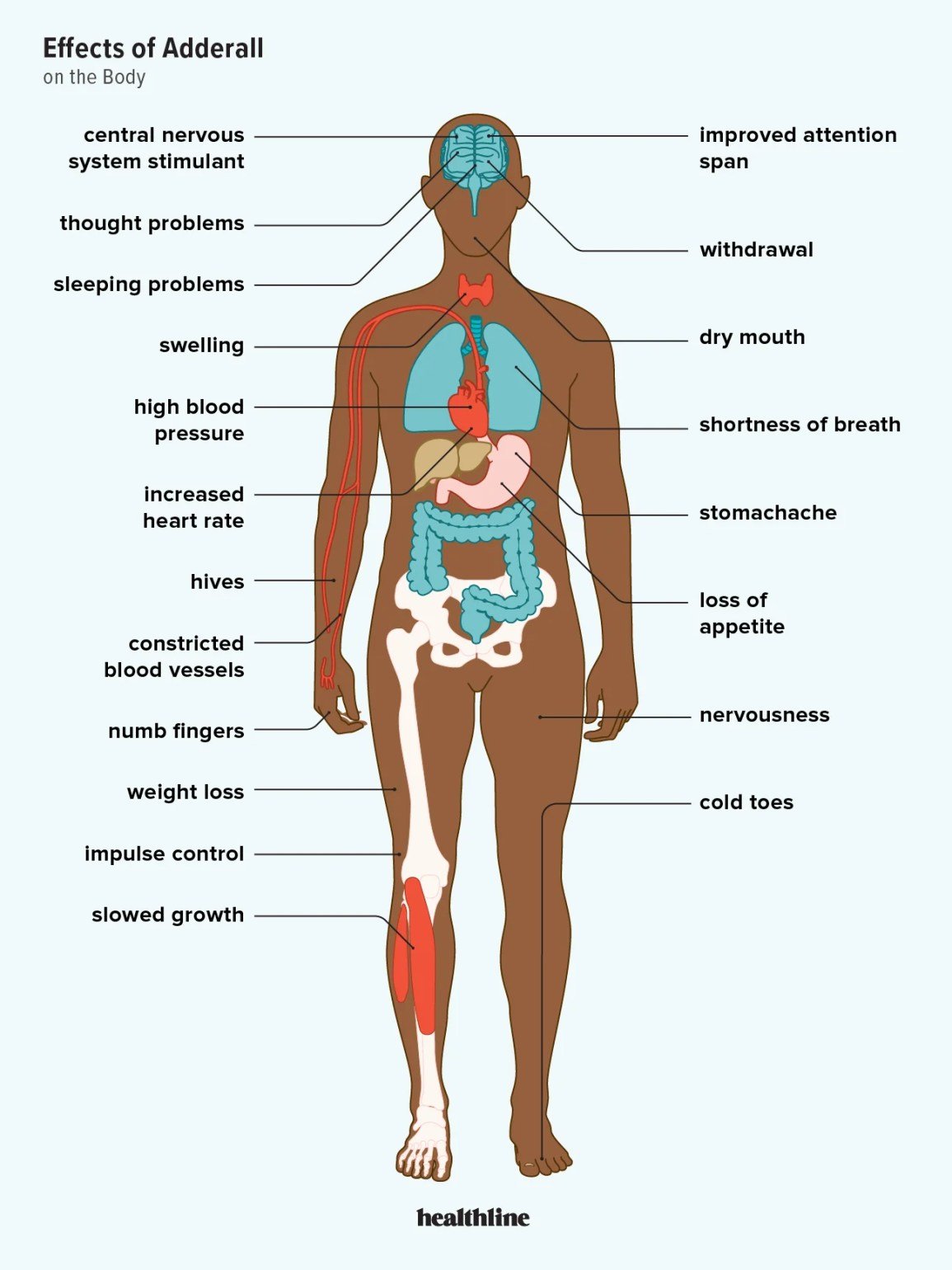
Additionally, those who take Adderall may experience other gastrointestinal side effects, such as nausea, abdominal cramps, and dry mouth, which can further complicate digestion. The varied responses illustrate that each person’s digestion can be uniquely affected by Adderall.
Does Adderall Constipation Go Away? Timeline for Recovery
A common concern among users of Adderall who experience constipation is whether this side effect is permanent or temporary. For many individuals, the constipation caused by Adderall may be transient. Research indicates that as the body adjusts to the medication, digestive issues may diminish over time. However, the specific timeline can vary greatly from one person to another.
Some factors influencing the duration of constipation include:
- Dosage: Higher doses may lead to more severe gastrointestinal effects, while lower doses might be better tolerated.
- Hydration and Diet: An adequate intake of water and dietary fiber can help mitigate constipation symptoms.
- Individual Differences: Each person’s physiology responds differently to medications, meaning some may experience a quicker resolution of digestive issues than others.
While some individuals report that constipation improves within days or weeks of regular use, others may experience longer-term challenges. If constipation persists exceptionally long, it is crucial to consult a healthcare provider. In some cases, your doctor may consider adjusting the medication or suggesting interventions specifically geared toward alleviating the digestive side effects.
What If Constipation Persists?
If you are an Adderall user and find that constipation persists despite making lifestyle adjustments, it’s vital not to overlook the issue. Chronic constipation can lead to complications such as fecal impaction, bowel obstruction, or hemorrhoids. Therefore, addressing ongoing digestive discomfort is essential for overall health.
A healthcare professional may recommend several strategies, such as:
- Medication adjustments: In some cases, changing the dosage or switching medications may alleviate constipation.
- Increased hydration: Drinking more fluids can soften stool and promote regular bowel movements.
- Dietary changes: Incorporating fiber-rich foods can help ensure smoother digestion.
- Exercise: Regular physical activity can promote GI motility.
How to Relieve Constipation from Adderall
Managing constipation associated with Adderall requires a proactive approach, focusing mainly on dietary and lifestyle modifications. Here are several practical methods for easing constipation symptoms:
1. **Stay Hydrated:** Always ensure adequate water intake. Dehydration aggravates constipation and can lead to harder stool consistency. Aim for a minimum of 8-10 cups of water daily, and consider lifestyle factors, such as exercise and climate, that may require additional fluids.
2. **Optimize Your Diet:** Include plenty of fiber in your meals — vegetables, fruits, whole grains, and legumes can significantly improve stool consistency. It’s recommended to aim for at least 25-30 grams of fiber each day.
3. **Regular Exercise:** Physical activity stimulates bowel movements and encourages digestive health. Even light exercise such as walking can be beneficial, as it helps promote regularity.
4. **Establish a Routine:** Try to schedule bathroom visits. Sometimes, simply giving yourself time in a relaxed environment can improve your chances of passing stool.
5. **Over-the-Counter Remedies:** In consultation with a healthcare professional, fiber supplements or laxatives can be utilized to relieve severe constipation. Always consult a doctor before starting any medication, especially if you are on other medications like Adderall.
Does Adderall Cause Diarrhea? Exploring the Other Side
While constipation is among the most reported digestive side effects of Adderall, it is equally important to discuss diarrhea. As mentioned previously, the stimulant properties of Adderall can lead to varying responses in users. Some individuals experience not only constipation but also instances of diarrhea.
The mechanisms behind diarrhea from Adderall are often related to increased gastrointestinal motility. In those who experience increased stimulation of the nervous system, the intestines may overreact, leading to loose stools or diarrhea. This indicates a fascinating variability in response to the same medication.
Another contributing factor to diarrhea can be the role of stress or anxiety levels that some patients experience while on Adderall, triggering gastrointestinal discomfort. In some cases, misuse of the drug may lead to more severe gastrointestinal distress, including diarrhea. Evidence also suggests that certain dietary choices made by users, such as excessive caffeine intake or consumption of highly processed foods, can exacerbate these effects.
Adderall Diarrhea Remedy: What You Can Do
For those who do experience diarrhea related to Adderall, there are several self-care measures and remedies that may provide relief:
1. **Monitor Your Diet:** Keeping a food diary can help identify any food triggers contributing to diarrhea. Consider a bland diet (rice, bananas, toast) during episodes for ease of digestion.
2. **Stay Hydrated:** Diarrhea can lead to dehydration, so replenishing fluids is essential. Consuming electrolyte-rich beverages can aid recovery.
3. **Consult Your Doctor:** If diarrhea persists, it is critical to consult a healthcare professional. Persistent diarrhea not only hinders quality of life but can also result in other complications, including nutritional deficiencies and weight loss.
4. **Dose Adjustment:** In some cases, reducing the Adderall dosage may alleviate diarrhea without compromising the medication’s effectiveness.
5. **Probiotics:** Incorporating probiotics may help correct imbalances in gut flora and improve overall digestive health. Always discuss with a provider before starting new supplements.
Can Adderall Cause Gastritis?
Another potential digestive issue linked to Adderall use is gastritis, inflammation of the stomach lining that can lead to symptoms like abdominal pain, nausea, and vomiting. Amphetamines may increase stomach acid production, which, in conjunction with altered motility, can distress the gastric lining.
Research has indicated that stimulants can potentially exacerbate pre-existing conditions such as gastritis. Therefore, if you have a history of gastrointestinal issues, it is vital to consult a healthcare professional before starting Adderall. Those experiencing gastritis symptoms while on Adderall should seek guidance on how to manage these effects safely.
FAQs about Adderall and Digestive Issues
1. How long does Adderall constipation last?
The duration of constipation caused by Adderall can vary widely based on individual factors such as dosage, hydration, diet, and overall health. For some, constipation may subside within a few days to weeks as the body adjusts to the medication, while others may require longer to notice improvements. If constipation persists, it is advisable to consult a healthcare professional for management strategies.
2. Can I take laxatives while on Adderall?
While some individuals may consider the use of over-the-counter laxatives to alleviate constipation, it is crucial to consult with a healthcare provider first. Laxatives may have interactions or present risks when combined with Adderall. Given that Adderall can affect digestive motility, it’s essential to approach treatment cautiously and under professional guidance.
3. Does drinking coffee help with Adderall constipation?
Caffeine, found in coffee, can stimulate bowel activity in some individuals and may help relieve constipation. However, excessive caffeine can also lead to dehydration, which may worsen constipation symptoms. Moderation is key, and it’s beneficial to pay attention to your body’s response and hydration levels when consuming caffeinated beverages.
4. Is it safe to stop taking Adderall if I have digestive issues?
While experiencing gastrointestinal issues can be quite uncomfortable, stopping Adderall abruptly without consultation may lead to withdrawal symptoms or a relapse of ADHD symptoms. If digestive issues arise during treatment, it is essential to discuss them with your healthcare provider, who can assess the situation and provide recommendations.
5. Are there alternative medications to Adderall with fewer digestive side effects?
For individuals experiencing significant digestive side effects from Adderall, alternative medications are available. Non-stimulant medications such as atomoxetine (Strattera) or guanfacine (Intuniv) may be considered, as they often present with a lower incidence of gastrointestinal issues. However, effectiveness varies for each person, so it is crucial to consult with a healthcare provider.
5. Can dietary changes prevent Adderall-related constipation?
Yes! Making conscious dietary changes can significantly help in managing constipation associated with Adderall. A fiber-rich diet, abundant hydration, and regular meals can foster optimal digestive health and potentially alleviate discomfort. Regular monitoring of your diet in conjunction with your medication can lead to a more comfortable experience while using Adderall.
Conclusion: Navigating Digestive Health While on Adderall
The relationship between Adderall use and digestive issues, particularly constipation and diarrhea, highlights the complex nature of how medications can impact our health. As stimulant medications increase in usage to manage ADHD and other conditions, understanding the adverse effects, including those on digestion, becomes paramount for users.
While constipation is a common side effect, many individuals may find it manageable through lifestyle and dietary adjustments. Equally, awareness of the potential for diarrhea or gastritis ensures a comprehensive approach to managing any adverse effects that arise. When digestive issues persist, seeking professional assistance is essential for appropriate intervention.
By equipping themselves with knowledge and strategies for alleviating side effects, users of Adderall can continue to reap the benefits of the medication while maintaining optimal digestive health. Remember, proactive management of your health is not only vital to treatment effectiveness but ultimately enhances your quality of life.
