🏠 Stay at home! 25% discount on all medicines


Does Adderall Help with Anxiety, Depression, or ADHD?

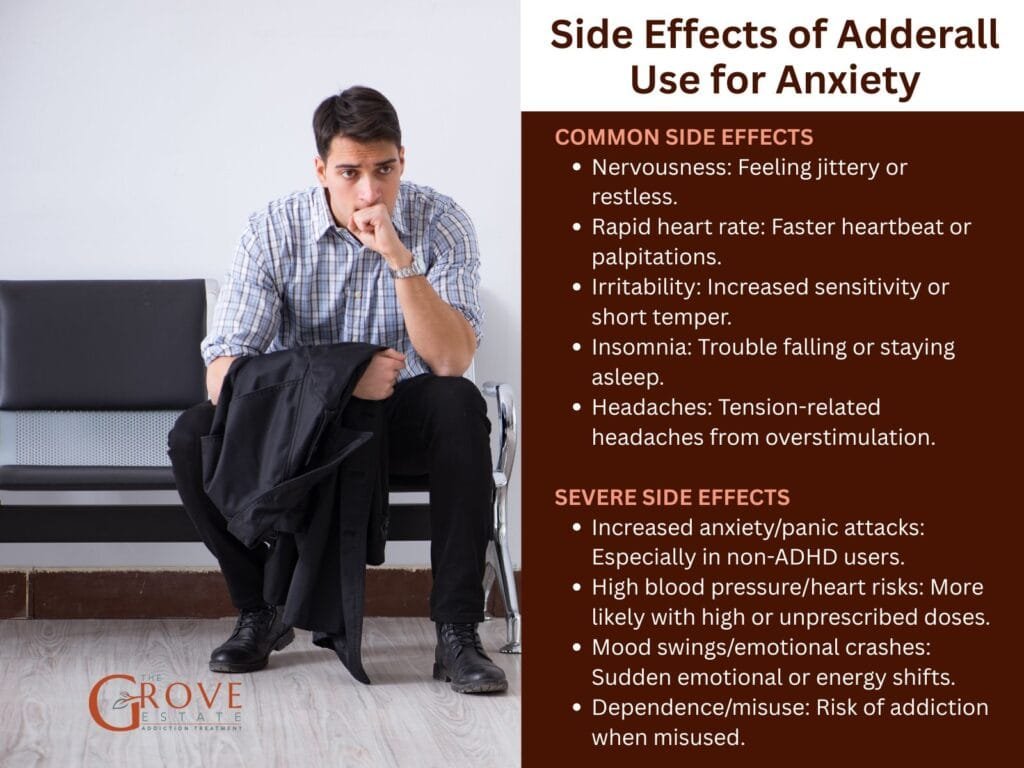
As mental health disorders continue to rise globally, the search for effective treatments intensifies. According to the National Institute of Mental Health, approximately 20.6% of adults in the U.S. experience mental illness each year. Among medications prescribed, Adderall, a stimulant medication primarily used for Attention Deficit Hyperactivity Disorder (ADHD), has garnered attention for its potential effects on other mental health conditions, including anxiety and depression. While some anecdotal evidence suggests that individuals have found relief using Adderall to manage symptoms of anxiety and depression, the scientific consensus remains more cautious.
This article delves into the question: Does Adderall help with anxiety, depression, or ADHD? We will explore how this medication interacts with the brain, its established uses, and how it may impact those already struggling with mood disorders. The objective is to offer a comprehensive understanding of Adderall’s potential role in treating anxiety and depression—alongside its primary function of treating ADHD.
By understanding Adderall’s mechanisms, benefits, and drawbacks, readers will gain insights into whether this medication could be a viable option for managing their symptoms. This exploration is not only crucial for those diagnosed with ADHD but also for anyone coping with anxiety and depression—especially considering how intertwined these conditions can be.
Understanding Adderall and Its Primary Uses
Adderall is a brand name for a combination of two stimulants, amphetamine and dextroamphetamine, which are primarily used to treat ADHD. For individuals diagnosed with this condition, Adderall can help improve focus, attention, and impulse control. According to the American Psychiatric Association, stimulants like Adderall are the most commonly prescribed medications for ADHD, often leading to significant improvements in functioning.
The mechanism by which Adderall works involves increasing the levels of neurotransmitters in the brain, specifically dopamine and norepinephrine. Dopamine is crucial for pleasure, reward, and motivation, while norepinephrine plays a key role in focus and attention. This dual action enhances overall cognitive function in individuals with ADHD, allowing for better task completion and less distraction.
However, while Adderall’s efficacy in managing ADHD is well-documented, the conversation surrounding its impact on anxiety and depression is significantly more complex. Some individuals using Adderall report improved mood and decreased anxiety, but these claims often lack robust scientific backing. This raises important questions about the reliability of such anecdotal evidence and whether it warrants broader clinical application.
Adderall and Anxiety: A Complicated Relationship
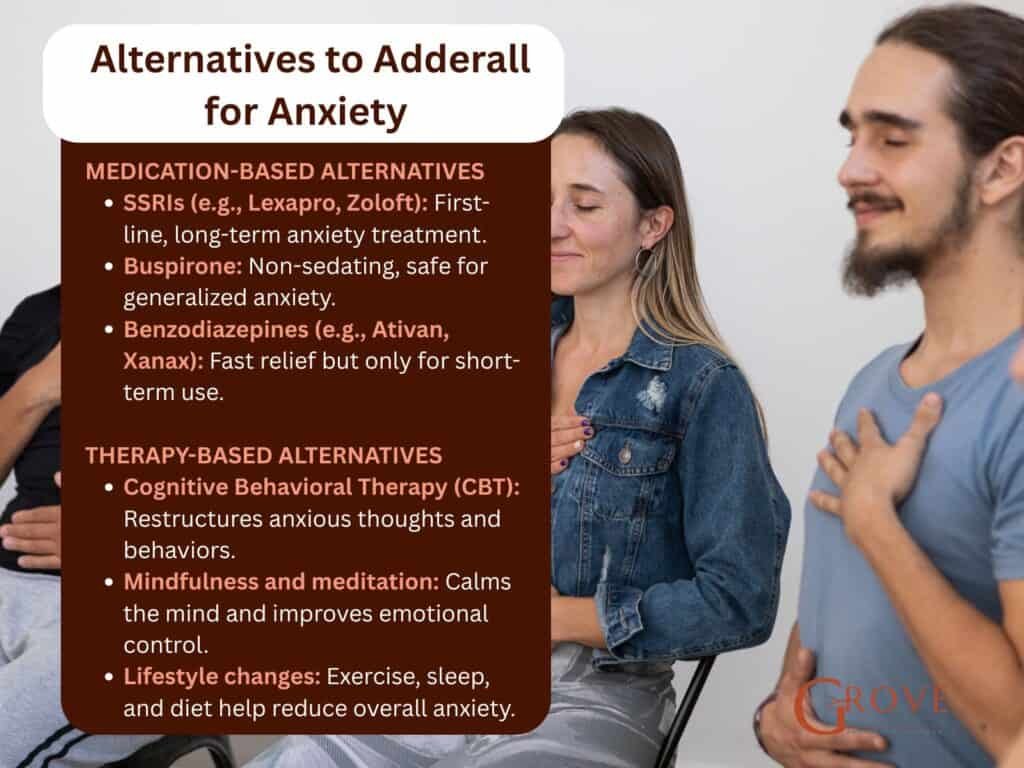
Anxiety disorders are among the most prevalent mental health conditions, affecting millions of people worldwide. The relationship between Adderall and anxiety is intricate. While the medication is not explicitly approved for treating anxiety disorders, individuals with pre-existing ADHD often experience anxiety related to their symptoms of inattention and impulsivity. Adderall may help alleviate some of these anxiety-inducing symptoms by improving concentration and reducing distraction.
Conversely, non-ADHD individuals or those with underlying anxiety disorders may find that taking Adderall exacerbates their symptoms. Research indicates that stimulants can increase feelings of anxiety and restlessness in some people. This side effect may stem from the way stimulants amplify nervous system activity, which could potentially lead to an increased perception of anxiety symptoms.
According to studies, there is no substantial evidence that Adderall effectively treats anxiety disorders. The American Society of Addiction Medicine warns that using Adderall when anxiety is a significant concern may lead to unwanted psychological effects, including heightened anxiety, irritability, and mood swings. Thus, while Adderall may momentarily alleviate distractions linked to ADHD, it can indeed worsen anxiety for individuals not diagnosed with ADHD.
Does Adderall Help with Social Anxiety?
Social anxiety disorder, characterized by intense fear in social situations, presents another layer to the conversation surrounding Adderall and anxiety. Some individuals report that stimulants give them the confidence to engage in social settings. However, the underlying anxiety associated with social situations may not improve with Adderall use and could even worsen due to stimulant-related side effects such as increased heart rate and heightened nervousness.
Clinical guidelines do not recommend using Adderall as a treatment for social anxiety disorder due to the potential for exacerbating symptoms. Cognitive Behavioral Therapy (CBT) and selective serotonin reuptake inhibitors (SSRIs) are typically preferred choices among healthcare professionals for managing social anxiety. In instances where ADHD and social anxiety co-occur, close monitoring and a carefully balanced treatment plan are advisable.
Ultimately, the effectiveness of Adderall for social anxiety may be subjective and varies significantly from person to person. Mental health professionals strongly advise discussing all treatment options comprehensively and evaluating the potential risks and rewards of introducing a stimulant into a treatment regimen aimed at alleviating anxiety.
Adderall and Depression: Can It Help?
Depression is another mental health challenge that complicates the question of whether Adderall can provide benefits beyond its primary indication for ADHD. While stimulating medications may provide temporary relief from certain depressive symptoms, Adderall is not a standardized treatment for depression. In cases where depression coexists with ADHD, treating the latter can sometimes fortify mood through improved focus and productivity.
It is crucial to note that while some individuals may experience mood improvements while taking Adderall, the medication is generally not regarded as a treatment for depression alone. The **American Psychiatric Association** notes that amphetamines may not meet the safety and efficacy benchmarks required for first-line depression treatments. As such, Adderall usage should be approached cautiously in patients with coexisting ADHD and depression.
Furthermore, long-term adherence to Adderall for depression is fraught with risks, including potential dependency. Users may develop tolerance to the medication’s effects, leading to increased dosage and subsequent withdrawal symptoms when not using the medication. These risks underscore the importance of seeking evidence-based treatments, such as SSRIs or psychotherapy, as first-line options for managing depression.
Does Adderall Help with Mood Swings?
Considering that mood swings can be a characteristic of various mood disorders, understanding whether Adderall can mitigate them is particularly important. While some individuals with ADHD may find reduction in mood swings due to improved organization and focus, others may experience exacerbated mood instability as a side effect of stimulant use. In fact, studies have shown that stimulants can contribute to emotional dysregulation in sensitive individuals, particularly when dosage is not appropriately managed.
Moreover, for individuals diagnosed with bipolar disorder, stimulants may trigger manic or mixed episodes, further complicating their mood regulation. Clinicians typically advocate caution when prescribing Adderall to patients with any history of mood instability. Instead, mood stabilizers, antidepressants, or psychotherapy may be recommended as safer alternatives.
Encouragingly, therapy and lifestyle modifications involving stress management and mindfulness practices can provide effective and holistic management of mood swings without the risks associated with stimulant medications.
The Impact of Adderall on Cognitive Functions: Memory and Focus
Adderall’s primary purpose is to enhance focus and cognitive function, particularly for individuals with ADHD. By increasing dopamine and norepinephrine levels, the medication can facilitate better memory retention, focus, and task completion. Scientific reviews underscore the benefits of Adderall in cognitive tasks, where inhibition and cognitive control play crucial roles, especially in ADHD populations.
However, the cognitive enhancement seen in individuals without ADHD may not have the same efficacy and can potentially lead to overreliance on the medication. Experimental studies highlight that while healthy individuals may show short-term increases in focus and wakefulness, these gains may not translate to improved cognitive performance in the long run.
Concern arises regarding the recreational use of Adderall amongst students and professionals seeking cognitive enhancement. This pursuit of improvement can mask underlying issues of anxiety, stress, and depression, ultimately leading to more significant health problems. Thus, while Adderall can assist in cognitive augmentation, it is essential to approach its use with caution and be mindful of the mental health implications.
Potential Risks and Side Effects of Adderall
Like any medication, Adderall comes with a set of potential risks and side effects. When considering its use for anxiety or depression, it becomes crucial to understand these implications. Frequent side effects of Adderall may include insomnia, restlessness, dry mouth, and decreased appetite. In some patients, these effects can pave the way for exacerbated anxiety and restlessness.
More concerning are the serious side effects that can occur, including cardiovascular problems such as increased heart rate and elevated blood pressure. For individuals with pre-existing heart conditions, the stimulatory nature of Adderall may pose an elevated risk. Additionally, the potential for addiction or abuse remains a primary concern; Adderall is classified as a Schedule II controlled substance due to its potential for dependency.
When navigating these risks, it is paramount that individuals explore all facets of a comprehensive treatment plan for their mental health. Weighing the advantages of symptom management against potential adverse effects is essential, particularly as professionals advise on the appropriateness of using Adderall in individuals with solely anxiety or depression.
What Other Treatments are Available?
When evaluating management options for anxiety, depression, and ADHD, it is vital to consider a spectrum of treatments. For anxiety, cognitive-behavioral therapy (CBT) and SSRIs serve as primary treatments, offering long-term benefits without many of the risks associated with stimulant medications like Adderall. Effective treatment regimens might also include mindfulness practices, exercise, and lifestyle modifications.
For depression, a multipronged approach often includes psychotherapy, antidepressants such as SSRIs or SNRIs, or even mood stabilizers in cases where bipolar disorder is a consideration. These treatments have a more solid foundation in evidence-based medicine compared to using Adderall alone for depression.
For individuals diagnosed with ADHD, behavioral therapies and educational interventions alongside medications like Adderall or other non-stimulants may render better outcomes. Individualizing treatment plans and regularly assessing progress can help address specific symptoms effectively while minimizing potential risks associated with medications.
FAQs Regarding Adderall and Mental Health
Can Adderall help with depression?
While some individuals may report temporary mood improvements while taking Adderall, it is not considered a first-line treatment for depression. The medication is primarily designed to treat ADHD, and its potential mood-boosting effects in individuals without ADHD may be short-lived and accompanied by significant risks. Proper treatment for depression typically involves evidence-based approaches such as psychotherapy and specialized antidepressants.
Does Adderall help with social anxiety?
Adderall is not recommended for social anxiety disorder as it may exacerbate anxiety symptoms for those not diagnosed with ADHD. While some report feeling more confident under stimulant effects, overstimulation can counteract any perceived benefits, potentially leading to increased anxiety. Healthcare professionals usually advise exploring alternative treatments, such as CBT or SSRIs, tailored for anxiety management.
Is it possible to become dependent on Adderall?
Yes, Adderall has the potential for dependency, particularly when misused or taken without a prescription. It is classified as a Schedule II controlled substance, indicating a high potential for abuse and addiction. To mitigate these risks, it’s crucial to follow healthcare providers’ prescriptions closely and not exceed recommended dosages.
What are the risks of taking Adderall without ADHD?
Taking Adderall without a diagnosis of ADHD can lead to several risks, including increased anxiety, mood swings, and a higher likelihood of cardiovascular issues. Additionally, misuse can lead to dependency, severe side effects, and negative cognitive effects. Patients with underlying anxiety or mood disorders should be especially cautious of using stimulant medications like Adderall.
What is the best way to manage ADHD?
Effective management of ADHD typically combines a personalized approach that includes behavioral therapies, lifestyle changes, and appropriate medication. Non-stimulant medications may be recommended for those with anxiety or mood disorders. A holistic plan complemented by regular follow-ups with healthcare professionals can help maximize the benefits while minimizing potential risks.
Does Adderall improve memory?
Adderall may enhance memory performance temporarily, particularly among individuals with ADHD, as improved focus and concentration facilitate better retention of information. However, the long-term effectiveness and cognitive enhancement are not well established in healthy individuals. Over-reliance on Adderall for memory improvement can lead to potential negative ramifications on mental health.
Conclusion: Navigating the Complexities of Adderall Use
The answer to whether Adderall helps with anxiety, depression, or ADHD is complex and multifaceted. While it is an effective treatment for ADHD, its impact on anxiety and depression is nuanced and warrants caution. For individuals diagnosed with ADHD experiencing comorbid anxiety or depression, Adderall might provide temporary relief but is not a reliable solution for mood disorders alone.
As we continue to observe rising rates of mental health disorders, it becomes imperative to adopt a comprehensive treatment approach that prioritizes evidence-based practices. Psychotherapy, tailored medications, and lifestyle interventions serve as foundational tools in managing mental health. With an understanding of the risks associated with stimulant medications, including Adderall, patients are better equipped to make informed decisions about their treatment paths.
Ultimately, it is crucial for individuals to engage in open conversations with their healthcare providers about their symptoms and treatment options. Collaborative partnerships will foster the most effective outcomes, allowing individuals to navigate their mental health challenges safely and successfully.
