🏠 Stay at home! 25% discount on all medicines


Does Adderall Affect Sleep or Cause Tiredness? Understanding the Impact

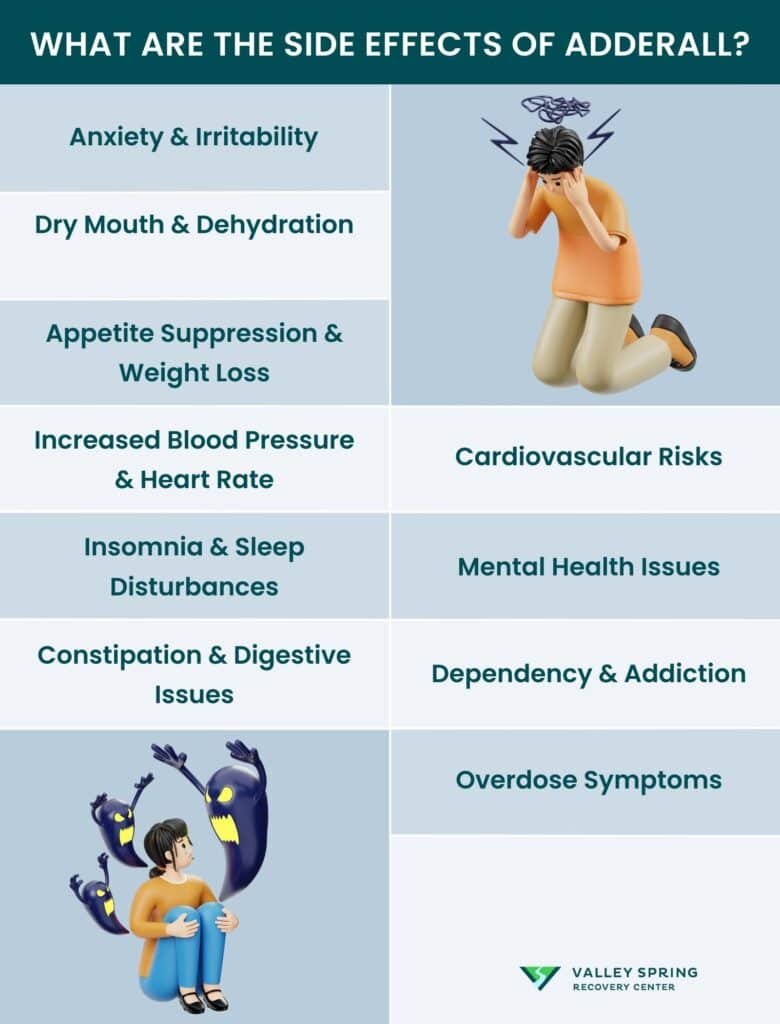
Adderall, a stimulant medication commonly prescribed for attention deficit hyperactivity disorder (ADHD), has gained notoriety for its effectiveness in enhancing focus and concentration. However, how does this stimulant affect sleep quality, and could it potentially cause increased feelings of tiredness? According to various studies and patient reports, the connection between Adderall and sleep disturbances is complex and multifaceted.
Research indicates that while stimulants like Adderall can heighten alertness, their use can also lead to unintended consequences, including sleep issues. For many users, the experience of increased fatigue or difficulty sleeping may seem counterintuitive, given the drug’s stimulating properties. In fact, nearly 6% of adults report experiencing tiredness while under treatment with Adderall, as opposed to the common expectation of heightened energy levels.
This article aims to dissect the relationship between Adderall and sleep, exploring its pharmacological effects, how these can disrupt sleep patterns, and what individuals can do to mitigate feelings of fatigue. By understanding the mechanisms at play, patients and their caregivers can better navigate the challenges posed by this powerful medication.
Understanding Adderall’s Pharmacology and Its Effects
Adderall is a combination of amphetamine salts that work to increase the levels of neurotransmitters like dopamine and norepinephrine in the brain. These chemicals play critical roles in attention and focus, which is particularly beneficial for those with ADHD. However, the dosage and timing of Adderall administration can also dictate how the body responds in terms of sleep and wakefulness.
Stimulants like Adderall enhance alertness and energy by keeping individuals awake, which raises an important question: if Adderall increases wakefulness during the day, why do some individuals experience fatigue or sleepiness? One prevailing theory suggests that the body’s response to stimulants can vary significantly among individuals, influenced by factors such as dosage, individual metabolism, and timing of medication intake.
Moreover, the way in which Adderall alters brain chemistry can lead to complications concerning sleep cycles. When Adderall is taken, it not only enhances wakefulness but also tends to shorten rapid eye movement (REM) sleep. This reduction can result in feelings of tiredness or lethargy during daytime hours, as a fulfilling restorative sleep cycle is integral for optimal functioning.
What is REM Sleep and Why is It Important?
Rapid eye movement (REM) sleep is one of the critical stages of the sleep cycle, during which most vivid dreaming occurs and the brain consolidates memories. It plays an essential role in emotional well-being, cognitive function, and overall health. Disruptions to REM sleep can lead to a decrease in creative problem-solving abilities and mood disturbances.
The relationship between Adderall and REM sleep is particularly poignant. Studies have shown that users often report fewer hours of restorative sleep, leading to difficulties such as fatigue, irritability, and impaired focus. This case is exemplified by individuals who take Adderall late in the day, which can create a cycle of cramming for projects but ultimately at the cost of quality sleep.
How Might Adderall Lead to Tiredness?
Despite its use as a stimulant, there are several mechanisms through which Adderall may contribute to feelings of fatigue. One significant factor is the concept of rebound fatigue, which occurs after the effects of the medication begin to wane. The energy boost provided by Adderall can be followed by a crash once its stimulant effects diminish.
Furthermore, dose dependency can also play a role. A higher dose may increase feelings of anxiety or jitteriness, which can paradoxically contribute to fatigue as the body struggles to adjust to the elevated stimulation. Additionally, chronic use or misuse can lead to tolerance, necessitating higher doses to achieve the same stimulating effects, complicating individuals’ experiences further.
How Adderall Affects Sleep Patterns

The use of Adderall can lead to a host of changes in an individual’s sleep patterns. Many users report that taking Adderall can make falling asleep difficult, primarily when the medication is taken in the afternoon or evening. This is due to Adderall’s half-life, which can vary from 9 to 14 hours, meaning its stimulating effects may still be present during sleep time.
Moreover, the timing of doses plays a significant role in how well individuals can maintain consistent sleeping patterns. For some, adjusting dosage times to earlier in the day can yield better sleep outcomes. In contrast, others may practice careful management of their diet and exercise schedules to enhance their sleep quality while on Adderall.
Can Adderall Cause Sleep Disorders?
Many people who take Adderall may face sleep disorders that arise from its stimulating effects. Conditions such as insomnia, delayed sleep phase syndrome, and hypersomnia can manifest in users. Individuals may find themselves awake for extended hours after taking Adderall, struggling to both initiate and maintain sleep due to the increased levels of alertness and anxiety that the medication can produce.
Insomnia, a sleep disorder that makes it difficult to fall and stay asleep, has been documented in many Adderall users. Moreover, some may experience disruption in their circadian rhythm, leading to irregular sleep-wake patterns that can leave them feeling fatigued and lethargic the following day.
Factors Influencing Sleep Quality While Taking Adderall
Several factors can contribute to how Adderall affects sleep quality. These include the timing of medication, personal tolerance levels, and lifestyle choices such as caffeine intake, diet, and stress management. Understanding these dynamics can provide insight into personal experiences with Adderall and offering avenues for improvement in sleep quality.
When combined with a lifestyle that includes excessive caffeine or other stimulants, Adderall’s side effects can exacerbate sleep issues. Users are often encouraged to monitor their overall intake of stimulants to ensure they do not compound Adderall’s effects. Additionally, stress and anxiety can significantly interfere with sleep quality, requiring relaxation techniques or coping strategies to help mitigate these challenges.
Managing Tiredness While on Adderall
Effectively managing any feelings of tiredness while on Adderall requires a holistic approach that addresses multiple factors. Key strategies can include optimizing the timing of medication, making adjustments in lifestyle, and incorporating mindfulness practices to help enhance focus and sleep quality.
One fundamental practice that patients may find beneficial is adhering strictly to a prescribed dosage schedule. This means taking Adderall early in the day to reduce the chance of it interfering with sleep. Patients should consult with their healthcare providers to tailor their dosing regimen to suit their unique needs and lifestyles.
Adjusting Meal Times and Caffeine Intake
Meal timing may also play a substantial role in managing tiredness while on Adderall. Ensuring regular meals that coincide with the medication schedule can optimize energy levels. Avoiding heavy or rich foods close to medication intake can also help manage sluggishness and prevent adverse interactions.
Maintaining a balance in caffeine consumption is equally essential; excessive caffeine can magnify Adderall’s stimulating effects, exacerbating sleep disturbances. Conversely, small amounts may be beneficial, provided they are consumed prudently.
The Role of Mindfulness and Stress Reduction
Engaging in mindfulness practices, such as yoga or meditation, can help reduce the impact of both stimulant use and any sleep disturbances. Stress is often a significant contributor to feelings of fatigue; therefore, taking proactive steps to manage stress through relaxation techniques can pave the way for better rest and rejuvenation.
Is Everyone Affected by Adderall in the Same Way?
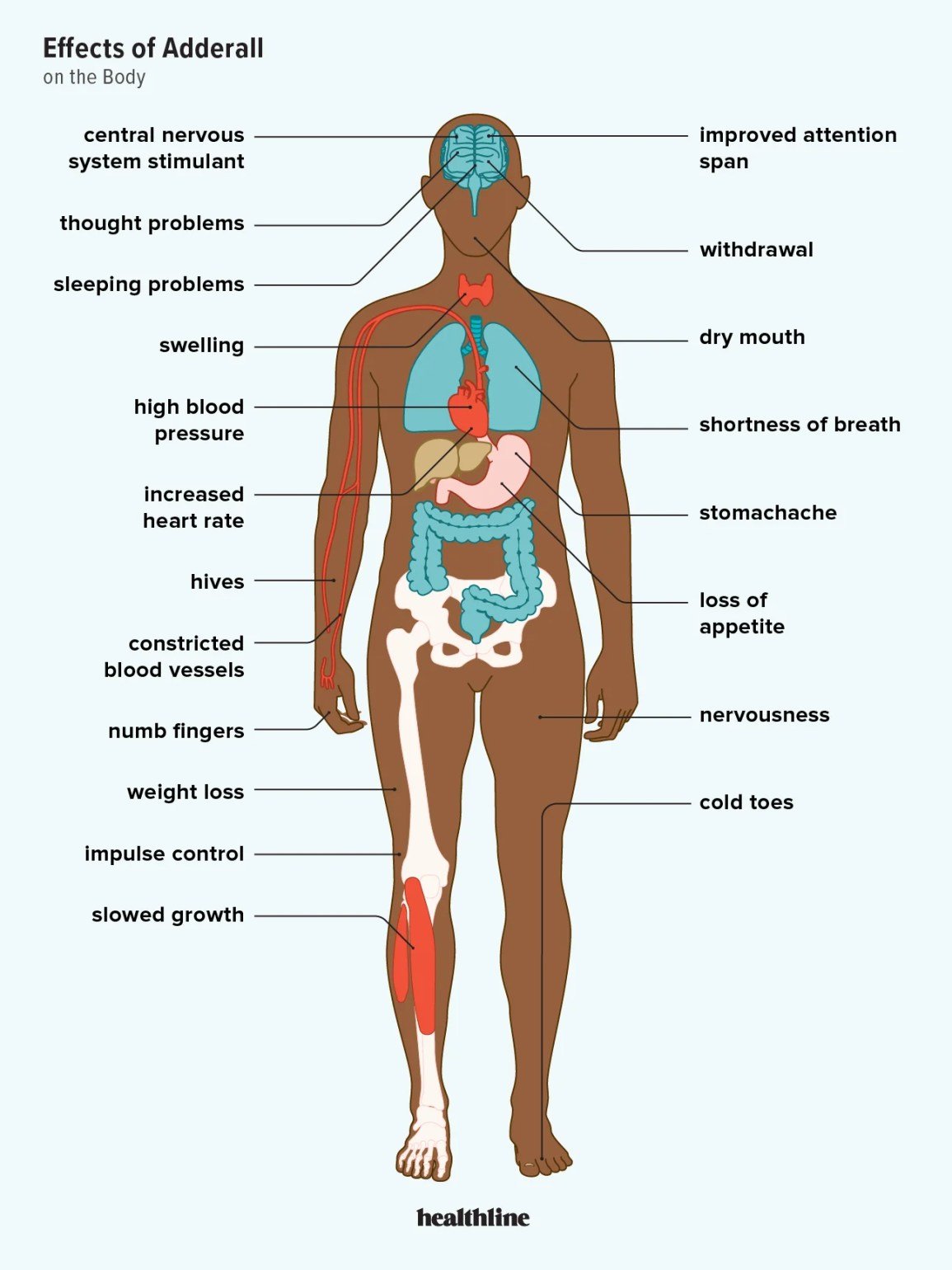
Individual responses to Adderall can vary significantly. While many individuals experience increased energy levels and enhanced focus, others may find themselves combating fatigue as a side effect. Research suggests that genetic predispositions may influence how one metabolizes the drug, making some individuals more prone to tiredness.
Understanding personal tolerances and how one’s body responds to Adderall is crucial for effective management. Monitoring symptoms and keeping an open line of communication with healthcare providers can help individuals refine their approach to medication use.
Why Do Stimulants Make Some People Sleepy?
Some people may find that even though stimulants are designed to promote alertness, they can lead to increased sleepiness. This paradox can be attributed to several factors such as body chemistry, mental fatigue, or overstimulation. For instance, those with dysregulation in their neurochemistry may find it challenging to maintain focus or clarity when using stimulants, leading to weariness and fatigue.
Moreover, some individuals suffer from what is known as ‘medication wear-off,’ where the stimulating effects fade, resulting in signs of fatigue. Such rebound symptoms can be common, causing users to question whether their dose is too low or too high.
When Should You Consult a Doctor?
For anyone utilizing Adderall who experiences persistent tiredness or other troublesome side effects, consulting with a healthcare provider is essential. Reevaluation of the dosing schedule or an assessment of concurrent medications could reveal underlying issues or interactions contributing to excessive fatigue.
In some cases, doctors may recommend alternative medications or adjunct therapies that can mitigate side effects. Finally, it’s crucial to report changes in symptoms promptly; this enables practitioners to adapt treatment plans effectively, ensuring the patient’s health and well-being remain a priority.
Frequently Asked Questions
Does Adderall affect everyone the same way?
No, Adderall can affect individuals differently based on various factors, including metabolism, tolerance levels, body weight, and genetic predispositions. While some might experience enhanced focus and energy, others may face fatigue and tiredness.
If Adderall makes me sleepy, should I take a higher dose?
Not necessarily. If you experience sleepiness on Adderall, adjusting dosage may not be the right approach. It’s important to consult a healthcare provider before making changes to medication doses, as it may involve balancing other aspects of treatment.
Can Adderall help improve sleep disorders?
Adderall is not designed to treat sleep disorders and can actually exacerbate sleeping issues for individuals with conditions like insomnia. If you are experiencing sleep difficulties while on Adderall, consult your healthcare provider for personalized recommendations.
Can I take Adderall at night for better focus?
Taking Adderall at night is generally not recommended, as its stimulating effects can interfere with sleep onset and duration. It’s best to follow a prescribed schedule that aligns with promoting adequate rest.
What should I do if I feel tired during the day while taking Adderall?
If you experience daytime fatigue while taking Adderall, evaluate your medication timing, lifestyle habits, and stress levels. Consulting a healthcare provider for personalized adjustments may help you manage tiredness effectively.
Is it common to have a hard time falling asleep while on Adderall?
Yes, many Adderall users report difficulties falling asleep, particularly if the medication is taken later in the day. Symptoms of insomnia, restlessness, and interrupted sleep cycles are not uncommon with stimulant use.
Can dietary choices impact how Adderall affects me?
Absolutely! Diet plays an essential role in overall health and may impact how you feel on Adderall. Consuming a balanced diet and considering timing for meals can help mitigate tiredness and optimize medication effects.
Conclusion
Adderall is a powerful medication that has proven invaluable for individuals with ADHD; yet, the challenge it poses concerning sleep quality and daytime fatigue cannot be overlooked. Understanding the drug’s influence on brain chemistry and sleep cycles is crucial in managing its side effects effectively. By addressing individual responses, adjusting lifestyle choices, and fostering open communication with healthcare providers, individuals can optimize their experiences on Adderall.
While some users may find themselves battling tiredness despite taking a medication intended to enhance alertness, this article reinforces that management strategies are available. Establishing a comprehensive approach to lifestyle factors, therapy, and treatment adjustments can significantly improve the quality of life for those using Adderall.
As with any medication, always remain vigilant about your body’s responses and consult with healthcare professionals to ensure that your treatment plan aligns with your overall health goals. With conscientious effort and support, it is possible to harness the benefits of Adderall while minimizing its side effects.
