🏠 Stay at home! 25% discount on all medicines


Understanding Ativan Side Effects: What You Need to Know

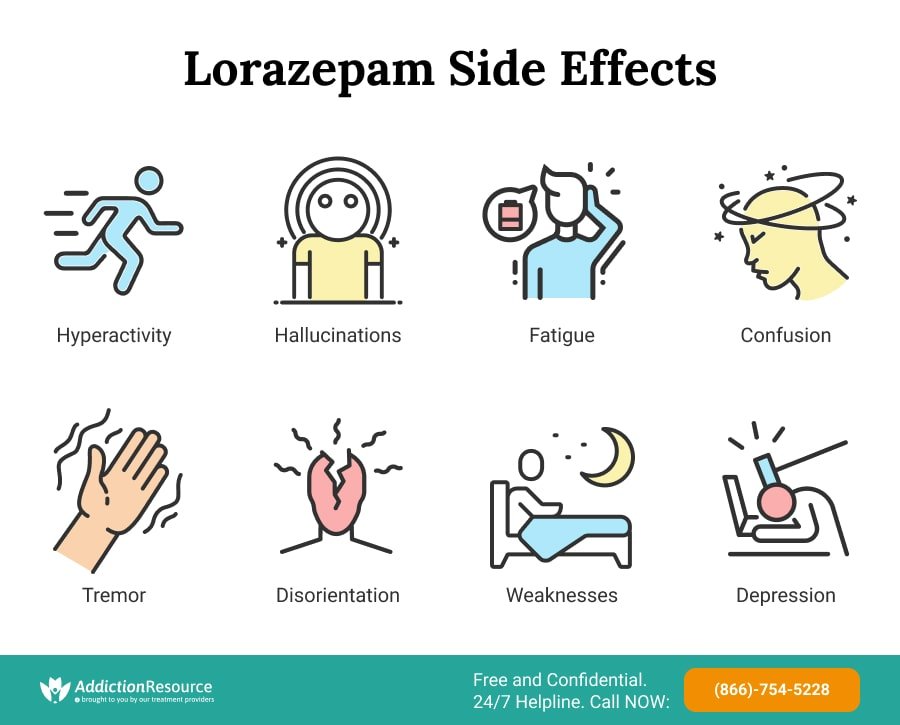
Ativan, the brand name for lorazepam, is a medication commonly prescribed for the treatment of anxiety disorders. According to the National Institute of Mental Health, anxiety disorders are among the most prevalent mental health conditions in the United States, affecting millions of adults each year. While Ativan is indeed effective in helping to alleviate anxiety symptoms, it is essential for users to be aware of the potential side effects associated with this medication.
In the landscape of anxiety treatment, benzodiazepines like Ativan play a crucial role. However, they carry a risk of dependency and a range of side effects that can impact an individual’s quality of life. Understanding these side effects is vital for anyone considering this medication or currently taking it. This article delves into the common and severe side effects of Ativan, shedding light on what patients should anticipate and when they might need to seek medical advice.
Through an in-depth examination of clinical data alongside user experiences, we aim to provide a comprehensive overview of Ativan’s side effects. By the end of this article, readers will have a clearer understanding of the risks associated with Ativan use, enabling informed discussions with healthcare providers about their treatment options.
Common Side Effects of Ativan
When taking Ativan, users may experience a variety of common side effects, many of which are consistent with the pharmacological profile of benzodiazepines. One of the most frequently reported side effects is drowsiness, leading to significant fatigue and a diminished ability to perform tasks requiring alertness. As a result, individuals are strongly advised against operating heavy machinery or engaging in activities that require full cognitive function until they understand how the medication affects them.
Other common side effects include dizziness and muscle weakness. These symptoms can further complicate daily activities and should be monitored closely. Often, users may find that the initial dose of Ativan can lead to these issues, which might fade with subsequent dosages as the body adjusts. However, even small doses can prompt these reactions in some individuals, which underscores the importance of a careful and personalized approach to dosing.
Coordination issues are also frequently reported among Ativan users. This ataxia can lead to harmless clumsiness for some, while it may become more serious for others, leading to falls or injuries, especially in the elderly population. As a class of medications known to produce sedation, benzodiazepines often require vigilant observation by caregivers, particularly when elderly patients are involved.
How Long Do Common Side Effects Last?
For most users, common side effects such as drowsiness and dizziness are typically temporary, often peaking within the first days of treatment. This duration can vary based on individual metabolic rates and the dosage of Ativan prescribed. Generally, many individuals report a decrease in these side effects after a week as their bodies acclimatize to the medication.
However, for some individuals, especially those with preexisting conditions or who are on multiple medications, these side effects may persist for a longer duration. Regular follow-ups with healthcare providers are critical during the initial phase of treatment to assess the persistence of symptoms and review the therapeutic regimen.
As side effects fluctuate in intensity, patients often report varying experiences. Some may integrate new coping strategies to manage symptoms, while others might require dosage adjustments. Recognizing when side effects are diminishing can also be a benchmark for gauging the effectiveness of the treatment regime.
Severe Side Effects of Ativan

While many individuals can tolerate Ativan without severe complications, there are potential serious side effects that must not be overlooked. One of the most concerning issues with Ativan is respiratory depression. Particularly at higher doses, or when taken in conjunction with other central nervous system depressants, Ativan can significantly impair breathing. This risk heightens in particular populations, such as those with preexisting respiratory conditions or among older adults.
Another troubling potential side effect is the onset of depression and mood swings. There is growing evidence that lorazepam can induce a depressive episode in susceptible individuals, which can complicate the very conditions that the drug is intended to treat. Mood swings can manifest unpredictably and may escalate to a point where the user requires additional psychological support or a reevaluation of their treatment plan.
In severe instances, paradoxical reactions can occur, leading individuals to experience heightened anxiety, aggression, or agitation, rather than relief. These reactions may be particularly alarming and require immediate medical intervention, often necessitating a reevaluation of the appropriateness of Ativan as a treatment.
Who is at Higher Risk for Severe Side Effects?
Individuals who take Ativan concomitantly with other medications, especially those that affect the central nervous system, are at a higher risk of experiencing severe side effects. This includes patients using opioids, certain antidepressants, and antipsychotic medications. The synergistic effect of these substances can intensify side effects to a dangerous level.
Additionally, the elderly population is notably more susceptible to severe side effects from Ativan due to age-related physiological changes that affect drug metabolism and clearance. Not only do they tend to have a higher incidence of comorbidities, but they may also be more likely to take multiple medications, increasing the chances of adverse interactions.
Pregnant and breastfeeding women should also exercise caution when considering Ativan. The drug is classified under category D by the FDA, indicating that it may pose risks to the fetus. For these groups, alternative treatment modalities should be tightly discussed with a healthcare provider.
Ativan Use in Elderly Patients
The use of Ativan in elderly patients warrants special attention due to the risk of side effects and complications. Research from various medical journals indicates that older adults often experience an increased sensitivity to benzodiazepines, which can lead to more pronounced side effects such as falls, cognitive impairment, and protracted sedation.
Furthermore, the elderly are at risk for cognitive decline when using Ativan over a prolonged period. This raises significant concerns about the long-term implications of continued treatment in this demographic. Studies have revealed a higher incidence of dementia-related symptoms in older patients regularly using benzodiazepines.
Given these factors, it’s critical for healthcare providers to tailor benzodiazepine prescriptions carefully for senior patients. Thorough geriatric assessments combined with continuous monitoring can help mitigate the negative effects and improve overall treatment experiences.
Managing Ativan Side Effects in the Elderly
To effectively manage side effects, healthcare providers often recommend starting with the lowest possible dose of Ativan and adjusting it gradually as needed. This conservative approach minimizes the risk for adverse reactions while identifying the most favorable dose for treatment effectiveness.
In conjunction with pharmacological strategies, non-pharmacological interventions, such as cognitive-behavioral therapy (CBT), can help older patients manage anxiety without the need for constant benzodiazepine use. Such therapies not only provide coping strategies but also serve to create a more holistic approach to mental health that may reduce reliance on medications.
Regular follow-ups also become imperative in managing the treatment effectively. This allows for timely adjustments to be made if adverse effects become prominent. Caregivers and family members should be encouraged to monitor changes in behavior and emotional well-being to provide additional insights into the patient’s response to Ativan.
Side Effects When Combining Ativan With Other Medications

One of the most significant concerns with Ativan is the potential for drug interactions. Combining Ativan with other CNS depressants, such as opioids or alcohol, can lead to dangerous interactions that not only heighten the risk of side effects but can also result in life-threatening conditions.
For instance, the combination of Ativan and alcohol can significantly hinder cognitive function and respiratory function, leading to scenarios of overdose or even death. This danger also exists when Ativan is taken in conjunction with narcotics prescribed for pain relief, highlighting the necessity for comprehensive medication reviews.
Additionally, it’s crucial for users to disclose all medications they are taking—including over-the-counter drugs and supplements—to their healthcare providers. This ensures a safer regimen and helps prevent potential adverse drug interactions before they occur.
What Should You Avoid While Taking Ativan?
To ensure safety while taking Ativan, users should avoid consuming alcohol as it can intensify side effects and increase the risk of overdose. Mixing Ativan with cannabinoids may also create complications, as both substances can lead to sedation and impaired judgment.
Users are also advised to be cautious with sedative-hypnotic medications, certain antidepressants, and especially opioid analgesics. Engaging with a healthcare provider about any medications being taken can mitigate risks associated with polypharmacy.
Patients should also be aware of driving or operating machinery until they have a clear understanding of how Ativan affects their abilities. Non-urgent tasks or responsibilities should be deferred until the effects of the medication can be determined.
Withdrawal Effects of Ativan
Ativan is known for providing quick relief of anxiety symptoms, but dependence can develop, particularly with long-term use. Withdrawal symptoms can range from mild to severe and can include anxiety, insomnia, tremors, muscle cramping, and in severe cases, seizures. The risk of experiencing withdrawal symptoms increases with the length of time the drug is taken and the dosage strength.
A critical aspect to address during treatment is creating a tapering plan when discontinuing Ativan. Abrupt cessation can lead to what is termed
