🏠 Stay at home! 25% discount on all medicines


Trazodone vs Ambien: A Comprehensive Guide to Sleep Aids

Sleep disorders are increasingly common, affecting millions worldwide. According to the American Sleep Association, approximately 30% of adults report symptoms of insomnia, while 10% suffer from chronic insomnia. For many, achieving a good night’s sleep is supported by sleep medications, among which Trazodone and Ambien are popular choices. Both medications are designed to promote sleep, but they operate in different ways and are suited to different types of sleep problems.
This comprehensive comparison of Trazodone and Ambien aims to illuminate the strengths and weaknesses of each, providing readers with the information needed to make informed decisions about their sleep health. In examining these medications, we will explore their uses, effectiveness, side effects, and more, to give you a clearer understanding of which may be more advantageous for your sleep needs.
Understanding the nuances between Trazodone and Ambien is essential, particularly for those suffering from insomnia or other sleep-related disorders. With this detailed guide, you’ll learn not only about their specific mechanisms of action but also their broader implications for mental and physical health. Let’s delve deeper into the critical aspects of these two sleep aids and see what sets them apart.
Trazodone vs Ambien: A Pharmacological Overview
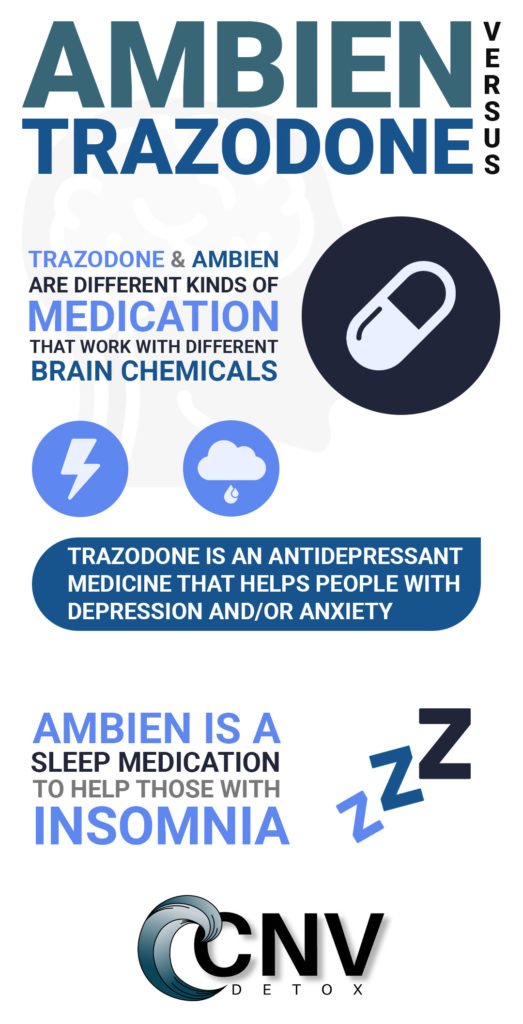
Trazodone and Ambien (Zolpidem) are both medications used to treat sleep disorders, but they belong to different classes of drugs and operate differently in the body. Understanding their pharmacology is key to appreciating how they affect sleep.
Trazodone is classified as a serotonin antagonist and reuptake inhibitor (SARI). Originally developed as an antidepressant, its sedative effects became apparent, making it a common off-label treatment for insomnia. It works by increasing serotonin levels in the brain, which plays a pivotal role in regulating sleep cycles. Due to its longer half-life, Trazodone is often characterized by a gradual onset of action, making it more suitable for individuals who suffer from sleep maintenance issues.
In contrast, Ambien is a sedative belonging to the non-benzodiazepine class of medications. It specifically targets GABA (gamma-aminobutyric acid) receptors in the central nervous system, producing rapid sedation. This effect typically occurs within 15 to 30 minutes after ingestion, making Ambien an ideal choice for those needing immediate intervention for sleep initiation difficulties.
How Do Trazodone and Ambien Work?
The primary mechanism of action for Trazodone centers on enhancing serotonin transmission by blocking its reuptake. It also acts as an antagonist at certain serotonin receptors, contributing to its sedative effects. This dual action aids individuals struggling with both depression and insomnia, as it addresses deeper underlying issues while promoting sleep.
Ambien, on the other hand, works primarily by activating GABA receptors, inhibiting neuronal excitability, and promoting relaxation and drowsiness. The rapid onset of action makes it suitable for short-term insomnia and is often prescribed for individuals experiencing acute sleep disturbances. However, reliance on Ambien can lead to tolerance and, subsequently, dependence, as with any medication affecting neurotransmitter systems.
Use Cases: Who Should Take Each Medication?
Trazodone is often recommended for individuals experiencing chronic insomnia, particularly when it’s associated with other conditions like depression or anxiety. Since it works more gradually, it tends to fit well with patients needing longer-term sleep support rather than a quick fix.
In contrast, Ambien is typically prescribed for short-term treatment of insomnia. It’s particularly beneficial for those who need immediate relief from stress or pressures affecting their ability to fall asleep. Physicians are cautious with long-term prescriptions due to the potential for dependence and tolerance, which can complicate the treatment of insomnia.
Comparative Analysis of Trazodone and Ambien
While Trazodone and Ambien both assist in promoting sleep, their differences extend beyond their mechanisms of action. Here, we will evaluate their effectiveness, onset times, side effects, and potential long-term implications.
Effectiveness can be subjective and varies significantly between individuals. Trazodone has garnered a reputation among many users as an effective long-term sleep aid, especially for those with co-occurring mood disorders. According to various studies, over 60% of patients report improved sleep quality when treated with Trazodone. It excels in aiding sleep maintenance, minimizing nighttime awakenings.
Ambien’s effectiveness is evident in its rapid action, providing immediate relief for those struggling to fall asleep. Clinical trials consistently show that Ambien can reduce the time taken to fall asleep significantly. However, while it can help with sleep initiation, it does not protect against sleep fragmentation throughout the night.
Side Effects and Risks of Trazodone and Ambien
Side effects are an essential consideration when evaluating sleep aids. Trazodone’s side effects may include dizziness, dry mouth, drowsiness, and, in some cases, priapism (a painful and prolonged erection). Some users also report experiencing vivid dreams or nightmares, which could disrupt sleep quality.
Ambien users often experience more severe side effects, including dizziness, daytime drowsiness, memory lapses, and potential sleepwalking episodes. Reports of complex sleep behaviors have raised concerns over Ambien’s safety, particularly its association with unusual behaviors while in a trance-like state. These side effects can lead to actual physical harm and are reasons why medical professionals often exercise caution when prescribing Ambien.
Long-Term Use: Implications for Health
The long-term use of Trazodone is generally considered safer than that of Ambien. While Trazodone may pose risks associated with tolerance and dependency, these occurrences are less frequent among users when compared to Ambien. The gradual onset and offset of Trazodone provide a sense of stability and routine for chronic insomnia sufferers.
On the contrary, the reliance on Ambien can lead to increased doses over time due to tolerance. Patients may find themselves needing to take larger doses to achieve the same sedative effects, which can spiral into a dangerous cycle of dependence. Moreover, stopping Ambien abruptly after long-term use can result in withdrawal symptoms, necessitating careful management.
Understanding User Experiences and Reports
Many people have turned to online forums to discuss their experiences with Trazodone and Ambien. Platforms like Reddit and various health-focused communities provide insight into how these medications perform from the user’s perspective. User-generated reports can help demystify the subjective nature of sleep aids.
Discussions on Reddit have revealed that some individuals prefer Trazodone for its milder side-effect profile and effectiveness in promoting restorative sleep cycles. Users often describe their experiences as less disruptive compared to Ambien, wherein many reported feeling “hungover” the next day due to residual drowsiness.
Conversely, those who favor Ambien highlight its rapid action, stating that it virtually eliminates the struggle to fall asleep. However, many users also report experiences of complex sleep behaviors, such as binge eating or engaging in unique activities while under the influence of the drug without remembering them the next day.
Alternative Medications and Their Comparisons
While Trazodone and Ambien are two of the most commonly discussed medications for insomnia, there are various alternatives available. Medications such as Lunesta (Eszopiclone) and Restoril (Temazepam) are other options people may consider. Each of these alternatives carries unique benefits and risks, further complicating the decision on which is the best choice for a particular user.
Lunesta, like Ambien, is designed for short-term sleep aid. It presents a slightly longer half-life than Ambien, allowing for improved sleep maintenance. However, similar concerns regarding dependence and tolerance apply, necessitating individualized consideration when prescribing these medications.
Restoril, a benzodiazepine, is another popular choice but carries risks associated with dose dependency and withdrawal. Compared to both Trazodone and Ambien, Restoril offers rapid onset but has higher potential for abuse, making it a less favorable choice for chronic insomnia unless specifically indicated.
Choosing Between Trazodone, Ambien, and Alternatives
Individuals seeking treatment for sleep disorders often grapple with the decision of which medication to use. The ideal choice must consider individual circumstances, including the nature of the sleep issue, underlying health conditions, and potential drug interactions.
Monitoring by a healthcare professional is crucial for anyone considering treatment with either Trazodone or Ambien. This is particularly true for patients who have pre-existing conditions such as sleep apnea, history of substance use disorder, or mental health concerns. Personalized considerations guided by clinical recommendations can enhance the potential for improved sleep while minimizing risks.
FAQs: Trazodone vs Ambien
1. Can Trazodone and Ambien be taken together?
Merging two sedatives can increase the risk of side effects such as excessive drowsiness, confusion, or respiratory depression. Consult with a healthcare professional before combining these medications.
2. Is Trazodone stronger than Ambien for sleep?
Strength can be subjective. Trazodone may be more effective for long-term sleep issues, while Ambien provides quicker relief. Depending on individual needs, effectiveness can vary significantly.
3. Does Trazodone have fewer side effects than Ambien?
Generally, Trazodone has a milder side effect profile; however, some individuals may still experience adverse reactions. Ambien may result in more pronounced side effects, including complex sleep behaviors.
4. How long does it take for Trazodone and Ambien to work?
Trazodone typically takes 30-60 minutes to induce sleep, while Ambien works faster, often within 15-30 minutes. This difference can make a significant impact based on immediate sleep needs.
5. What should I do if I forget to take a dose of Trazodone or Ambien?
If you miss a dose, take it as soon as you remember, unless it’s almost time for your next dose. In that case, skip the missed dose and resume your regular schedule. Do not double doses.
6. Can I use natural sleep aids with Trazodone or Ambien?
Some natural sleep aids can interact with either medication, potentially worsening side effects or sedation. Always consult with a healthcare provider before combining medications with supplements.
7. How do I know which sleep aid is right for me?
Consulting with a healthcare provider is essential in determining the right sleep aid. Evaluating personal medical history, sleep patterns, and potential interactions will guide the best choice of medication.
Conclusion
The landscape of sleep aids is complex, and choosing between Trazodone and Ambien requires a good understanding of both medications. Trazodone may serve as a more suitable option for long-term management of insomnia, especially when co-occurring mood disorders are present, while Ambien provides rapid relief for those experiencing acute sleep difficulties.
In both cases, consultation with a healthcare provider is critical to negotiate potential side effects and the safest therapeutic approach. Personalizing treatments can lead to better outcomes and improve overall sleep quality.
With the insights provided in this article, you are now more equipped to navigate the intricate world of sleep aids – make informed choices, and advocate for your health and well-being effectively. Should you struggle with sleep, remember that professional assistance is crucial, ensuring you’re on the right path towards achieving restful and restorative sleep.
