🏠 Stay at home! 25% discount on all medicines


Understanding Vyvanse Addiction: Facts, Risks, and Treatments

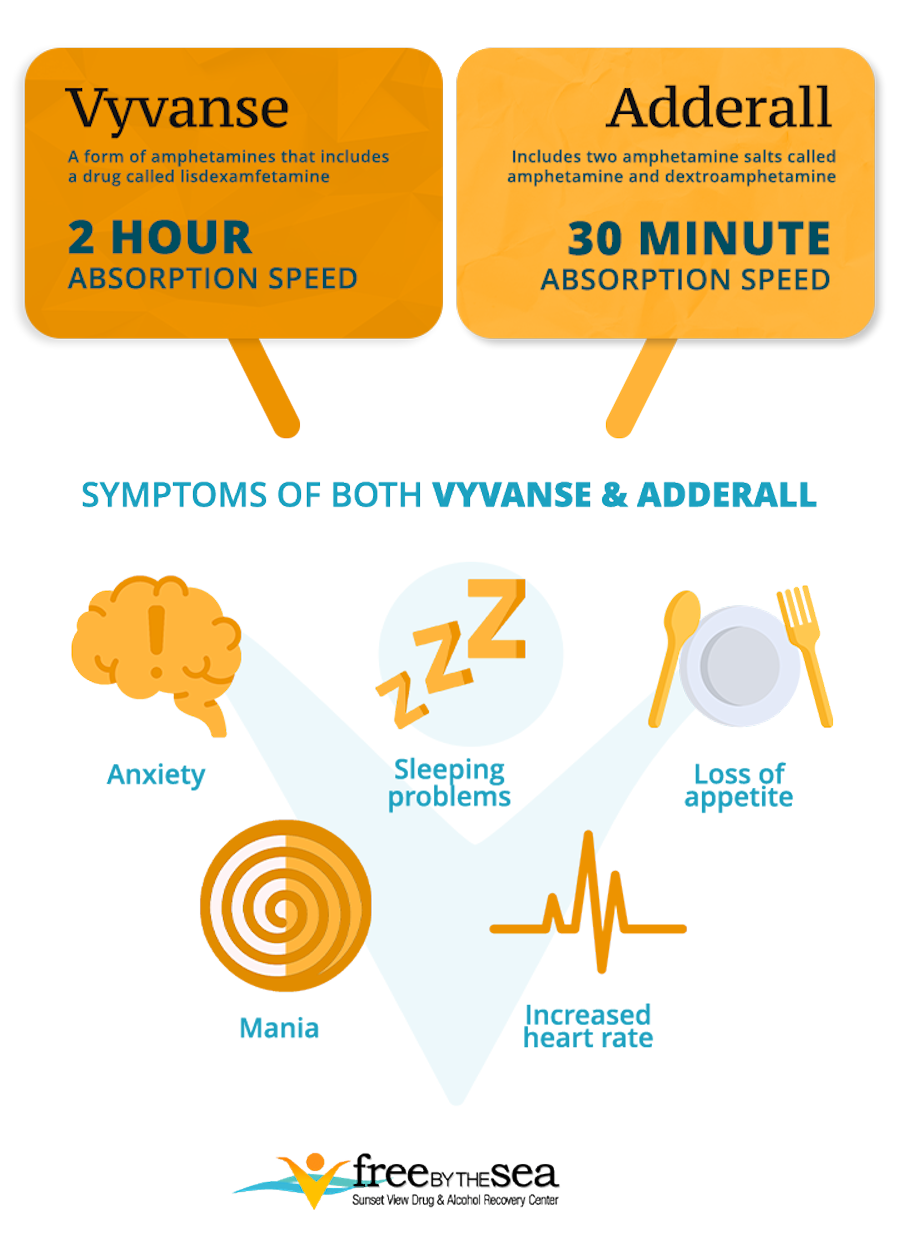
Vyvanse, the brand name for lisdexamfetamine, is a medication primarily prescribed for attention deficit hyperactivity disorder (ADHD) and binge eating disorder. It is categorized as a Schedule II controlled substance, which indicates its potential for addiction and misuse. Recent studies have revealed alarming statistics about stimulant medications, indicating that up to 10% of individuals prescribed ADHD medications may misuse them. With the rising concerns regarding the addictive qualities of these drugs, it is essential to examine the question: Is Vyvanse addictive?
The question of addiction to Vyvanse is critical not only for those who use the medication responsibly but also for potential misuse among individuals looking for stimulant effects. Approximately 4 million Americans utilized amphetamines like Vyvanse in 2020, a clear indication of its widespread use. However, both patients and healthcare providers must be aware of the signs, symptoms, and potential for addiction associated with this medication.
In this article, we will explore the nuances of Vyvanse addiction, including its mechanism of action, the signs of addiction, symptoms of withdrawal, treatment options, and what individuals can do to avoid addiction. By gaining a thorough understanding, patients and caregivers can navigate the complexities of this medication and make informed decisions about its use.
What is Vyvanse and How Does It Work?
Vyvanse, or lisdexamfetamine, is a central nervous system stimulant that increases levels of certain neurotransmitters in the brain, particularly dopamine and norepinephrine. This drug is believed to improve focus, attention, and control of impulses in individuals who have been diagnosed with ADHD. The mechanism of Vyvanse involves the conversion of lisdexamfetamine to dextroamphetamine after ingestion, providing a gradual release of the therapeutic effects.
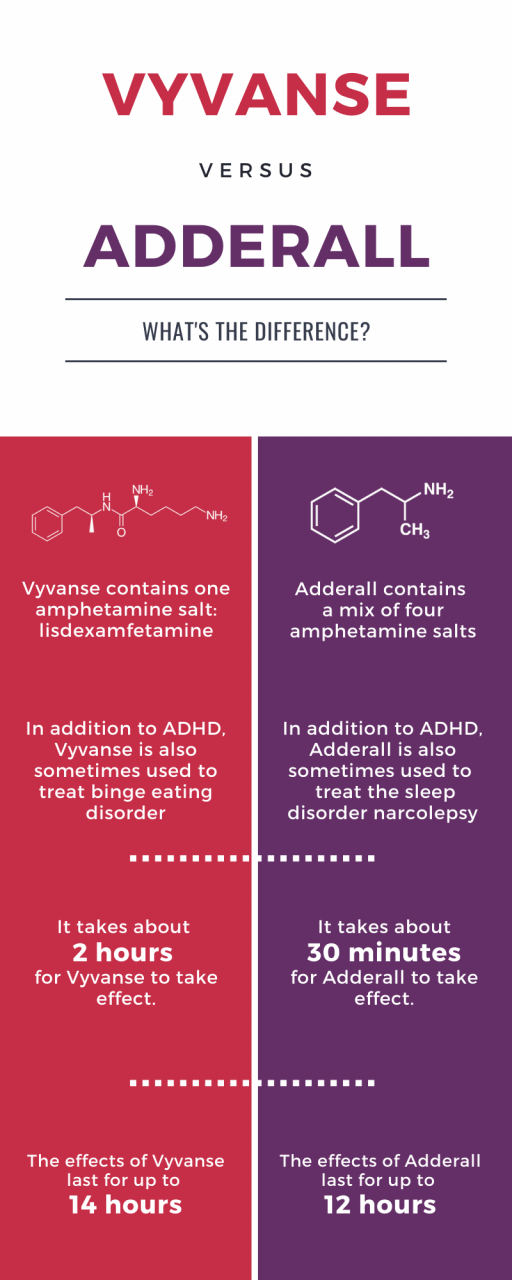
Unlike other stimulant medications, Vyvanse has been designed as a prodrug, meaning it must be metabolized by the body to become active. This characteristic helps reduce the potential for misuse, as the immediate effects of the drug are less pronounced than immediate-release stimulants like Adderall. However, this does not eliminate the risk of addiction or abuse entirely. Many individuals misuse Vyvanse to achieve heightened alertness, improved athletic performance, or weight loss.
Being classified as a Schedule II controlled substance, Vyvanse is closely monitored due to its potential for abuse. Such a classification indicates that while Vyvanse can be effective for legitimate medical purposes, its potential for misuse and addiction cannot be overlooked. Understanding how this drug interacts with the brain and its potential for addiction is vital for both patients and practitioners.
Is Vyvanse Addictive?: An Overview
The short answer to whether Vyvanse is addictive is yes. Research demonstrates that Vyvanse can lead to dependence and addiction, especially when misused. The behavioral and psychological tendency to rely on the drug can develop not just amongst individuals who take it recreationally for its stimulant effects but also among those who genuinely need it for ADHD or binge eating disorder.
Reports suggest that addiction can manifest in various ways. Individuals may increasingly prioritize obtaining and using the drug over other activities, leading to neglect of responsibilities, social isolation, or even criminal behavior to secure the medication. The urge to experience enhanced focus, energy, or euphoria can overshadow rational decision-making processes, resulting in a cycle of dependence.
Furthermore, the addiction potential may be higher among individuals with a history of substance use disorders. Genetics, environmental factors, and psychological conditions can contribute to a person’s vulnerability to addiction. Therefore, while Vyvanse is prescribed with the best intentions, there exists a significant risk that some users may develop an addiction, making it essential to monitor its use carefully.
Signs and Symptoms of Vyvanse Addiction
Recognizing the signs and symptoms of Vyvanse addiction is critical for timely intervention. Some of the common warning signs include behavioral changes, deterioration of social relationships, and physical manifestations.
Behavioral changes often involve increased secrecy, withdrawal from social interactions, and a change in priorities. Individuals may begin to isolate themselves from friends and family or exhibit changes in motivation and productivity. The compulsive use of Vyvanse—taking more than prescribed or using it for non-medical purposes—can be an alarming indicator of developing addiction.
Physical signs can also appear, such as insomnia, rapid weight loss, increased heart rate, and elevated blood pressure. Many individuals may fall into the cycle of taking Vyvanse to counteract fatigue from lack of sleep caused by excessive use. This cycle amplifies the risk of severe health consequences, including anxiety, depression, or even cardiovascular issues in extreme cases.
Additionally, psychological symptoms such as paranoia, mood swings, increased irritability, or anxiety can occur with prolonged use. These changes reflect how prolonged misuse can significantly impact mental health, leading to dependence on the drug for emotional regulation.
Understanding Vyvanse Addiction Withdrawal
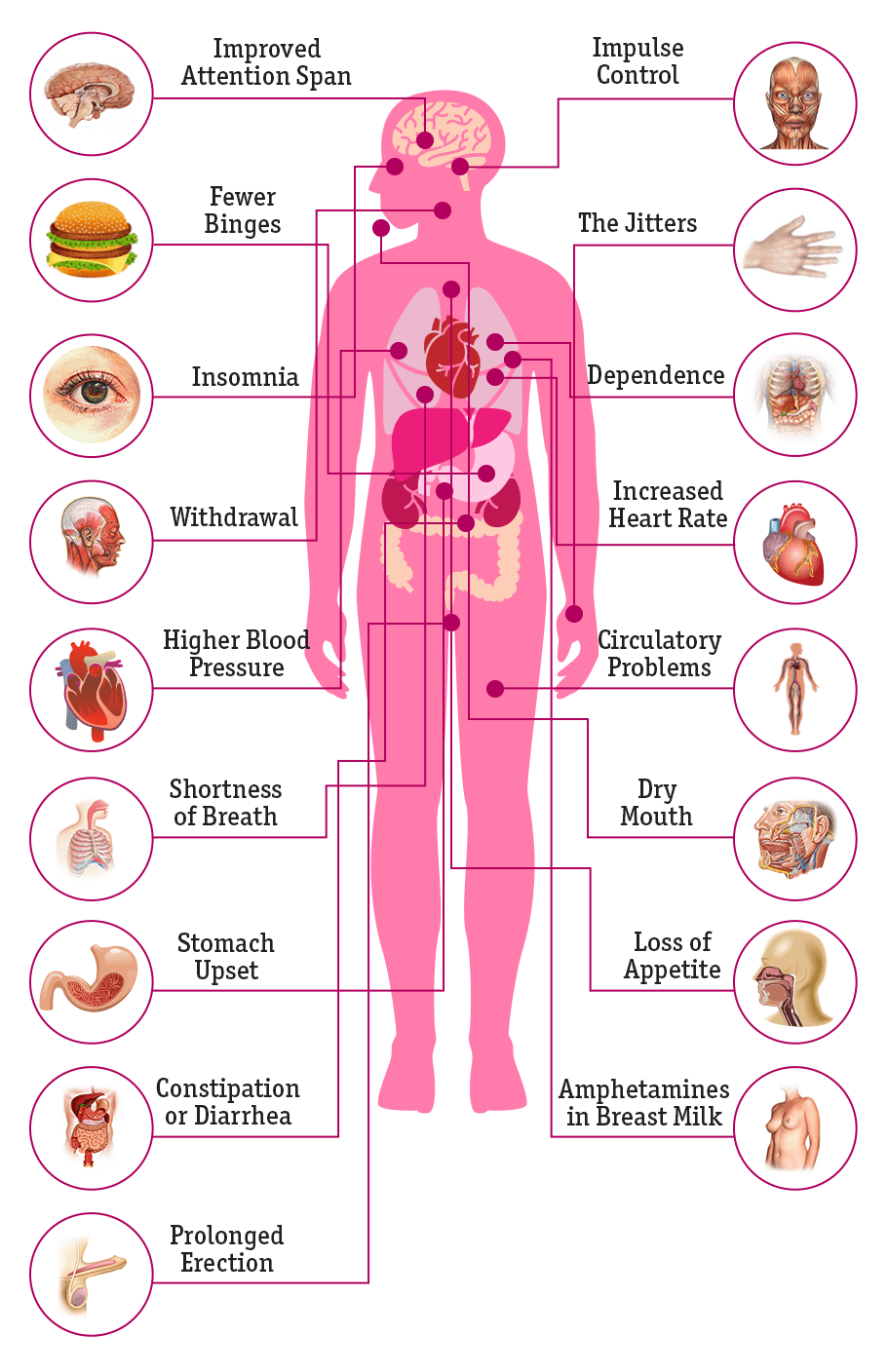
When individuals develop a dependence on Vyvanse and suddenly stop taking it, they may experience withdrawal symptoms, which can be distressing and disruptive. Withdrawal symptoms can range from mild to severe and may include fatigue, depression, sleep disturbances, decreased appetite, and cravings for the drug.
The onset of withdrawal symptoms can vary based on several factors, including the duration and dosage of Vyvanse use, as well as individual differences in metabolism and overall health. Generally, withdrawal symptoms may start within a few hours to a day after the last dose, peaking around 2 to 3 days, and may last for a week or longer.
It is vital for individuals considering stopping Vyvanse to seek medical advice. Healthcare providers can help formulate a tapering plan to ease withdrawal symptoms and reduce the likelihood of cravings. Additionally, therapeutic support can play a key role in managing both the psychological and physical aspects of withdrawal.
Long-Term Effects of Vyvanse on the Brain
Long-term use of Vyvanse, particularly when misused, can have substantial effects on brain function and overall mental health. Chronic stimulant use may alter neurotransmitter levels, potentially leading to lasting changes in cognition, emotional regulation, and behavior.
Studies indicate that prolonged use may lead to reduced dopamine receptor density, which can affect motivation, reward processing, and overall mood. The implications of these changes can manifest as lasting difficulties in attention, motivation deficits, and even depression.
Moreover, the brain’s neuroplasticity may adapt to the presence of Vyvanse, making it more challenging for individuals to function without it. This adjustment can result in increased sensitivity to stress and heightened vulnerability to other addictive substances, leading to a cycle of substance dependence.
How to Avoid Vyvanse Addiction
For individuals prescribed Vyvanse, understanding how to use the medication responsibly is crucial to minimizing the risk of addiction. Here are several strategies that can help reduce the likelihood of developing dependence:
- Follow Prescribing Guidelines: Adhering to the medication protocol established by a healthcare provider is essential. Taking Vyvanse precisely as prescribed reduces the risk of misuse and dependency.
- Regular Monitoring: Regular follow-ups with a healthcare provider can help assess the effectiveness of the treatment and adjust the dosage as necessary, preventing potential overuse.
- Be Aware of Triggers: Understanding the factors that may trigger misuse—such as stress, anxiety, or social pressure—can empower individuals to manage those situations proactively.
- Consider Alternative Treatments: Non-stimulant medications or behavioral therapies may offer alternative solutions for managing ADHD symptoms without the potential for addiction.
- Open Communication: Maintaining open lines of communication with healthcare providers and support systems can foster a pathway for discussing concerns and planning for any challenges that arise during treatment.
Treatment Options for Vyvanse Addiction
Treating Vyvanse addiction requires a multifaceted approach tailored to the individual’s needs. Early intervention and comprehensive support are vital for overcoming dependence and promoting recovery.
One of the most effective methods for managing addiction is through behavioral therapy. Approaches such as cognitive-behavioral therapy (CBT) can help individuals identify and change maladaptive thought patterns, equipping them with coping strategies to handle cravings and stress. Therapy can also address underlying emotional issues contributing to substance use.
In some cases, medications may be utilized to manage withdrawal symptoms and cravings, although specific medications for Vyvanse addiction are still being studied. Support groups, such as 12-step programs or peer support groups, can provide additional support from individuals who have shared experiences, providing a sense of community and belonging during recovery.
It is crucial for individuals facing Vyvanse addiction to seek professional guidance to develop a comprehensive recovery plan. Recovery may be a long and winding road, but with proper support and dedication, individuals can overcome addiction and regain control of their lives.
Addressing Common FAQs About Vyvanse Addiction
How does Vyvanse compare to Adderall regarding addiction potential?
Both Vyvanse and Adderall are stimulant medications used to treat ADHD and share similarities in their addiction potential. However, Vyvanse is designed as a prodrug, which means it takes longer to reach its active form in the body. This gradual absorption can limit the immediate euphoric effects associated with misuse, making it potentially less addictive for some individuals compared to Adderall. That said, both medications have the potential for misuse, and individuals with a history of substance use disorder may be at increased risk for addiction regardless of the stimulant type.
What are the early signs of Vyvanse addiction?
Early signs of Vyvanse addiction often include behavioral changes such as secretive behaviors, increased tolerance (needing more of the drug to achieve the same effect), mood swings, and neglect of responsibilities. Individuals may become preoccupied with obtaining and using the medication, withdrawing from social activities, or exhibiting increased irritability. Being alert to these changes can help facilitate timely intervention.
Are there specific risk factors for developing a Vyvanse addiction?
Several factors can increase the risk of developing a Vyvanse addiction. These include a personal or family history of substance use disorders, mental health conditions such as anxiety or depression, and environmental factors such as social pressures. Individuals who misuse the medication for reasons other than prescribed, such as weight loss or enhanced cognitive performance, are also at higher risk for developing a dependence.
What should I do if I suspect I have a Vyvanse addiction?
If you suspect you have developed an addiction to Vyvanse, the first step is to seek professional help. Consult a healthcare provider to discuss your concerns, and they can guide you through the recovery process. Formulating a plan to taper off the medication safely and finding supportive treatment options such as therapy or support groups can be vital for successful recovery.
How long does addiction recovery for Vyvanse typically take?
The timeline for recovery from Vyvanse addiction varies significantly between individuals. It may take several weeks to months for physical withdrawal symptoms to subside, and ongoing psychological support may be necessary for much longer. Recovery is often non-linear and may require adjustments to treatment strategies over time. Ongoing support from both healthcare professionals and social support networks can play a pivotal role in sustaining recovery in the long term.
Can Vyvanse withdrawal lead to serious health risks?
In most cases, Vyvanse withdrawal is not life-threatening, but it can lead to significant discomfort and distressing symptoms. In severe cases, individuals may experience heightened suicidal thoughts or severe depression requiring immediate medical intervention. It’s crucial to seek medical assistance when considering stopping Vyvanse to receive adequate support and monitoring throughout the withdrawal process.
Are there alternative treatments for ADHD that do not carry addiction risks?
Yes, several alternative treatments are available for managing ADHD without the risks associated with stimulant medications like Vyvanse. Non-stimulant medications such as atomoxetine (Strattera) can help manage symptoms without the same potential for addiction. Additionally, behavioral therapy, lifestyle changes including diet, exercise, and mindfulness practices can also support individuals in managing their ADHD symptoms effectively.
Conclusion
Vyvanse, while effective for treating ADHD and binge eating disorder, poses significant risks for addiction and dependence. The potential for misuse and serious health consequences makes it vital for individuals to use the medication responsibly and under careful medical supervision. Recognizing the signs of addiction, understanding withdrawal symptoms, and knowing how to seek help can empower patients to manage their treatment more effectively.
Through open communication, education, and awareness of the risks associated with Vyvanse, both patients and healthcare providers can work together to mitigate addiction potential while maximizing treatment efficacy. As our understanding of Vyvanse grows, it becomes increasingly clear that informed choices are paramount for successful treatment outcomes.
If you or someone you know may be struggling with Vyvanse addiction, don’t hesitate to seek help. The journey to recovery might be challenging, but the support of healthcare providers, therapy, and social networks can significantly enhance the chances of achieving a healthier, drug-free life.
