🏠 Stay at home! 25% discount on all medicines


Understanding Vyvanse and Wellbutrin: A Comprehensive Guide to Their Use and Interactions

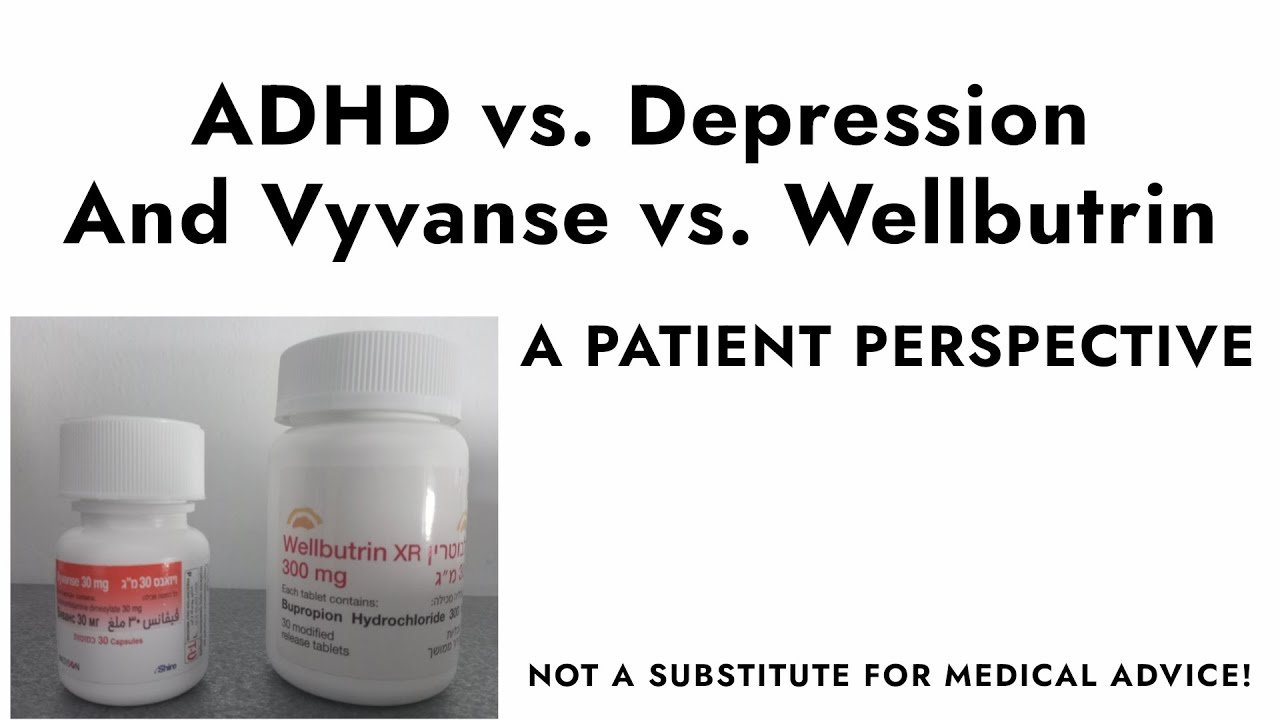
In the realm of mental health medications, the discussion surrounding Vyvanse and Wellbutrin is significantly layered, characterized by their distinct yet occasionally overlapping therapeutic effects. Vyvanse, generically known as lisdexamfetamine, is primarily prescribed to treat Attention Deficit Hyperactivity Disorder (ADHD). On the other hand, Wellbutrin, or bupropion, is an antidepressant often used to alleviate symptoms of major depressive disorder and seasonal affective disorder. The intersection of these medications becomes a focal point for many patients experiencing both ADHD and depression, prompting questions regarding their combined use.
The rise in polypharmacy, which refers to the simultaneous use of multiple medications, has made it increasingly common for healthcare professionals to prescribe medications like Vyvanse and Wellbutrin together. Existing research demonstrates that combining these particular medications can yield significant benefits for individuals struggling with dual diagnoses. However, this combination also poses various risks that must be carefully managed by a healthcare provider. Understanding the implications of using Vyvanse and Wellbutrin together can help patients make informed decisions about their treatment plans.
This comprehensive guide examines the mechanisms of both Vyvanse and Wellbutrin, their potential benefits when used in conjunction, and the risks associated with their combined use. Additionally, we will explore real-life experiences shared by users, as well as answer frequently asked questions to provide a thorough understanding of these medications.
What is Vyvanse and How Does It Work?
Vyvanse is a stimulant medication classified as an amphetamine derivative. As a prodrug, it is delivered in its inactive form and converted into an active form in the body. This unique delivery mechanism helps in enhancing the drug’s efficacy while potentially reducing the likelihood of misuse compared to other stimulants.
The primary mechanism of action of Vyvanse involves the reuptake inhibition of norepinephrine and dopamine, neurotransmitters crucial for regulating attention, focus, and impulse control. By increasing the levels of these neurotransmitters in the brain, Vyvanse helps mitigate the symptoms of ADHD, such as inattention, hyperactivity, and impulsivity. Patients usually start at a lower dose, which can be gradually increased based on individual responses and tolerability.
In clinical settings, Vyvanse has been praised for its long-lasting effects, which can span up to 14 hours after ingestion. This extended duration allows many individuals to maintain focus and productivity throughout the day without experiencing the daily peaks and troughs associated with shorter-acting stimulant options. However, as effective as Vyvanse may be, it can come with a range of side effects that warrant consideration, such as insomnia, loss of appetite, and increased heart rate.
What is Wellbutrin and How Does It Work?
Wellbutrin, known as bupropion, operates primarily as an antidepressant within the aminoketone class. Unlike typical antidepressants that target serotonin levels, Wellbutrin focuses on inhibiting the reuptake of dopamine and norepinephrine. This unique mechanism sets it apart as a dual-action medication that also exhibits properties beneficial for managing ADHD symptoms.
Wellbutrin has gained attention not only for its antidepressant properties but also for its ability to assist patients in smoking cessation and manage weight, making it particularly appealing for individuals facing challenges related to weight gain from other medications. With a generally favorable side effect profile, Wellbutrin is often prescribed when traditional Selective Serotonin Reuptake Inhibitors (SSRIs) are ineffective or not well tolerated.
As with any medication, the use of Wellbutrin does carry some risks, including the potential for seizures at high doses, insomnia, and anxiety. Patients are typically initiated on a lower dose, which can be adjusted based on their response and any side effects experienced.
Can Vyvanse and Wellbutrin Be Taken Together?
The combination of Vyvanse and Wellbutrin is sometimes used therapeutically, especially for patients battling both ADHD and depression. Healthcare providers may recommend this approach when they believe that the advantages of combining these medications outweigh the potential risks. Many individuals report that taking Vyvanse enhances their focus while Wellbutrin complements this effect by stabilizing their mood.
However, it is essential to note that there is a moderate interaction between these two medications. Combining Vyvanse with Wellbutrin can amplify certain side effects, such as increased heart rate and elevated blood pressure, particularly in individuals predisposed to cardiovascular issues. Patients are advised to be closely monitored during the initial stages of treatment and any dose adjustments to effectively manage these risks.
In clinical practice, a significant number of patients find that the synergistic effects of Vyvanse and Wellbutrin yield enhanced therapeutic benefits, leading to improved concentration, mood regulation, and overall quality of life. Nonetheless, patients and healthcare providers should remain vigilant about potential side effects, such as insomnia, which can exacerbate the challenges faced when treating ADHD and depression simultaneously.
Potential Benefits of Combining Vyvanse and Wellbutrin
The advantages of combining Vyvanse and Wellbutrin include enhanced management of ADHD symptoms and mood stabilization in patients with depression. This dual-benefit approach caters to individuals who may find themselves hindered by the symptoms of both disorders.
1. **Improved Focus and Attention:** Many patients report increased concentration and better organizational skills when combining these medications, as each plays a role in enhancing cognitive functions.
2. **Mood Stabilization:** Wellbutrin contributes to alleviating depressive symptoms, while Vyvanse addresses underlying attention problems. Together, they can offer a more comprehensive solution for individuals experiencing overlapping mental health conditions.
3. **Weight Management:** While stimulant medications like Vyvanse can sometimes lead to weight loss due to appetite suppression, Wellbutrin is also known for its weight-neutral or weight-loss-promoting properties. This combination may benefit those concerned about weight gain from other antidepressants.
The success of this combination largely hinges on individualized treatment plans tailored to each patient’s unique needs. Regular follow-up appointments and open communication about any adverse effects are crucial components of this therapeutic approach.
Side Effects of Vyvanse and Wellbutrin
Both Vyvanse and Wellbutrin can cause a spectrum of side effects, some of which may be compounded when these medications are used together. Understanding these risks is vital for patients when weighing their treatment options.
Common side effects of Vyvanse include:
- Decreased appetite and weight loss
- Insomnia and sleep disturbances
- Dizziness and headaches
- Increased heart rate and blood pressure
- Anxiety and irritability
Wellbutrin also carries its set of potential adverse effects, which may include:
- Dry mouth and throat
- Nausea and gastrointestinal disturbances
- Insomnia and restlessness
- Increased risk of seizures, especially at higher doses
- Elevated anxiety levels
When taken in conjunction, the combined side effect profile can mean a heightened focus on monitoring cardiovascular status, particularly in those with pre-existing conditions. Patients should maintain open lines of communication with their healthcare providers, addressing any emerging concerns or experiences they might have while on this combination treatment.
How to Safely Combine Vyvanse and Wellbutrin
For patients considering the combination of Vyvanse and Wellbutrin, careful management and ongoing communication with healthcare providers is essential. Here are several important considerations when approaching this therapeutic strategy:
1. **Consultation is Key:** Individuals should always start by discussing any changes to their medication regimen with their healthcare provider. Base levels of health, personal history, and any existing health issues should be thoroughly assessed before commencing a combination treatment.
2. **Start Low and Go Slow:** When prescribing Vyvanse and Wellbutrin together, most healthcare providers will recommend beginning with the lowest effective doses. This approach allows for gradual tolerance and monitoring for potential side effects.
3. **Ongoing Monitoring:** Regular check-ins with healthcare providers are crucial, especially during the initial months of treatment. Patients should report any significant shifts in mood, changes in appetite, or any unusual physical symptoms.
4. **Lifestyle Considerations:** Integrating supportive lifestyle changes, such as regular physical activity, balanced nutrition, and mindfulness practices, can enhance the effectiveness of medication while promoting overall well-being.
User Experiences: Vyvanse and Wellbutrin Together
User experiences shed light on the practical realities faced by individuals combining Vyvanse and Wellbutrin. Online forums, particularly Reddit threads, provide firsthand insights into how users perceive the effectiveness and challenges of this combination. Many users emphasize improvements in productivity and mood stability, often describing it as a game-changer for their mental health.
Moreover, anecdotal evidence from patients taking both medications reveals varying degrees of satisfaction. For instance, some have reported losing weight while taking both medications, attributing the combined appetite-suppressing effects to their successful weight management. Others mention the possibility of increased anxiety or restlessness, prompting them to communicate their concerns with healthcare providers and adjust their therapeutic regimen accordingly.
Ultimately, user perspectives can present a more nuanced view of how Vyvanse and Wellbutrin interact within the context of individual needs, preferences, and tolerances.
FAQs About Vyvanse and Wellbutrin
1. Can I take Vyvanse and Wellbutrin together?
Yes, it is possible to take Vyvanse and Wellbutrin together, but this should always be done under the guidance of a healthcare provider. The combination may be effective for individuals who have co-existing ADHD and depression but carries risks such as increased blood pressure. Regular monitoring is important.
2. What are the potential side effects of combining these medications?
The potential side effects of combining Vyvanse and Wellbutrin can include increased heart rate, high blood pressure, insomnia, anxiety, and decreased appetite. Patients should closely monitor their responses and communicate any adverse effects to their healthcare providers.
3. How does Wellbutrin affect Vyvanse’s effectiveness?
Wellbutrin may enhance the overall effectiveness of Vyvanse for some patients by stabilizing mood and improving focus. However, individual responses can vary. Some users have reported that Wellbutrin can lead to smoother ADHD symptom management when combined with Vyvanse.
4. Are there any long-term risks associated with this combination?
Long-term risks of combining Vyvanse and Wellbutrin may include cardiovascular issues due to elevated heart rate and blood pressure. Continuous evaluation of the treatment plan with a healthcare provider is essential to mitigate these risks effectively.
5. What should I do if I experience side effects?
If you experience side effects while taking Vyvanse and Wellbutrin, it’s crucial to talk to your healthcare provider immediately. They may adjust the dosage, switch medications, or implement additional strategies to help alleviate symptoms.
6. Is Vyvanse and Wellbutrin combination effective for weight loss?
The combination of Vyvanse and Wellbutrin has been reported by some users to promote weight loss due to appetite suppression. Nonetheless, sustainable weight loss is best achieved through a comprehensive approach that includes diet, exercise, and lifestyle changes, alongside any pharmacological interventions.
7. How should I take Vyvanse and Wellbutrin together?
When combining Vyvanse and Wellbutrin, follow your healthcare provider’s instructions regarding timing and dosage. Generally, Vyvanse is taken in the morning, while Wellbutrin may be taken in the morning or spread out through the day, depending on whether you are on the extended-release formulation.
Conclusion: A Personalized Approach to Vyvanse and Wellbutrin
The combination of Vyvanse and Wellbutrin represents a tailored approach to managing ADHD and depression. While many individuals report significant therapeutic benefits, vigilance in monitoring for side effects and regular consultations with healthcare providers are key to optimizing treatment. Each individual’s response to medication can vary greatly, emphasizing the need for personalized treatment plans.
As the landscape of mental health treatment continues to evolve, understanding the nuances of how different medications interact and affect individual patients remains paramount. Combining Vyvanse and Wellbutrin may not be suitable for everyone; thorough initial assessments and ongoing evaluations can clarify the best medication strategy for those balancing these multifaceted mental health conditions.
Ultimately, patient awareness, open dialogue, and collaborative care models will continue to play vital roles in harnessing the benefits of combining Vyvanse and Wellbutrin, paving the way for better outcomes for individuals seeking improved mental health management.
