🏠 Stay at home! 25% discount on all medicines


Ritalin vs. Vyvanse: Comprehensive Guide to ADHD Medications

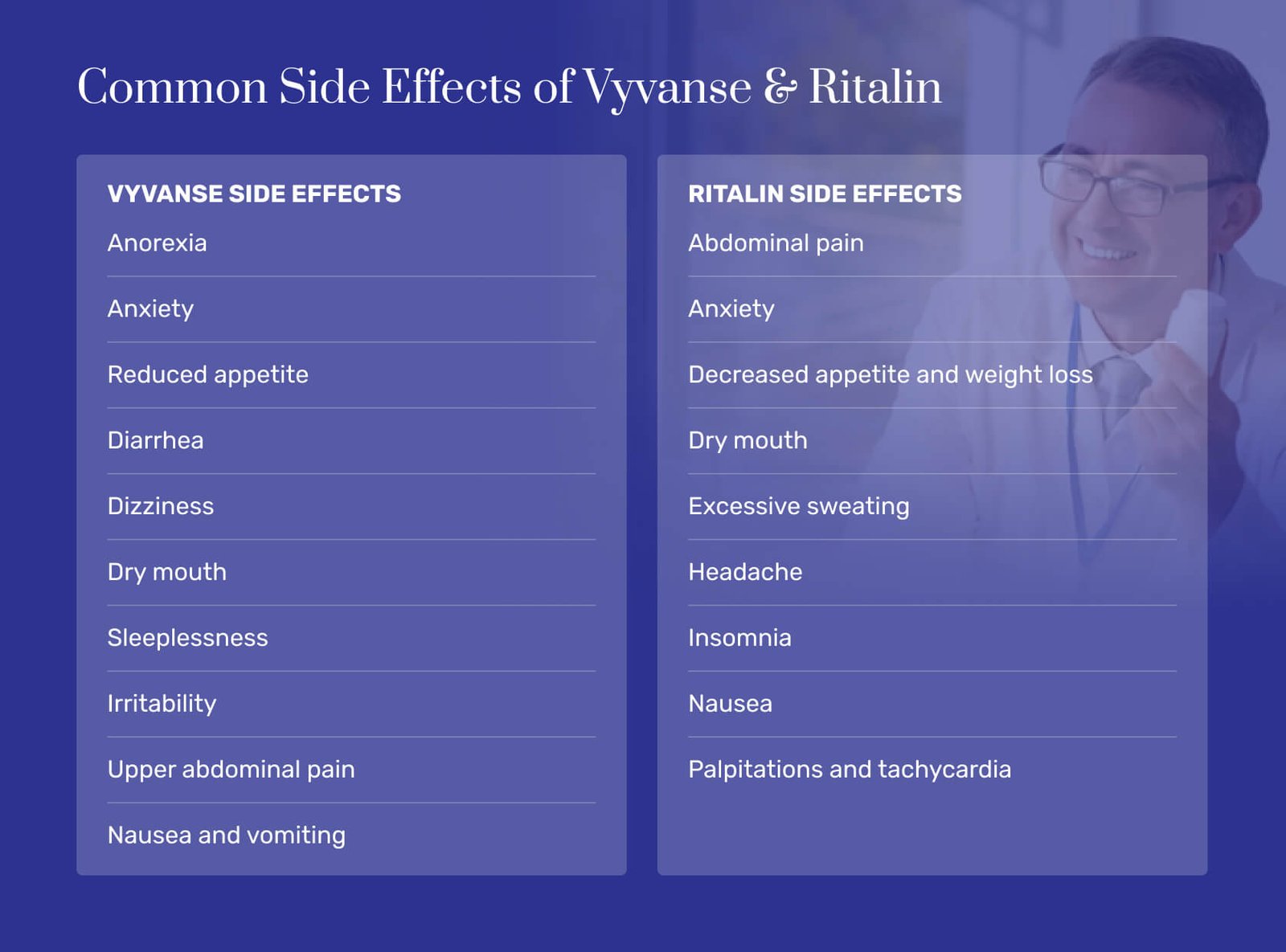
Ritalin (methylphenidate) and Vyvanse (lisdexamfetamine) are both prescription medications commonly used to treat Attention Deficit Hyperactivity Disorder (ADHD). As an estimated 5% of the global population struggles with ADHD, understanding the nuances between these drugs is essential for effective treatment. Both medications aim to improve focus, attention, and impulse control, yet they operate through distinct mechanisms and have varying effects on individuals. As ADHD management is often a personalized journey, decision-making regarding medication is crucial for optimal outcomes.
Statistics show that roughly 30% of children with ADHD experience persistent symptoms into adulthood. Thus, effective treatment during formative years can significantly influence academic performance and social relationships. With numerous treatment options available, it can be overwhelming to choose the right medication. Understanding the differences between Ritalin and Vyvanse plays a pivotal role in this selection process.
This comprehensive guide will explore essential topics, including the mechanisms of action, differences in dosage and duration, side effects, and user experiences between Ritalin and Vyvanse. By the end, readers will gain valuable insights into which medication may best suit their needs.
Understanding Ritalin: Mechanism and Use
Ritalin, the brand name for methylphenidate, belongs to a class of medications known as central nervous system (CNS) stimulants. It primarily works by increasing the levels of certain neurotransmitters, particularly dopamine and norepinephrine, within the brain. This uptick in neurotransmitters helps enhance focus and improve impulse control.
Prescribed primarily for ADHD, Ritalin is also utilized in treating narcolepsy. Its ability to increase attention span and decrease impulsivity makes it a common choice, especially among children diagnosed with ADHD. A typical prescription begins with an immediate-release formula, which may be taken two to three times a day, depending on the individual’s symptoms and response to the medication.
With the availability of various formulations, including extended-release options, healthcare providers can tailor treatment to meet the unique needs of their patients. Extended-release versions allow for once-daily dosing, aiding in convenience while managing symptom control throughout the day.
What Are the Side Effects of Ritalin?
As with any medication, Ritalin is associated with potential side effects. Common side effects include decreased appetite, insomnia, headaches, stomachaches, and irritability. While these side effects can be challenging, many users find that they diminish over time as the body adjusts to the medication.
Serious side effects, though rare, may occur, including cardiovascular events and psychiatric symptoms such as anxiety or mood swings. Monitoring by healthcare professionals is essential, especially during the initial phases of treatment. Individuals concerned about side effects should openly discuss their worries with their healthcare provider for personalized support and advice.
For individuals considering Ritalin, it is crucial to weigh the potential benefits against the risks. Some patients may experience significant improvements in their ability to focus and engage in daily tasks, while others may find the side effects intolerable.
The Science Behind Vyvanse
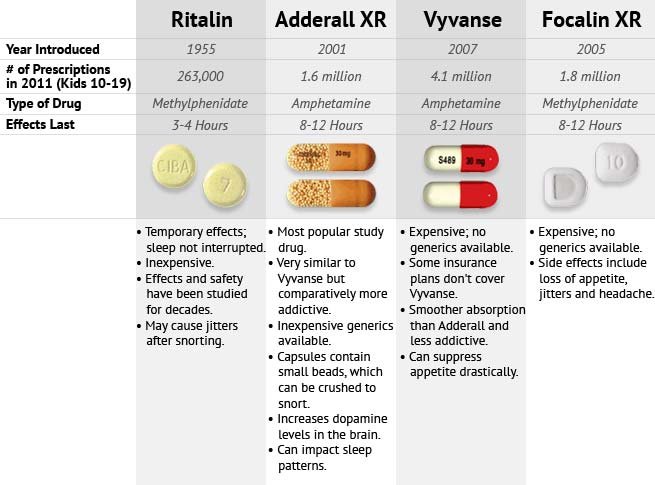
Vyvanse, the brand name for lisdexamfetamine, is a prodrug, meaning that it is inactive until metabolized in the body. Once ingested, the enzyme breaks it down into its active form, dextroamphetamine. This conversion process results in a slower onset and an extended duration of effects compared to Ritalin.
Like Ritalin, Vyvanse primarily targets the neurotransmitters dopamine and norepinephrine, enhancing focus and attention in individuals with ADHD. One of the critical benefits of Vyvanse is its long-lasting effect, typically lasting around 10 to 14 hours. This lengthiness contributes to a smoother experience for many users, as it minimizes the risk of experiencing peaks and troughs, often associated with other stimulant medications.
Vyvanse is approved for use in children aged six and older, adolescents, and adults, further extending its reach as a preferred medication for ADHD management. In addition to treating ADHD, Vyvanse is also effective in treating binge eating disorder, showcasing its versatile therapeutic applications.
What Are the Side Effects of Vyvanse?
While Vyvanse is generally well tolerated, it is not without its side effects. Users commonly report decreased appetite, dry mouth, insomnia, and irritability. In some cases, users may experience increased heart rate or blood pressure, necessitating regular monitoring for those with underlying cardiovascular conditions.
As with Ritalin, severe side effects are rare but must be acknowledged. Psychiatric symptoms, including agitation and anxiety, may arise, emphasizing the importance of effective communication between patients and providers regarding any behavioral changes while using this medication.
Tolerating Vyvanse’s side effects can vary significantly among individuals. Some may find that the medication’s benefits far outweigh the inconveniences of side effects, while others may need to consider alternative options based on their experiences.
Comparing Dosage and Duration: Ritalin vs. Vyvanse
Understanding the dosage and duration of each medication is vital for determining personal treatment plans. Ritalin comes in various formulations, including immediate-release and extended-release, with dosing schedules tailored to individual needs. Immediate-release tablets are typically administered two to three times daily for optimal effectiveness, while extended-release formulations allow for single-dose convenience.
On the other hand, Vyvanse’s prodrug mechanism allows for once-daily dosing, making it an attractive choice for individuals seeking efficient management of ADHD symptoms throughout the day. The onset of effects generally occurs within 1-2 hours, while the medication can last an impressive 10 to 14 hours, providing significant coverage of symptoms.
Here is a quick comparative overview:
- Ritalin</: Dosage typically ranges from 5 mg to 60 mg per day, administered in divided doses.
- Vyvanse: Dosage starts at 30 mg and can go up to 70 mg daily, administered as a single dose.
Insights from User Experiences: Ritalin vs. Vyvanse
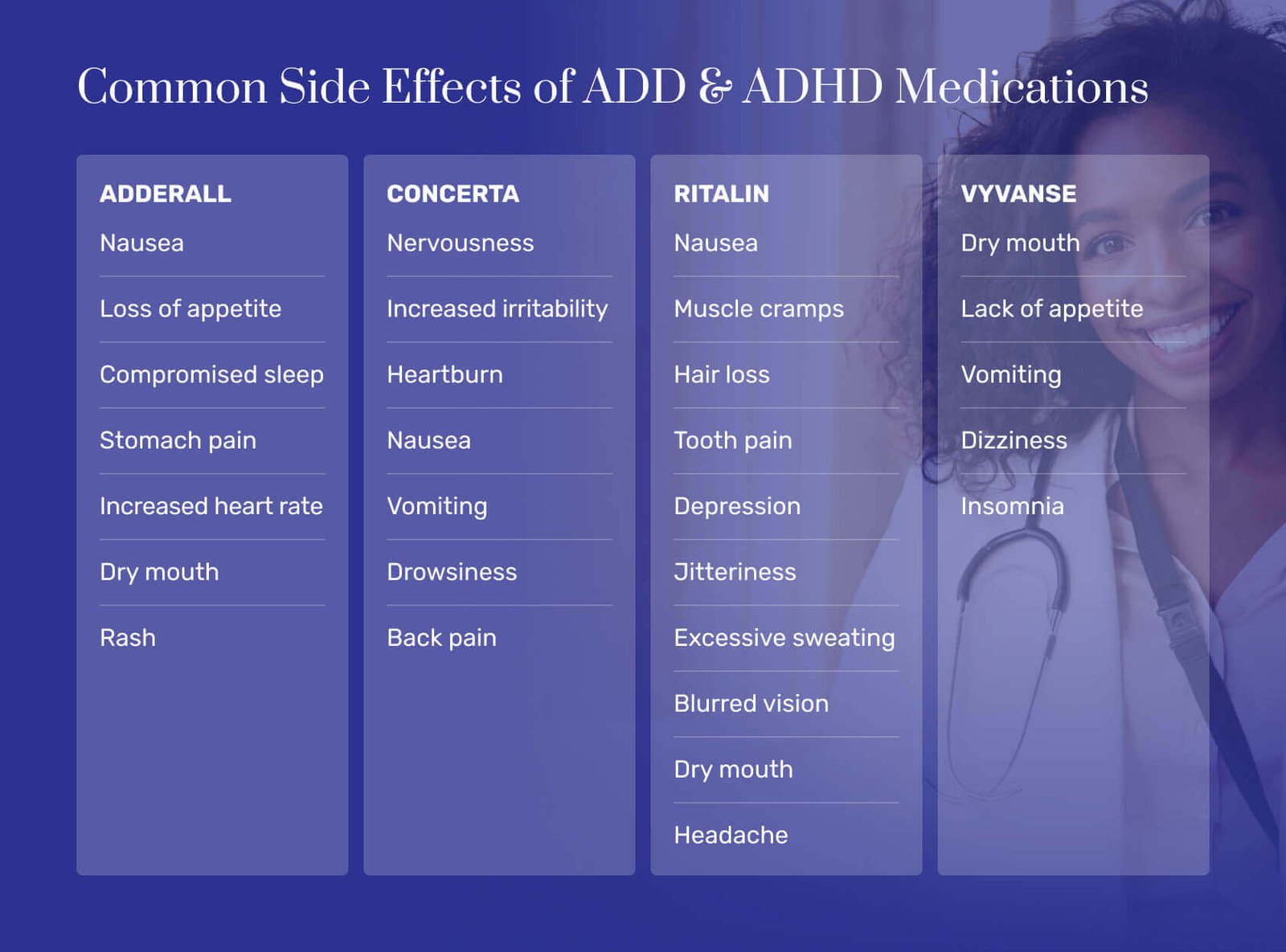
Client testimonials and user experiences can play a vital role in choosing between Ritalin and Vyvanse. Many individuals on Reddit forums report an overall preference for Vyvanse due to its smoother effects. Users often describe it as providing consistent and focused energy without the sudden crashes or jitteriness associated with other stimulants like Ritalin.
Conversely, some individuals advocate for Ritalin, noting its immediate effectiveness. People who require quick relief may find Ritalin advantageous in situational settings, like preparing for important presentations or meetings. Ritalin users often highlight its rapid onset, making it easier to resume focus and productivity when distractions arise.
Ultimately, the choice between Ritalin and Vyvanse hinges upon personal experiences, preferences, and specific needs. Consulting with healthcare professionals and weighing the advantages of each medication may significantly impact an individual’s treatment journey.
Switching from Ritalin to Vyvanse: What You Need to Know
For individuals considering a switch from Ritalin to Vyvanse, making the transition can be a significant step. An evaluation of medication effectiveness, side effects, and personal preferences should guide this process. Consulting with healthcare providers is integral to safely navigating changes in medication.
Typically, healthcare providers may recommend a gradual tapering of Ritalin before initiating Vyvanse treatment to avoid withdrawal symptoms and minimize side effects. Additionally, patients should be closely monitored during this transition phase and report any concerns or new symptoms to their providers.
It is essential to approach the switch holistically, evaluating symptom management during the transition and recognizing the variation in how individuals respond to different medications. Many users switching to Vyvanse report clearer focus and reduced peaks and valleys in energy, allowing for improved productivity and life quality.
Addressing Weight Loss: Ritalin vs. Vyvanse
Weight loss is a potential outcome associated with stimulant medications due to their appetite-suppressing properties. Both Ritalin and Vyvanse are linked to decreased appetite, particularly during the initial stages of treatment when the body is adjusting. While some individuals may find it beneficial to manage weight while using these medications, others may find the side effect concerning, especially if it leads to unhealthy eating habits.
In many discussions, including those found in Reddit threads, users express varying concerns about weight loss. While some may appreciate the accompanying loss, others voice worries that the medications could lead to unhealthy long-term habits. Open communication with healthcare providers can help address these concerns and foster balanced discussions regarding weight management strategies while on medication.
Overall, recognizing how Ritalin and Vyvanse interact with individual physiology can help determine medication suitability based on concerns around weight loss. Regular check-ins with a healthcare provider can ensure that health remains a priority throughout treatment.
Does One Medication Work Stronger Than the Other?
The question of whether Ritalin or Vyvanse is stronger is complex and often requires a nuanced answer. Strength varies not only in terms of dosage but also according to individual metabolism and neurochemistry. For some users, Ritalin may appear more potent due to its rapid onset, while others may find Vyvanse provides more substantial benefits due to its extended duration.
Comparative analyses suggest that Vyvanse may lead to less overall variability in response because of its sustained release. Conversely, immediate effect medications like Ritalin may allow for quick adjustments in response to acute needs. Ultimately, the effectiveness of either medication will depend on the individual’s unique body chemistry and lifestyle.
Consulting with healthcare providers is essential for personalizing treatment plans and adequately addressing the specifics behind dosage, response, and overall effectiveness.
Frequently Asked Questions about Ritalin and Vyvanse
1. What are the main differences between Ritalin and Vyvanse?
The primary difference between Ritalin and Vyvanse lies in their active ingredients and mechanisms. Ritalin contains methylphenidate, while Vyvanse is lisdexamfetamine, a prodrug that converts into dextroamphetamine in the body. Consequently, Vyvanse offers a longer duration of action, lasting 10-14 hours, while Ritalin typically lasts 3-8 hours.
2. Can I take Ritalin and Vyvanse together?
Taking both Ritalin and Vyvanse together is generally not recommended without explicit instructions from a healthcare provider. Combining stimulant medications could increase the risk of side effects and lead to complications such as cardiovascular issues or heightened anxiety. If users feel that their current medication regimen is ineffective, they should consult their healthcare provider for appropriate dosage adjustments or alternative medications.
3. Are there risks of addiction with Ritalin and Vyvanse?
Both Ritalin and Vyvanse are classified as stimulant medications and carry a potential risk for misuse or addiction, particularly if taken outside of prescribed guidelines. Responsible use under the supervision of a healthcare provider can mitigate these risks. Patients should follow prescribed dosages and communicate openly with their physicians about any concerns regarding dependency.
4. How long does it take for Ritalin and Vyvanse to work?
The onset time varies between the two medications. Ritalin, particularly in its immediate-release form, may take effect within 20-60 minutes. Conversely, Vyvanse typically requires about 1-2 hours for effects to be felt after ingestion, as it must be metabolized before becoming active.
5. What should I consider when switching between these medications?
Switching from Ritalin to Vyvanse—or vice versa—should be conducted alongside a healthcare professional. Evaluation of symptom management, side effects, personal preferences, and gradual transitions can facilitate safe changes in the treatment regimen. Continuous monitoring during this process ensures optimal outcomes and minimizes complications.
6. Is weight loss common with these medications?
Both Ritalin and Vyvanse can lead to decreased appetite, which may result in weight loss for some users. Patients should monitor their eating habits and consult with their healthcare provider to develop balanced strategies to maintain a healthy lifestyle while managing ADHD symptoms. Adjustments to dosage or dietary guidelines may be necessary to counteract significant weight changes.
7. Which medication is preferred for adults with ADHD?
Medication preferences can vary widely between individuals. Some adults may lean towards Vyvanse for its longer-lasting effects and smoother experience, while others may find Ritalin adequate for on-demand usage. Individual characteristics, activity levels, and personal experiences ultimately shape preferences, underscoring the importance of personalized treatment approaches.
Deciding Between Ritalin and Vyvanse: Key Considerations
When evaluating Ritalin vs. Vyvanse for ADHD treatment, consider various factors unique to personal circumstances. These may include medication properties, expected duration of action, side effects, lifestyle, and individual health history. Importantly, engaging with healthcare providers ensures informed decisions can be made, aligning treatment plans with individual health goals and symptom management strategies.
For some, the decision may remain clear-cut, while for others, a journey of trial and error may be necessary to identify the best medication combination. Resources are available through ADHD-focused organizations, offering information and support to those navigating treatment options.
Through the science of pharmacology, personal experiences, and professional insights, critical decisions regarding ADHD management can be made. Both Ritalin and Vyvanse possess valid capabilities to enhance the quality of life for those affected by ADHD. Ultimately, a thoughtful and informed approach will help individuals find empowerment in their treatment journey.
