🏠 Stay at home! 25% discount on all medicines


How Long Does It Take for Vyvanse to Kick In? Understanding Its Onset and Effects

In recent years, attention-deficit/hyperactivity disorder (ADHD) has become a focal point for discussion among parents, educators, and medical professionals. With increased diagnosis comes the necessity for effective treatment options, and prescription medications like Vyvanse (lisdexamfetamine) have become common. One question many patients and caregivers frequently ask is, how long does it take for Vyvanse to kick in? This question is essential because understanding the onset of this medication can directly affect how and when it is administered, thereby influencing therapeutic outcomes.
Properly addressing this question involves not just a straightforward answer, but also a comprehensive examination of several factors including dosing, individual patient metabolism, dietary considerations, and the overall mechanism of action of Vyvanse itself. This article serves to clarify the expected onset time of Vyvanse, which generally starts working within 90 minutes to two hours, while occasionally taking longer for some individuals, especially based on their personal circumstances.
The effects of Vyvanse can vary widely from patient to patient, owing to the variability in how each individual metabolizes the medication, as well as other factors. Therefore, readers can expect a detailed analysis aimed at both patients taking Vyvanse and those considering this medication for ADHD or binge-eating disorder. We will cover the typical onset time, what to expect when taking Vyvanse, and other factors that can affect how soon patients feel the effects of the medication.
Understanding Vyvanse: What It Is and How It Works
Vyvanse, the brand name for lisdexamfetamine, is a prescription stimulant used primarily for treating ADHD and binge-eating disorder. It is classified as a prodrug, meaning that it is biologically inactive until it is metabolized in the body, converting to its active form, dextroamphetamine. This unique mechanism contributes significantly to its onset time and overall effect.
When a patient takes Vyvanse, the medication is absorbed through the gastrointestinal tract. Once it enters the bloodstream, enzymes break down the drug into its active form, which then promotes the release of neurotransmitters, including dopamine and norepinephrine. These neurotransmitters are crucial for regulating focus, attention, and impulsivity, which are often impaired in individuals with ADHD.
The medications used to treat ADHD generally work quickly, but Vyvanse’s prodrug nature leads to a unique pharmacokinetic profile that requires careful consideration. Unlike traditional stimulants that may act within 30 minutes of ingestion, Vyvanse’s effects might take considerably longer to manifest, typically in the range of 90 minutes to two hours, although some patients experience effects as quickly as 1.5 hours after dosing.
How Long Does Vyvanse Take to Kick In?
The onset of Vyvanse is crucial for users to understand, particularly for those who may anticipate needing immediate focus or reduced impulsivity. As mentioned, the effects generally begin to show between 90 minutes and two hours after ingestion. However, the precise onset can depend on several factors, including whether the medication is taken with food.
Studies suggest that taking Vyvanse on an empty stomach may enhance its absorption, thus accelerating its effects. Some anecdotal reports indicate that users who take Vyvanse without food feel a more pronounced onset, with effects starting as soon as 90 minutes. In contrast, those who consume Vyvanse after a meal may find that the onset extends closer to three hours, causing delays in therapeutic effect.
In clinical studies, children between the ages of 6 and 12 diagnosed with ADHD demonstrated noticeable improvements within approximately 1.5 to 2 hours post-administration. This time frame can be similar in adults, although individual responses may vary based on their metabolic rates and other personal health factors.
Factors Influencing Vyvanse Onset Time
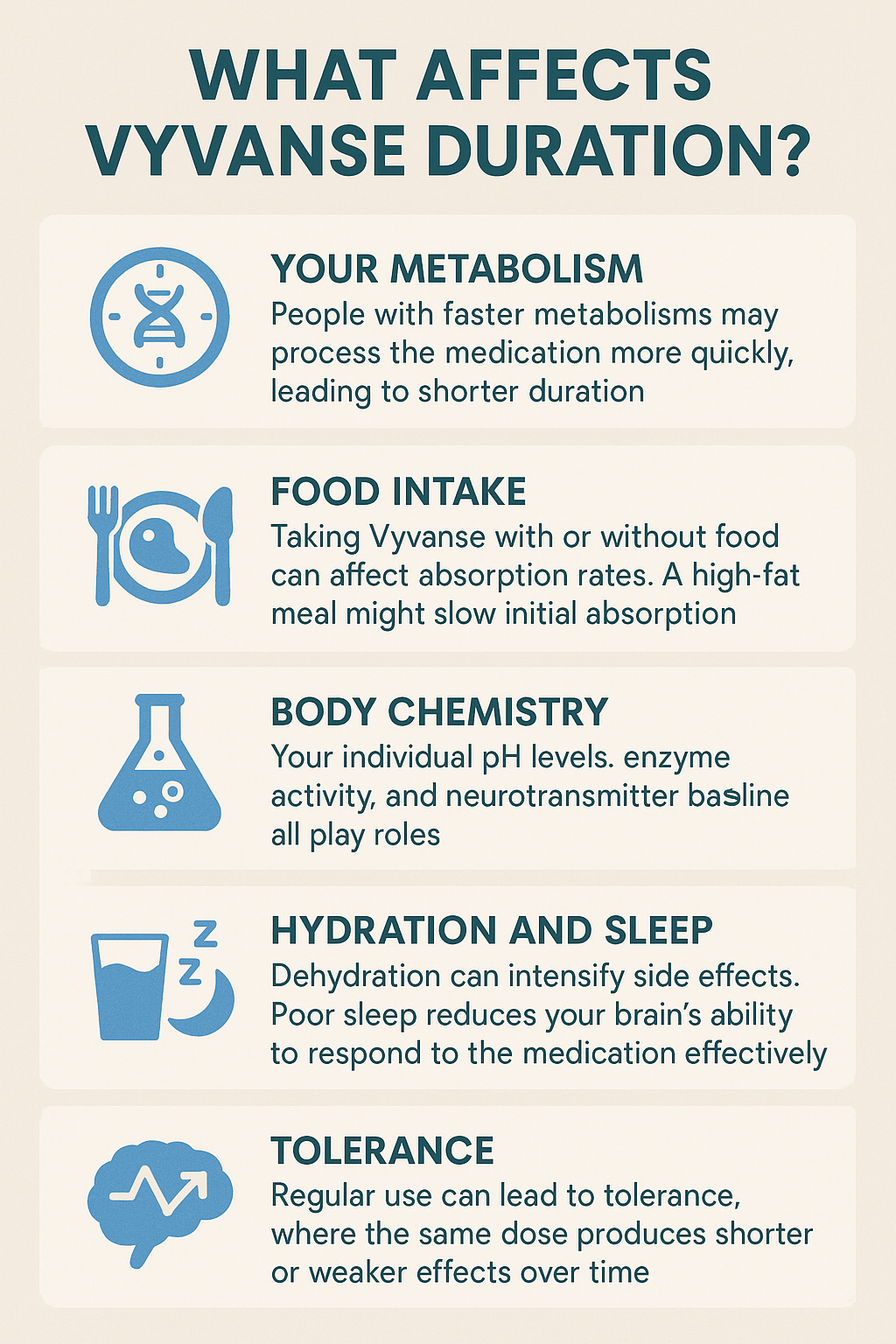
Several physiological and contextual factors can influence how quickly Vyvanse takes effect. Understanding these variables can empower patients to manage their expectations realistically.
- Metabolism: Every individual has a unique metabolic rate, which can significantly affect how quickly medications are processed in the body. Faster metabolisms can lead to quicker onset times.
- Food Intake: The presence or absence of food in the stomach when taking Vyvanse can impact its absorption rate. Taking it on an empty stomach generally allows for faster effects.
- Dose Level: The prescribed dosage of Vyvanse can also play a role. Higher doses may have a more pronounced effect sooner, although they also carry an increased risk for side effects.
- Co-existing Conditions: Patients with comorbid conditions, such as anxiety or depression, may experience variations in how quickly Vyvanse begins to work, depending on how these conditions interact with medication metabolism.
- Psychological State: A person’s mental state can influence their perception of the medication’s effects. Anxiety can skew this perception, making it feel as though the medication is taking longer to work.
Expected Duration of Vyvanse Effects
Once Vyvanse begins to work, understanding how long its effects last is crucial for planning daily activities. Patients can typically expect therapeutic effects to endure for 10-14 hours, tapering off gradually as the medication is metabolized.
The peak concentration of the drug in the bloodstream generally occurs around 3-4 hours after ingestion. This means that users may experience the most significant reduction in symptoms during this window, providing optimal focus and impulsivity control. After this peak, the effects can remain beneficial but may gradually decrease in intensity until they are no longer effective. This extended duration, on the order of up to 14 hours, makes Vyvanse a favorable option for many individuals addressing acute ADHD symptoms throughout the day.
The duration also plays a pivotal role in medication adherence. Many patients find that the long-lasting effects of Vyvanse reduce the need for multiple doses throughout the day, which is often the case with short-acting stimulants. This singular daily dose approach can enhance compliance, essential for effective ADHD management.
Does Vyvanse Work on the First Day of Use?
A common question among new users is whether Vyvanse will provide relief on the very first day of use. Generally, patients can expect Vyvanse to start working on the first day, often within the traditional onset time frame of 90 minutes to two hours. Many report noticeable improvements in focus and organization on the first dose, although individual responses may vary. Factors like dosage, individual metabolic rates, and psychological state can also affect the experiences of users right from the get-go.
However, some individuals might not feel the full effects until a few days of consistent dosing have occurred. This delayed response can sometimes lead to frustration among patients looking for immediate results. It’s essential for patients to communicate openly with their healthcare providers about their experiences, so any necessary adjustments can be made to dosing or supplementary therapies.
Understanding that every patient is unique is critical. While many experience benefits early on, others may require time for the medication to build up in the system adequately. Patience and close monitoring are vital components of the overall treatment plan.
How Long Does Vyvanse Last: A Deeper Look
The pharmacokinetics of Vyvanse allow it to provide extended coverage for ADHD symptoms throughout the day, ordinarily lasting from 10 to 14 hours. This is a significant duration compared to other stimulant medications which may necessitate multiple daily doses. The smooth release of dextroamphetamine, its active form, allows for less variability during the duration of effect, which many patients and caregivers appreciate.
After the peak effects, patients typically experience a gradual decline in efficacy. Some users have noted that the medication does not abruptly stop working but instead diminishes in effectiveness, providing a smoother transition towards the end of the dosing period. This aspect is particularly beneficial in mitigating the potential for rebound symptoms, which can manifest as increased impulsivity or hyperactivity when medication levels drop quickly.
It’s also worth mentioning that the relief from Vyvanse is dose-dependent. For instance, patients who are prescribed higher doses may enjoy therapeutic effects that extend even longer before tapering off. However, this is also closely tied to individual variation, meaning that discussions with healthcare providers regarding dosing and duration are vital. More does not always equate to better — individual responsiveness is paramount.
Comparing Vyvanse with Other Stimulants
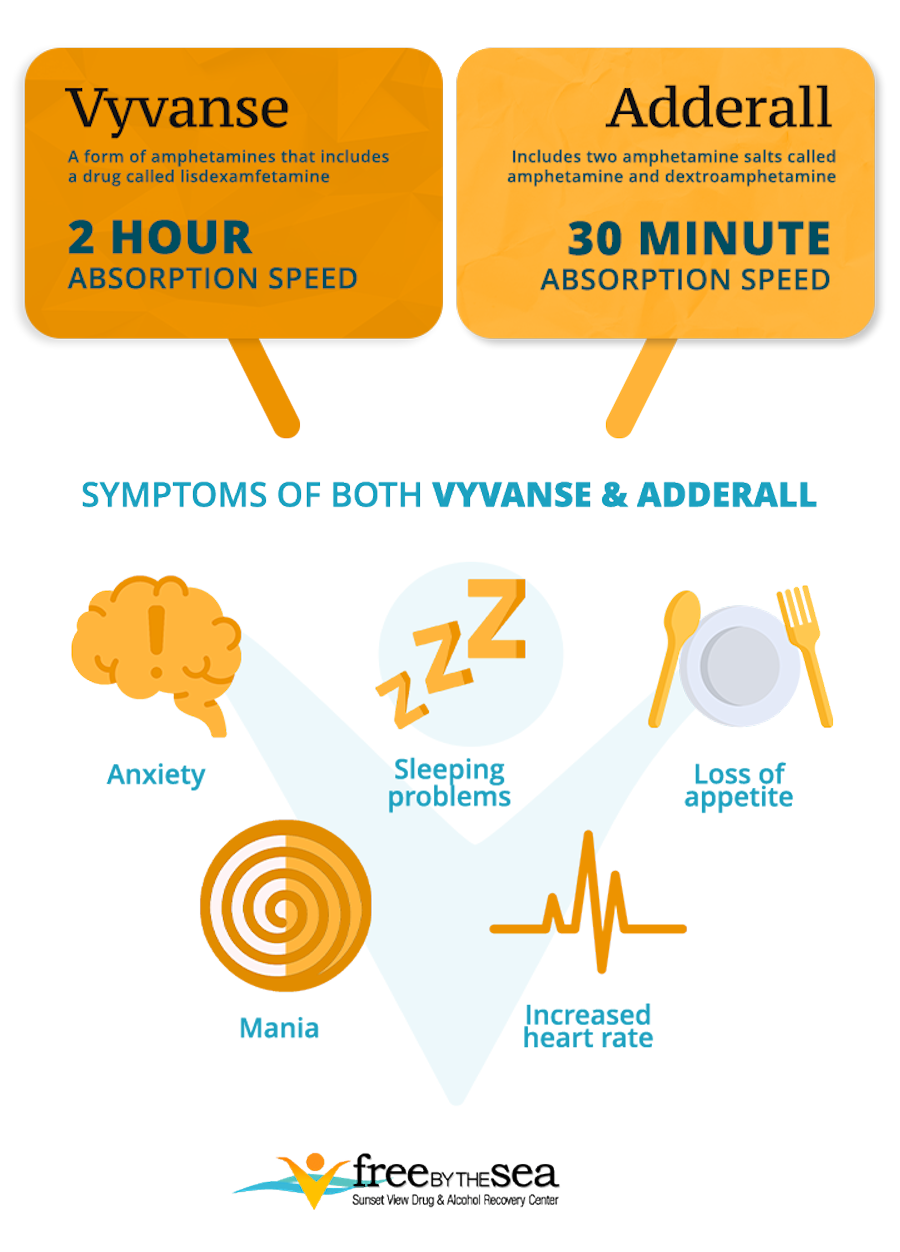
Understanding how Vyvanse fits into the broader landscape of stimulant medications can provide additional context. Stimulants such as Adderall or Ritalin often show a quicker onset time, typically working within 30 minutes. In contrast, Vyvanse takes longer to kick in due to its prodrug nature. However, the extended duration of Vyvanse makes it attractive for many users.
Another critical difference lies in the experience of the effects. Many users report that Vyvanse provides a smoother experience, avoiding the sudden spikes and crashes often associated with other stimulants. This attribute can make it a better choice for those who might be sensitive to the fluctuations in energy and focus that traditional stimulants might invoke.
Ultimately, the choice between Vyvanse and other stimulants will depend on a variety of factors, including individual symptoms, lifestyle needs, and professional guidance from healthcare providers. It’s essential to consider all options and weigh the pros and cons of each medication based on individual patient experiences.
What Are the Side Effects of Vyvanse?
As with any medication, Vyvanse is not without its side effects. While many users appreciate the medication’s effectiveness in managing ADHD symptoms, some may experience adverse effects. Understanding these potential side effects can help in making informed decisions.
The most common side effects of Vyvanse include:
- Decreased appetite
- Insomnia
- Dry mouth
- Increased heart rate
- Nervousness
For many users, these side effects may diminish over time as their bodies adjust to the medication. However, in some instances, side effects could persist and warrant discussion with a healthcare provider for possible dosage adjustments or alternative treatment options.
In rare circumstances, more serious side effects may occur, such as increased blood pressure or heart complications. Monitoring cardiovascular health is especially important for individuals with pre-existing conditions. Patients should always engage in ongoing dialogue with healthcare providers to ensure safe use of Vyvanse, particularly during the initial stages of treatment.
Common Questions About Vyvanse Onset and Effects
What happens if I miss a dose of Vyvanse?
If you miss a dose of Vyvanse, it is generally advised to take it as soon as you remember on the same day. However, if it’s close to the time of your next dose, skip the missed dose and resume your regular dosing schedule. Taking double doses can increase the risk of side effects.
Can I take Vyvanse with food?
Yes, you can take Vyvanse with food, but it may take longer to feel its effects. Taking it on an empty stomach can accelerate absorption and onset time, typically leading to effects showing up within 90 minutes.
How should Vyvanse be stored?
Vyvanse should be stored at room temperature away from sunlight and moisture. Keep it in its original container and out of reach of children to prevent accidental ingestion.
What should I do if I experience severe side effects?
If you encounter severe side effects such as chest pain, shortness of breath, or severe mood changes, seek immediate medical attention. It’s critical to communicate any concerning symptoms to your healthcare provider promptly.
How does Vyvanse affect adults differently than children?
While Vyvanse is commonly prescribed for both children and adults, the effects may differ depending on age, metabolism, and individual health conditions. Adults may require different dosage adjustments due to various lifestyle factors and physiological differences from children.
Monitoring Your Response to Vyvanse
As with any medication regimen, monitoring your reactions to Vyvanse is crucial for optimal treatment outcomes. Keeping a journal of your experiences can aid in discussions with your healthcare provider, providing valuable insights into how the medication is affecting you over time.
Regular follow-ups, ideally within the first few weeks of starting Vyvanse, are also essential. Adjustments in dosing might be necessary depending on individual experiences, including how long the onset takes and the duration of effectiveness.
Such adjustments can lead to timely changes, ensuring that the patient receives the highest level of care tailored to their unique situation. Having an open line of communication with healthcare providers can facilitate a smoother transition into effective ADHD management.
Conclusion: Key Takeaways on Vyvanse Onset and Effects
Understanding how long it takes for Vyvanse to kick in is vital for anyone considering this medication for ADHD or binge-eating disorder. The expected onset time generally falls within the 90 minutes to two hours range, while the effects can last between 10 to 14 hours, significantly influencing daily functioning.
Factors such as food intake, metabolism, and dosage can impact the onset and duration, thus making tailored treatment solutions crucial. Monitoring individual responses and maintaining communication with healthcare providers helps in optimizing treatment, ensuring safety and effectiveness.
The potential for immediate and longer-lasting effects makes Vyvanse a popular choice for many patients. However, it’s essential to remain aware of the possible side effects and individual differences that can arise. Every patient’s journey is unique, and adjustments may often be necessary to achieve the best possible results.
