🏠 Stay at home! 25% discount on all medicines


Recognizing the Signs Your Vyvanse Dose Is Too High

Vyvanse (lisdexamfetamine) is a widely prescribed medication for managing attention deficit hyperactivity disorder (ADHD) in children and adults. While it can be remarkably effective in helping individuals concentrate, stay organized, and function more effectively in daily life, it is essential for users to be aware of the potential risks associated with taking too high a dose. According to the National Institute of Mental Health, nearly 5% of adults and 11% of children in the United States have been diagnosed with ADHD. With such a significant user base, understanding the implications of dosing is critical.
When prescribed correctly, Vyvanse can lead to improvements in focus and task completion. However, as with any medication, taking an excessively high dose can produce undesirable physical and psychological effects. Studies and reports indicate various symptoms that could signal a dose may be too high. For instance, a survey published in the Journal of Attention Disorders indicated that individuals on stimulants report a range of side effects from overstimulation to mood changes.
This comprehensive article delves into the signs that your Vyvanse dose might be too high, exploring their implications and offering insights into managing your treatment effectively. By recognizing these signs, you can partner more effectively with your healthcare provider to find the ideal dose and improve your quality of life.
Common Physical Symptoms of High Vyvanse Dose
As with many stimulant medications, Vyvanse affects the central nervous system, leading to various physical symptoms that can signal an excessively high dosage. Understanding these symptoms is essential to avoid the potential long-term consequences of overstimulation from the medication.
Elevated Heart Rate and Blood Pressure
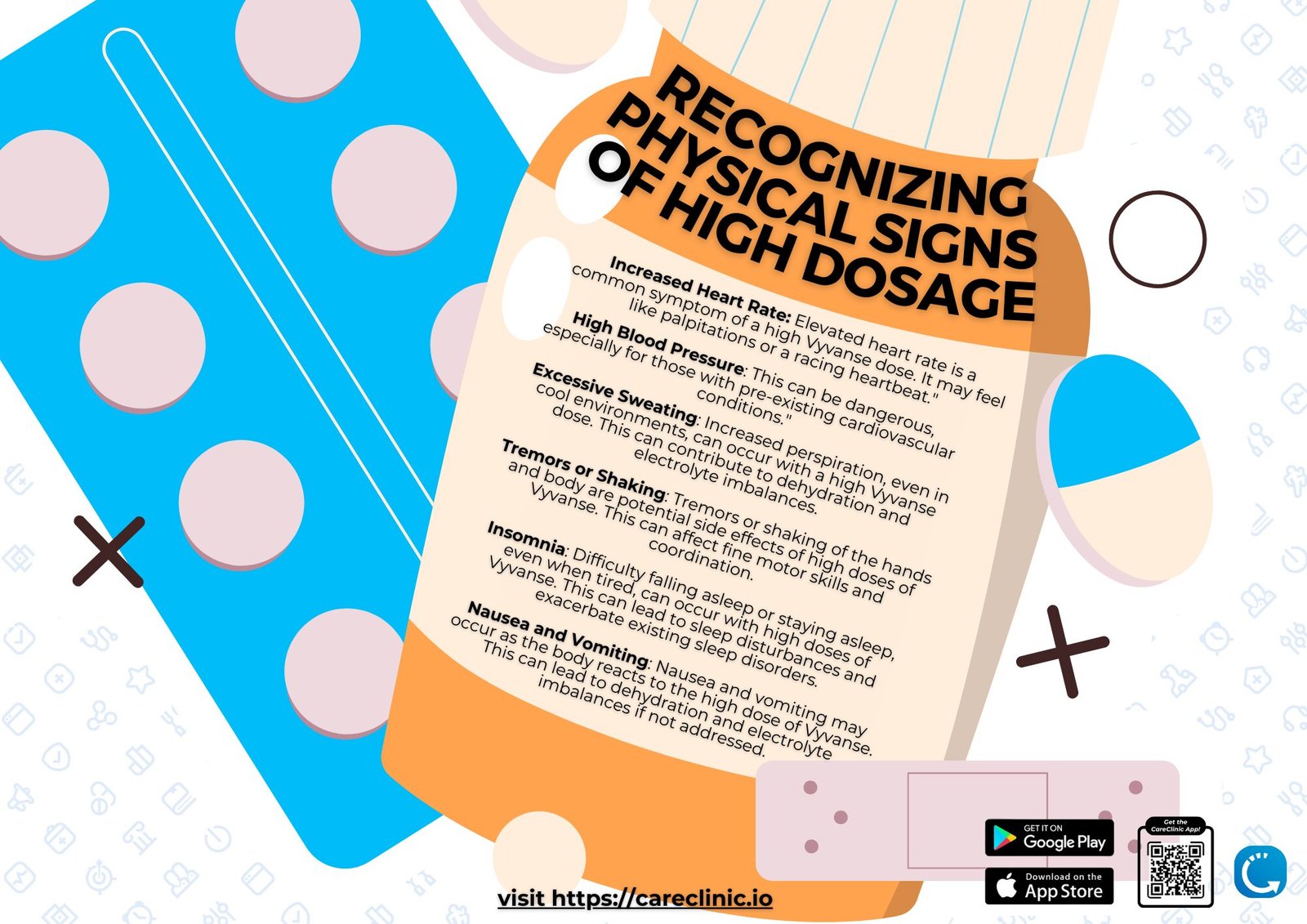
One of the most immediate and noticeable signs that your Vyvanse dose may be too high is experiencing an elevated heart rate. While it is normal for stimulant medications to cause a slight increase in heart rate, a significant or sustained elevation can be problematic. When doses go beyond what your body can comfortably handle, you may notice your heartbeat racing or irregular heartbeats. Medical experts express that a heart rate exceeding 100 beats per minute in a resting state should prompt a reevaluation of the dosage.
In addition to heart rate, high doses can lead to elevated blood pressure, which poses risks such as cardiovascular complications. Research from the American Heart Association highlights the importance of monitoring blood pressure in individuals taking stimulant medications, as prolonged hypertension can result in serious health issues, including heart disease and strokes.
Tremors and Jitters
Another common physical sign that your Vyvanse dose may be too high is experiencing tremors or jitteriness. This overstimulation can manifest as shaky hands or a general feeling of unrest. Such symptoms often indicate that the body is responding to an excess of the stimulant in the system. While these symptoms are relatively benign short-term, they can lead to chronic disruption of daily activities and may interfere with your ability to focus—a primary reason for taking Vyvanse in the first place.
Excessive Sweating and Dry Mouth
Hyperhidrosis, or excessive sweating, is another potential symptom of a high Vyvanse dose. The body’s response to a stimulant often includes an increase in sweat production, which can be uncomfortable and alarming for those experiencing it. While it may not be immediately serious, persistent excessive sweating can lead to dehydration and could be an indication that the body’s natural systems are under stress.
Simultaneously, some individuals on a high Vyvanse dose report dry mouth. This uncomfortable side effect arises from stimulants inhibiting the production of saliva. Although not dangerous in and of itself, chronic dry mouth can lead to dental issues and contribute to further discomfort.
Mood Changes and Psychological Effects
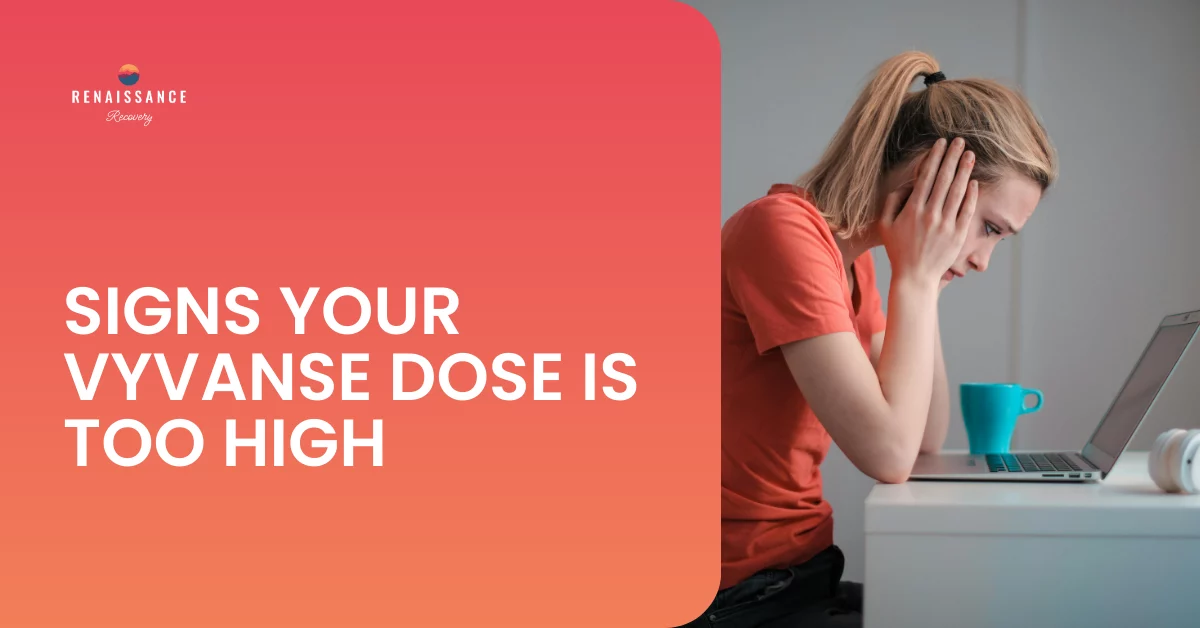
Vyvanse can have significant effects on a user’s mood and behavior, particularly when the dosage is too high. Recognizing these psychological indicators is vital, as they could affect your overall mental health and well-being.
Increased Anxiety and Irritability
Many users report heightened anxiety levels when their Vyvanse dose is too high. Overstimulation of the central nervous system can lead to racing thoughts, restlessness, and an overwhelming sense of nervousness. The anxiety experienced may be distinct from one’s normal emotional responses and can interfere with daily activities, social interactions, and overall quality of life.
Concomitant irritability may also surface. One study published in the International Journal of Neuropsychopharmacology notes that stimulant medications can cause profound mood swings when taken in high doses. Such changes affect relationships and social dynamics, increasing the importance of finding the right dose for each individual.
Feeling Overwhelmed and Restless
Users may also feel overwhelmed when their Vyvanse dosage is excessively high. The overstimulation can result in a state of mental agitation, leading to difficulties in concentrating, completing tasks, and interacting with others. These feelings of restlessness can manifest in an inability to sit still or calm oneself, contributing to a cycle of anxiety and frustration. Therefore, identifying this symptom early can guide individuals to reassess dosage levels in consultation with their healthcare provider.
Insomnia and Disturbed Sleep Patterns
The impact of a high Vyvanse dosage on sleep can be significant. Insomnia, or difficulty falling and staying asleep, is frequently reported among users on doses exceeding their needs. Stimulants can interfere with the natural sleep-wake cycle, leading to a state of perpetual fatigue during the day while struggling to sleep at night. Chronic sleep disturbances can result in increased irritability, cognitive impairments, and a reduction in overall health.
Gastrointestinal Upset and Appetite Changes
It is increasingly recognized that stimulant medications can disrupt normal gastrointestinal functioning, often linked to dose levels. Users should be aware of how Vyvanse affects appetite and digestion to prevent additional health complications.
Digestive Issues: Nausea and Constipation
Some individuals on high doses of Vyvanse report experiencing gastrointestinal upset, including nausea and constipation. This occurs as the body reacts to the stimulant’s effects, which can lead to a reduced appetite and digestive irregularities. Constipation in particular can create discomfort and exacerbate other anxiety-related symptoms. If digestive issues persist, it is essential to talk with a healthcare provider to adjust the dose or explore kidney health further, as these symptoms can compromise overall wellness.
Loss of Appetite and Weight Loss
Another notable effect of high doses of Vyvanse is appetite suppression. While some users may welcome weight loss as a side effect, it can have grave consequences for overall health. Prolonged doses that significantly reduce appetite can lead to unhealthy weight loss and nutritional deficiencies. This is particularly concerning in children and adolescents whose growth and development can be negatively affected by insufficient calorie intake and proper nutrition.
Potential Long-term Health Risks of High Vyvanse Dose
Long-term usage of high doses of Vyvanse comes with various health risks that should not be ignored. Early intervention can prevent chronic complications that could arise from both physical and mental health perspectives.
Cardiovascular Complications
Longitudinal studies have demonstrated that sustained high doses of amphetamine-based treatments like Vyvanse can lead to detrimental cardiovascular health impacts. Chronic hypertension, nutrient depletion, and heightened heart rates can significantly increase an individual’s risk for heart attack, stroke, and other cardiovascular diseases over time. It is essential for patients to undergo regular health check-ups while on Vyvanse, especially to monitor cardiovascular health.
Dependency and Addiction Risks
Increased doses may lead to dependency and potential substance abuse issues. Vyvanse is classified as a Schedule II controlled substance, reflecting higher addiction potential compared to other medications. Research indicates that individuals who misuse stimulant medications often do so to seek euphoria or increase performance and focus. Therefore, it is crucial to adhere to prescribed dosages and consult your provider regarding any concerns about escalating doses.
Emotional and Psychological Consequences
On a psychological level, high doses can lead to chronic stress, increase anxiety disorders, or exacerbate existing mental health conditions. Over time, these psychological shifts can manifest as mood disorders, such as depression or anxiety, requiring even greater intervention. The emotional toll can spur feelings of isolation or difficulty maintaining personal relationships.
Managing Vyvanse Dosing Effectively
Understanding how to manage Vyvanse dosing is essential for maintaining physical and emotional health. Individuals should work closely with their healthcare providers to ensure appropriate prescribing, monitoring, and adjustment of medications as necessary.
Consultation with Healthcare Providers
Ongoing communication with healthcare providers is crucial for anyone taking Vyvanse. Regular consultations allow professionals to monitor dosage effects, discuss any emerging symptoms, and adjust prescriptions as needed. Individuals should be honest about any side effects they experience and participate actively in their treatment plans. Your doctor may recommend dosage adjustments or an alternative medication approach based on the feedback provided.
Monitoring and Self-Care Practices
Self-monitoring of symptoms should accompany professional oversight. Keeping a symptom diary can help individuals identify patterns associated with their medication intake and assist healthcare providers in treatment decisions. Practicing good self-care, such as maintaining a balanced diet, regular exercise, and healthy sleep hygiene, may also help mitigate negative side effects. Additionally, implementing mindfulness practices can assist in managing anxiety or overstimulation associated with Vyvanse.
Adjustment Considerations
Adjustments to dosage may be necessary depending on numerous factors, including age, body weight, metabolism, and concurrent medications. It is advisable to change doses gradually under medical supervision to avoid withdrawal symptoms or exacerbating any negative side effects.
Frequently Asked Questions About Vyvanse Dosing
What is the average dose of Vyvanse for adults?
The recommended starting dose of Vyvanse for adults is typically 30 mg daily, but this can be adjusted based on individual response and tolerance. Physicians often increase the dose gradually to a maximum of 70 mg per day, considering that individual needs and metabolic rates can differ significantly.
How do I know if my Vyvanse dose is too low?
Signs of an insufficient Vyvanse dose may include persistent difficulties with focus, executive function, or impulse control. If you feel like the drug is not helping you as expected, or if you notice a gradual return of ADHD symptoms, it is essential to consult a healthcare provider.
What should I do if I accidentally took 120 mg of Vyvanse?
If someone suspects they have taken a significantly higher dose of Vyvanse, such as 120 mg, it is imperative to seek immediate medical attention. Symptoms of overdose can include rapid heartbeat, increased blood pressure, agitation, and potential cardiovascular complications. Quick intervention may help to mitigate potential long-term consequences.
What are the signs that Vyvanse is too low for a child?
In children, signs of a low Vyvanse dose can manifest as persistent inattention, hyperactivity, or impulsivity even while on medication. Parents should communicate any changes in behavior or symptoms to their healthcare provider to ensure appropriate dosage adjustments.
How can I mitigate side effects when my Vyvanse dose is too high?
When experiencing side effects from too high a Vyvanse dose, the first step is to consult with your healthcare provider about potential adjustments. Taking care of basic health needs—adequate hydration, proper nutrition, regular physical activity, and sufficient sleep—can also help mitigate some of the adverse effects you may experience.
Can I safely reduce my Vyvanse dose on my own?
It is inadvisable to change your Vyvanse dosage without first consulting a healthcare provider. Adjustments should be carried out under professional supervision to ensure it is done safely without risking withdrawal symptoms or adverse effects.
The Importance of Continuous Monitoring
Managing ADHD with Vyvanse can be a balancing act that requires careful monitoring and flexibility. Understanding the signs that your Vyvanse dose may be too high helps support effective treatment and enable a better quality of life. Educated patients who actively monitor their health are more likely to communicate effectively with their healthcare providers, ensure proper dosing, and access the support necessary to manage their condition effectively.
As scientific understanding of ADHD and its treatment evolves, continual engagement with health professionals ensures that patients can achieve optimal control of symptoms while minimizing side effects. Living with attention deficit hyperactivity disorder is uniquely challenging, but with proper guidance, medication management, and a willingness to adapt, many individuals can thrive and achieve their personal and professional goals.
