🏠 Stay at home! 25% discount on all medicines


Is Vyvanse a Controlled Substance? Understanding Its Classification and Implications

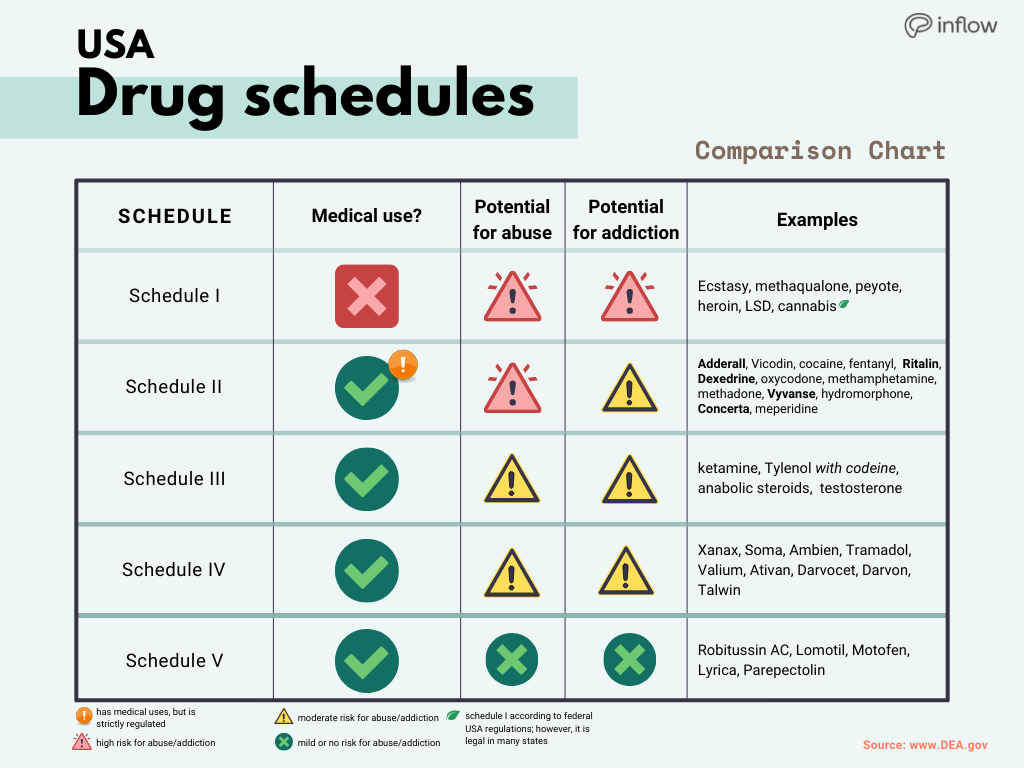
When it comes to prescriptions for Attention Deficit Hyperactivity Disorder (ADHD) and certain eating disorders, Vyvanse is a name that frequently comes up. Yet, a critical question surrounding this medication is whether it is a controlled substance. The reality is that Vyvanse, known generically as lisdexamfetamine dimesylate, is classified as a Schedule II controlled substance under federal law. This classification stems from its composition and potential for abuse, which raises important considerations for patients and healthcare providers alike.
According to the Drug Enforcement Administration (DEA), Schedule II drugs have a high potential for abuse and can lead to severe psychological or physical dependence. This classification applies to several medications, including prescription opioids and certain stimulants, making Vyvanse’s status particularly noteworthy. Understanding Vyvanse’s classification is essential for anyone who is prescribed this medication or interested in its implications on health and legality.
This comprehensive article aims to explore in detail the classification of Vyvanse, why it is a controlled substance, the implications for users, and answers to commonly asked questions. Whether you’re a healthcare professional, a patient, or simply curious, this guide will provide valuable insights into the realm of controlled substances and Vyvanse’s place within it.
Why Is Vyvanse Classified as a Controlled Substance?
Vyvanse being a Schedule II controlled substance is fundamentally linked to its status as a stimulant medication. Stimulants, including those that contain amphetamines, have demonstrated potential for misuse and abuse, which necessitates strict regulatory measures. This potential arises from the effects these drugs have on the central nervous system (CNS).
The DEA’s classification reflects both the drug’s action and its intended use. Vyvanse is designed to treat ADHD by increasing levels of dopamine and norepinephrine in the brain, neurotransmitters associated with focus and attention. However, these same effects can make the drug appealing for misuse, especially among individuals seeking to enhance their cognitive performance or for recreational purposes.
Furthermore, Vyvanse’s chemical structure significantly contributes to its classification. As a prodrug, it requires metabolic conversion in the body to become active, which gives it a lower potential for immediate abuse compared to other CNS stimulants like Adderall. However, once it is converted, it can still lead to the development of tolerance and dependence, which the DEA categorized under the Schedule II criterion.
What Are the Risks of Misuse?
Misuse of Vyvanse can lead to numerous health risks. Individuals may misuse this medication by taking higher doses than prescribed, snorting the powdered form, or combining it with other substances to intensify its effects. The inherent risks vary from anxiety and insomnia to more severe complications like cardiovascular problems and substance use disorder (SUD).
The specificity of Vyvanse’s formulation also presents unique challenges when it comes to misuse. While its prodrug property means it takes longer to have an effect, the danger lies in individuals misunderstanding this property and inadvertently taking more with the hope of achieving faster or stronger results.
Physicians and healthcare providers must communicate these risks to patients when prescribing Vyvanse. Regular follow-ups are crucial to monitoring any signs of misuse or dependence, ensuring that treatment remains effective and safe. Education about the responsible use of Vyvanse can significantly mitigate the associated risks.
Implications for Prescription and Use
Given Vyvanse’s classification as a controlled substance, obtaining a prescription is subject to stringent regulations. Patients will often be required to undergo comprehensive assessments to confirm the need for such medication, and prescriptions may not be renewed automatically.
Patients must also understand that filling a Vyvanse prescription at the pharmacy may require them to go in person, and regular consultations with their healthcare provider are vital to ensure the medication is being used appropriately.
Healthcare professionals have a responsibility to evaluate the history of substance use in patients presenting for treatment of ADHD. The requirement for follow-up appointments not only supports safe use but also allows doctors to reassess the treatment outcomes and make necessary adjustments in either dosage or therapeutic approach.
Understanding Lisdexamfetamine Dimesylate
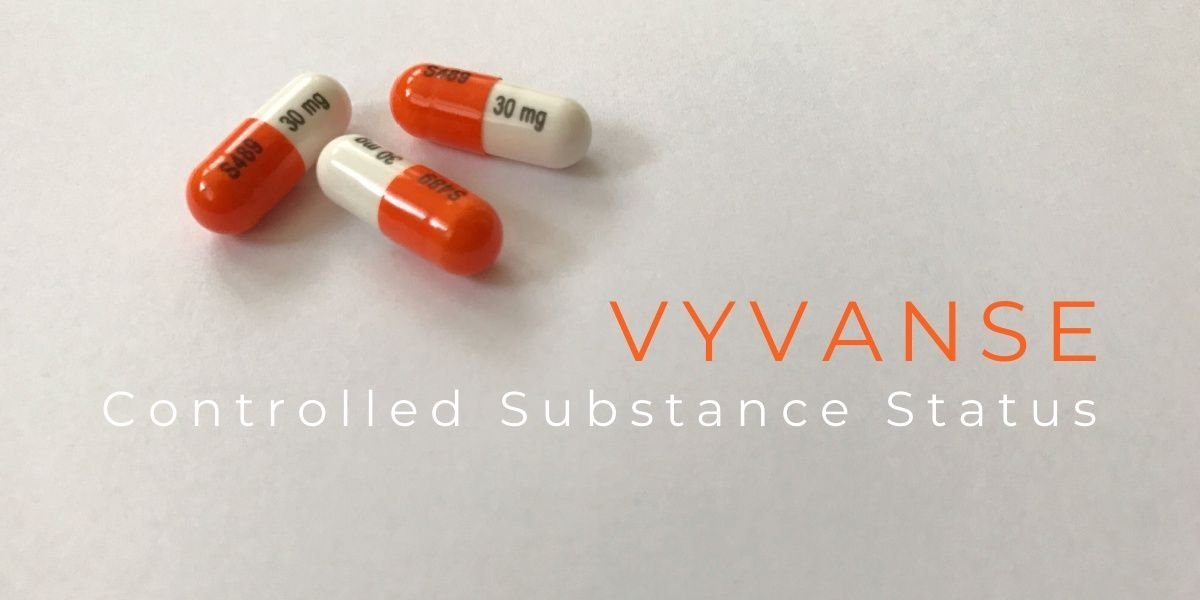
The active ingredient in Vyvanse, lisdexamfetamine dimesylate, is a unique compound. It is essential to understand how lisdexamfetamine functions biologically and why it operates as a stimulant medication designed for ADHD and other conditions.
Lisdexamfetamine is converted into dextroamphetamine in the body, which is the active agent responsible for increasing attention and reducing impulsivity. The conversion process means that the stimulant effect is extended, providing a more stable pharmacological response compared to immediate-release formulations of other stimulants.
This design aims to mitigate the high of immediate drug release that often leads to misuse. The extended time for lisdexamfetamine to reach peak levels has been one reason why its abuse potential is perceived to be lower than that of traditional amphetamines. However, the fact that it can still be misused underscores the importance of awareness among prescribers and patients alike.
How Does Lisdexamfetamine Compare With Other Stimulants?
In comparison to other stimulant medications, such as Adderall or Ritalin, lisdexamfetamine presents distinct differences. While both Vyvanse and Adderall contain amphetamines—part of the Schedule II classification—Adderall is an immediate-release formulation that can lead to a quicker onset of effects, hence a higher immediate abuse potential.
Users may perceive Vyvanse as safer due to its prodrug status. However, the reality is that both medications carry risks of dependency and substance abuse, necessitating a very careful approach to their prescription and use. Ultimately, the choice between Vyvanse and other stimulants can depend on individual patient needs, response to treatment, and personal history concerning substance use.
Common Side Effects of Lisdexamfetamine
Like other medications, lisdexamfetamine can cause side effects, some of which may be concerning to users. Common side effects include insomnia, decreased appetite, dry mouth, and headache. These effects can vary in severity and may influence compliance with prescribed treatment.
Some patients may also experience increased heart rate or elevated blood pressure, necessitating monitoring by healthcare providers. Understanding these potential side effects is crucial for patients to make informed decisions regarding their treatment regimen.
Severe side effects are rarer but can include cardiovascular events or psychiatric symptoms such as exacerbation of anxiety or emergence of new behavioral problems. Regular check-ups and open communication with healthcare providers can help identify and mitigate these issues as they arise.
Vyvanse’s Role in Treating ADHD and Its Effectiveness
Vyvanse’s effectiveness in treating ADHD is well-documented, making it a go-to medication for many practitioners. As a stimulant, it operates by enhancing neurotransmitter activity within the CNS, improving focus and self-control among individuals diagnosed with ADHD.
Clinical studies have shown that Vyvanse demonstrates considerable efficacy in reducing core symptoms of ADHD in both children and adults. Its effect can lead to improved performance in academic, professional, and social settings, which enhances the overall quality of life for many users.
Beyond ADHD, Vyvanse is also prescribed for other conditions, including binge eating disorder. In these scenarios, the medication helps regulate impulses related to eating behaviors, contributing to healthier lifestyle choices and improved self-image among patients.
Success Stories: Positive Outcomes with Vyvanse
Various case studies showcase the positive outcomes that patients have experienced with Vyvanse treatment. Individuals often share testimonies about their improved focus and productivity levels, leading to better academic performance or workplace efficiency.
Many users report that, after starting Vyvanse, they find it easier to manage day-to-day tasks and maintain relationships, as the urge for impulsive behaviors diminishes. These success stories illustrate not only the immediate benefits of Vyvanse but also the long-term potential for restoring functionality in various aspects of life.
Furthermore, families of patients have noticed a transformative effect, particularly in children and adolescents whose impulsivity can lead to disciplinary problems or conflicts in social settings. The impact of Vyvanse extends beyond the individual, affecting familial and social dynamics positively.
Challenges in Access and Regulation
Despite its benefits, accessing Vyvanse can be complex due to its classification as a controlled substance. Patients may face bureaucratic hurdles, and some may experience stigma associated with stimulant medications.
Prescriptions require stringent adherence to regulations, meaning refills can be tricky, and patients need to prepare to engage with healthcare systems regularly. Additionally, many patients have reported challenges in insurance coverage for Vyvanse, which can create barriers to access.
These challenges hinge on societal attitudes toward controlled substances, further complicated by conversations around addiction and responsible medication use. Addressing these broader societal perceptions is crucial for improving access and ensuring that patients who need Vyvanse can obtain it safely and without unnecessary burden.
The Comparison of Vyvanse and Adderall
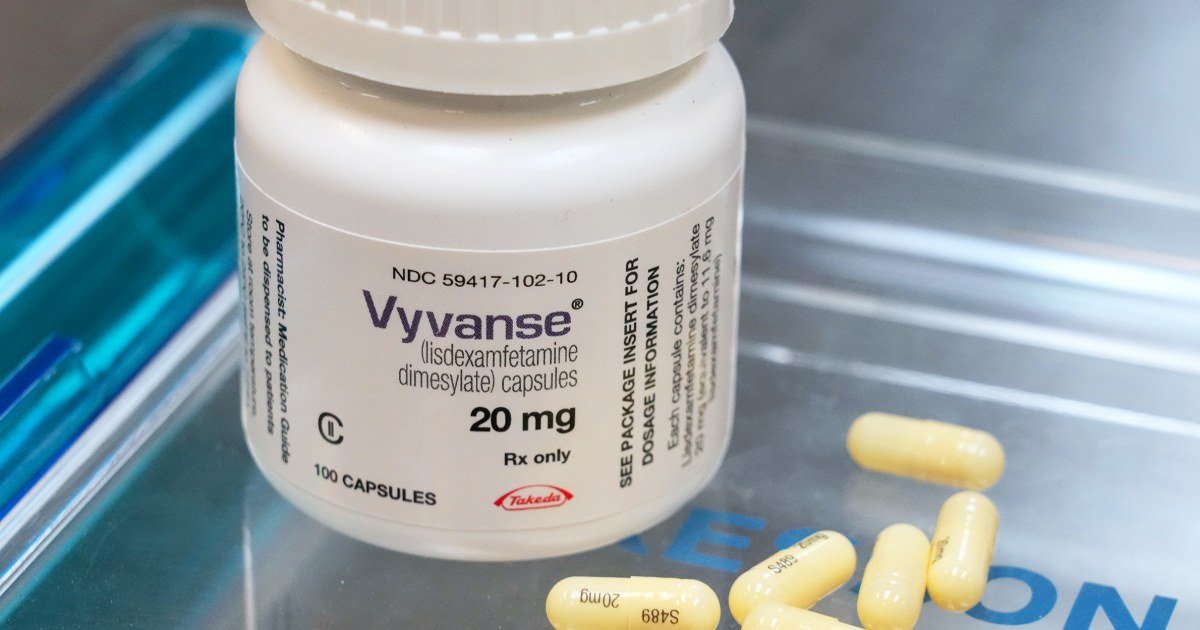
Both Vyvanse and Adderall are central players in the treatment of ADHD, but there are notable differences between these two stimulant medications. Understanding these discrepancies helps patients and providers make informed choices about treatment options.
Adderall, which contains a mixture of amphetamine salts, acts more rapidly compared to Vyvanse. Users may experience effects within 30 minutes, while Vyvanse’s prodrug nature means it usually takes about 1 to 2 hours to take effect. This delay can be beneficial for those who prefer a more moderate onset.
In terms of duration, Vyvanse often has a longer half-life than Adderall, making it suitable for individuals needing symptom control throughout the day. Patients may find the once-daily dosage of Vyvanse convenient compared to multiple doses of Adderall. This aspect simplifies management for both patients and healthcare providers.
Which One Is Stronger? Exploring Potency and Efficacy
Debates around which medication is ‘stronger’ can center on individual responses rather than objective measurements of potency. Some patients may find Vyvanse more effective due to its smoother release and fewer side effects, while others prefer Adderall for its rapid onset and flexibility in dosage.
Clinical effectiveness can vary broadly between patients, necessitating careful monitoring and sometimes dose adjustments once treatment begins. What remains consistent among healthcare providers is the importance of individualized treatment plans, recognizing that each patient responds uniquely to ADHD medications.
Ultimately, patients and healthcare providers should engage in thorough discussions to weigh the benefits and drawbacks of both medications, aligning therapeutic goals with personal needs and lifestyle considerations.
Addressing Common Misconceptions about Vyvanse
As Vyvanse has gained popularity, so have the misconceptions surrounding its use and classification. One prevalent myth is that, because it is a prodrug, it has less potential for abuse and dependence. While it is true that Vyvanse is designed to lower the risk of misuse, its ability to convert into an active stimulant still poses legitimate risks.
Another common misconception is the belief that all medications classified as controlled substances are inherently dangerous or should not be used. This perspective ignores the importance of medical supervision, patient education, and responsible use in managing various conditions effectively.
Lastly, misunderstandings about what constitutes a controlled substance can cause confusion among patients and their families. Many individuals may not realize that some highly beneficial medications are under strict regulation precisely to prevent misuse rather than to limit their access for therapeutic purposes.
What Patients Should Know When Prescribed Vyvanse
Patients prescribed Vyvanse should be adequately informed about its classification, risks, and benefits. Engaging in honest discussions with healthcare providers is vital to ensuring that the medication works optimally for individual treatment needs.
Patients should be aware of the importance of following prescription instructions precisely. Variations from the prescribed regimen not only pose risks for misuse but can also compromise the drug’s efficacy in managing symptoms. Regular check-ins with healthcare practitioners can maintain accountability and facilitate necessary adjustments.
Moreover, understanding the legal implications surrounding Vyvanse is essential. Patients must know that possessing and using controlled substances must be done in accordance with medical advice and within the bounds of state and federal laws.
FAQs about Vyvanse
Is Vyvanse considered a narcotic?
No, Vyvanse is not a narcotic. While it is a Schedule II controlled substance, which indicates a potential for abuse, narcotics specifically refer to opioid medications used primarily for pain management. Vyvanse, on the other hand, is a CNS stimulant used mainly in the treatment of ADHD.
Can I get addicted to Vyvanse?
Yes, there is a potential risk for developing a dependency on Vyvanse, particularly if it is misused. While the medication is designed to be used under medical supervision, taking higher doses than prescribed or using it contrary to instructions can lead to addiction. Patients should closely follow prescribing guidelines to mitigate these risks.
How long does Vyvanse stay in your system?
Vyvanse typically remains detectable in the body for approximately 1 to 3 days after use, though it may depend on several factors such as metabolism, duration of usage, and individual health conditions. It is crucial for patients to inform healthcare providers about any Vyvanse use before undergoing medical procedures or drug screenings.
What should I avoid while taking Vyvanse?
While taking Vyvanse, patients should avoid alcohol and other CNS depressants, as they can exacerbate side effects and increase the risk of adverse reactions. Additionally, patients should consult their healthcare provider before starting any new medications or supplements to ensure they do not interact negatively with Vyvanse.
Is Vyvanse safe for children?
Vyvanse is approved for children aged six years and older for the treatment of ADHD. However, safety and efficacy in younger populations are still being evaluated. Parents should work closely with healthcare providers to monitor any side effects and assess the suitability of Vyvanse for treating their child’s symptoms.
What are the alternatives to Vyvanse?
Alternatives to Vyvanse include other stimulant medications such as Adderall and Ritalin. Non-stimulant options, such as Strattera (atomoxetine) and Intuniv (guanfacine), are also available. The choice of medication should be made in consultation with a healthcare provider who can help determine the most appropriate treatment based on individual needs and health profiles.
Conclusion: The Importance of Understanding Controlled Substances
Vyvanse’s classification as a Schedule II controlled substance reflects its potential for misuse and the importance of responsible use under medical guidance. Awareness of its status helps to foster greater understanding among users about the implications of taking such medications.
The medication offers significant benefits for individuals with ADHD by enhancing attention and impulse control, but its usage must be accompanied by monitoring and awareness of risks. Whether discussing Vyvanse with healthcare providers, family members, or peers, maintaining a dialogue around treatment choices will ultimately empower patients to achieve the best outcomes.
For anyone considering Vyvanse or who is currently taking it, understanding the realities of controlled substances is essential for informed decision-making. As patients engage with their healthcare teams, they become active participants in their treatment journeys, paving the way for a healthier and more focused life.
