🏠 Stay at home! 25% discount on all medicines


Concerta vs Vyvanse: A Comprehensive Analysis for ADHD Treatment

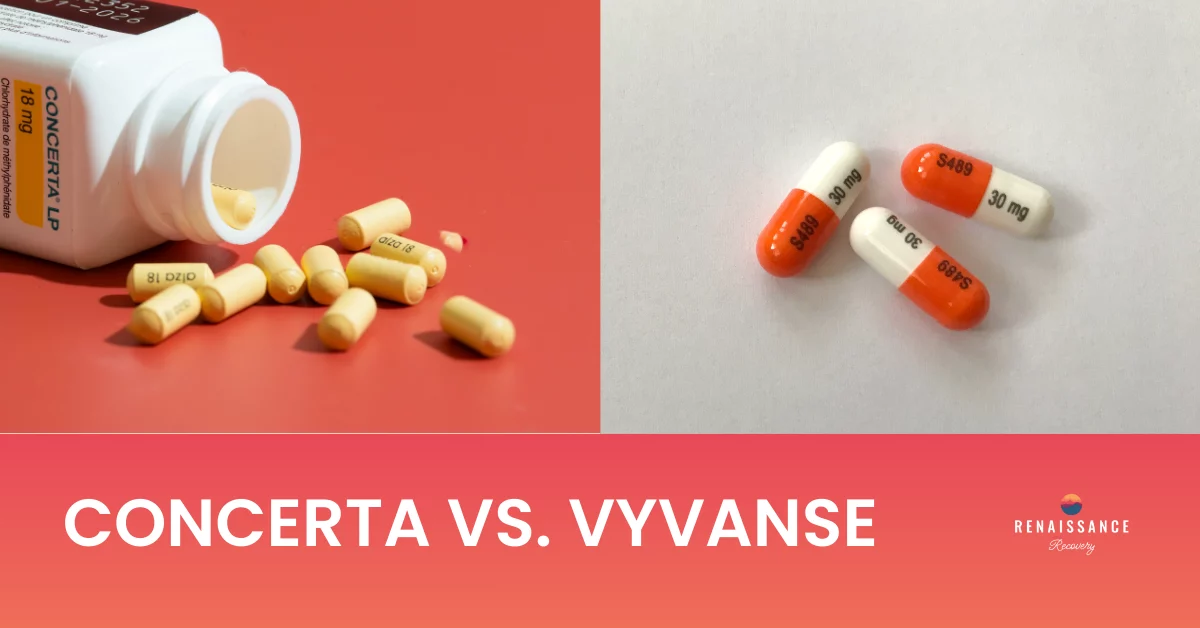
The usage of ADHD medications has skyrocketed over the past few decades, with millions of prescriptions filled each year. Two notable contenders in this arena are Concerta and Vyvanse, both of which are stimulant medications widely prescribed for Attention Deficit Hyperactivity Disorder (ADHD). Despite their common purpose, significant differences exist between these two drugs. Understanding these differences can help patients and caregivers make informed decisions about treatment options.
A striking statistic shows that around 5% of the global population is diagnosed with ADHD, leading to an increasing demand for effective therapeutic solutions. As the prevalence of ADHD grows, so does the conversation surrounding the most suitable medications. Concerta and Vyvanse, while both effective, operate through different mechanisms and have different profiles in terms of side effects, onset of action, and duration of symptom control. This article aims to provide an exhaustive comparison of Concerta and Vyvanse, covering their pharmacological properties, effectiveness, side effects, and user experiences.
Readers can expect to gain insight into the biochemical differences between these two medications, delve into their respective pros and cons, and explore real-world experiences from individuals who have switched from one medication to another. By the end of this article, you’ll be better equipped to discuss options with healthcare providers and understand which medication might be the most effective for managing ADHD symptoms.
Understanding ADHD and the Role of Stimulant Medications
ADHD is characterized by symptoms of inattention, hyperactivity, and impulsivity, making daily functioning challenging for those affected. These symptoms can severely impact academic performance, work capabilities, and personal relationships. The treatment landscape for ADHD has evolved significantly, with stimulant medications being the most commonly prescribed therapeutic options. Stimulants are believed to enhance the levels of certain neurotransmitters in the brain, particularly dopamine and norepinephrine, which aid in regulating attention and behavior.
The primary medications used for treating ADHD can be categorized into two classes: amphetamines and methylphenidates. Concerta falls under the methylphenidate category, while Vyvanse is classified as an amphetamine. This difference stems from the types of compounds they contain, which influences their operational mechanisms within the central nervous system. Understanding the implications of these classifications is essential when exploring the most suitable medication for treating ADHD.
Health professionals often recommend stimulant medications due to their proven efficacy. Studies indicate that stimulants can lead to a significant reduction in symptoms for approximately 70-80% of individuals diagnosed with ADHD. However, the spectrum of response can vary widely among patients, highlighting the necessity for personalized medical approaches and the careful evaluation of treatment options.
Pharmacological Differences: How Concerta and Vyvanse Work
Both Concerta and Vyvanse function as stimulants, but their pharmacological properties exhibit nuanced differences. Concerta, which contains methylphenidate as its active ingredient, is designed to provide continuous stimulant action throughout the day. Its delivery system includes an extended-release mechanism, which allows for a gradual release of medication into the bloodstream, offering a stable therapeutic effect over approximately **10-12 hours**.
On the other hand, Vyvanse operates as a prodrug. This means that it requires metabolic conversion within the body to become active. Specifically, Vyvanse is converted to dextroamphetamine, which is then responsible for its therapeutic effects. This conversion process not only extends the duration of action but also contributes to a smoother onset and offset of effects, typically lasting up to **14 hours**. This property can be particularly appealing for individuals who need consistent symptom management throughout the day.
Both medications are available in capsule form but vary in their dosage options. For instance, Vyvanse dosing begins at lower levels and may require titration based on individual response, whereas Concerta boasts a straightforward dosage based on a well-established release profile.
Effectiveness: Comparing Concerta and Vyvanse for ADHD
When it comes to effectiveness, both Concerta and Vyvanse have garnered positive responses from healthcare professionals and users alike. Research indicates that both medications significantly improve attention, reduce hyperactivity, and elevate overall functioning in individuals with ADHD. However, differences in individual response to either medication can influence perceived effectiveness.
Recent studies have suggested that Vyvanse may demonstrate slightly greater effectiveness in adolescent populations, particularly in controlling impulsive behavior. A common finding indicates that users feel Vyvanse offers a more gradual enhancement of focus without the sudden peaks and troughs experienced with some other stimulants. Conversely, Concerta’s more immediate and pronounced effect may be advantageous for those needing rapid symptom management upon initiating treatment.
Patient testimonials can also shed light on the comparative effectiveness between Concerta and Vyvanse. According to discussions on platforms such as Reddit, many users have shared their experiences switching between the two medications, noting varying levels of satisfaction and efficacy. Some reports showcase that individuals took time to adjust to Vyvanse, eventually finding it better suited to their daily routines and responsibilities.
Side Effects of Concerta and Vyvanse
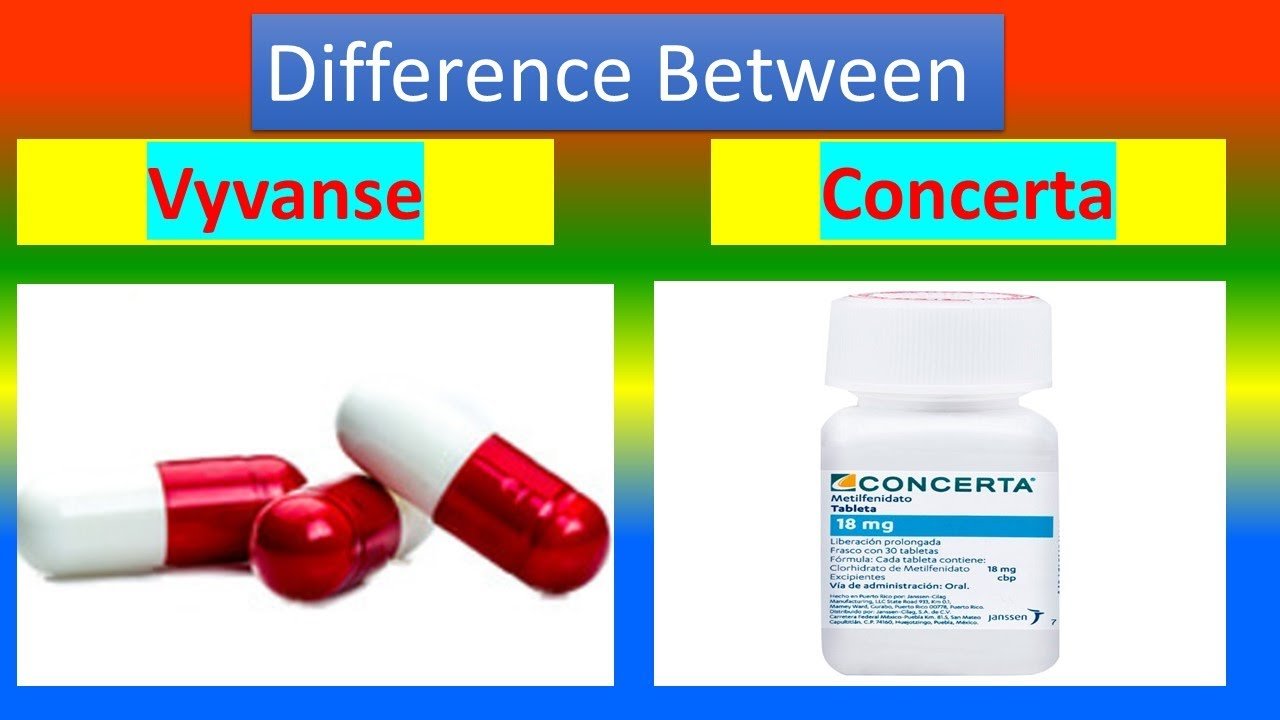
While both Concerta and Vyvanse are considered effective treatments for ADHD, they are not without potential side effects. Understanding these side effects plays a significant role in choosing the appropriate medication. Common side effects associated with both medications include insomnia, decreased appetite, and increased heart rate. However, the incidence and severity of these effects can differ.
Concerta often carries a higher likelihood of causing insomnia and appetite suppression due to its stimulatory effects on the central nervous system. Patients frequently report difficulties with sleep, especially if the medication is taken too late in the day. Moreover, due to its formulation, Concerta can lead to a more abrupt onset of effects, increasing the chances of noticeable side effects initially.
By contrast, Vyvanse’s prodrug formulation generally leads to a smoother pharmacokinetic profile, which can result in fewer side effects for some individuals. Many users have reported a notable absence of the jitteriness associated with some stimulant medications, although Vyvanse can also cause appetite suppression and insomnia but is often more tolerable overall.
Concerta vs Vyvanse: Which is Better for Children?
When prescribing medications for ADHD in children, healthcare professionals often recommend weighing the potential benefits against possible side effects very carefully. Both Concerta and Vyvanse are FDA-approved for use in children, but they may suit different patient profiles based on their individual needs.
Concerta’s long-acting formula may be beneficial for children who require continuous management of ADHD symptoms throughout the school day, allowing for optimal focus during critical hours. The extended-release formulation typically necessitates only a single daily dose, promoting adherence and ease of administration.
Conversely, Vyvanse has been noted for its ability to minimize side effects and provide a steady focus enhancement, particularly in children with fluctuating patterns of behavior or impulsivity. Its gradual onset may help in situations when a quick and robust therapeutic response isn’t essential, such as social activities or after-school engagements. Parents and caregivers often appreciate the flexibility of Vyvanse’s dosing schedule due to its tolerable side effects.
User Experiences and the Transition Between Medications
Sharing experiences is a valuable part of the decision-making process when exploring ADHD medications. Many individuals transitioning from Concerta to Vyvanse or vice versa discuss their various reasons and experiences on forums, highlighting the subjective nature of medication effectiveness. For instance, those who have switched from Concerta to Vyvanse often report a significant improvement in overall symptom control while experiencing fewer side effects like anxiety and heightened heart rate.
Additionally, anecdotal evidence suggests a pattern where users who previously struggled with the abrupt peaks and troughs of Concerta’s effects found Vyvanse to be a game changer. This transition often leads to a more sustained level of focus throughout daily activities. Users describe a smoother transition in mood and behavior, stating they can concentrate better without the rapid release of energy that can sometimes accompany methylphenidate.
On the flip side, some individuals have reported dissatisfaction with Vyvanse’s performance, finding it less effective than anticipated. In these cases, switching back to Concerta remains a viable option. The critical insight here is recognizing that each individual’s response to medication can vary drastically, making a collaborative relationship with healthcare providers crucial in navigating treatment for ADHD.
Pricing and Accessibility: Concerta vs Vyvanse
Affordability remains a pivotal factor for many individuals seeking ADHD treatment. Both Concerta and Vyvanse can be costly, especially for those without robust insurance coverage. Typically, prices vary based on dosage, pharmacy location, and whether generic alternatives are available. As of recent reports, Concerta’s average monthly cost is approximately $500, while Vyvanse can range closer to $800. However, both medications have generic options that can significantly lower the financial burden.
Insurance plans may cover some or all of the costs associated with both medications, but patients are encouraged to verify their specific policies to avoid unexpected out-of-pocket expenses. Generic versions of Concerta and Vyvanse have made these stimulants more accessible for many individuals in need of help.
Moreover, pharmacy discount cards and patient assistance programs can further mitigate costs, allowing greater access to essential medications for those dealing with ADHD. For individuals weighing their options, it is advisable to consult healthcare providers who may assist in navigating insurance benefits or exploring alternative therapies based on personal financial situations.
FAQ Section
1. What is the primary difference between Concerta and Vyvanse?
The primary difference between Concerta and Vyvanse lies in their formulations. Concerta contains methylphenidate and utilizes an extended-release system to provide symptom control for around 10-12 hours. In contrast, Vyvanse is a prodrug that converts into dextroamphetamine after ingestion, allowing for smooth and prolonged action, typically lasting up to 14 hours. Their differing pharmacological profiles lead to variability in effectiveness and side effects among users.
2. Can I switch from Concerta to Vyvanse?
Switching from Concerta to Vyvanse is possible and can be beneficial for some individuals. However, it is crucial to do so under the guidance of a healthcare provider. Dosage adjustments, monitoring for side effects, and evaluating effectiveness will play significant roles in the transition process. Each individual may respond differently to medications, requiring careful management during and after the switch.
3. Are there any long-term side effects associated with Concerta and Vyvanse?
Both Concerta and Vyvanse can present potential long-term side effects, including cardiovascular issues, growth suppression in children, and mental health concerns. It is vital to have regular check-ups with healthcare professionals who can monitor the safety and well-being of patients on these medications over time. Open discussions about potential risks and benefits will contribute to effective long-term management strategies.
4. Which medication is more effective for adults with ADHD?
The effectiveness of Concerta and Vyvanse for adults can vary widely based on individual metabolism, lifestyle factors, and symptom severity. Some studies suggest that Vyvanse may provide smoother, longer-lasting symptom control in adults, while others find Concerta to be just as effective. Consulting with a healthcare professional can help determine the most suitable medication based on personal needs and experiences.
5. How do Concerta and Vyvanse affect blood pressure?
Both Concerta and Vyvanse can potentially increase blood pressure as a side effect. It is essential for individuals on these medications to have their blood pressure monitored regularly, especially if they have pre-existing hypertension or cardiovascular concerns. Adjustments in dosage or medication choice may be necessary based on blood pressure responses during treatment.
6. Can Concerta and Vyvanse be taken together?
It is generally not recommended to take Concerta and Vyvanse together due to their stimulant properties. Combining both medications may increase the risk of adverse effects, including heightened anxiety, increased heart rate, and potential for more severe cardiovascular responses. Always consult with a healthcare provider before making any changes to prescribed treatment regimens.
7. What are the best practices for taking Concerta or Vyvanse?
For optimal results, both Concerta and Vyvanse should be taken as prescribed by a healthcare provider. Generally, Concerta should be taken in the morning with or without food, while Vyvanse can be taken in the morning or evening, although morning administration is preferred to avoid insomnia. Maintaining a consistent schedule and monitoring effects can help in managing ADHD symptoms effectively while minimizing potential side effects.
Conclusion
The debate between Concerta and Vyvanse for managing ADHD continues to evolve as more individuals seek solutions for their symptoms. Both medications have their strengths and weaknesses, depending on patient profiles and personal experiences. While Concerta may offer a more rapid onset of effects, Vyvanse’s smoother delivery and extended duration may be preferable for others.
Ultimately, the choice between Concerta and Vyvanse should not be taken lightly; collaboration with healthcare providers is paramount in identifying which medication aligns best with individual needs. As advancements in ADHD treatment evolve, staying informed about the latest research and patient experiences remains essential for optimizing therapeutic outcomes.
Before making any changes to treatment plans, individuals are encouraged to explore options, ask questions, and strive for open dialogue with their healthcare providers to ensure the best possible management of ADHD symptoms.
