🏠 Stay at home! 25% discount on all medicines


Concerta vs. Vyvanse: A Comprehensive Comparison of ADHD Treatments

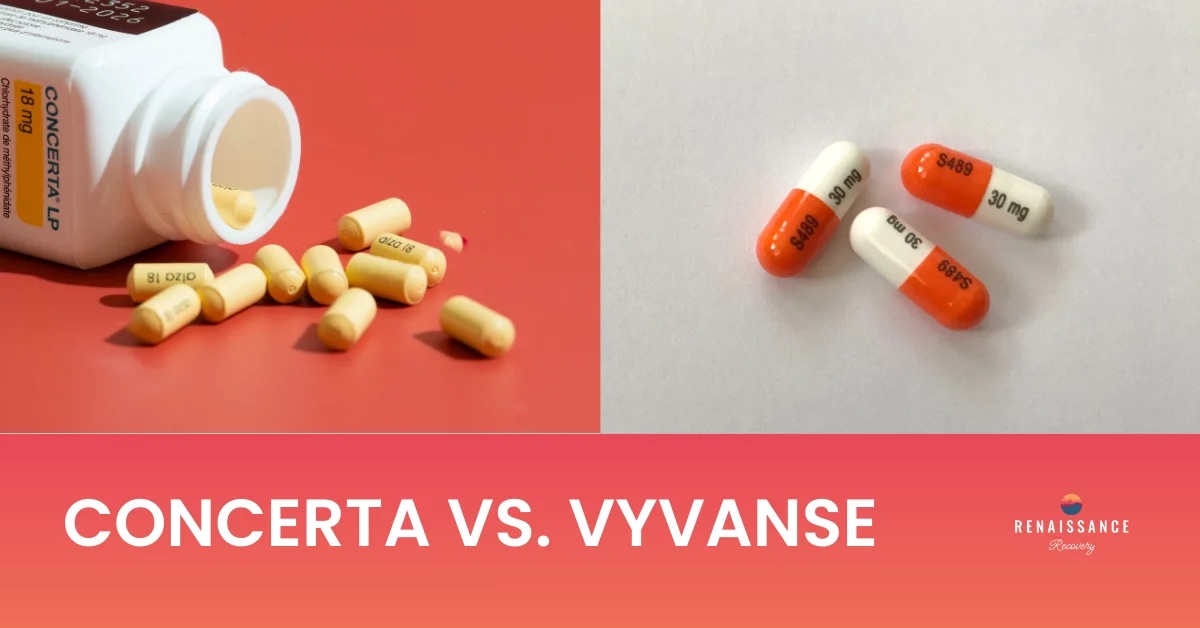
Attention-Deficit/Hyperactivity Disorder (ADHD) affects millions worldwide. In recent years, stimulant medications have become a cornerstone of treatment, helping individuals manage symptoms such as impulsivity, difficulty concentrating, and hyperactivity. Among these medications, Concerta and Vyvanse stand out as two popular options, each boasting unique mechanisms and effects. A remarkable statistic to consider: studies reveal that nearly 70% of children with ADHD show significant improvement when treated with stimulants. However, as diverse as the needs of these patients are, so too are the medications available to them.
Understanding the differences between Concerta and Vyvanse is essential for patients, parents, and healthcare providers. Having a thorough knowledge of each medication enables better decision-making tailored to individual circumstances. While both medications are effective in treating ADHD, they are not interchangeable, as each works through distinct pharmacological pathways.
This article provides a comprehensive comparison of Concerta and Vyvanse. We will explore their key differences, effectiveness, side effects, dosages, and more, enabling readers to better understand which medication might be the right fit for themselves or their children.
Overview of Concerta and Vyvanse
Concerta and Vyvanse are both classified as stimulant medications, which means they enhance brain activity by increasing the levels of certain neurotransmitters. The primary neurotransmitters involved in this process are dopamine and norepinephrine, both of which play crucial roles in attention and focus.
Concerta is a brand name for methylphenidate, which is a central nervous system stimulant that has been used for decades to treat ADHD. It is designed to be a long-acting formulation that provides continuous symptom relief throughout the day. Concerta utilizes a unique delivery system called OROS (osmotic-controlled release oral delivery system), which allows for a gradual release of the medication over time.
On the other hand, Vyvanse is the brand name for lisdexamfetamine, which is an amphetamine derivative. What sets Vyvanse apart is that it is a prodrug, meaning it is inactive until metabolized in the body. This characteristic leads to a smoother onset and a potentially lower risk of abuse compared to traditional stimulants.
Mechanism of Action: How Do They Work?
The mechanisms of action for Concerta and Vyvanse are where we begin to see some key differences. Concerta primarily works by inhibiting the reuptake of dopamine and norepinephrine, resulting in an increase of these neurotransmitters in the synaptic cleft. This heightened availability improves attention, concentration, and impulse control in individuals with ADHD. The OROS system ensures that the release of the medication is steady, providing symptom control for up to 12 hours.
Conversely, Vyvanse works by being converted into its active form – dextroamphetamine – once ingested. This gradual conversion prevents spikes in drug levels and minimizes potential side effects. Dextroamphetamine enhances the release of dopamine and norepinephrine, contributing to improved focus and reduced hyperactivity. Vyvanse is typically effective for up to 14 hours, making it suitable for all-day symptom management.
This critical distinction between being a prodrug and a direct-action stimulant means Vyvanse may be less likely to be misused, which is an essential consideration for prescribing in certain populations.
Concerta vs. Vyvanse: Effectiveness in Treating ADHD
When evaluating Concerta and Vyvanse, a significant question arises: which medication is more effective for managing ADHD symptoms? Clinical studies show that both medications are effective in treating ADHD, but individual responses can vary greatly.
Research indicates that Vyvanse may provide longer-lasting relief and smoother symptom control due to its prodrug nature. In practice, patients often report that Vyvanse has a gentler onset and wanes more gradually—this can lead to fewer crashes or rebound symptoms during the afternoon or evening.
However, Concerta remains a widely used first-line treatment that effectively maintains a steady state of medication in the bloodstream, making it a reliable choice for many individuals. Some studies suggest that in certain younger populations, Concerta’s effectiveness may lag slightly behind Vyvanse’s. Each individual’s needs will dictate which treatment is more suitable.
Side Effects: What to Expect?
Like any medication, both Concerta and Vyvanse come with potential side effects. Understanding these can help patients and caregivers make informed choices. Common side effects for both medications generally include: insomnia, decreased appetite, stomach ache, headache, and irritability.
For Concerta, specific side effects also include:
- Increased heart rate
- Anxiety
- Dry mouth
- Social withdrawal
On the other hand, Vyvanse can cause:
- Fatigue
- Nausea
- Dizziness
- Potential for elevated blood pressure
- Heart palpitations
Ultimately, the side effect profile can vary based on an individual’s health history, other medications, and overall health status. It’s vital to consult with a healthcare provider to monitor and manage any arising side effects.
Concerta vs. Vyvanse Dosage Guidelines
Dosing regimens for both Concerta and Vyvanse are tailored to the individual’s age, weight, and medical history. For adults and children aged 6 years and older, Concerta typically starts at 18 mg per day, with potential increments to 36 mg or up to a maximum of 72 mg daily, depending on clinical response and tolerability.
Conversely, Vyvanse generally begins at a dosage of 30 mg and can be increased gradually to a maximum of 70 mg per day. It’s important to recognize that Vyvanse’s prodrug nature means that varying dosages must be observed in relation to individual metabolic responses.
As always, the final decision on dosage should arise from a comprehensive assessment by a healthcare provider, factoring in the patient’s specific requirements and any existing health concerns.
Concerta vs. Vyvanse Cost Comparison
Cost can be a defining factor in the decision-making process when choosing a medication. Prices vary by location, pharmacy, and whether one has insurance. Typically, both Concerta and Vyvanse can be expensive without insurance, but many plans partially cover these medications.
The retail price for a monthly supply of Concerta ranges from $350 to $500, while Vyvanse may range from $250 to $500, depending on dosage. Generic formulations of methylphenidate have also become available, which may help reduce costs for those needing long-term medication management.
As medication prices can fluctuate dramatically, individuals should consult their pharmacists or insurance providers for the most accurate and up-to-date pricing options.
Concerta vs. Vyvanse: Opinions from Patients and Parents
Online forums and community discussions can provide valuable insight into the experiences of individuals taking Concerta or Vyvanse. In various threads on platforms such as Reddit, users share their perspectives on effectiveness, side effects, and overall satisfaction. Many parents often document how their children respond to each medication, noting that responses can be highly individualized.
For instance, some parents have reported success with Vyvanse due to its smooth onset and longer lasting effects, particularly in managing symptoms throughout the school day. However, other families noted that Concerta’s rapid onset was more suitable for their children’s needs, especially when immediate symptom relief was required.
These subjective accounts highlight the importance of personalized treatment plans and underscore that what works for one child may not necessarily yield the same results for another.
Are There Alternatives to Concerta and Vyvanse?
When considering ADHD medications, it’s essential to recognize that Concerta and Vyvanse are not the only options available. Alternatives exist, including other stimulant medications such as Adderall, Strattera, and Dexedrine, each with their unique characteristics.
Adderall, similar to Vyvanse, is an amphetamine-based ADHD medication. It is effective for many individuals, but its effects may be shorter-lasting compared to Concerta and Vyvanse. Additionally, Strattera is a non-stimulant option that may be more appropriate for certain individuals who prefer to avoid the side effects associated with stimulants.
Those exploring options should engage in an open dialogue with healthcare providers to determine the most suitable medication tailored to their individual health profile and lifestyle.
Concerta vs. Vyvanse: Blood Pressure and Heart Rate Effects
Cardiovascular health is a crucial consideration when prescribing stimulant medications, as both Concerta and Vyvanse may lead to increases in blood pressure and heart rate. For individuals with pre-existing cardiac conditions, careful monitoring is essential.
Recent studies indicate that approximately 3% of patients taking Vyvanse experience significant increases in blood pressure, while a similar percentage has been observed with Concerta. For patients already managing high blood pressure, thorough evaluations before initiating treatment with either medication are vital to ensure safety.
Regular follow-up appointments are advisable to monitor cardiovascular health during treatment, adjusting medications as necessary to mitigate any potential risks.
Frequently Asked Questions
1. Can children take Concerta and Vyvanse?
Yes, both Concerta and Vyvanse are approved for use in children aged 6 and above. However, dosage adjustments will be necessary based on the child’s age, size, and specific needs.
2. Which medication is safer for long-term use?
Both Concerta and Vyvanse have safety profiles well-studied. Generally, long-term use is considered safe for both medications. However, monitoring for potential cardiovascular and psychological side effects is recommended for all patients.
3. Is there a risk of addiction with Concerta or Vyvanse?
All stimulant medications, including Concerta and Vyvanse, have a potential risk for abuse and dependency. However, the risk may be lower for Vyvanse due to its prodrug nature. Patients should follow their prescribing physician’s instructions carefully.
4. How quickly do Concerta and Vyvanse take effect?
Concerta typically takes about 30-60 minutes to start being effective, whereas Vyvanse may take up to two hours depending on individual metabolism.
5. Can adults take these medications?
Yes, both Concerta and Vyvanse are approved for adults with ADHD. The prescribing information outlines specific dosing recommendations for adults.
6. How do I know if one medication is right for me?
Deciding between Concerta and Vyvanse should be based on a detailed discussion with a healthcare provider who can assess medical history, current symptoms, and personal preferences to tailor the best treatment approach.
7. Are there any dietary restrictions while on these medications?
While there are no strict dietary restrictions with Concerta or Vyvanse, avoiding excessive caffeine and maintaining a balanced diet can help manage side effects such as increased heart rate or anxiety.
Final Thoughts on Concerta and Vyvanse
The discussion between Concerta and Vyvanse epitomizes the importance of individualized treatment when addressing ADHD. Both medications possess unique mechanisms of action, effects, and side effects that cater to different patient needs and lifestyle considerations. As both proven effective treatments, their distinction often lies in the nuances of how an individual responds under varying circumstances.
While Vyvanse is often favored for its gradual and prolonged release, Concerta remains a trusted option for many due to its reliable delivery system. Ultimately, the choice between Concerta and Vyvanse should come after consultation with healthcare providers who can guide patients through the intricacies of ADHD treatment and find the best-fit solution.
An informed patient population, aware of the pros and cons of these medications, can lead to better management of ADHD. Through ongoing research and patient feedback, both Concerta and Vyvanse will continue influencing treatment paradigms and bringing relief to those who live with the challenges of ADHD.
