🏠 Stay at home! 25% discount on all medicines


Understanding Vyvanse Side Effects: What You Need to Know

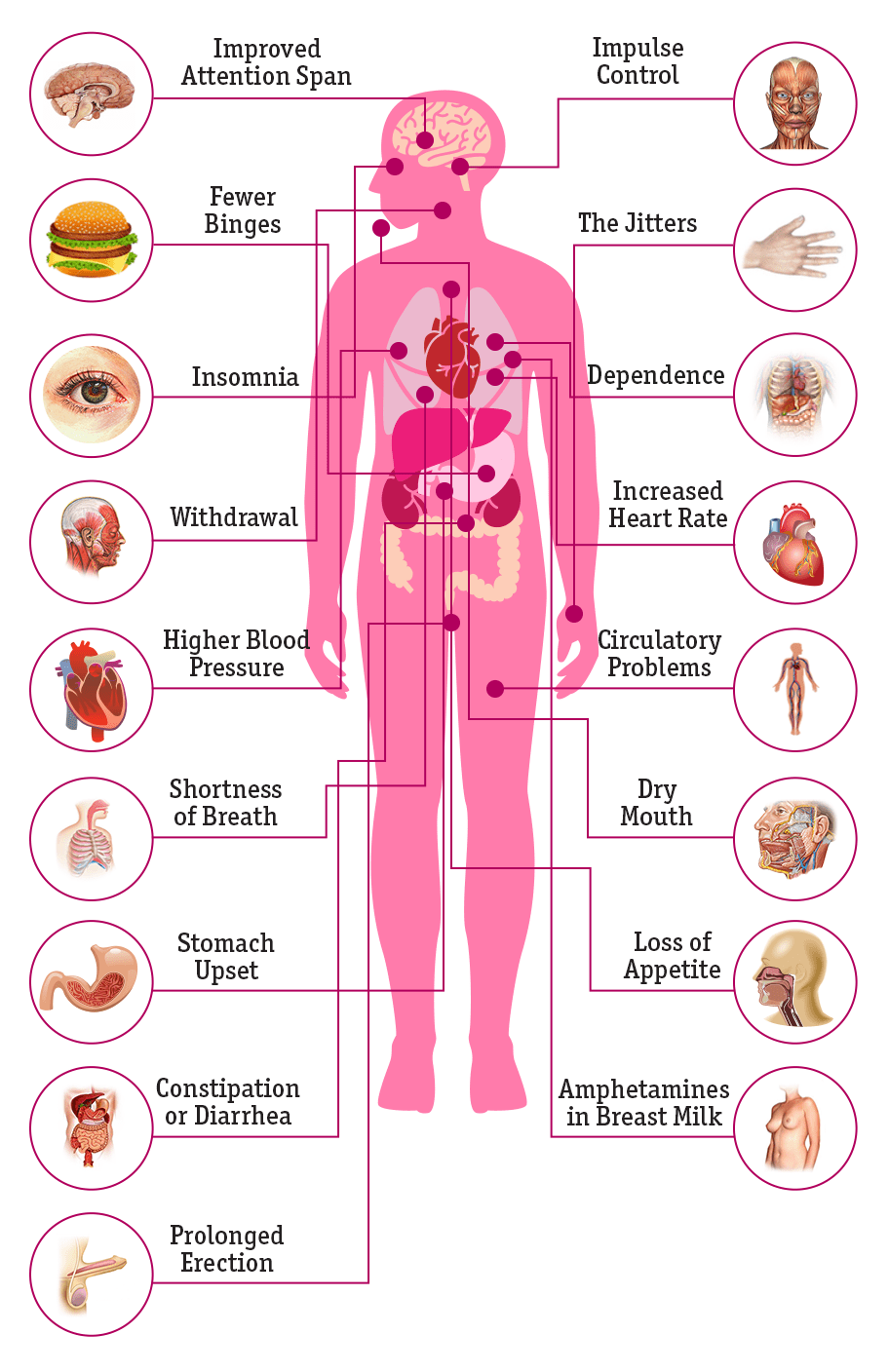
Vyvanse, chemically known as lisdexamfetamine, is a medication primarily used for treating Attention Deficit Hyperactivity Disorder (ADHD) and binge eating disorder. It is intriguing that nearly 2.8% of American adults are diagnosed with ADHD, leading to the increased prescription of stimulant medications like Vyvanse. However, like any medication, Vyvanse is not without its side effects. Understanding these effects is essential for anyone considering or currently using this medication.
The side effects can vary dramatically among individuals, influenced by factors such as age, gender, and unique health conditions. Research indicates that while some may experience minimal side effects, others could face significant challenges. This guide aims to provide an in-depth examination of the side effects associated with Vyvanse, helping individuals make informed decisions about their treatment. Additionally, we will explore how these side effects may differ across demographics, offering valuable insight as one navigates the complexities of ADHD management.
Whether you are a patient, a parent of a child with ADHD, or simply curious about this medication, being equipped with knowledge about Vyvanse side effects can empower you in discussions with healthcare professionals, ensuring a proactive approach to treatment management.
Common Vyvanse Side Effects
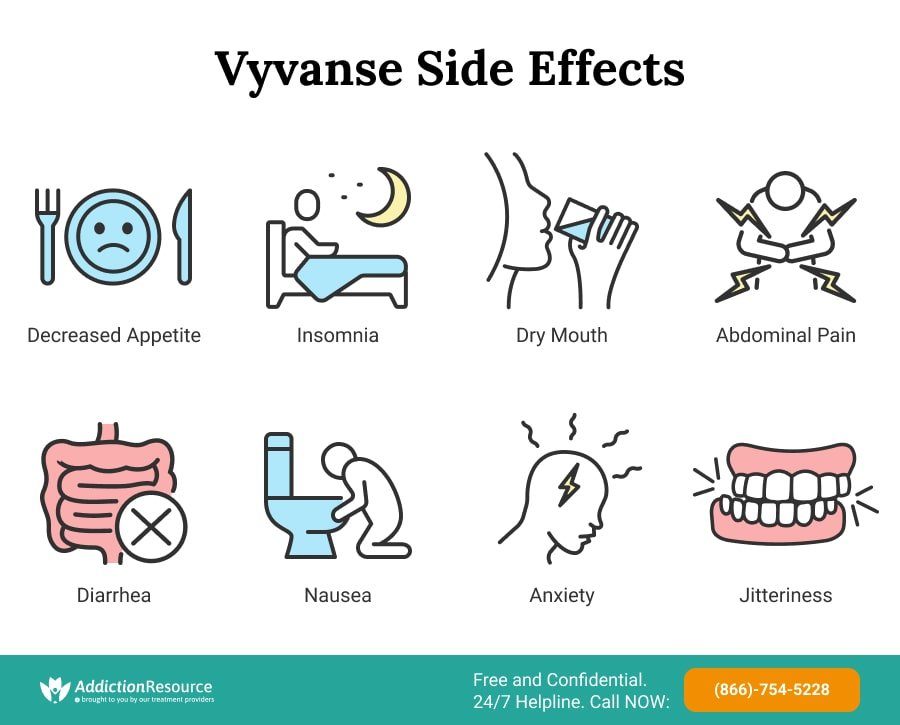
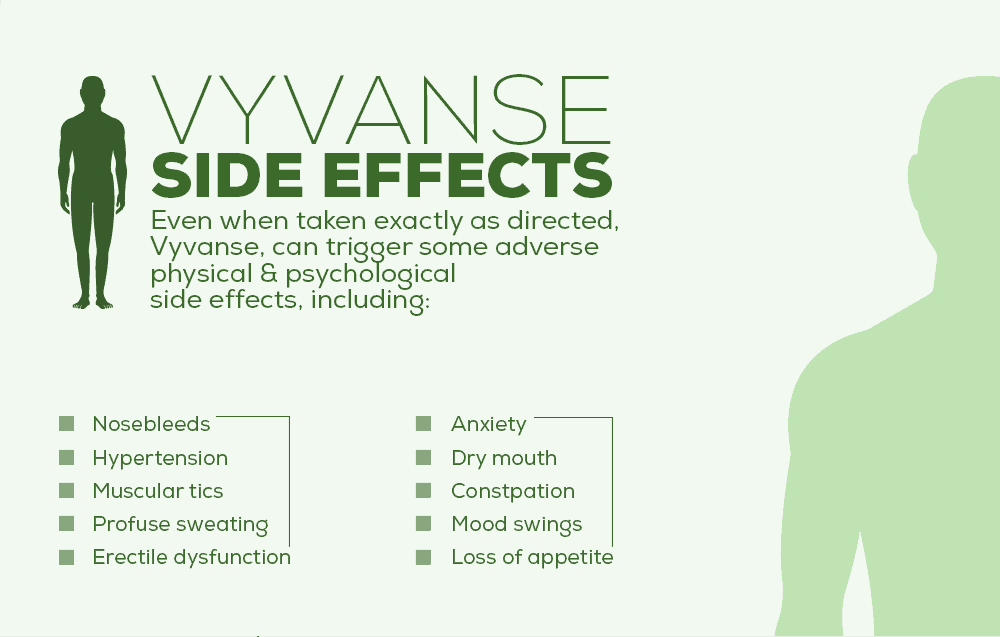
The side effects associated with Vyvanse can range from mild to severe, and understanding these effects is crucial for individuals taking the medication. Commonly reported side effects include:
- Decreased Appetite: One of the most frequently noted side effects of Vyvanse is reduced appetite. Many users report eating less when beginning the medication, which can lead to unintended weight loss, especially in children.
- Dry Mouth: Another common side effect is persistent dry mouth. Patients often describe this sensation as uncomfortable and may find themselves drinking more water to alleviate the dryness.
- Insomnia: Difficulty sleeping is a considerable concern for many Vyvanse users. The stimulant effects of the medication can lead to trouble falling asleep or maintaining sleep throughout the night.
Furthermore, individuals often report feeling headaches, irritability, and stomach discomfort. Although these side effects may improve over time, they are significant enough that individuals should consider them before beginning treatment. The majority of the time, these symptoms fade as the patient’s body adjusts to the medication, yet it is advisable to monitor their presence closely.
How Long Do Vyvanse Side Effects Last?
Understanding the duration of Vyvanse side effects can alleviate anxiety for some patients. The timeline for side effects can depend on various factors, including dosage and duration of use. Generally, most side effects are experienced in the initial stages of treatment—specifically within the first few weeks. After this adjustment period, many users report a decrease in intensity and frequency of side effects.
However, for some patients, side effects may persist for several months or longer. In situations where side effects are prolonged or severe, it is crucial to consult with a healthcare provider who can suggest possible adjustments to dosage or alternative treatment options. Regular follow-ups can prove essential, as they help ensure the medication remains effective without compromising the patient’s quality of life.
Do Vyvanse Side Effects Go Away?
For most individuals, the common side effects of Vyvanse tend to diminish as the body becomes accustomed to the medication. However, not every patient experiences this gradual improvement. Some people may continue to experience significant side effects, prompting the need for alternative treatment strategies. Commonly, decreased appetite and insomnia may persist, particularly if dosage adjustments are not made.
If side effects remain problematic, patients should not hesitate to communicate these concerns to their healthcare provider. A collaborative approach to medication management can lead to optimal outcomes and improved well-being. In many cases, healthcare professionals have suggestions for mitigating side effects or may consider switching to other medications less likely to cause discomfort.
Vyvanse Side Effects in Females
Research indicates that females may experience differing responses to Vyvanse compared to males. While many side effects are similar, specific issues can arise, particularly concerning hormonal fluctuations during the menstrual cycle. Hormonal changes can exacerbate certain side effects such as mood swings and anxiety, potentially complicating ADHD treatment for females.
Additionally, studies have shown that females are more likely to report side effects like painful periods and increased anxiety when taking stimulant medications. These unique experiences underscore the importance of tailored treatment plans that consider gender differences in response to medication. Women seeking treatment should therefore discuss these factors with healthcare professionals to find a regimen that optimally addresses their needs.
Are There Specific Risks for Pregnant Women Taking Vyvanse?
For pregnant women, taking Vyvanse poses additional risks and requires careful consideration. Stimulant medications can potentially impact fetal development, leading to growth restrictions or other complications. Consequently, gynecologists or obstetricians often recommend reevaluating medication needs during pregnancy, a time when hormonal changes can also alter medication effectiveness.
Healthcare professionals may suggest alternative therapeutic modalities during pregnancy—such as behavioral therapies—or closely monitor medication dosages to balance effective treatment while minimizing potential risks. Ultimately, communication with healthcare providers is essential for managing ADHD effectively during pregnancy.
How Do Vyvanse Side Effects Affect Women Postpartum?
The postpartum period can also see fluctuations in side effects for women who have been prescribed Vyvanse prior to childbirth. The transition into motherhood introduces new challenges and changes. Some women report increased feelings of anxiety or irritability, influenced by the stress of motherhood, hormonal changes, and compounded by the stimulant’s effects.
Women who experience heightened side effects such as fatigue or insomnia may find it exceedingly challenging to adjust to their new roles. Mental health remains a top concern in this critical period, prompting the need for clear discussions with healthcare providers. Adjustments in medication or complementary therapies may frequently be beneficial in supporting better overall mental health during postpartum recovery.
Vyvanse Side Effects in Children
Vyvanse is an effective treatment option for children diagnosed with ADHD, but it is crucial to monitor side effects closely. Common side effects in children include decreased appetite, stomach pain, and sleep difficulties. Parents must approach these issues with sensitivity, as children may not articulate their discomfort adequately.
Decreased appetite is particularly concerning for children, as it can lead to unintentional weight loss and associated health issues. Regular weight checks and follow-ups with a pediatrician are recommended, facilitating transparent discussions regarding the medication. The child might need dietary modifications or additional nutritional support to counterbalance weight loss associated with Vyvanse.
Are Vyvanse Side Effects in Children Different from Adults?
Children may also exhibit different behavioral and emotional side effects in response to Vyvanse when compared to adults. Young patients might display increased irritability, emotional volatility, or mood swings. This may necessitate more prompt adjustments or communications with healthcare professionals to ensure effective management. Reports of increased anxiety or jitteriness are also common among children, requiring vigilance from caregivers.
Fortunately, many children tend to adjust well to the medication over time, with side effects diminishing as their bodies acclimate. Open discussions between parents, children, and healthcare providers help foster an environment promoting effective treatment and adjustments as necessary.
What Should Parents Monitor in Their Children Taking Vyvanse?
Parents should stay attuned to any changes that might occur following the initiation of Vyvanse treatment. Observations can include changes in appetite, energy levels, sleep patterns, and emotional state. Close monitoring of any abnormal behavioral patterns or distress signals should prompt immediate communication with healthcare providers.
Maintaining structures around meal times, consistent sleep routines, and emotional support will help mitigate potential side effects. The goal is to create an atmosphere conducive to both effective ADHD treatment and overall family well-being.
Comparative Side Effects: Vyvanse vs. Adderall
Vyvanse and Adderall are both stimulant medications prescribed for ADHD, but they have differences in their chemical composition and side effect profiles. While Vyvanse is a prodrug, meaning it requires metabolic conversion to take effect, Adderall consists of a combination of amphetamine salts, leading to more immediate activation. Due to how each medication is processed in the body, the probability and intensity of side effects can vary considerably.
Users of both medications often report side effects such as dry mouth, insomnia, and decreased appetite. However, Vyvanse users may tend to experience these side effects slightly less intensely. Conversely, some individuals may perceive a more acute impact from Adderall’s immediate onset.
Which Medication has More Side Effects?
While both medications share several side effects, anecdotal evidence suggests that Adderall may lead to a broader array of side effects for some individuals, possibly due to its immediate release format. Some individuals report more intense feelings of jitteriness or anxiety when taking Adderall compared to Vyvanse.
Ultimately, the best choice between Vyvanse and Adderall varies widely depending on individual preference and how one’s body processes stimulants. Comprehensive discussions with healthcare providers, alongside individualized trial and error, are typically required to find the best option for each patient. Observing and tracking how each medication affects one’s body can provide insights into which approach to treatment is most effective.
Can the Side Effects of Vyvanse Become Serious?
While many side effects are mild and manageable, certain adverse reactions necessitate immediate attention. Serious side effects, although rare, can occur and may include chest pain, difficulty breathing, or severe allergic reactions.
Patients need to be vigilant about more severe symptoms and consult healthcare professionals when any serious side effects arise. Rapid response to adverse reactions can substantiate safe and reactive treatment goals. Awareness of potential severe side effects contributes to better outcomes overall.
Strategies to Mitigate Vyvanse Side Effects
For many patients encountering bothersome side effects while on Vyvanse, several strategies might help ease discomfort. Incorporating lifestyle changes may assist with common challenges such as decreased appetite, dry mouth, and insomnia.
- Hydration: Staying well-hydrated can alleviate dry mouth. Drinking water or using a humidifier may help ease discomfort.
- Eating Regularly: Balancing meals and snacks throughout the day can prevent excess weight loss. Incorporating high-calorie nutrient-dense snacks helps maintain healthy body weight despite reduced appetite.
- Sleep Hygiene: Establishing a regular sleep routine, along with relaxation techniques, can mitigate insomnia and improve sleep quality.
These proactive measures, coupled with ongoing communication with healthcare professionals, can enhance the treatment experience and ensure that the benefits of Vyvanse outweigh the challenges encountered during use.
When Should You Contact Your Doctor About Side Effects?
Patients should maintain open lines of communication with healthcare providers, especially regarding side effects. Should mild side effects persist beyond the initial adjustment period, reach out to discuss the potential for dosage adjustments or alternative medications. Severe side effects necessitate immediate consultation, particularly when accompanied by significant alterations in daily living, emotional stability, or physical health.
Regular check-ups and assessments allow for timely modifications that can substantiate effective and safe management of symptoms. Patients should not hesitate to seek support whenever they encounter difficulties.
FAQ About Vyvanse Side Effects
1. What are the most common side effects of Vyvanse?
The most common side effects of Vyvanse include decreased appetite, dry mouth, insomnia, headache, and irritability. While these may diminish over time, patients should remain alert and communicate any persistent issues to medical professionals.
2. Are there any long-term side effects associated with Vyvanse?
While Vyvanse is generally well-tolerated, concerns about long-term side effects include potential dependency issues and cardiovascular risks. Continuous monitoring and reevaluation of treatment plans become essential over prolonged use.
3. How can I manage dry mouth caused by Vyvanse?
To help manage dry mouth, patients should stay well-hydrated by drinking water regularly, chewing sugar-free gum, or using saliva substitutes. Humidifiers can also contribute positively by adding moisture to the air.
4. Can Vyvanse affect mood and emotional stability?
Yes, Vyvanse can have impacts on mood and emotional stability, leading to irritability, anxiety, or mood swings in some individuals. Regular communication with healthcare professionals can help navigate these emotional challenges.
5. Is Vyvanse safe for children with ADHD?
Vyvanse is approved for use in children and can be effective in managing ADHD symptoms. However, monitoring for side effects is essential to ensure safety and long-term efficacy.
6. When should I contact a doctor about Vyvanse side effects?
If side effects are severe, persist beyond an acceptable timeframe, or significantly interfere with daily living or emotional well-being, reach out to a healthcare provider for an assessment and possible adjustments in treatment.
7. Does Vyvanse increase the risk of heart issues?
While rare, there are reports indicating that stimulant medications like Vyvanse may increase the risk of cardiovascular complications. Patients with pre-existing heart conditions should be carefully monitored when taking this medication.
Conclusion
In summary, Vyvanse serves as an effective treatment option for managing ADHD and binge eating disorder, but it is essential to remain conscious of potential side effects and their variability among different demographics. Careful monitoring of side effects can facilitate beneficial adjustments, ensuring that patients can maximize medication efficacy while minimizing discomfort.
Understanding the nuances of how Vyvanse might impact different groups—whether children, adults, or females—enables patients and families to adopt a proactive approach to treatment. Engaging with healthcare providers and remaining informed about side effects enhances the overall quality of care.
Equipped with the right knowledge, patients can navigate the complexities of Vyvanse, ultimately supporting a healthier lifestyle that prioritizes mental well-being. Take the initiative to discuss concerns with your healthcare provider, exploring the best pathways to successful ADHD management without compromising quality of life.
