🏠 Stay at home! 25% discount on all medicines


How Long Does It Take Strattera to Work? A Complete Guide

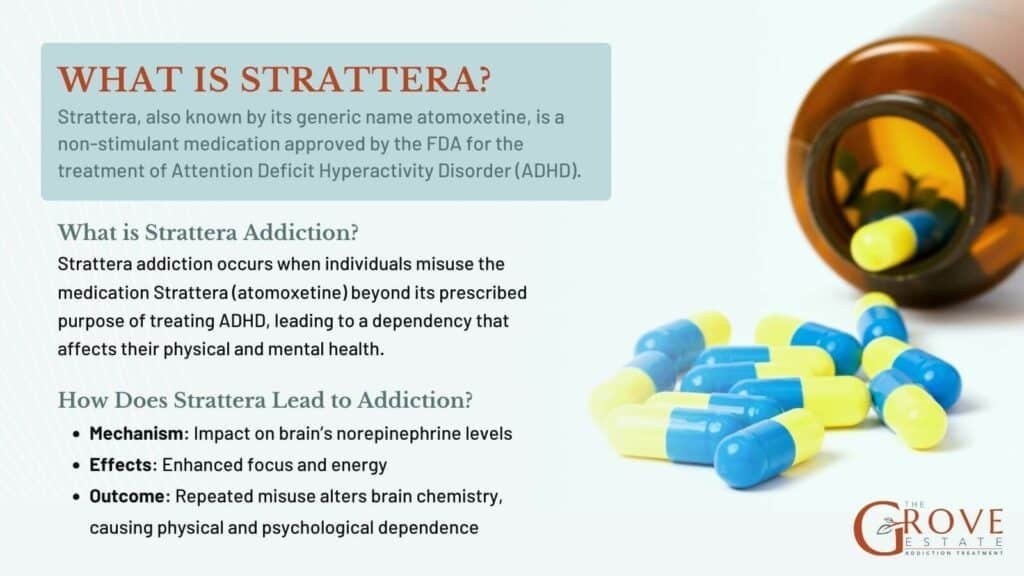
Strattera (atomoxetine) is a medication often prescribed to treat attention deficit hyperactivity disorder (ADHD). Unlike traditional stimulant medications, Strattera works differently by influencing norepinephrine levels in the brain.
Many patients and caregivers often ask, how long does it take Strattera to work? Understanding this timeline is crucial for managing expectations and planning treatment effectively. Generally, individuals may notice some changes within the first week of taking Strattera, but the full effects typically emerge within four to eight weeks.
This comprehensive article will discuss the mechanisms of Strattera, its timeline for efficacy, factors influencing its effectiveness, and common experiences during treatment. By the end, you’ll gain a clearer picture of what to expect when initiating treatment with Strattera for ADHD.
Understanding Strattera: The Basics
Before diving into the specifics of how long Strattera takes to work, it’s important to understand what this medication is. Strattera is an FDA-approved non-stimulant option for ADHD, making it ideal for patients who may experience adverse effects from stimulant medications or those with a history of substance abuse.
Atomoxetine, the active ingredient in Strattera, selectively inhibits the reuptake of norepinephrine—a neurotransmitter that plays a significant role in attention, motivation, and mood regulation. Unlike stimulants, which can provide immediate effects, Strattera requires time to build up in the system and exert its therapeutic effects.
Strattera is typically prescribed as part of a comprehensive ADHD management program, which may include behavioral therapy and lifestyle changes. Understanding its pharmacokinetics—how the drug moves through the body—offers insight into its delayed onset of effects.
How Long Does It Take for Strattera to Show Effects?
The timeline for how long Strattera takes to work varies among individuals. While many report initial improvements within two weeks, significant benefits are generally observed after four to eight weeks of consistent use. Factors such as dosage, individual metabolism, and adherence to medication schedules all play roles in how quickly the drug may take effect.
Initial effects may include increased focus, reduced impulsivity, and improved emotional regulation. However, the full therapeutic benefits often unfold more gradually. In fact, some studies indicate that the maximum efficacy of Strattera may not be reached until 12 weeks after starting treatment.
It’s essential to remain patient during this period, as jumping to conclusions based on limited results can lead to unnecessary anxiety. Healthcare providers usually recommend regular follow-up appointments during the initial months to assess the medication’s effectiveness and make dosage adjustments as necessary.
What Affects the Onset of Strattera?
Several factors can influence how quickly Strattera begins to work. One significant factor is individual biology, including metabolism rates. Some individuals metabolize medications faster than others, which can impact how quickly therapeutic levels of the drug are achieved in the bloodstream.
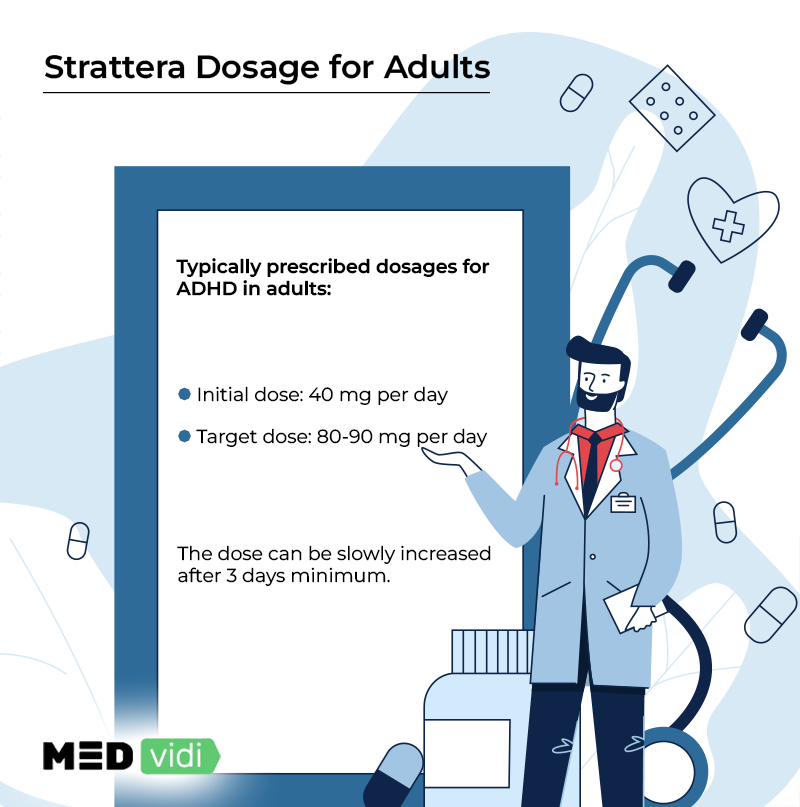
Dose adjustments may also play a role. Strattera dosages typically start low and increase based on therapeutic response and side effects. Finding the right dose is crucial, as too low a dose may delay the onset of effects, while too high a dose can lead to side effects that might counteract potential benefits.
Additionally, the presence of co-occurring conditions—such as anxiety or depression—may impact the perception of Strattera’s effectiveness since these conditions can complicate symptom management. Hence, it’s essential that healthcare providers take a holistic view of the patient’s treatment when considering factors that could affect medication response.
Do Some People Feel Effects on the First Day?
Many individuals may experience varying levels of efficacy shortly after their first dose of Strattera. Some patients report feeling slightly more focused or experiencing reduced restlessness within the first 24 hours, although this is typically subtle and not indicative of the full therapeutic effect.
However, it’s worth emphasizing that while some initial changes can be noted, Strattera is not designed to provide immediate symptom relief. Patients are encouraged to remain mindful that the significant and lasting improvements are typically not noted until after the recommended waiting period of several weeks. This gradual effect reflects atomoxetine’s mechanism of action and the need to establish consistent norepinephrine levels in the brain.
For some, the delay in noticeable improvements might lead to frustration or impatience, emphasizing the importance of open communication with healthcare providers about expectations and progress during the treatment journey.
Exploring the Efficacy Timeline
Understanding the full efficacy timeline of Strattera provides a realistic framework for patients and caregivers. While answers regarding treatment duration may vary, most experts agree on a general timeline:
- 1-2 weeks: Early signs of improvement may be noticed, such as an increase in focus or reduction in hyperactivity.
- 4-8 weeks: More significant and consistent improvements in ADHD symptoms are typically observed.
- 8-12 weeks: Therapeutic levels are usually achieved, and maximum benefits can be noted.
- 12 weeks and beyond: Some patients will continue to notice gradual improvements, with the possibility of full efficacy extending to six months or longer.
These timelines are not universally applicable, as individual experiences can differ significantly. It’s crucial to maintain ongoing communication with your healthcare provider to accurately gauge progress and adjust the treatment plan as needed.
Common Side Effects and Their Impact on Treatment
As with any medication, Strattera is associated with potential side effects. While not everyone will experience side effects, it is essential to be vigilant as they can influence treatment adherence. Common side effects include:
- Dry mouth
- Insomnia
- Decreased appetite
- Fatigue
- Stomach upset
Some individuals may find that side effects diminish over time as their bodies adjust to the medication. However, if side effects persist or become severe, it’s vital to consult a healthcare provider promptly. Adjustments in dosage or an alternative treatment plan may be necessary.
Experiencing side effects can also impact patient adherence to the prescribed medication schedule. It’s crucial to weigh the benefits of symptom improvement against any side effects one might endure. Open discussions with healthcare providers about side effects can facilitate better understanding and management of these issues.
What to Do If You Don’t Feel Improvement?
If a patient does not notice noticeable improvements within the expected timeline of four to eight weeks, it is essential to seek professional guidance. Patients should never make decisions about discontinuing medication without first consulting their healthcare provider.
Factors for discussion may include:
- Evaluating dosage adjustments
- Considering possible interactions with other medications
- Assessing adherence to the prescribed regimen
- Consulting on any co-existing health conditions affecting treatment
Healthcare providers may recommend additional assessments or modifications, ensuring that any treatment plan is tailored to the patient’s unique symptoms and needs. This level of collaboration is key to optimizing treatment outcomes and ensuring that individuals receive the best care possible.
Real-Life Experiences: Strattera and Patient Perspectives
Many patients and caregivers often share their experiences with Strattera in online forums or support groups, providing valuable insight into its real-world effectiveness. These narratives can offer hope and guidance for those navigating treatment.
Some patients report that while Strattera took several weeks to show significant improvements in their ADHD symptoms, the gradual changes helped them adjust and implement coping strategies over time. Others emphasize the importance of patience and maintaining communication with healthcare professionals throughout the treatment journey.
Negative experiences often relate to side effects, particularly during the initial weeks of treatment. Individuals are encouraged to share their concerns openly with their prescribing physician and engage in collaborative decision-making regarding their ongoing treatment. Success ultimately hinges on a robust support system and tailored strategies that address individual needs.
Comparing Strattera with Stimulant Medications
Stimulant medications, such as amphetamines and methylphenidate, are often the first-line treatment for ADHD and are known for their rapid onset of action—typically within 30 to 60 minutes. This makes them appealing to many patients seeking immediate relief from symptoms.
On the other hand, Strattera’s delayed onset offers unique benefits, especially for patients who cannot tolerate stimulants due to side effects or personal history. The decision between stimulant and non-stimulant medications often depends on various factors, including:
- Previous treatment experiences
- Patient preference
- Presence of co-occurring mental health disorders
- Family history of substance abuse
Discussing these considerations thoroughly with a healthcare provider allows patients to make informed decisions about their ADHD treatment strategy and helps manage expectations regarding onset and efficacy.
FAQs About Strattera Use and Efficacy
1. What is the typical starting dose for Strattera?
The typical starting dose for adults and children weighing over 70 kg (154 lbs) is 40 mg per day. For younger children or those with lower body weights, healthcare providers may begin with lower dosages to assess tolerance and efficacy. Dosages can be adjusted based on individual response and side effects, with maximum dosages reaching up to 100 mg for adults.
2. Can I take Strattera at any time of the day?
Strattera can be taken in the morning or afternoon. However, it is essential to maintain consistency in the time it is taken daily to stabilize its effects in the body. Patients should consult their healthcare providers to establish the best time based on their daily routine and specific needs.
3. How long does Strattera stay in your system?
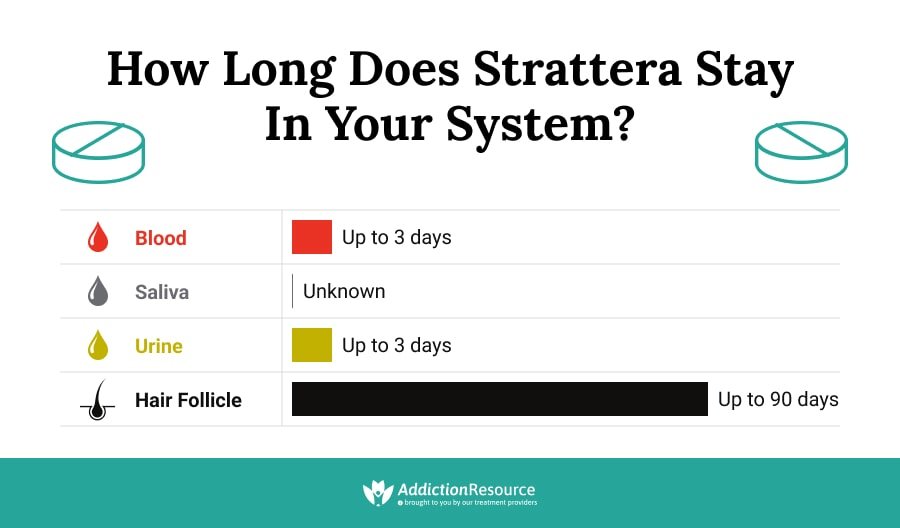
Strattera has a half-life of approximately 5 hours but can take several days for the drug to be completely eliminated from the system. Though most patients will begin to feel the effects diminish within 24 hours post dosing, the overall impact can continue longer, depending on individual metabolism and dosage.
4. Is Strattera safe for children?
Atomoxetine is deemed safe for children aged six and above, particularly when their symptoms of ADHD require management. Rigorous studies have demonstrated its efficacy and safety profile in the pediatric population, with adjustments based on age and weight considered during prescription.
5. Can Strattera interact with other medications?
Yes, Strattera can interact with various medications, including some antidepressants, blood pressure medications, and other drugs. It is crucial for patients to inform their healthcare providers about all medications they are currently taking to prevent potential interactions and ensure safety during treatment.
6. What happens if I miss a dose of Strattera?
If a dose is missed, patients should take it as soon as they remember. However, if it is almost time for the next dose, they should skip the missed dose and continue with their regular schedule. Doubling up on doses is not recommended, as it can lead to increased side effects and complications. Always consult a healthcare professional for specific guidance regarding missed doses.
7. Will Strattera help with anxiety symptoms as well?
Strattera is primarily used for ADHD treatment; however, some patients have reported noticing improvements in anxiety symptoms. While not an approved treatment for anxiety disorders, its effect on norepinephrine may indirectly alleviate certain anxiety symptoms. Those struggling with anxiety should discuss their experiences with healthcare providers to explore comprehensive treatment options.
The Path Ahead: Navigating Your Strattera Journey
As with any medication, patience and communication are essential when starting Strattera. Understanding that it may take several weeks to see significant improvements is crucial for managing expectations and preventing frustration during the treatment journey.
Continuous assessment, open dialogue with healthcare providers, and willingness to adjust the treatment plan as needed can optimize outcomes and enhance the overall quality of life for individuals managing ADHD. Remember, Strattera offers a viable option for many patients seeking effective management of their symptoms.
In the end, the journey toward managing ADHD with Strattera can be a collaborative effort between the patient, their family, and healthcare professionals. With the right approach, individuals can achieve better symptom control and improved quality of life, ensuring they’re on the path to a brighter, more focused future.
