🏠 Stay at home! 25% discount on all medicines


Is Quillivant a Stimulant? Understanding Its Role in ADHD Treatment

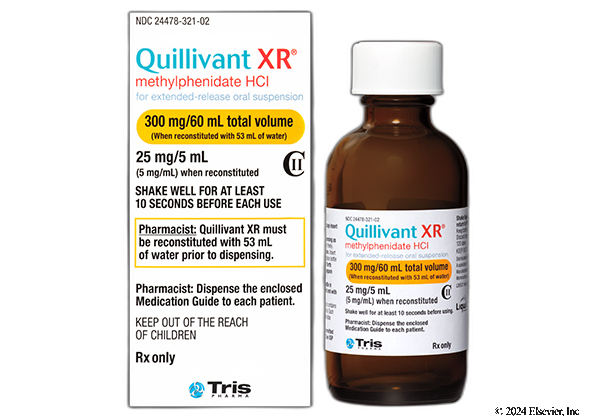
The quest for effective treatments for Attention Deficit Hyperactivity Disorder (ADHD) has led to the development of various medications, among which Quillivant XR stands out. With a unique liquid formulation, it has garnered attention for its ease of use, particularly in pediatric patients. But the fundamental question arises: Is Quillivant a stimulant? Understanding this classification is crucial for patients, parents, and healthcare providers alike, as it affects how the medication is prescribed and its usage is understood.
Research from various health authorities classifies Quillivant XR as a central nervous system (CNS) stimulant. This distinction carries significant implications for its effectiveness in treating ADHD symptoms such as inattention, hyperactivity, and impulsivity. Today’s discussion delves deep into Quillivant XR’s pharmacology, benefits, potential side effects, and the considerations one must keep in mind when using this medication. This comprehensive exploration aims to empower readers to make informed decisions regarding ADHD treatment.
Additionally, understanding whether Quillivant XR is categorized as a stimulant provides insights into its potential for dependency and abuse. This information is vital, especially for those considering it as a long-term treatment option or for guardians administering it to children. Let’s explore the details further.
Understanding Quillivant XR: Definition and Classification
Quillivant XR, which contains the active ingredient methylphenidate hydrochloride, is widely recognized as a medication designed to treat ADHD. It belongs to the class of drugs known as CNS stimulants. These drugs are commonly prescribed to help individuals with ADHD improve their attention span, control impulses, and reduce hyperactive behaviors. The unique liquid formulation of Quillivant XR makes it a favorable choice for those who may have difficulty swallowing tablets or capsules.
Under the guidelines set by the Drug Enforcement Administration (DEA), substances like Quillivant XR, which have stimulant properties, are classified as Schedule II drugs. This classification not only reflects their therapeutic efficacy but also signals a notable potential for abuse and dependence. Those expecting to use Quillivant XR must be under a healthcare provider’s supervision to mitigate risks associated with misuse.
Quillivant XR is specifically designed for individuals aged six years and older. Studies show that it can lead to significant improvements in attention and behavioral control, making it an effective option for many patients. The pharmacological profile of methylphenidate corroborates its classification as a stimulant, as it primarily works by increasing dopamine levels in the brain— a neurotransmitter integral to focusing and attention.
The Mechanism of Action of Quillivant XR
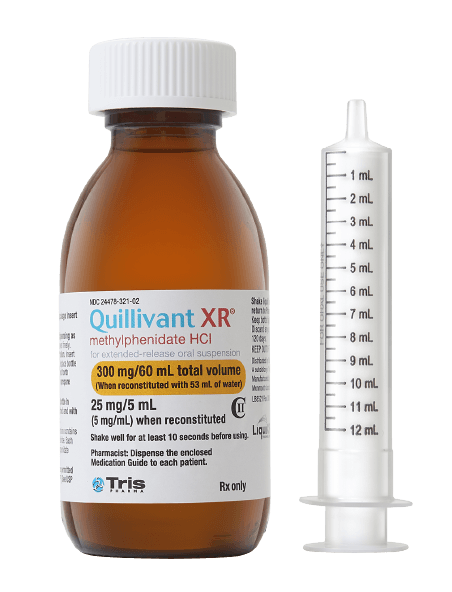
The active ingredient in Quillivant XR, methylphenidate, operates through a multi-faceted mechanism that enhances cognitive function. By specifically inhibiting the reuptake of dopamine and norepinephrine in the brain, Quillivant XR effectively elevates the levels of these neurotransmitters. This elevation is critical in managing the symptoms of ADHD, as it enhances attention span and reduces impulsive behavior.
Methylphenidate’s action results in increased stimulation of regions in the brain that govern attention and impulse control. Consequently, patients often find that they can concentrate for extended periods without the typical distractions that characterize their ADHD symptoms. Furthermore, the stimulant’s effects can improve behavioral regulation, making it essential for individuals who struggle with hyperactivity and impulsivity.
In essence, Quillivant XR acts as a cognitive enhancer, providing patients with the necessary tools to navigate their environments more effectively. This increased focus and behavioral control can lead to improved academic performance and interpersonal relationships, significantly enhancing quality of life.
Medical Uses and Indications of Quillivant XR
Quillivant XR is primarily indicated for the treatment of ADHD. The medication is not exclusively limited to individuals diagnosed with this condition; it can also be beneficial for those who manifest similar symptoms without a formal ADHD diagnosis. However, gold-standard management emphasizes that it should only be prescribed after thorough individual assessments and in conjunction with behavioral therapies.
As a first-line treatment, Quillivant XR is particularly beneficial for children and adolescents who may face challenges in adhering to medication regimens involving multiple doses a day. Its extended-release formulation allows for once-daily administration, ensuring consistent therapeutic levels throughout the day with minimal peaks and troughs in effects.
While primarily indicated for ADHD, some healthcare providers might also consider Quillivant XR for off-label uses, such as treatment-resistant depression or narcolepsy. However, such practices warrant careful consideration of the potential risks and benefits, reflecting the ongoing debate within the medical community regarding the safety of using stimulant medications for non-ADHD conditions.
Evaluating the Risks: Potential Side Effects of Quillivant XR
Like any medication, Quillivant XR is not without potential side effects. While many patients tolerate it well, it is important to be aware of the common and serious adverse reactions linked to its use. Understanding these risks is paramount in managing patient expectations and ensuring proper monitoring by healthcare providers.
Common side effects include decreased appetite, insomnia, and headaches. These symptoms can often be mitigated by adjusting dosage or timing of administration. For instance, taking it earlier in the day can help minimize potential sleep disturbances. Additionally, ensuring that patients maintain adequate nutrition is essential to counteract the appetite suppression commonly associated with stimulant medications.
Serious side effects, although rare, must not be overlooked. There is a potential risk for cardiovascular complications, including increased heart rate and blood pressure, as well as the possibility of psychological effects such as anxiety or agitation. Families must seek immediate medical attention if any concerning symptoms arise, such as chest pain or sudden changes in mood.
Is Quillivant XR Addictive? A Look at Dependency Concerns
Given that Quillivant XR is classified as a Schedule II controlled substance, concerns regarding addiction and dependency have emerged. While it provides therapeutic benefits for many, there is a legitimate risk of misuse, particularly among individuals without ADHD. Understanding the implications of this classification is critical for both patients and caregivers.
Data suggests that misuse of methylphenidate can lead to dependence, especially when taken in higher-than-prescribed doses or through non-oral routes (e.g., snorting). This risk is exacerbated in populations who may not require the medication for legitimate medical reasons. The potential for abuse is heightened in adolescents and young adults, leading healthcare providers to approach treatment with considerable caution in these groups.
To mitigate the risk of misuse, it is crucial that Quillivant XR is prescribed only when necessary, and that patients are educated about the importance of adhering to the prescribed dosage. Regular follow-ups can also play a pivotal role in ensuring patient safety, allowing healthcare providers to monitor effectiveness and adverse effects closely.
Quillivant XR: Parental Insight and Experience
For parents whose children are prescribed Quillivant XR, understanding its benefits and challenges is vital. Many report observing notable improvements in their children’s academic and social functioning. Parents have shared experiences of their children expressing excitement about schoolwork, developing better peer relationships, and demonstrating greater self-control.
However, parental insights often highlight the importance of monitoring for side effects. Some caregivers note that behavior can fluctuate depending on the daily impact of the medication, particularly its onset and offset effects. These variations can lead to increased anxiety among parents regarding dosage adjustments and finding the right balance for their child.
Furthermore, many parents actively participate in follow-up appointments, advocating for their children’s needs. They often collaborate with healthcare providers to create comprehensive treatment plans that consider both medication management and behavioral interventions, ensuring a holistic approach to ADHD treatment.
Cost Considerations: Why Is Quillivant XR So Expensive?
One frequently discussed topic surrounding Quillivant XR is its cost. Compared to traditional stimulant medications, its liquid formulation typically comes at a significantly higher price point. This raises concerns regarding accessibility, especially for families with limited healthcare budgets.
The higher cost of Quillivant XR can be attributed to several factors, including its patented formulation, manufacturing processes, and the demand for its unique delivery system. As with many medications, the lack of generic alternatives compounds the expense, placing a financial burden on users.
Patients and families seeking Quillivant XR should explore available resources, such as patient assistance programs and discount coupons. Many manufacturers and pharmaceutical companies offer options to help reduce the out-of-pocket costs associated with purchasing medications, making it imperative for families to take advantage of these opportunities.
Addressing Common Questions about Quillivant XR
What should I know before starting Quillivant XR?
Before initiating treatment with Quillivant XR, it is essential to have a comprehensive evaluation conducted by a healthcare professional. This assessment will ensure that no underlying health conditions are present that may contraindicate the use of a stimulant. Moreover, discussing any prior history of substance abuse or current medications is vital for ensuring safety.
Can Quillivant XR be taken with other medications?
Quillivant XR may interact with a variety of medications, making it imperative to inform your healthcare provider of all medications currently being taken. The combination of Quillivant XR with certain antidepressants, for instance, can increase the risk of serotonin syndrome, a potentially life-threatening condition.
How long does Quillivant XR take to work?
Quillivant XR usually begins to take effect within 30 to 60 minutes after administration. The duration of action can last up to 12 hours, providing a full day of symptom management for individuals. This extended-release nature allows patients to maintain focus and attention throughout the school or workday.
Are there dietary restrictions while taking Quillivant XR?
While there aren’t strict dietary restrictions when using Quillivant XR, it is recommended to monitor caffeine intake, as excessive amounts may lead to increased side effects, such as heightened anxiety or restlessness. Concurrently, ensuring adequate nutrition is crucial, particularly due to the medication’s appetite-suppressing effects.
What should I do if I miss a dose of Quillivant XR?
If a dose is missed, it should be taken as soon as remembered. However, if it’s close to the time for the next dose, skip the missed dose—never double up on doses to avoid an overdose risk. Maintaining a consistent timing schedule can help prevent missed doses in the future.
Can adults take Quillivant XR?
Yes, Quillivant XR may be prescribed to adults diagnosed with ADHD. The FDA has approved this medication for individuals six years and older, acknowledging that ADHD can persist into adulthood. It can be beneficial for adults struggling with attention issues in professional environments.
Final Thoughts on Quillivant XR as a Stimulant Medication
Quillivant XR serves as a crucial medication for managing the symptoms of ADHD, successfully aiding individuals in improving their focus and behavioral control. Through its stimulant classification, it showcases significant efficacy in enhancing the cognitive abilities of patients. Nevertheless, the medication’s potential risks—such as dependency and side effects—require ongoing assessment by healthcare professionals.
Patients, families, and caregivers must engage in open discussions regarding the use of Quillivant XR, ensuring that everyone involved in the treatment plan is aware of the goals, benefits, and potential challenges of this medication. In doing so, they can cultivate a supportive environment conducive to optimizing the medication’s effects while minimizing risks.
Ultimately, understanding whether Quillivant XR is a stimulant illuminates broader conversations about ADHD medications and their roles in fostering healthier lives for individuals affected by the disorder. As research continues to evolve, ongoing discourse, coupled with clinical guidance, will be essential in shaping the future of ADHD treatment.
