🏠 Stay at home! 25% discount on all medicines


Understanding the Side Effects of Focalin: A Comprehensive Guide

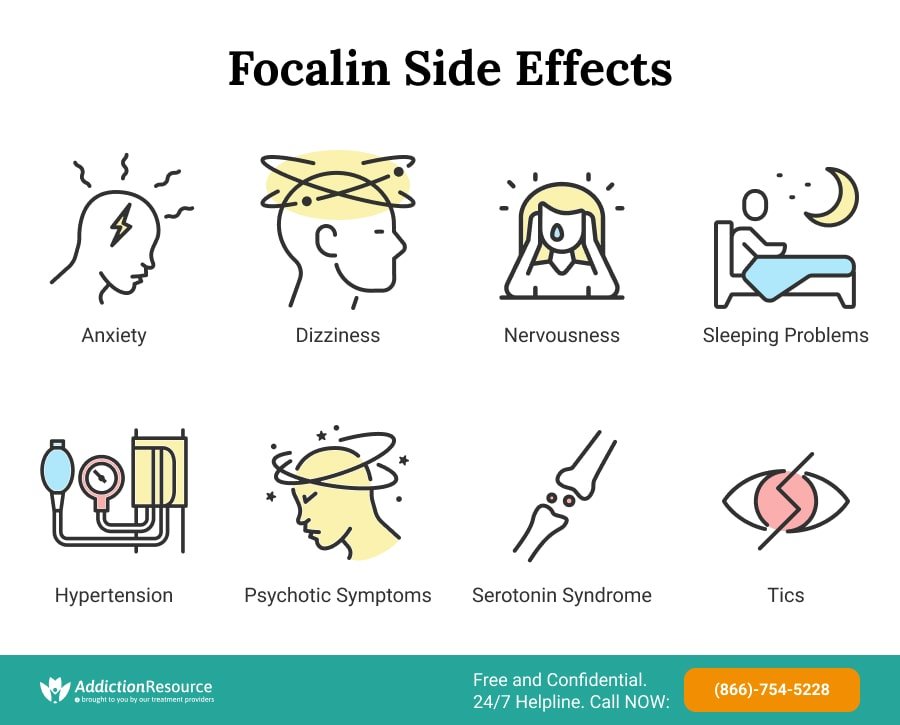
Focalin, or dexmethylphenidate, is a medication primarily used for the treatment of Attention Deficit Hyperactivity Disorder (ADHD). While it can be effective for improving focus and reducing impulsivity, it is essential to understand that it can also be associated with a range of side effects. Research indicates that a significant percentage of individuals may experience these side effects, making it a critical area for patients, caregivers, and healthcare professionals to consider.
According to data from the FDA, the most common side effects reported by users include decreased appetite, insomnia, and headaches. While these may seem benign, they can severely impact the quality of life for those taking the medication. Furthermore, some patients may experience more severe reactions, including cardiovascular issues and psychological effects that could lead to complications if not managed properly. Understanding these side effects is crucial for minimizing risks associated with the medication.
This article will delve into the various side effects of Focalin, categorizing them into common, emotional, and serious side effects. Additionally, this guide will provide insight into the differences between Focalin and other ADHD medications, and offer practical advice for patients and families, so they can better navigate the challenges of managing ADHD.
What Are the Most Common Side Effects of Focalin?
The most frequently reported side effects of Focalin can range from mild to moderate, affecting many individuals who take the medication. According to clinical studies, many patients experience these side effects initially as their bodies adjust to the medication.
The most common side effects include:
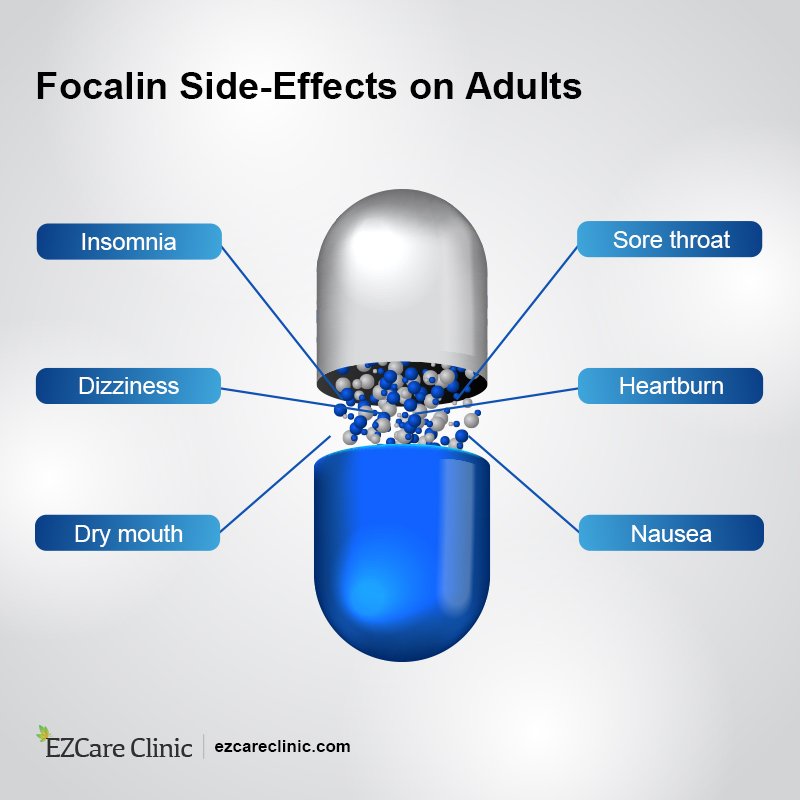
- Decreased Appetite: Patients often report a significant reduction in appetite, which can lead to weight loss, especially in children.
- Insomnia: Insomnia or difficulty sleeping is prevalent, likely due to the stimulant nature of the medication.
- Dry Mouth: Many users report experiencing a dry mouth, which may increase thirst and potentially lead to discomfort.
- Headaches: Frequent headaches can occur as a result of increased brain activity or dehydration.
- Stomach Pain: Some individuals report stomach discomfort or pain after taking the medication.
These side effects, while often tolerable, can affect an individual’s daily life. It’s essential for users to consult their healthcare provider to discuss any ongoing problems related to these symptoms. Adjustments in dosage or changes in timing when taking the medication can sometimes alleviate these issues.
Understanding Focalin XR Side Effects
Focalin XR, the extended-release version of dexmethylphenidate, is designed to provide longer-lasting effects for individuals with ADHD. However, it does not come without its side effects. Although many of these mirror those of immediate-release formulations, some unique aspects can complicate treatment.
With Focalin XR, the side effects may manifest over a full day or during the medication’s peak effectiveness. Common side effects include:
- Increased Heart Rate: Users may experience a noticeable increase in heart rate or palpitations, particularly during the medication’s peak.
- Anxiety: Heightened feelings of anxiety or nervousness may arise, particularly in those predisposed to anxiety disorders.
- Fatigue: As the day progresses, some patients may experience fatigue or a ‘crash’ as the medication’s effects wane.
Health experts recommend that those prescribed Focalin XR monitor these side effects closely and maintain open communication with their healthcare provider. Adjustments in usage, such as taking the medication earlier in the day, can mitigate some adverse effects.
Focalin Side Effects in Females: Are They Different?
Gender can play a significant role in how medications affect individuals. Research indicates that females may experience a different spectrum of side effects compared to their male counterparts. Hormonal fluctuations can also influence how Focalin impacts women, particularly during menstrual cycles or pregnancy.
Some studies suggest that females may be more sensitive to stimulant medications, which could result in a higher incidence of side effects such as:
- Mood Changes: Females may notice more pronounced fluctuations in mood, including increased irritability or depression.
- Weight Loss: While both genders report decreased appetite, females might experience more significant weight loss, especially during the initial weeks of treatment.
- Sleep Disturbances: Sleeping issues may be more severe, leading to increased daytime fatigue and decreased productivity.
Due to these gender-specific reactions, healthcare providers should take into account an individual’s gender when considering treatment plans. Customization of dosage and careful monitoring can help manage unwanted side effects effectively.
Focalin Side Effects in Kids: Special Considerations
Kiddos taking Focalin may exhibit a range of side effects that differ from adults. Caution is advised as children are still developing, and their bodies process medications differently. While many common side effects overlap with those seen in adults, children may be more vulnerable to specific adverse reactions.
In children, common effects observed include:
- Behavioral Changes: Some children may experience increased aggressiveness or irritability, which could affect their ability to socialize and learn.
- Emotional Volatility: Sudden mood swings or heightened emotional responses can occur, as children may have a harder time managing these shifts.
- Growth Impact: There are concerns about the long-term impact of Focalin on growth; decreased appetite leading to inadequate nutrition can affect growth in children.
Parents should remain vigilant and observe their children’s reactions to the medication. Regular check-ins with a pediatrician specializing in ADHD treatment can help ensure that the benefits outweigh any potential side effects.
Serious Side Effects and Risks Associated with Focalin
In addition to more common side effects, there are also potential serious reactions that users may encounter while on Focalin. These severe side effects can escalate quickly if not addressed, making awareness critical for users and their families.
Some serious side effects to watch for include:
- Cardiovascular Issues: Serious heart-related problems such as increased blood pressure, palpitations, or even arrhythmias can occur.
- Psychiatric Symptoms: Users might experience new or worsening psychiatric symptoms, including paranoia or hallucinations.
- Peripheral Vasculopathy: This condition could manifest as cold or numb fingers and toes due to reduced blood flow, with reports of Raynaud’s phenomenon.
Because of the potential severity of these effects, individuals experiencing such symptoms should seek immediate medical attention. Regular check-ups with a healthcare provider can contribute to monitoring for these serious side effects, allowing for timely intervention as necessary.
Focalin Emotional Side Effects: What to Know
Many patients have reported various emotional side effects while on Focalin, leading to significant implications for treatment. Though often effective for ADHD symptoms, Focalin’s stimulant properties can carry emotional consequences.
Common emotional side effects include:
- Anxiety and Nervousness: Increased nervousness or anxiety levels can disrupt daily routines, making it essential to identify coping strategies.
- Irritability and Mood Swings: The fluctuating effectiveness of the medication can lead to unintended mood changes, impacting relationships and performance.
- Emotional Blunting: Some users might feel emotionally muted, reducing their ability to experience joy or sadness, which can affect interpersonal relationships.
It’s advisable for patients to engage in therapy or counseling alongside medication to navigate these emotional side effects more effectively. This strategy can promote healthier coping mechanisms and emotional resilience.
Comparing Focalin vs Adderall: Side Effects
When examining Focalin and Adderall, two common ADHD medications, understanding their respective side effects can guide treatment decisions. Both medications, while effective, have differing profiles regarding adverse reactions.
Focalin, a refined version of methylphenidate, generally has fewer side effects than Adderall for some individuals. However, the effects depend heavily on how a patient responds to each medication. Commonly reported effects of each include:
Focalin:
- Decreased Appetite
- Dry Mouth
- Insomnia
Adderall:
- Increased Heart Rate
- Possible Mood Changes
- Withdrawal Symptoms upon Discontinuation
In choosing between Focalin and Adderall, physician input is paramount. Individual response patterns, existing health conditions, and family history should all be evaluated during this process to tailor the best treatment plan available.
Long-Term Side Effects of Focalin: What to Expect
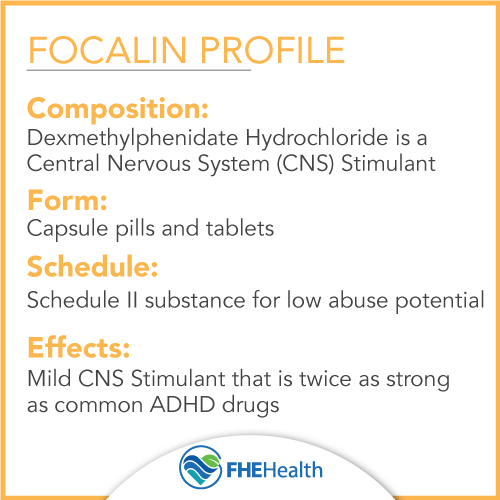
The long-term implications of using Focalin remain an area of active research. While many users find relief from ADHD symptoms, there can be lasting side effects associated with prolonged use. Some patients have reported concerns such as:
- Potential for Dependency: As a stimulant, Focalin has abuse potential, leading to dependence in some individuals. Monitoring even after initial treatment can help manage this risk.
- Impact on Growth Rates: Long-term use in children may lead to growth suppression, prompting healthcare providers to monitor growth regularly.
- Psychological Changes: Persistent use may lead to lingering psychiatric conditions, necessitating interventions that support mental well-being.
As research continues to evolve in this area, it’s critical for healthcare providers to engage with patients actively about their long-term treatment strategies. Regular evaluation and adjustments will ensure the most effective and safe use of Focalin.
FAQs About Focalin Side Effects
What are some common side effects of Focalin?
Common side effects of Focalin typically include decreased appetite, insomnia, dry mouth, headaches, and stomach pain. Most individuals can manage these side effects with lifestyle adjustments, but ongoing issues should be discussed with a healthcare provider.
Are Focalin side effects more severe in children?
Children may experience side effects differently than adults, with increased risks for behavioral changes, emotional volatility, and potential impacts on growth. Close monitoring by caregivers and healthcare providers is essential during treatment.
What should I do if I experience severe side effects on Focalin?
If you experience severe side effects such as chest pain, difficult breathing, or psychiatric symptoms, seek medical attention immediately. Discontinuing use and consulting a healthcare provider is vital for serious reactions.
Can Focalin lead to substance dependency?
Yes, Focalin has the potential for abuse and can lead to dependence in some individuals. Patients are encouraged to adhere closely to their prescribed dosage and contact their doctor concerning any concerns about addiction risk.
How do Focalin side effects compare to Adderall?
Both Focalin and Adderall can produce side effects; however, individuals may react differently. Focalin has been reported to have fewer side effects for some, while others may find Adderall more effective. It’s crucial to assess response patterns individually.
Is it safe to take Focalin long-term?
Long-term use of Focalin should be approached cautiously. While many patients benefit from ongoing treatment, it’s essential to have regular follow-ups to monitor for potential long-term side effects and to ensure that the medication remains necessary and effective.
What should families know about the side effects of Focalin?
Families should be proactive in observing any changes in behavior or physical health for individuals taking Focalin. Open communication with healthcare providers and advocacy for appropriate monitoring can help optimize treatment outcomes.
Final Thoughts on Managing Focalin Side Effects
Understanding and managing the side effects associated with Focalin is integral to improving the quality of life for patients. Through careful monitoring and open dialogue with healthcare providers, patients can customize their treatment plan to best suit their needs.
Support and education remain crucial for those navigating ADHD medication, as the treatment journey can be complex. Families, clinicians, and support networks play significant roles in facilitating adjustments and ensuring better outcomes.
As research and awareness continue to grow regarding ADHD and its treatment, maintaining open communication about potential side effects can foster a healthier relationship between patients and their medications, ultimately enhancing their ability to succeed.
