🏠 Stay at home! 25% discount on all medicines


How Long Does Concerta Take to Kick In? Understanding Timing and Effects

Concerta is a widely prescribed medication for Attention Deficit Hyperactivity Disorder (ADHD), heralded for its ability to improve focus and concentration in individuals significantly. Those new to Concerta may find themselves wondering about the drug’s effects, especially how long it takes Concerta to kick in. Studies and anecdotal evidence suggest that users typically begin to experience its benefits within a certain timeframe shortly after ingestion. But what does the research say?
Understanding when and how Concerta begins to work is crucial for users to optimize its potential. Many factors can influence the onset of effects, including dosage and individual physiological differences. This leads to critical inquiries that resonate among both new users and seasoned individuals utilizing Concerta for ADHD management. Here, we delve into the intricacies of this medication – from its onset to peak timing to overall duration of effects.
By the end of this article, readers will not only discern how long it typically takes Concerta to begin exerting its influence but also explore factors that may modify these timeframes, ensuring a comprehensive understanding tailored for patients, caregivers, and healthcare professionals alike.
How Long Does Concerta Take to Kick In?
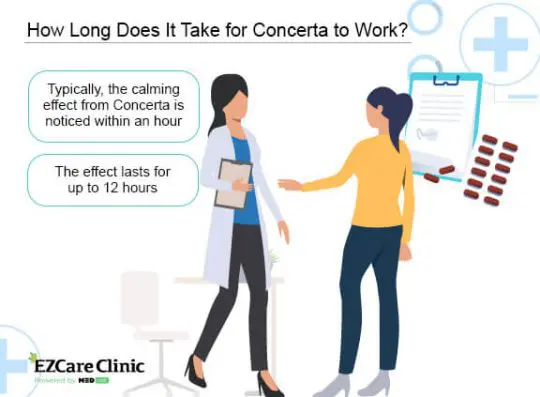
For individuals taking Concerta, the onset time is a pivotal aspect of its efficacy. Generally, most users experience noticeable effects within 30 to 60 minutes after ingestion. Factors such as the specific dosage, method of ingestion, and individual metabolism can result in variances in this timeframe. Users, especially those new to Concerta, may hardly feel its effects immediately, which can lead to misunderstandings about its potency.
The pharmacokinetics of Concerta reveal that it utilizes a unique osmotic release system, allowing the medication to be released gradually throughout the day. This gradual release is designed to minimize sharp peaks and valleys in concentration, promoting consistent and sustained focus. Consequently, while initial effects may surface within the hour, peak effectiveness is typically reached several hours later.
Studies indicate that peak plasma levels of methylphenidate, the active component in Concerta, are generally reached at around 6 to 10 hours post-ingestion. This means that while one might start feeling more focused and organized relatively soon after taking the medication, the most pronounced effects are likely to occur later in the morning or early afternoon.
Dosage Variations: How Long Does Concerta Take to Kick In at Different Dosages?
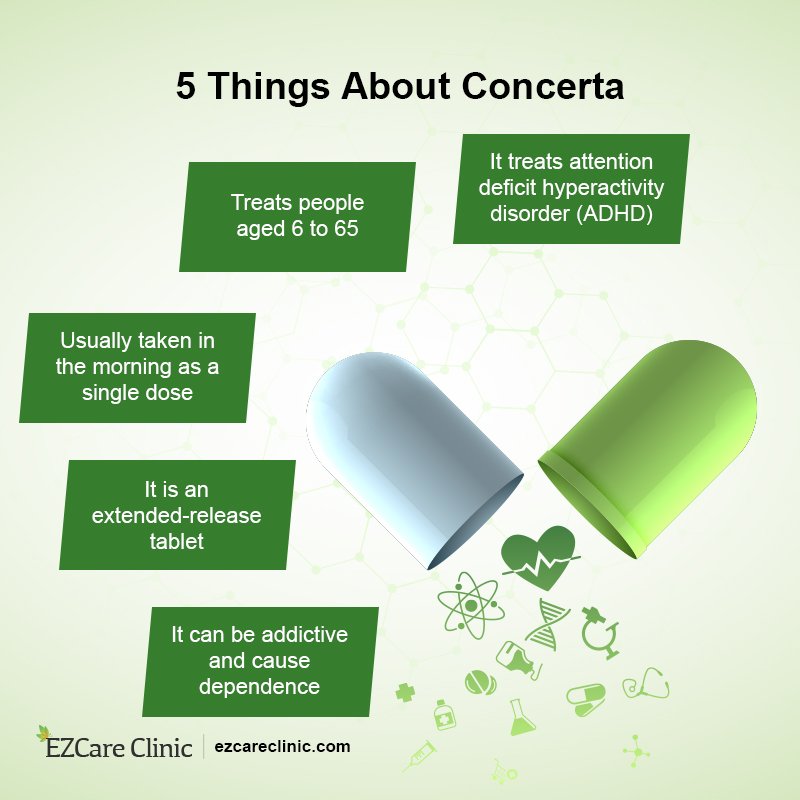
The formulation of Concerta includes multiple dosage options, allowing for tailored treatment plans based on individual needs. Generally, these dosages range from 18 mg to 72 mg, but the metabolic response can vary widely. For beginners, understanding how dosage influences onset time can improve the overall experience with the medication.
How Long Does Concerta 18mg Take to Kick In?
For those starting with lower doses, such as 18 mg, users typically begin to feel the effects within 30 to 60 minutes. Some patients with a slower metabolic rate might experience a delay, while those with a faster metabolism may notice effects closer to the 30-minute mark. Therefore, it’s vital for individuals starting at this dosage to monitor their response over several days.
How Long Does Concerta 36mg Take to Kick In?
Once the dosage increases to 36 mg, users may still anticipate feeling effects within a similar timeframe of 30 to 60 minutes. However, the intensity and duration of the effects could be amplified due to the higher dosage. As the concentration of methylphenidate in the bloodstream increases, individuals may notice both a quicker onset and an extended duration of effects, especially during peak times.
How Long Does Concerta Last?
Duration is another critical factor when considering how Concerta functions throughout an individual’s daily routine. The therapeutic effects of Concerta, depending primarily on the dose, can last anywhere from 10 to 12 hours. This extended action is the result of the medication’s unique formulation, designed to release the active ingredient slowly over time.
For the average user, the onset of effects occurs swiftly, but as the hours progress, individuals may experience a gradual decrease in stimulation. Post-peak effects may align with the evening hours, typically allowing for sustained focus throughout educational or work commitments without a sudden fall-off following ingestion.
How Long Does Concerta Last After Taking 18mg?
Individuals taking 18 mg of Concerta often experience effects lasting about 10 hours on average. That said, effectiveness may start to wane as early as 8 hours post-ingestion, particularly for users with a higher metabolic rate. This gradual decline can lead to an afternoon slump, where focus and attention may dip.
Duration for Higher Doses: Concerta 36mg and Beyond
For those prescribed 36 mg or even higher doses, with the intended goal of enhancing concentration and attention further, the experience may last longer, sometimes extending to 12 hours. Users should remain mindful of their overall daily activities, as the decline in effectiveness can affect evening tasks, homework, or family interactions.
Factors Affecting Onset Time and Effectiveness of Concerta
As with any medication, several factors can influence how quickly and effectively Concerta works. Understanding these nuances can empower users to better manage their treatment. In particular, user-related variables such as age, weight, overall health, and pre-existing medical conditions can significantly impact the drug’s metabolism.
Individual Metabolism and Body Chemistry
The metabolism of Concerta is unique to each individual. Some users may process the medication at a faster rate, resulting in quicker onset times and potentially shorter durations of effect. Conversely, slow metabolizers may experience delayed onset and prolonged effects, necessitating more careful management to achieve therapeutic goals. These variances underscore the importance of personalized treatment plans.
Dietary Habits and Timing of Ingestion
Users may also experience varied onset times depending on their dietary habits. Ingesting Concerta on an empty stomach could accelerate absorption, leading to a more immediate onset of effects, while taking it alongside substantial food might delay its onset. Consequently, it may be beneficial for users to experiment with timing in relation to meals to optimize therapeutic responses.
Adjusting to Concerta: What to Expect
When starting Concerta, individuals often report a transitional period during which they adjust to the medication’s effects. This period might lead to questions about its appropriate usage and long-term effectiveness.
How Long Does It Take to Adjust to Concerta?
Adjustment to Concerta can vary widely among users. In many instances, individuals may notice significant changes within the first few days; however, complete acclimatization could take several weeks. During this time, users may experience fluctuations, including variations in efficacy and potential side effects, which may necessitate ongoing communication with healthcare professionals to refine dosing strategies.
First-Day Experiences: Does Concerta Work on the First Day?
Despite being newly prescribed, many users find that Concerta shows rapid initial effects. Indeed, many individuals can expect to see improvements in focus and attention on the first day of use. While the full potential might take longer to optimize, significant concentration improvements within the first 24 hours can provide reassurance and encouragement for those beginning their treatment journey.
Common Side Effects of Concerta
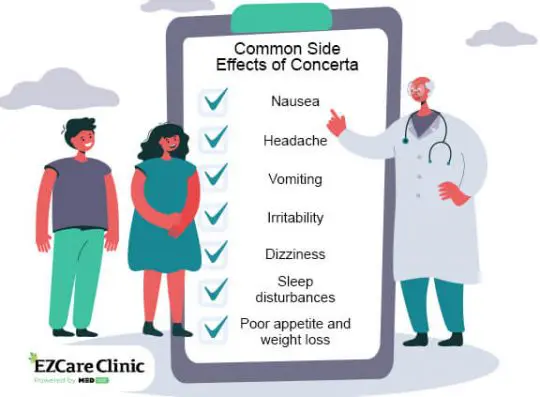
Understanding the potential side effects of Concerta is crucial for all users. While many will benefit from its stimulating effects, not everyone experiences the medication without challenges. Common side effects often reported include:
- Reduced appetite
- Difficulty sleeping
- Dry mouth
- Increased heart rate
- Gastrointestinal discomfort
Recognizing these side effects early on can help individuals distinguish between discernible medication impacts and more concerning reactions. For many, side effects may diminish over time or become manageable. Open communication with healthcare providers is essential for reporting persistent or troubling symptoms to assess whether dosage adjustments or alternative medications are necessary.
FAQs About Concerta
1. What should I do if Concerta isn’t working for me?
If Concerta does not appear to be effective after a few weeks of use, it is vital to consult a healthcare professional. They may review the dosage, consider potential triggering factors affecting the medication’s efficacy, and discuss alternative treatment options. Modifications in lifestyle or behavioral strategies may complement medication use.
2. Can I take Concerta with other medications?
Concerta may interact with various medications, potentially altering their effects. It’s crucial to share a complete list of medications with your healthcare provider before starting Concerta to mitigate potential risks associated with drug interactions. Always follow prescribed usage guidelines, and never self-medicate.
3. Are there long-term effects of taking Concerta?
Long-term use of Concerta can have varying effects, depending on individual physiology and adherence to prescribed dosages. Continuous monitoring and regular evaluations with a medical provider can provide key insights on the appropriateness of ongoing therapy, ensuring that patients achieve their objectives safely and effectively.
4. Could Concerta cause weight loss?
Concerta is known to affect appetite in some users, which may lead to weight loss. However, weight changes can vary widely among individuals. Anyone experiencing unexpected weight loss should consult their healthcare provider to analyze the underlying reasons and determine appropriate action.
5. What happens if I miss a dose of Concerta?
Timing is crucial for Concerta’s effectiveness. If a dose is missed, it is essential to follow your healthcare provider’s guidelines. Typically, attempting to take a missed dose can be done unless it’s too close to the next scheduled dose. In such cases, it’s advised to skip the missed dose to avoid excess intake.
Conclusion
Understanding how long Concerta takes to kick in is critical for optimizing its use in managing ADHD symptoms. By and large, users will begin to experience effects between 30 to 60 minutes after ingestion. Variations in metabolism, dosage, and eating habits play significant roles in this timeframe. Furthermore, it is crucial to recognize that while Concerta primarily provides immediate support, its true benefits may not peak until several hours after taking the medication.
By fostering a deeper understanding of Concerta’s timing, potential side effects, and usage strategies, users can significantly heighten their chances of finding the right balance for their treatment plans. Regular communication with healthcare professionals enables continuous optimization of ADHD management.
Ultimately, the journey with Concerta can be transformative for many. By maintaining an open dialogue regarding dosages and any concerns, individuals can empower themselves, enhancing focus, productivity, and overall quality of life.
