🏠 Stay at home! 25% discount on all medicines


Understanding the Dangers and Effects of Snorting Ritalin

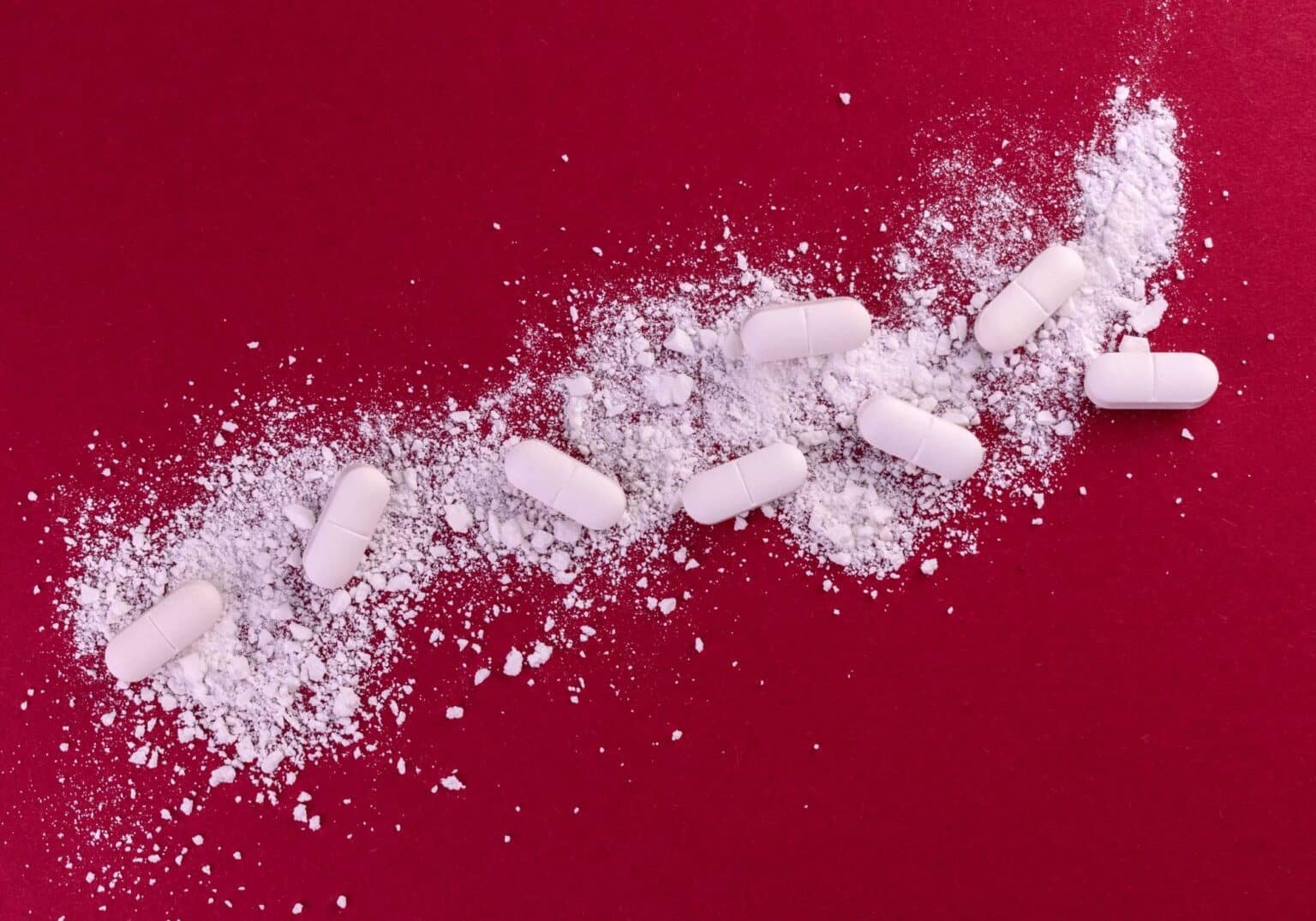
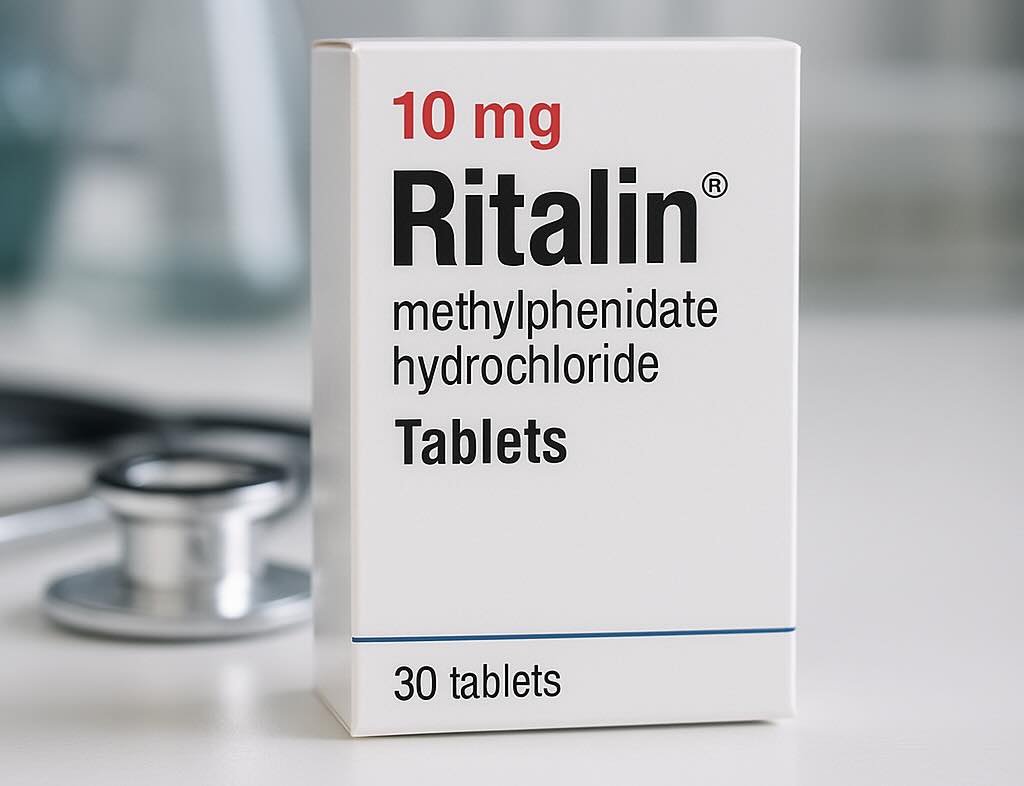
Ritalin, a central nervous system stimulant known scientifically as methylphenidate, is predominantly prescribed for individuals diagnosed with Attention-Deficit/Hyperactivity Disorder (ADHD). Officially sanctioned usage primarily targets children and adolescents, where its effectiveness in minimizing symptoms has brought relief to many. However, its potent effects, combined with a societal environment that often values performance enhancement, have led to alarming misuse patterns, particularly snorting the drug. Recent studies and reports indicate that the recreational use of Ritalin is on the rise, prompting concerns amongst healthcare professionals regarding its safety and the potential legal implications.
Research reveals that snorting Ritalin is increasingly viewed as a method to achieve heightened euphoric states, similar to illicit drugs. For instance, a survey by the National Institute on Drug Abuse indicated a marked increase in the number of adolescents engaging in non-medical use of prescription stimulants, largely aligning this behavior with academic stress and social pressures. This article examines the multifaceted implications of snorting Ritalin, providing an in-depth analysis of the reasons behind drug misuse, its pharmacological effects, and the broader societal context in which such behaviors emerge.
By furnishing readers with detailed insights into the practice of snorting Ritalin, we aim to raise awareness about its potential dangers and provide guidance on seeking help for substance misuse. For parents, educators, and individuals themselves, understanding the intricacies of Ritalin abuse is pivotal in combating the broader trends of prescription medication misuse.
What Is Ritalin and How Is It Used?
Ritalin is classified as a stimulant medication primarily utilized to treat ADHD and narcolepsy. It functions by enhancing dopamine and norepinephrine activity in the brain, promoting concentration and focus. When taken as prescribed — typically, a tablet ingested orally — Ritalin helps to normalize the neurotransmitters responsible for executive functions. This normalization can result in improved attention span, greater impulse control, and better overall academic performance in patients suffering from ADHD.
The prescription guidelines usually recommend dosages beginning at 5 mg, which may be adjusted after initial evaluations based on the child’s response and tolerance. Ritalin’s immediate-release formulation boasts a half-life of about 2-3 hours, leading to recommendations for multiple doses throughout the day. Alternatively, long-acting formulations are available for sustained effect, yet illicit behaviors often disregard medical advice entirely, leading to dangerous practices such as snorting the medication.
In many cases, Ritalin is prescribed for children, fostering a reliance on the medicine for educational achievement. However, the rise in misuse has led some individuals, particularly teenagers and young adults, to seek out Ritalin for performance enhancement. In academic environments, particularly where competition is fierce, the desire to excel often precipitates a shift from legitimate use to abuse, creating a perilous cycle of dependency and health risk.
How Is Ritalin Misused?
Misuse of Ritalin often manifests through various forms of non-medical consumption, with snorting being one of the most alarming. When individuals crush the pills to create a fine powder, they enable a rapid delivery method into the bloodstream via the nasal membranes. This rapid absorption leads to intensified effects compared to oral ingestion. Users often report feelings of heightened alertness, increased energy, and even euphoria — sensations that can quickly reinforce the behavior.
As users increasingly seek the ‘high’ associated with snorting Ritalin, they can quickly escalate to taking larger doses or combining it with other substances to heighten the effects. This form of polydrug use carries a plethora of risks, as the interaction between Ritalin and other stimulants, depressants, or recreational drugs can lead to unforeseen side effects or overdose scenarios. In sum, what may start as a perceived ‘safe’ method of enhancing academic performance can spiral into a risk-laden addiction.
Why Do Individuals Choose to Snort Ritalin?
Several motivations exist for individuals who turn to snorting Ritalin, often driven by perceived benefits and underlying social pressures. Firstly, the fast-acting nature of snorting as opposed to oral ingestion can lead to immediate gratification, appealing greatly to individuals seeking a quick boost in productivity or focus. In high-pressure academic environments, where performance metrics dominate, the temptation to resort to any means necessary for success can drive students to misuse medication.
Secondly, a pervasive culture around drug use for achievement further normalizes such behaviors. As more individuals witness peers effectively utilizing stimulants for enhanced productivity, they may develop a skewed perception of risk, leading them to experiment with Ritalin without understanding its dangers. Additionally, the false belief that a prescribed drug is inherently safe regardless of method of administration often leads to underestimating the risks of insufflation.
Finally, the allure of risk-taking and the thrill of engaging in taboo activities can drive some individuals to snort Ritalin. The psychological push resulting from social conditions can increase the appeal of drug misuse, reinforcing a cycle that traps users in repetitive behaviors with hazardous consequences.
The Risks of Snorting Ritalin
Snorting Ritalin introduces a wide array of potential physical and psychological risks that can have lasting effects on an individual’s health. Users often report immediate impacts such as nasal congestion, nosebleeds, and irritation of the nasal passages following insufflation. Over time, chronic snorting may lead to more severe damage such as loss of sense of smell, or perforation of the nasal septum, which can necessitate medical interventions and extended recovery periods.
Beyond the immediate physical dangers, snorting Ritalin also poses serious risks of overdose. As users typically seek to amplify the effects of the drug, they may consume quantities beyond recommended doses, increasing the likelihood of harmful side effects. Symptoms of an overdose may include severe agitation, confusion, hallucinations, rapid heart rate, and, in extreme cases, seizures or stroke. Those who overdose on Ritalin may require emergency medical attention as the metabolic effects can rapidly culminate in life-threatening conditions.
Furthermore, snorting Ritalin can lead to the development of substance use disorders. Regular use alters the brain’s reward systems, perpetuating cravings and heightening the likelihood of addiction. As individuals become accustomed to its effects, they may find themselves seeking Ritalin despite detrimental consequences to their lives, relationships, and overall wellbeing.
Short-Term Effects of Snorting Ritalin
The short-term consequences of snorting Ritalin can range from a mild intoxication to detrimental health effects. Users frequently report feelings of heightened focus and euphoric sensations. Initially, these perceived benefits may create a cycle of positive reinforcement urging further use. However, adverse effects often appear concurrently, leading to a duality of experiences that can confuse the user’s judgment.
Individuals who snort Ritalin may also experience heightened anxiety, irritability, and insomnia, secondary to the stimulant’s pharmacological action. Additionally, as body temperature increases and blood pressure becomes elevated, some may experience nausea or headaches. The variable nature of dosage and individual responses makes it challenging to predict how one’s body will react following insufflation, leaving users teetering on the edge of potential catastrophes.
Long-Term Risks Associated with Ritalin Abuse
Long-term abuse of Ritalin through insufflation introduces complications that can persist long after cessation of use. Continued Ritalin misuse can exacerbate underlying mental health conditions, including anxiety disorders or depression, often requiring comprehensive treatments and therapeutic interventions. Mental health professionals have increasingly identified an overlap between prescription stimulant misuse and a spectrum of psychological disorders, indicating a reticent population that may benefit from integrated approaches toward healing.
Moreover, individuals who misuse Ritalin are at heightened risk for developing cardiovascular complications, particularly if they have pre-existing conditions. Chronic stimulant use leads to increased heart rate and blood pressure, which can elevate the risk for heart disease over time. For those with any underlying cardiovascular irregularities, the hazard of using Ritalin becomes significantly intensified.
Additionally, the risk of substance use disorder inherently escalates, characterized by a progression of use from occasional to chronic dependence. Users may find themselves escalating their doses to achieve previous levels of efficacy, leading to a vicious cycle that’s difficult to break. Support programs that address addiction not only facilitate recovery but also contribute to education and prevention efforts within communities.
Identifying Signs of Ritalin Abuse
Recognizing signs of Ritalin abuse can be pivotal for early intervention and treatment. Individuals with a history of stimulant misuse may exhibit behavioral changes that are indicative of substance dependency. These can range from sudden mood swings and increased secrecy about drug access to physical signs like changes in apetite or sleep disturbances.
Failure to meet responsibilities at work or school could indicate a significant decline in performance due to Ritalin misuse. Parents or educators may notice changes in academic performance, social withdrawal, or associations with new peer groups that may engage in substance misuse. Recognizing these signs early on can facilitate prompt intervention, leading to timely support and treatment resources.
What to Do If You Suspect Someone Is Abusing Ritalin
If you suspect that someone you know is misusing Ritalin, it is crucial to engage in open and compassionate dialogue. Expressing concern without judgment can create a safe space for conversation, increasing the likelihood that the individual will be receptive to help. Consider broaching the subject during a calm moment rather than during emotional upheavals when they may be more defensive.
Focus on expressing your observations rather than assigning blame. Use specific examples of behavior changes or incidents that raised your concerns. Encouraging professional support through counseling or medical assistance can also foster recovery. Many communities harbor resources for mental health support, including the SAMHSA’s National Helpline, offering 24/7 assistance and referrals for treatment services.
Available Treatment Options for Ritalin Addiction
Treatment for Ritalin addiction typically requires a multifaceted approach that begins with an assessment of the individual’s needs. Options may include outpatient and inpatient therapy focused on cognitive-behavioral methods, holistic approaches, or support groups like those associated with the 12-step model. By tailoring treatment plans to individual circumstances, mental health professionals can more effectively address underlying issues driving substance use and develop sustainable recovery strategies.
Medication-assisted treatment (MAT) may also be viable for some individuals, particularly if they have co-occuring mental health concerns. Additionally, family support and education play pivotal roles in fostering recovery, as engaging loved ones can reinforce healthy behaviors and cultivate an atmosphere conducive to healing.
Common Myths About Ritalin and Its Misuse
In discussing Ritalin and its misuse, several myths tend to circulate, often perpetuating misunderstanding. One common myth is that prescription medications, being ‘doctor-approved,’ are inherently safe to use in higher doses or through methods like snorting. This perception can falsely lead individuals to underestimate the dangers associated with taking medications that are not prescribed for them, emphasizing the need for health education around drug use.
Another misconception is that Ritalin improves academic achievement in all individuals. While it is effective for those with ADHD, it may not enhance performance for those without such diagnoses. Misuse can lead to detrimental effects such as increased anxiety or decreased cognitive clarity, ultimately hampering rather than helping academic performance.
Finally, a prevalent myth in therapeutic settings is that people who misuse Ritalin simply lack willpower. Substance use disorders are complex, with multiple psychological and environmental factors influencing an individual’s relationship with drugs. Strategies focusing only on willpower often lead to stigma and isolation, preventing individuals from seeking the help they profoundly need.
Frequently Asked Questions
What are the immediate effects of snorting Ritalin?
Immediately after snorting Ritalin, users often experience heightened focus, increased energy levels, and euphoric sensations. However, adverse effects such as increased anxiety, irritability, and possible cardiovascular symptoms like elevated heart rate may also occur almost concurrently. The rapid absorption into the bloodstream leads to intensified effects compared to oral ingestion.
Can snorting Ritalin lead to addiction?
Yes, snorting Ritalin can lead to addiction, particularly due to its stimulating properties that enhance the brain’s reward system. As users increasingly engage with the substance, they may find themselves developing a dependence characterized by cravings, tolerance, and withdrawal symptoms, necessitating professional intervention.
Is Ritalin abuse more dangerous than illicit drugs?
While both Ritalin abuse and illicit drug use can yield dangerous consequences, the risks associated with Ritalin misuse often extend due to prolonged exposure and the misperception of safety surrounding prescription medications. Users frequently underestimate potential side effects, leading to severe health consequences that are just as serious as those associated with illicit drugs.
What resources are available for someone struggling with addiction?
An array of resources exists for individuals battling addiction, including hotlines like the SAMHSA National Helpline, which provides confidential support and referrals. Local therapy options and support groups, such as Narcotics Anonymous (NA), can also offer vital recovery guidance and foster community during the recovery journey.
How can I talk to someone about their Ritalin use?
Engaging in dialogue with someone regarding their Ritalin use necessitates a compassionate and non-judgmental approach. Focus on sharing observations rather than judgments, selecting calm moments for these discussions. Encourage openness and support seeking professional help as needed.
Are there legal consequences for Ritalin misuse?
Yes, there are legal consequences associated with the misuse of Ritalin, particularly if it involves possession without a prescription or distribution of the medication. Such actions may lead to criminal charges, fines, or even incarceration depending on local regulations and laws governing controlled substances.
Conclusion
The increasing trend of snorting Ritalin among adolescents and young adults raises substantial concern across health communities, educational institutions, and families. With a profound understanding of the drug’s effects and the incentives driving its misuse, we can forge paths toward effective prevention strategies. Awareness, open communication, and prompt access to resources are fundamental in combating the perceived normalization of prescription drug misuse.
Education surrounding the risks associated with Ritalin and similar medications is placed at the forefront, empowering individuals to discern healthy choices amidst a tide of pressures. Only through a collective understanding can we address the abuse of Ritalin and foster healthier environments, steering individuals away from harmful drugs.
By prioritizing mental health and providing accessible paths to treatment, we can mitigate addiction risks and support recovery initiatives altogether. Awareness, compassion, and community representation will ultimately serve as our most vital tools in navigating the nuances of prescription medication abuse. As such, if you or someone you know is grappling with substance misuse, seeking professional assistance is the most constructive forward step.
