🏠 Stay at home! 25% discount on all medicines


Understanding Ritalin Withdrawal: Symptoms, Timeline, and Coping Strategies

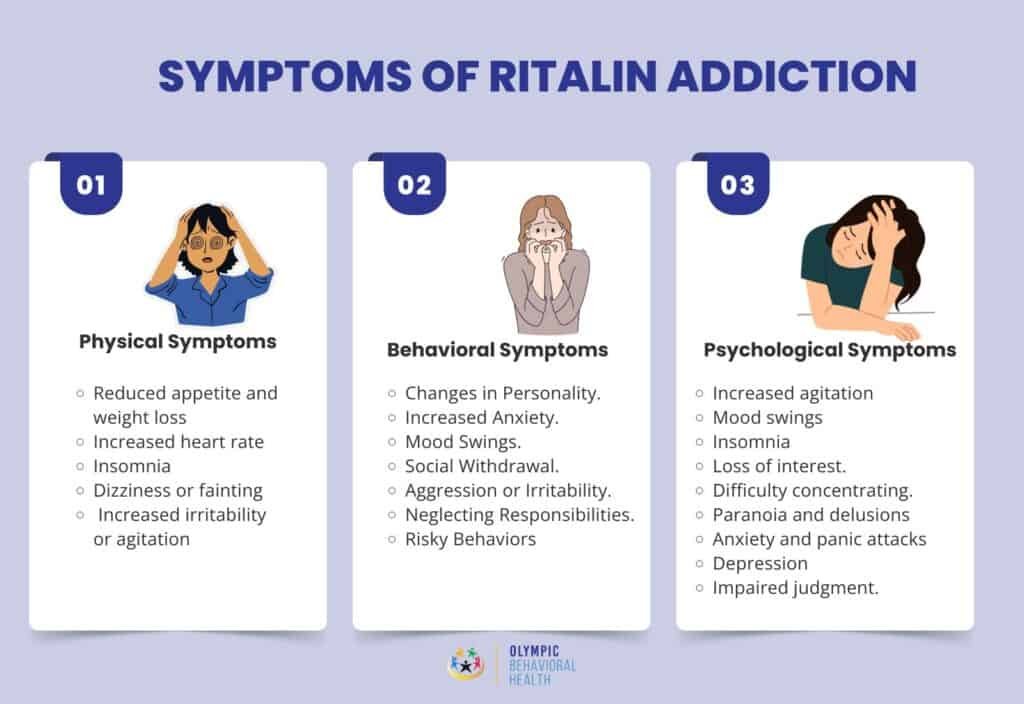
Approximately 6.1 million children in the United States have been diagnosed with Attention-Deficit/Hyperactivity Disorder (ADHD) according to the CDC, and many rely on medications like Ritalin, the brand name for methylphenidate, to manage their symptoms effectively. While these medications often play a crucial role in treatment, prolonged use can lead to dependency and necessitate a careful withdrawal process. Understanding Ritalin withdrawal is essential for patients, caregivers, and healthcare providers alike, as it encompasses not only the physical symptoms but also emotional and psychological challenges.
The abrupt cessation of Ritalin can trigger a variety of withdrawal symptoms ranging from anxiety and fatigue to more severe physical effects. Recognizing these symptoms and preparing for them can significantly improve the experience of individuals undergoing withdrawal. This article will delve into the various aspects of Ritalin withdrawal, including its symptoms, typical timelines, and effective coping strategies that can aid recovery.
By equipping yourself with knowledge about Ritalin withdrawal, you can better prepare for what lies ahead, whether you’re considering a tapering approach to discontinuing the medication or are supporting someone through their recovery journey. This understanding not only promotes a smoother transition but also helps mitigate potential risks associated with withdrawal.
What is Ritalin and Why is it Prescribed?
Ritalin, the common brand name for methylphenidate, is a central nervous system stimulant primarily prescribed for treating ADHD and narcolepsy. Its mechanism of action increases the levels of certain chemicals in the brain that help improve attention, focus, and control behavior. As of now, Ritalin is one of the most frequently prescribed medications for ADHD, especially in children.
Beyond its clinical use, Ritalin has also been used off-label for various conditions, including treatment-resistant depression and as a cognitive enhancer among students. However, this off-label use raises significant concerns about misuse and dependency, particularly among young adults and teens. Many individuals misuse Ritalin to experience heightened focus or energy, which can lead to an increased risk of addiction.
Long-term use of Ritalin can create chemical dependencies in the brain, making the body reliant on the drug for normal functioning. Consequently, if a person wishes to discontinue the medication, they may encounter withdrawal symptoms as their body readjusts to functioning without it. This physiological and psychological impact underscores the importance of understanding Ritalin withdrawal.
Understanding Ritalin Withdrawal Symptoms
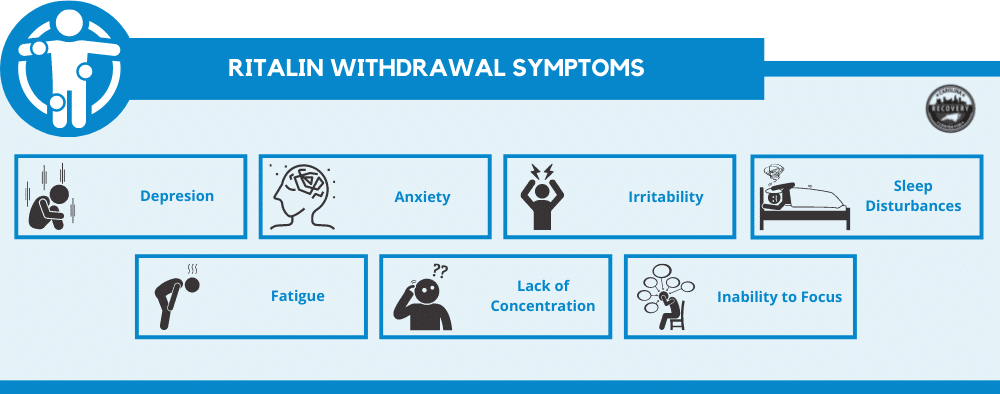
Ritalin withdrawal can manifest in a variety of symptoms, which vary in intensity and duration among individuals. The withdrawal journey can be complex, often reflecting the duration of use, dosage, and individual health factors. Symptoms can appear within hours of the last dose and may last from a few days to several weeks, depending on the person’s physiology and history with the medication.
Common symptoms of Ritalin withdrawal include:
- Depression: This is perhaps the most profound psychological symptom experienced by individuals during withdrawal. Many report feelings of emptiness, sadness, or a general lack of motivation, which can be debilitating.
- Anxiety: Increased anxiety levels can emerge as the body reacts to the absence of the stimulant. Feelings of worry, panic attacks, or heightened sensitivity can occur.
- Fatigue and increased sleepiness: Individuals often experience overwhelming fatigue, lethargy, and a strong desire to sleep, stemming from the brain adjusting to the absence of the stimulating effects of Ritalin.
- Irritability or mood swings: Emotional dysregulation is common, where individuals may experience rapid shifts in emotion or spikes of irritability.
- Physical symptoms: Headaches, nausea, and changes in appetite or weight can also be common manifestations of withdrawal.
In severe cases, withdrawal may lead to major depressive episodes or suicidal thoughts necessitating medical supervision or intervention. This further emphasizes the importance of consulting healthcare professionals when considering ceasing Ritalin.
The Timeline of Ritalin Withdrawal
The timeline of Ritalin withdrawal can vary from person to person, influenced by factors such as dosage, duration of use, and individual physiology. However, a general timeline can help guide those anticipating withdrawal symptoms.
Often, the initial withdrawal symptoms can manifest within 24 hours after the last dose. This period is marked by the most intense phase of withdrawal, where many individuals experience anxiety, irritability, and physical discomfort.
During the next few days (approximately 2 to 4 days post-cessation), symptoms can escalate or fluctuate. Depression and fatigue may peak, and irritability can become problematic, disrupting regular activities. Many individuals may feel overwhelmed during this period, which can impact their daily life and responsibilities.
By around one week, many individuals will begin to notice a gradual decline in withdrawal symptoms. Positive changes may emerge, such as improved mood and increased energy levels, particularly if supportive measures are in place (e.g., therapy, support groups). However, some symptoms may still linger, particularly feelings of fatigue and occasional anxiety.
At approximately two to four weeks post-withdrawal, most individuals report a significant improvement in symptoms. The duration of withdrawal symptoms can extend longer for some, particularly those with a history of extensive use. It’s critical to approach this timeline as a guideline and not a definitive roadmap for recovery.
Strategies for Coping with Ritalin Withdrawal
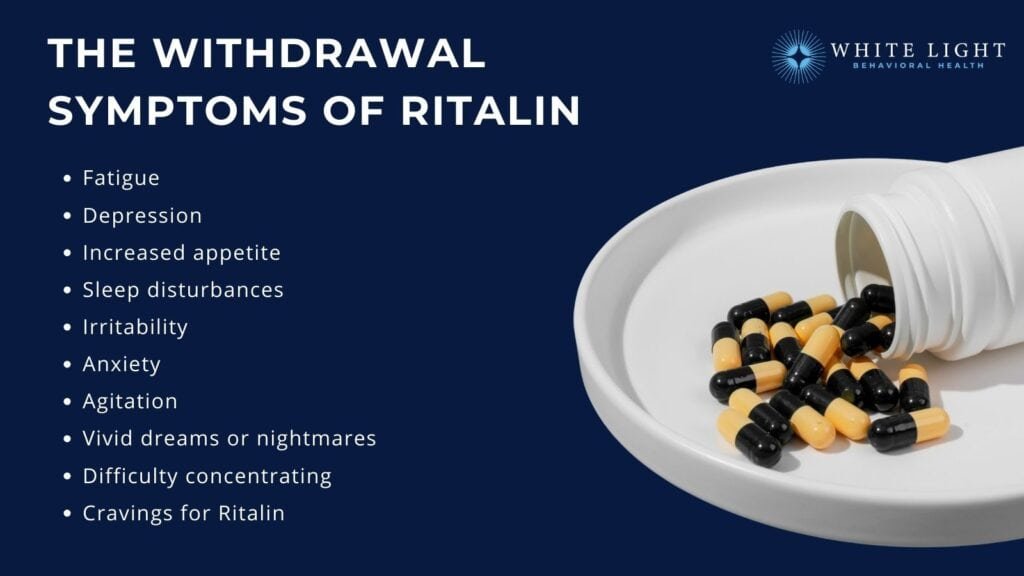
Managing Ritalin withdrawal effectively requires a well-rounded approach that incorporates both physiological and psychological support. Here are several strategies that can be instrumental in navigating this challenging experience:
Gradual Tapering: For individuals considering withdrawal, a gradual dosage tapering process can help mitigate withdrawal symptoms significantly. Working closely with a healthcare provider can ensure an appropriate tapering schedule based on individual needs.
Therapeutic Support: Therapy, especially cognitive behavioral therapy (CBT), can be beneficial in addressing underlying issues that may arise during withdrawal. This support provides tools to manage anxiety, depression, and behavioral challenges effectively.
Engagement in Physical Activity: Regular exercise can play a pivotal role in improving mood and alleviating withdrawal symptoms. Physical activity releases endorphins, which can act as natural mood lifters and reduce feelings of fatigue.
Healthy Lifestyle Changes: A balanced diet, adequate hydration, and good sleep hygiene can profoundly impact recovery from withdrawal. Eating nutrient-dense foods and maintaining hydration aids in the body’s healing process, while improved sleep can help alleviate fatigue and mood swings.
Building a Support Network: Surrounding oneself with supportive friends and family can provide a sense of stability and encouragement. Whether through support groups or personal connections, sharing experiences can foster healing and resilience.
Signs That Professional Help is Needed
While many individuals may navigate Ritalin withdrawal adequately with self-care and lifestyle changes, there are critical signs indicating that professional help is warranted. Recognizing these signs is crucial for ensuring safety and well-being during this challenging time.
If withdrawal symptoms begin to severely disrupt daily functioning, persist beyond the typical timeline, or lead to significant emotional distress, consulting a healthcare provider is essential. Additionally, any thoughts of self-harm or suicidal ideation warrant immediate medical attention.
Individuals exhibiting severe anxiety, panic attacks, or depression that increasingly engulfs their ability to cope may also find that professional intervention can offer necessary relief and support.
Finally, seeking professional help can be beneficial if there is a prior history of substance misuse or co-occurring mental health disorders, as these conditions may complicate the withdrawal process and require specialized treatment options.
The Role of Medication in Managing Withdrawal Symptoms
In some cases, healthcare providers may prescribe supplementary medications to alleviate withdrawal symptoms effectively. These medications can play a supportive role in stabilizing mood or managing anxiety during the withdrawal period.
Antidepressants or anti-anxiety medications may be utilized to help regulate mood and reduce feelings of emotional distress. Furthermore, medications such as non-stimulant ADHD treatments may assist in transitioning away from Ritalin while addressing some of the ADHD symptoms that may resurface.
It is important to approach supplemental medication use in conjunction with behavioral therapies for a holistic recovery process. This dual approach can provide both immediate relief from withdrawal symptoms while addressing underlying issues stemming from ADHD.
Long-Term Outlook Post-Ritalin Withdrawal
The long-term outlook following Ritalin withdrawal varies widely depending on individual circumstances, including the extent of dependence, the primary reason for taking Ritalin, and the overall mental and physical health of the individual. Individuals may find themselves experiencing a renewed sense of clarity, increased motivation, and improved emotional stability.
However, some may also encounter persistent challenges related to mood regulation or focus, particularly if ADHD symptoms were the initial reason for being prescribed Ritalin. In these cases, a comprehensive therapeutic approach, which may include alternative forms of treatment or lifestyle integration strategies, can help ensure ongoing success and manage ADHD symptoms effectively.
Engaging in ongoing therapy, joining community support networks, or pursuing educational resources about ADHD management can reinforce personal growth and resilience. This proactive approach can help mitigate potential challenges as individuals adapt to their new realities.
Frequently Asked Questions about Ritalin Withdrawal
What should I expect during the withdrawal process?
Expect a range of withdrawal symptoms that might start within 24 hours of discontinuing Ritalin. Symptoms can vary widely, including emotional feelings such as anxiety or depression, physical symptoms like headaches and fatigue, and general irritability. It’s crucial to remain aware of how these symptoms develop over time and to maintain open communication with your healthcare provider.
Can I quit Ritalin cold turkey?
While it is possible to quit Ritalin suddenly (often referred to as “cold turkey”), this method is not recommended due to the potential severity of withdrawal symptoms. Gradual tapering is generally advised to minimize withdrawal symptoms and make the transition smoother.
How long do Ritalin withdrawal symptoms last?
The duration of withdrawal symptoms can vary. Initial symptoms may appear within 24 hours and typically peak within the first week. For most individuals, symptoms generally start to improve after about two weeks, though some may experience lingering effects beyond that time frame.
Will I experience any side effects after withdrawal?
Yes, even after withdrawal, some individuals may experience residual symptoms linked to the absence of Ritalin. These can include persistent mood changes, fatigue, or trouble concentrating, especially if ADHD was not effectively managed before starting Ritalin.
What are some alternative treatments for ADHD after quitting Ritalin?
Alternative treatments can include non-stimulant medications, behavioral therapies, lifestyle changes, and dietary modifications. Strategies such as exercise, structured routines, and mindfulness can also be immensely beneficial in managing ADHD symptoms without relying on stimulant medications.
Is professional help necessary for Ritalin withdrawal?
While some individuals may navigate Ritalin withdrawal adequately, seeking professional help is essential if symptoms become severe, debilitating, or if there are issues related to mental health. A healthcare provider can guide you safely through the withdrawal process.
Are there any long-term effects of Ritalin withdrawal?
Long-term effects can vary significantly. Some individuals may find an improvement in focus and mood after withdrawal, while others may continually face challenges managing ADHD symptoms. Continued therapeutic support can play a vital role in ensuring a successful adjustment.
Conclusion
Ritalin withdrawal is a multifaceted process that encompasses various physical and psychological challenges. Understanding the withdrawal symptoms, timelines, and coping strategies can significantly ease the transition for individuals hoping to discontinue the medication. With careful planning and consideration, successful management of withdrawal symptoms is attainable.
A comprehensive approach that encompasses gradual tapering, therapeutic support, healthy lifestyle changes, and a supportive network can facilitate a smoother and more successful withdrawal journey. The insights gained on how to manage Ritalin withdrawal effectively can empower individuals as they navigate this challenging phase in their lives.
Ultimately, if you or someone you know is considering discontinuing Ritalin, engagement with healthcare professionals and support resources will be essential in ensuring safety and success throughout the withdrawal process. Understanding that recovery is achievable can offer hope and motivation on the path toward well-being.
