🏠 Stay at home! 25% discount on all medicines


Concerta vs Ritalin: Understanding Key Differences in ADHD Treatment

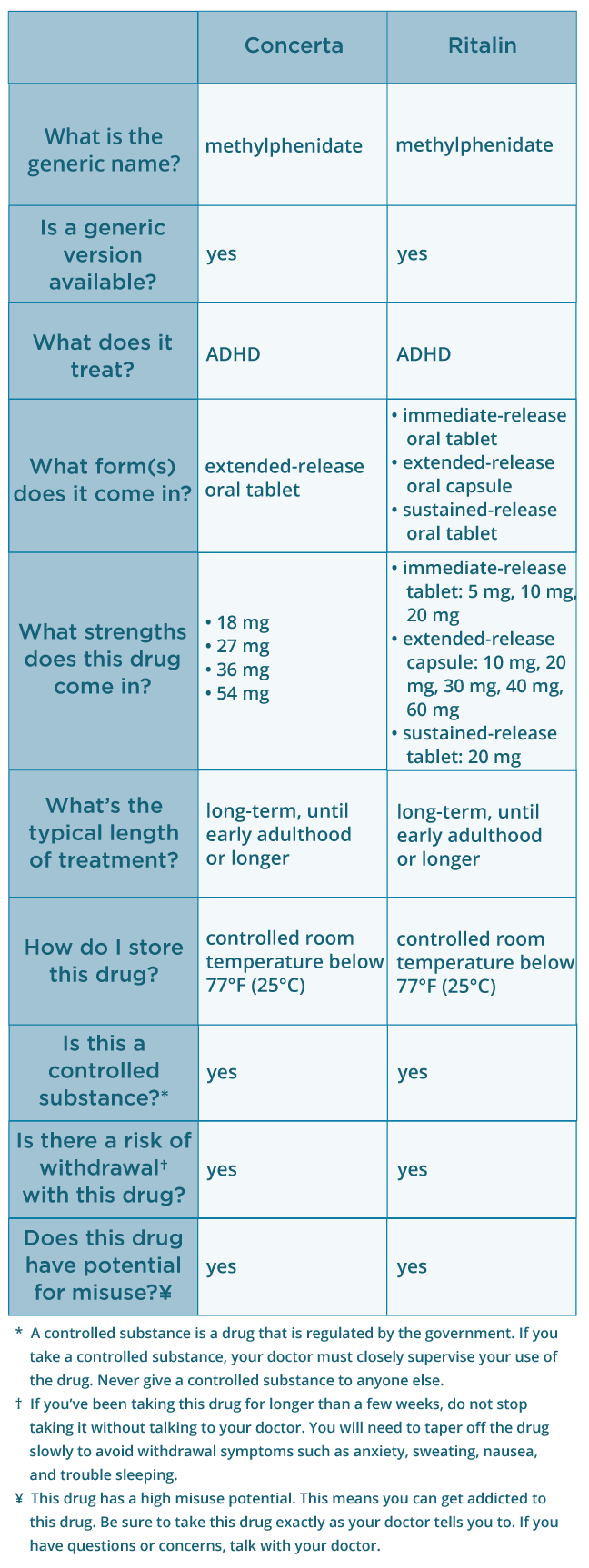
Attention Deficit Hyperactivity Disorder (ADHD) affects millions of children and adults around the globe. A critical approach to managing ADHD symptoms involves the use of stimulant medications, with Concerta and Ritalin being two of the most commonly prescribed options. While both medications contain the active ingredient methylphenidate, they differ significantly in their formulation, duration of action, and patient experiences, making it essential for users and caregivers to understand their distinctions.
Deciding on an appropriate treatment plan requires an in-depth look at each medication, taking into account factors such as how they release the active ingredient into the system, the longevity of effectiveness, and potential side effects. Often, the choice between Concerta and Ritalin boils down to personal preference, lifestyle factors, and how uniquely one’s body responds to each medication.
This article will explore the differences between Concerta and Ritalin, giving individuals and their families valuable insights to help make informed decisions about ADHD treatment. From the mechanisms of action to user experiences and side effects, here we delve into the details that matter most for those navigating their ADHD treatment journey.
What are Concerta and Ritalin?
Both Concerta and Ritalin are stimulant medications primarily prescribed for the treatment of ADHD. As mentioned earlier, both share the active compound methylphenidate, but their formulations enable them to work in different ways. Understanding the core components of each medication is essential before deciding which might be the better fit.
Concerta is formulated as an extended-release tablet. This means that it gradually releases methylphenidate into the bloodstream over an extended period (typically around 12 hours), providing a more sustained effect. Patients often find that this design caters well to those looking for a more consistent and steady alleviation of ADHD symptoms throughout the day.
Ritalin, on the other hand, is available in both immediate-release and extended-release forms. The immediate-release version tends to last about 3-4 hours, which may be suitable for individuals needing quick relief or those who require medication on a more short-term basis for specific activities like studying or a test. The extended-release version can last longer, but not as long as Concerta.
How Do Concerta and Ritalin Work?
The primary mechanism of action for both Concerta and Ritalin centers around increasing concentrations of neurotransmitters, particularly dopamine and norepinephrine, in the brain. This leads to improved focus, attention, and impulse control in individuals with ADHD.
Concerta features an innovative OROS (Osmotic Controlled Release Oral Delivery System) technology, allowing the medication to release methylphenidate in a controlled manner through a small hole in the tablet. Once ingested, the tablet absorbs water and creates a gel-like substance that releases the medication slowly and consistently over the duration of its effects.
Ritalin’s immediate-release formulation, in contrast, allows for more rapid absorption of methylphenidate. This means that patients can experience a quick response, usually within 30 minutes to an hour after taking the medication. However, the effects fade more quickly, necessitating additional doses throughout the day unless they take the extended-release variant.
Duration of Action for Concerta vs Ritalin
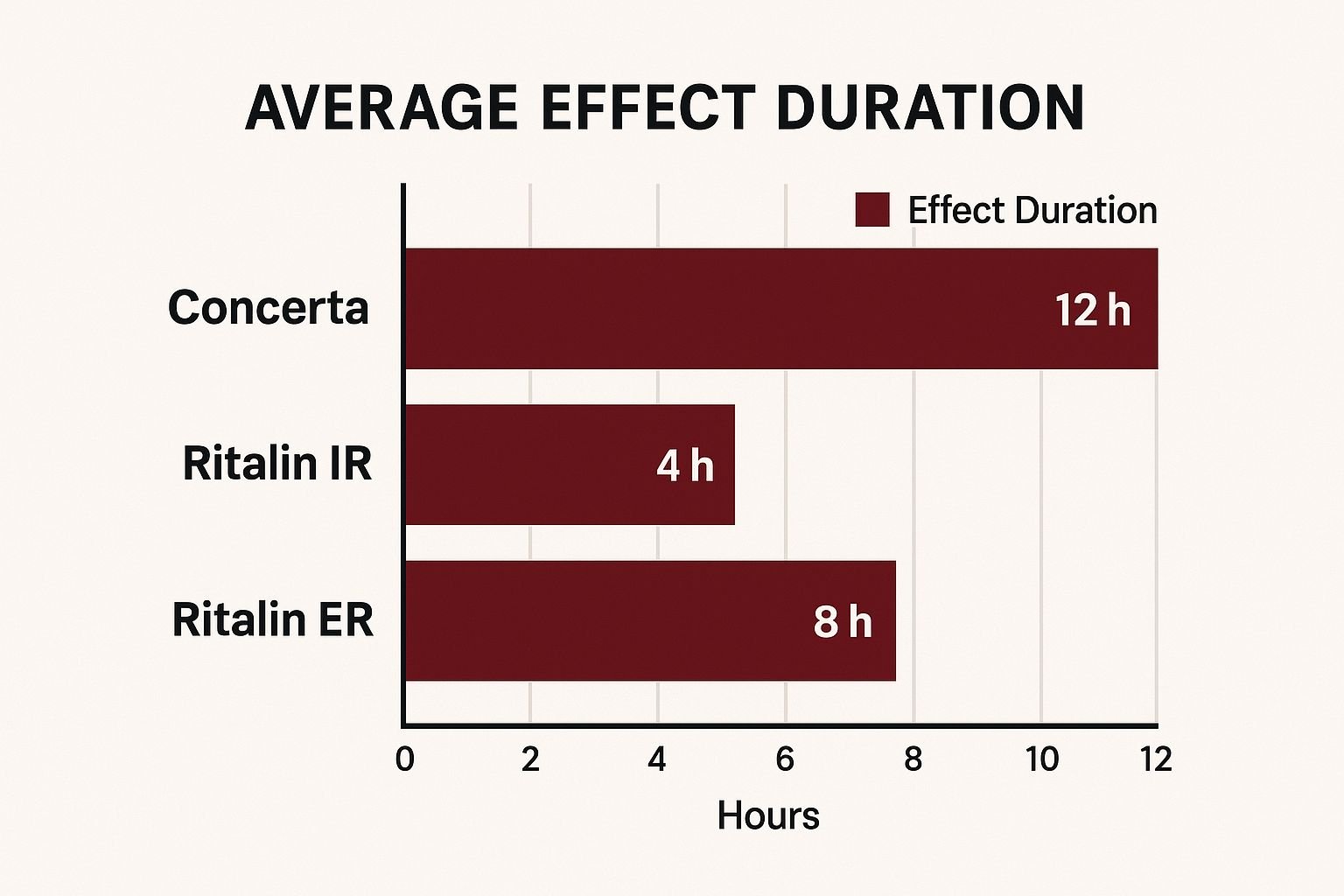
Duration of action is a significant factor when comparing Concerta and Ritalin. Concerta is known for its extended effective period, typically ranging between 10 to 12 hours. This makes it a popular choice for individuals who prefer medication that lasts through the school or work day without the need for multiple doses.
Ritalin, particularly the immediate-release formulation, is more suitable for individuals needing shorter durations of effect. As mentioned, its effects may last anywhere from 3 to 4 hours, requiring additional doses. For those opting for the extended-release version, the duration of action is extended to about 6 to 8 hours, but still falls short compared to Concerta.
Choosing between these two options may depend heavily on personal schedules and how often medication needs to be taken. For individuals who thrive with a consistent and long-lasting treatment, Concerta may emerge as the better option. Meanwhile, those who prefer flexibility or need more intense bursts of focus may find Ritalin to be their better match.
Concerta vs Ritalin: Dosage Considerations
Both Concerta and Ritalin come in various dosages that cater to different patient needs. Starting at initial doses, healthcare providers typically adjust based on the individual’s therapeutic response and tolerability.
For Concerta, common starting dosages include 18 mg, 27 mg, 36 mg, and 54 mg, with increments usually guided by a healthcare provider’s evaluation of efficacy and side effects. The flexible dosages allow for gradual titration, whereby the medication’s effectiveness can be optimized while minimizing unwanted effects.
On the other hand, Ritalin also comes in several dosing formats. The immediate-release tablets generally come in 5 mg, 10 mg, and 20 mg doses taken multiple times per day as needed. The extended-release capsules usually have dosages ranging from 10 mg to 60 mg, designed for fewer doses during the day. Individuals interested in these treatments should consult a healthcare professional to determine the most appropriate dosage tailored to their specific needs.
Concerta vs Ritalin: Side Effects
Monitoring side effects is crucial when taking any medication. Both Concerta and Ritalin can produce similar side effects due to their shared active ingredient. The most common side effects of both medications include difficulty sleeping, decreased appetite, headache, stomach ache, and increased heart rate. Such impacts can create challenges that some individuals may find difficult to manage.
More severe side effects, although rare, may include mood swings, increased anxiety, or cardiovascular issues. Patients taking either medication should report significant changes in mood or physical health to their healthcare provider.
Ultimately, the experience of side effects is highly individual. Some individuals may tolerate Concerta without difficulty, while others may find Ritalin more agreeable. Trials of both medications under the guidance of a medical professional may help in determining the best fit for an individual’s health profile.
Comparative Experiences: Concerta vs Ritalin
User experiences play an essential role in determining whether Concerta or Ritalin is the right choice. Personal narratives, such as those found on forums like Reddit, reveal the nuances of how each medication can manifest in the day-to-day lives of individuals with ADHD.
Many users report that Concerta offers a smoother onset of action, generally taking about 1-2 hours to start working and providing a steady performance throughout the day. This can be particularly beneficial for individuals who prefer not to worry about frequent doses during their busy schedules.
In contrast, Ritalin users share experiences that highlight a more abrupt math—often reporting that while Ritalin kicks in quickly, it tends to wear off faster as well. Patients wanting immediate but short bursts of focus often lean toward this option.
Concerta vs Ritalin: Other Considerations
When determining which medication is best suited for a patient, several other factors should be factored in beyond just dosage, side effects, and duration of action. Lifestyle, for instance, plays a significant role—considerations about work and school schedules may favor one option over the other.
One important factor is the user’s ability to adhere to the dosing regimen. For those with a more hectic lifestyle, Concerta’s once-a-day dosing can prove to be far more convenient. In contrast, individuals who prefer a more active form of medication management, potentially requiring adjustments on the fly, might find Ritalin appropriate.
Additionally, individuals concerned about their weight should investigate how these medications affect appetite. Both Concerta and Ritalin can suppress appetite; however, personal responses can vary widely. Weight changes can happen without major lifestyle adjustments, causing some individuals to switch medications due to unwanted side effects.
Concerta vs Ritalin vs Adderall
When it comes to ADHD medications, Concerta and Ritalin are not the only options available. Adderall is another popular stimulant used to treat ADHD that comprises a mix of amphetamine salts. While the mechanism of Adderall is somewhat similar to that of methylphenidate, the outcomes and side effects might differ.
Adderall is known for its sustained release, usually having effects lasting about 12 hours similar to Concerta. However, the way the body processes these medications can lead to different therapeutic experiences. Some patients report feeling a more euphoric high from Adderall compared to methylphenidate medications, leading to potential issues concerning dependency.
Ultimately, the choice between Concerta, Ritalin, and Adderall should be driven by personal experiences, tolerability, and response to the medications. Engaging in an open dialogue with healthcare providers about prior experiences could provide valuable insight into which medication may be more effective based on individual needs.
Concerta vs Ritalin vs Vyvanse
Another stimulant frequently compared to Concerta and Ritalin is Vyvanse, which contains the active ingredient lisdexamfetamine. Unlike Concerta and Ritalin, Vyvanse is a prodrug, meaning that it requires the body to convert it into its active form after ingestion.
The prodrug aspect of Vyvanse leads to its smooth onset of action and a steady release throughout the day, often lasting 12-14 hours. For patients seeking uniform symptom control and stable doses, Vyvanse provides another option alongside Concerta.
However, as with all medications, side effects can manifest in varying degrees. Users report that Vyvanse can sometimes lead to similar appetite suppression as Concerta and Ritalin but still varies by individual circumstances.
Are There Non-Stimulant Alternatives to Concerta and Ritalin?
While stimulant medications are typically considered first-line treatments for ADHD, some patients may opt for non-stimulant alternatives based on tolerability or the presence of other health conditions. One such non-stimulant medication includes Strattera (atomoxetine), designed for ADHD without stimulant components.
Strattera works by selectively inhibiting the reuptake of norepinephrine. As a result, its therapeutic action is particularly suited for patients who may have a history of substance abuse or other conditions that might make them sensitive to stimulants.
Comparison studies indicate that Strattera may not provide the same immediate effect as Concerta or Ritalin, but it offers a different method for managing ADHD symptoms. As always, individuals should engage their healthcare professionals when determining the best course of action tailored to their unique needs.
Commonly Asked Questions
What are the main differences between Concerta and Ritalin?
The primary differences between Concerta and Ritalin revolve around the duration of effects, formulations, and release mechanisms. Concerta offers a steady release of medication throughout the day, lasting approximately 10 to 12 hours. In contrast, Ritalin can be taken in immediate-release or extended-release forms, with the immediate form typically lasting about 3-4 hours. Personal preference, lifestyle, and treatment needs should inform any choices between the two.
Will Concerta or Ritalin cause weight loss?
Weight loss can occur with both Concerta and Ritalin, primarily due to appetite suppression, which is a common side effect of stimulant medications. Individuals need to monitor their food intake and overall weight while on these medications, as fluctuating weight can impact health. Consulting a healthcare provider about managing appetite and maintaining a balanced diet while using these medications is crucial.
Are there alternative medications to Concerta and Ritalin?
Yes, non-stimulant alternatives exist for those who may prefer not to take stimulant medications. Options include medications like Strattera (atomoxetine) and Intuniv (guanfacine). These alternatives might be more suitable for patients with concurrent conditions that contraindicate stimulant use or those seeking a different approach to manage ADHD symptoms.
Can adults take Concerta or Ritalin?
Yes, both Concerta and Ritalin are approved for use in adults diagnosed with ADHD. Adult ADHD is increasingly recognized, and both medications can aid in managing symptoms that impair work and relationships. Consultation with a healthcare provider will determine which medication is most suitable based on individual circumstances and responses.
Can you take Concerta and Ritalin together?
Taking Concerta and Ritalin together is generally not advised without strict medical supervision. Both medications contain methylphenidate and can amplify their effects, leading to increased side effects or potential overdose. Patients should always consult their healthcare providers before making any changes to their medication regimen.
What are the side effects of Concerta and Ritalin?
Common side effects of both Concerta and Ritalin include insomnia, appetite suppression, headaches, stomach aches, and potential cardiovascular effects. While most people tolerate these side effects, it’s essential to discuss any concerning symptoms with a healthcare provider to manage treatment effectively.
Conclusion
Understanding the differences between Concerta and Ritalin is vital for individuals managing ADHD. Each medication offers unique benefits and drawbacks that can significantly impact quality of life. Concerta tends to provide extended relief throughout the day, making it an excellent choice for those desiring a “set it and forget it” strategy. Meanwhile, Ritalin’s quick onset may be appealing to users seeking more immediate response while managing shorter needs.
Ultimately, selecting the ideal ADHD medication is a personalized journey that requires careful consideration, proactive communication with healthcare providers, and possibly trial and error. Exploring the full spectrum of options from stimulants like Concerta and Ritalin to non-stimulants like Strattera can lead to effective management tailored to the individual’s symptoms and lifestyle.
For anyone grappling with the decision to choose between Concerta or Ritalin or simply seeking further information about ADHD treatments, make sure to engage with your healthcare provider to discuss potential strategies, preferences, and expectations. Getting the support necessary can truly help you take charge of ADHD management, creating pathways for greater focus, productivity, and quality of life.
