🏠 Stay at home! 25% discount on all medicines


What Type of Drug is Adderall? A Comprehensive Guide

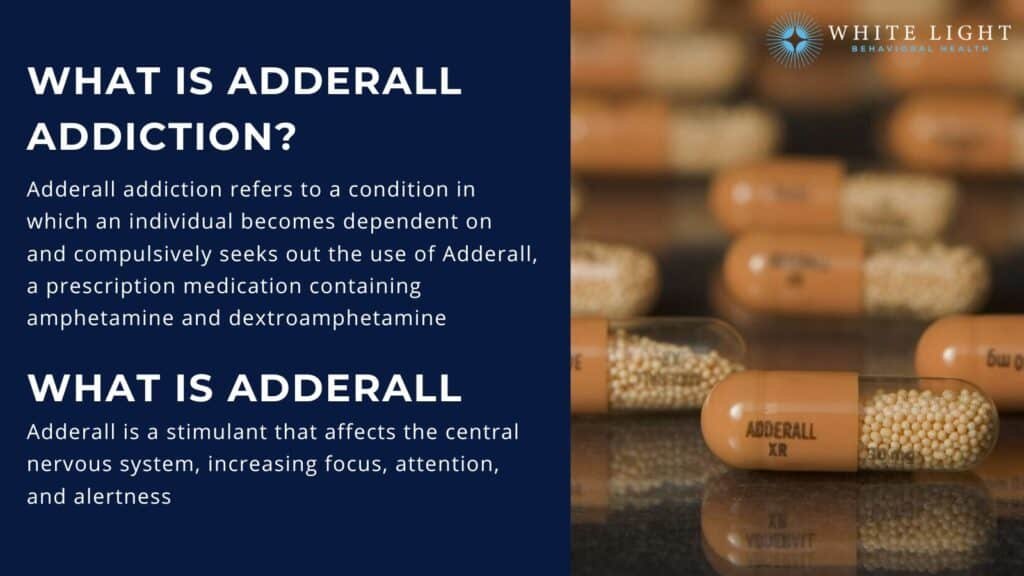
Adderall is a medication that has gained significant attention, especially in recent years, due to its widespread use in treating attention deficit hyperactivity disorder (ADHD) and narcolepsy. As a prescription stimulant, Adderall is a brand name that combines two different amphetamines: amphetamine and dextroamphetamine. According to the FDA, it falls under a strict category of medications with a high potential for abuse, often leading to dependence when misused. Understanding what type of drug Adderall is not only involves its chemical composition but also encompasses its effects, benefits, and the potential for risks and abuse.
The growing prevalence of ADHD diagnoses and the corresponding prescriptions for Adderall have made it a topic of both medical debate and inquiry. While many individuals who genuinely struggle with ADHD find relief in its cognitive enhancing abilities, others who utilize it without a prescription may face significant health risks. This article delves into the multifaceted nature of Adderall, shedding light on its classification, effects on the body, potential for abuse, and more.
By the end of this guide, readers will gain a comprehensive understanding of what Adderall is, how it works, its benefits and side effects, and what to consider if they are prescribed this powerful medication. This knowledge will not only empower individuals seeking treatment but also enlighten those curious about the nuances of prescription medications.
What Is Adderall and What Type of Drug Is It?
Adderall is primarily a prescription medication used in the treatment of ADHD and narcolepsy. At its core, Adderall is categorized as a central nervous system stimulant. It functions by enhancing the activity of neurotransmitters in the brain, particularly dopamine and norepinephrine, which play pivotal roles in attention and impulse control. The formulation of Adderall involves a mixture of amphetamine salts, which differentiates it from other stimulants that may not offer the same blend of effects.
The chemical makeup of Adderall consists of both racemic amphetamine and dextroamphetamine. Racemic amphetamine refers to a combination of both the dextro and levo enantiomers of amphetamine, while dextroamphetamine primarily consists of the dextro isomer. This combination allows for a multifaceted approach to increasing alertness and focus. By targeting the brain’s neurotransmission systems, Adderall enhances tasks involving memory, cognitive flexibility, and attention span.
As a controlled substance, Adderall is classified as a Schedule II medication under the Controlled Substances Act. This classification indicates a high potential for abuse, dependency, and addiction, which is especially important for patients and healthcare providers to consider. Its categorization as a stimulant aligns it with other medications used to treat ADHD, such as Ritalin and Vyvanse, but with distinct variances in duration and efficacy.
How Does Adderall Work in the Brain?
When ingested, Adderall dissolves in the bloodstream and acts on the central nervous system. Specifically, it increases the release of neurotransmitters like dopamine and norepinephrine from presynaptic neurons. Dopamine is commonly associated with pleasure and reward, while norepinephrine involves regulation of arousal and alertness.
The rise in dopamine levels is particularly notable; it enhances motivation and focus, making it easier for individuals with ADHD to complete tasks they may otherwise find challenging. Meanwhile, increased norepinephrine levels improve attention and response rates, which plays a crucial role in managing symptoms related to ADHD.
Moreover, studies have shown that Adderall can significantly enhance working memory and executive function. For individuals diagnosed with ADHD, this is often life-changing as it allows for better control over impulsivity and hyperactivity. However, in individuals without ADHD, these stimulant effects may prompt misuse, leading to heightened risks of dependency.
Who Is Prescribed Adderall?
Adderall is most commonly prescribed to individuals diagnosed with ADHD, typically in childhood but often extending into adulthood. The Centers for Disease Control and Prevention (CDC) estimates that about 6.1 million children in the United States have received a diagnosis of ADHD. For these individuals, medications like Adderall can provide substantial relief from ADHD symptoms, enabling them to function more effectively in various environments, including schools and workplaces.
Additionally, Adderall is prescribed to adults who struggle with attention deficits or have been diagnosed with narcolepsy, a disorder characterized by excessive daytime sleepiness and sudden sleep attacks. This makes the drug an effective solution for enhancing wakefulness and cognitive functioning. However, proper diagnosis and ongoing monitoring by a healthcare provider are essential to mitigate the risks associated with Adderall use.
Unfortunately, the growing number of prescriptions has also led to misuse among those who do not have ADHD. Many students and professionals view Adderall as a cognitive enhancer that can help improve concentration and feed into their productivity. Consequently, this misuse often leads to legal and health ramifications due to the potential for addiction and harmful side effects.
Adderall Effects and Benefits

The effects of Adderall can vary significantly based on an individual’s diagnosis, their specific symptoms, and whether they are taking the medication as prescribed. For those diagnosed with ADHD, the medication typically provides numerous benefits that enhance daily functioning.
One of the primary effects of Adderall is its ability to improve focus and concentration. Many individuals report heightened awareness and mental clarity, resulting in a greater capacity to complete tasks that previously seemed overwhelming. This revival of mental acuity is supported by various clinical studies that suggest that individuals using stimulants like Adderall experience marked improvements in academic and occupational settings.
Moreover, beyond improvements in focus, patients often notice enhanced motivation and reduced impulsivity. This change empowers those struggling with the disorganization that often accompanies ADHD, allowing for increased anticipation of future tasks and responsibilities. Ultimately, these benefits can significantly improve the quality of life for individuals with ADHD, enabling them to participate more actively in both social and professional realms.
What Are the Short and Long-Term Effects of Adderall?
Short-term effects of Adderall can often be beneficial, providing immediate boosts in focus and energy levels. During the initial period of taking the medication, users may observe a surge in productivity and enthusiasm towards activities. These effects generally manifest within 30 minutes to one hour post-administration and can last up to 12 hours, depending on the dosage and formulation (immediate vs. extended-release).
However, the long-term effects can vary widely. For individuals utilizing Adderall under professional medical guidance, long-term benefits include sustained improvements in concentration and cognitive functioning. Nevertheless, chronic users may also encounter negative aspects such as increased tolerance, requiring higher doses over time to achieve the same effect.
Additionally, some individuals may experience withdrawal symptoms when they stop taking the medication. These can include fatigue, depression, and sleep disturbances. Users that mismanage their dosage or use Adderall without prescription supervision are also at risk for more severe long-term health consequences, including cardiovascular issues, anxiety disorders, and substance dependence.
What Does Adderall Do to a Normal Person?
When taken by individuals who do not have ADHD or narcolepsy, Adderall can lead to effects that might seem desirable but come with considerable risks. Users report enhanced alertness, increased energy, and a heightened sense of euphoria. However, these effects can also lead to detrimental behaviors and complications as the body reacts uniquely to the stimulant.
For the average person, the cognitive and productivity boosts can be appealing. Yet, this misuse can give rise to side effects that include increased heart rate, insomnia, and anxiety. Over time, individuals may find themselves reliant on the medication to maintain performance, which could spiral into a cycle of dependency. In essence, while Adderall may temporarily enhance cognitive performance for non-prescribed users, the risks of addiction and health complications far outweigh potential benefits.
Adderall Side Effects
Like many medications, Adderall is not without its side effects. While most people handle it well under supervision, there are side effects—some mild and some serious—that users need to be aware of. Common side effects include dry mouth, insomnia, loss of appetite, and increased heart rate. These effects can sometimes be effectively managed through dosage adjustments or dietary changes.
However, it is crucial to recognize that severe side effects may lead to serious health complications. Users can experience heightened blood pressure, cardiovascular issues, or psychological symptoms such as paranoia, agitated depression, or increased anxiety. Addressing these side effects with a healthcare provider is vital in ensuring safe and effective use of the drug.
Serious adverse effects that could arise from improper use or misuse include the potential for addiction. It’s important that those prescribed Adderall maintain regular appointments with their healthcare provider to monitor for signs of dependency, such as increasing dose amounts or relying on the medication outside of prescribed times.
Is Adderall Addictive?
Yes, Adderall is considered addictive, especially when misused. As a stimulant medication classified under Schedule II, it possesses the potential for abuse. While most individuals follow their prescribing doctor’s advice, misuse can lead to psychological and physical dependency where users continuously seek to feel the euphoric effects.
The risk of addiction is significantly increased with individuals who do not have a formal diagnosis of ADHD, as their likelihood of misusing the drug for cognitive enhancement correlates with various illicit behaviors. Regular use without medical guidance can lead to changes in brain chemistry, making it more difficult for individuals to feel pleasure from non-stimulant activities.
According to research, approximately **5%** of people prescribed stimulants may develop an addiction or problematic use. Recognizing the signs of addiction is crucial, and early interventions can often lead to favorable outcomes to mitigate further risks.
Adderall Misuse and Its Consequences
Adderall misuse has become increasingly prevalent in academic and professional settings as individuals look for ways to maintain high performance. While some may initially use low doses for cognitive enhancement, this can escalate to higher amounts or more frequent use, increasing the potential for health risks.
Consequences of misuse may include not only psychological distress and dependency but also legal ramifications. Misappropriating a prescription medication is unlawful and can lead to severe charges and penalties. Moreover, the social stigma surrounding addiction issues can further alienate individuals in various social settings.
Medical professionals are becoming more vigilant about screening patients for misuse signs. As people become more aware of the potential risks and instances of misuse, stronger regulations around prescription distributions and monitoring practices are in development to create safer environments for patients requiring Adderall therapy.
Different Types of Adderall Medication
Adderall is available in both immediate-release (IR) and extended-release (XR) formulations, which are crucial for individuals based on their specific needs and treatment protocols. The immediate-release version allows for faster absorption and typically provides effects lasting around 4 to 6 hours. This formulation is ideal for those who require treatment for short periods during the day.
On the other hand, the extended-release formulation was designed to provide prolonged effects, ranging from 8 to 12 hours. This version is beneficial for individuals seeking sustained relief from ADHD symptoms throughout the day without the need for multiple doses. The differing dosages and formulations provide practitioners the flexibility to tailor treatment effectively, ensuring optimal management of ADHD symptoms.
Aside from formulations, Adderall is also available in different strengths, offering dosages ranging from **5 mg to 30 mg**. These options allow providers to customize medication plans based on an individual’s response to therapy and specific symptomology.
Adderall Generic Names and Their Availability
The generic name for Adderall is mixed amphetamine salts. These drugs have the same efficacy as the brand-name version and are generally lower in cost. After the patent expiration of Adderall, these generics have become more accessible, allowing a wider population to receive effective treatment without bearing the burden of higher pharmaceutical costs associated with brand-name medications.
Patients can opt for either the brand-name Adderall or its generic counterpart; both choices promise the same active ingredients and effects. However, some individuals may respond differently to the brand-name medication compared to the generic, necessitating further discussion with a healthcare provider for optimal symptom management.
Is Adderall an Opioid?
Adderall is unequivocally not an opioid. While both opioids and amphetamines are controlled substances due to their potential for abuse and addiction, they belong to completely different classes of drugs and serve different therapeutic purposes. Opioids act primarily on the brain’s opioid receptors and are often used for pain relief, while Adderall, as a stimulant, primarily targets neurotransmitters to improve focus and attention.
Doctor’s prescribing practices for both drug classes differ significantly as opioid medications pose an inherent risk for significant respiratory depression and overdose, while amphetamines like Adderall, though risky in terms of dependency, have different risk profiles and mechanisms of action.
Distinguishing between these classes of drugs is crucial for patients and caregivers as it ensures accurate information dissemination regarding their risks and benefits. Awareness around these drug classifications can help mitigate misconceptions and protect patient safety in both settings.
Frequently Asked Questions (FAQs)
What are the common side effects of Adderall?
Common side effects of Adderall include dry mouth, insomnia, loss of appetite, weight loss, and increased heart rate. In some patients, these side effects might be transient and manageable through dosage adjustments or lifestyle changes. However, individuals should remain vigilant for more severe symptoms, including cardiovascular issues and psychological effects, and speak with their healthcare provider if they experience concerning changes.
How long does Adderall stay in your system?
Adderall can typically remain in your system for around **2 to 3 days** following the last dose, although this can vary based on individual metabolism, dosage, and frequency of use. Factors such as kidney function and overall health status can also influence the duration of the drug’s presence in urine. Understanding this is especially crucial for individuals undergoing drug screenings.
Is it safe to drink alcohol while taking Adderall?
Mixing alcohol with Adderall is generally not advised due to the contrasting effects of the substances. While Adderall acts as a stimulant, alcohol serves as a depressant. This combination can lead to increased heart risks, impaired judgment, and can mask the sedative effects of alcohol, resulting in a higher likelihood of overconsumption and severe intoxication. Consulting with a healthcare provider about alcohol consumption while on Adderall treatment is essential.
Can I get addicted to Adderall even if I have ADHD?
While individuals with ADHD are at a lower risk of developing addiction when using Adderall under medical supervision, they can still experience dependency issues, particularly if the medication is misused or overdosed. It is vital to follow prescribed guidelines strictly and communicate with healthcare professionals about any concerning symptoms, ensuring healthy regimen management and monitoring for any potential adverse consequences.
Can Adderall be prescribed for weight loss?
Although Adderall may reduce appetite, it is not FDA-approved for weight loss or management purposes. Using Adderall for weight loss is considered misuse and can lead to significant health concerns, including dependency and metabolic changes. If weight management is a primary concern, individuals should consult with a healthcare provider for safer and more effective alternatives tailored to their needs.
What should I do if I miss a dose of Adderall?
If a dose of Adderall is missed, it is recommended to take it as soon as remembered. However, if it is close to the time of the next scheduled dose, one should skip the missed dose altogether and return to their regular dosing schedule. It’s important not to double up on doses to catch up as this could increase the risk of adverse effects and potentially dangerous reactions.
Conclusion
In summary, Adderall is a powerful medication known for its effectiveness in treating ADHD and narcolepsy. As a stimulant, it has the capacity to enhance focus and attention while also posing risks associated with dependency and misuse. Understanding when and how to use Adderall responsibly is crucial for maintaining both health and functionality.
For those diagnosed with ADHD, the benefits of Adderall can be life-altering, offering improved mental clarity and the ability to engage better in various aspects of life. Nevertheless, the importance of using this medication under strict medical supervision cannot be overstated, whether for ADHD or other conditions.
Individuals considering or currently using Adderall should educate themselves about its effects, risks, and ways to manage their treatment plan proactively. Prioritizing open communication with healthcare providers is vital in ensuring effectiveness while minimizing potential adverse outcomes.
