🏠 Stay at home! 25% discount on all medicines


Can You Take Adderall While Pregnant or Breastfeeding? Comprehensive Guide

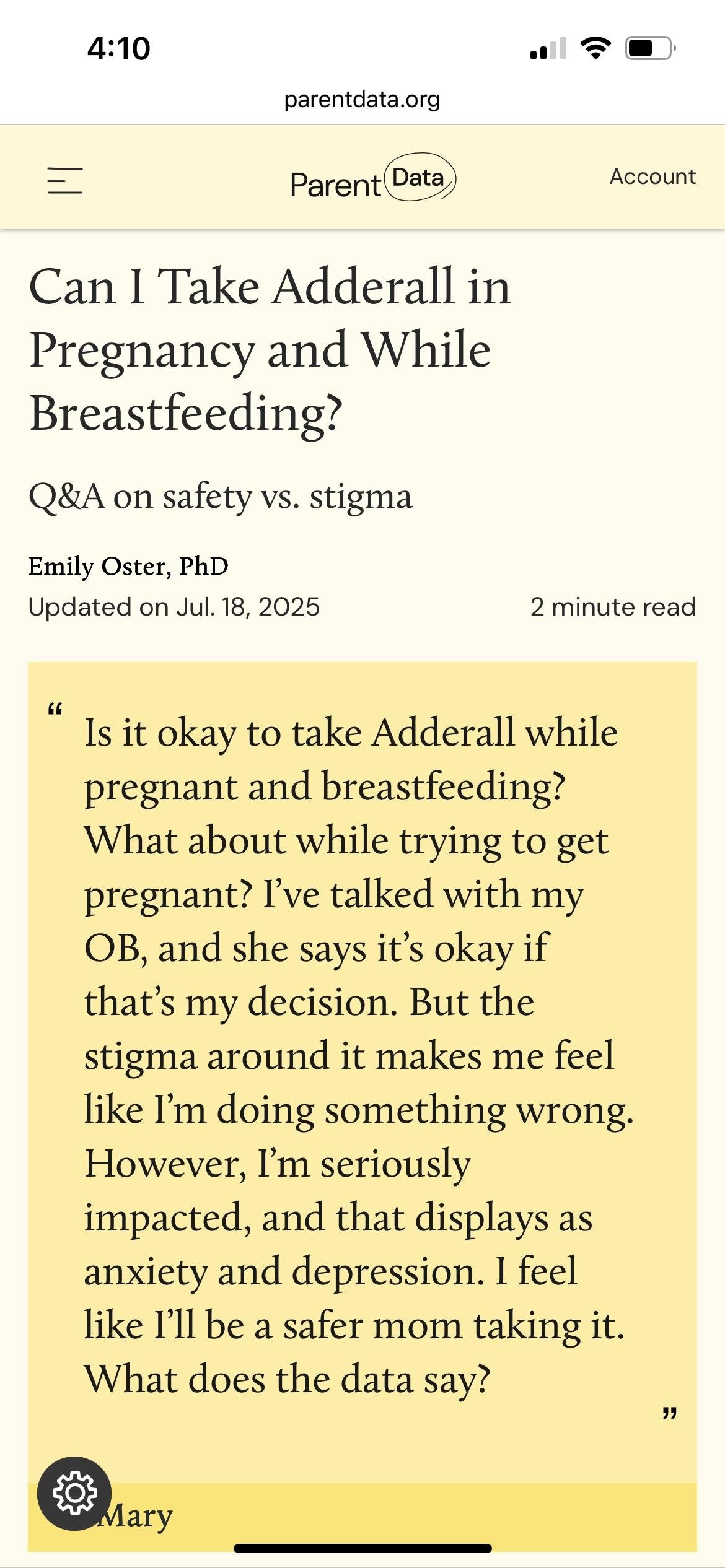
When navigating the complexities of pregnancy or breastfeeding, many expectant and new mothers face difficult health decisions. Among the most pressing of these choices is the use of medication, particularly when it comes to stimulant medications like Adderall. According to National Institute of Mental Health, nearly 6% of women report having a diagnosis of attention-deficit/hyperactivity disorder (ADHD)— numbers that are likely higher since many women remain undiagnosed. For those managing ADHD, medication like Adderall can be a lifeline. However, the question persists: Can you take Adderall while pregnant or breastfeeding?
This article seeks to provide clarity on the subject, addressing the safety, risks, and professional recommendations regarding Adderall and stimulant medications during pregnancy and lactation. Understanding these implications can empower mothers to make well-informed decisions about their health and the health of their babies.
Compounding the confusion are conflicting reports and personal anecdotes from mothers who have used Adderall while pregnant or breastfeeding. It’s essential to break down the scientific evidence from anecdotal claims to paint an accurate picture. This comprehensive guide explores multiple facets of the topic, including potential risks during different trimesters, the effects on breastfeeding, and expert opinions. By the end, readers will be better equipped to engage in meaningful discussions with their healthcare providers regarding the use of Adderall in these critical periods.
Understanding Adderall: Composition and Uses
Adderall is a prescription medication primarily composed of mixed amphetamine salts—specifically dextroamphetamine and amphetamine. It is widely used to treat ADHD and narcolepsy by enhancing focus, attention, and impulse control through increased neurotransmitter activity in the brain. Generally, for adults and children diagnosed with ADHD, Adderall may dramatically improve quality of life, making it a valuable therapeutic tool.
Despite its effectiveness, the escalating use of Adderall has raised important questions regarding its safety during sensitive periods like pregnancy and lactation. The product label for Adderall recommends caution for pregnant women and those who are breastfeeding, advising comprehensive discussions with healthcare providers before initiating treatment. As physicians weigh the benefits against the potential risks, understanding the physiological effects of Adderall during pregnancy is crucial.
Why is Understanding the Risks Important?
Pregnancy introduces a unique set of physiological changes that can influence how medications are processed in the body. Increased blood volume, altered metabolic rates, and changes in organ function can significantly impact drug efficacy and safety. Consequently, women with ADHD may find themselves in a dilemma: managing their condition effectively while also ensuring the health and safety of their developing babies.
Furthermore, the societal stigma surrounding ADHD and its treatment may amplify the stress and anxiety for women grappling with these decisions. Healthcare providers need to present accurate risk assessments regarding Adderall in a way that allows informed decision-making without inducing unnecessary fear.
Potential Risks of Adderall Use During Pregnancy
Adderall is categorized as a Category C medication by the FDA, indicating that risk to the fetus cannot be ruled out. While definitive conclusions remain elusive, research does point to several areas of concern.
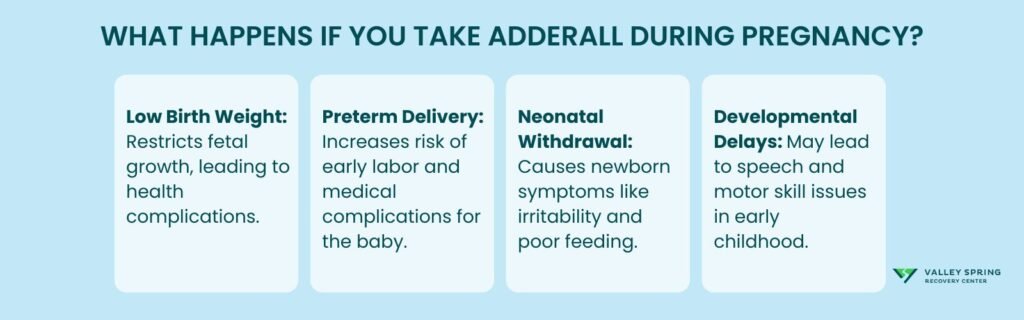
Several studies have explored the teratogenic effects—the potential to produce developmental abnormalities—of amphetamines in pregnant women. Some investigations have suggested that in utero exposure to stimulants like Adderall may be linked to an increased risk of premature birth, low birth weight, and developmental delays. One critical point to consider is that *amphetamines cross the placenta,* meaning that any medication a mother takes could affect her developing fetus.
How Does Adderall Affect Pregnancy Outcomes?
Research shows conflicting results regarding the effects of taking Adderall during pregnancy. While some studies observe negative consequences, others indicate that when the medication is taken as prescribed, negative outcomes may be minimal. It’s essential to weigh the potential benefits of managing ADHD symptoms against potential risks to fetal development and maternal health.
One noteworthy aspect of this debate revolves around the impact Adderall may have on maternal weight. Adderall is known to suppress appetite, which could lead to insufficient weight gain during pregnancy—a crucial factor in healthy fetal development. Inadequate weight gain is associated with various complications, such as gestational diabetes and preeclampsia, further complicating the issue.
What the Research Says
A study published in the Journal of the American Academy of Child & Adolescent Psychiatry analyzed the effects of stimulant use on pregnancy outcomes. Findings revealed that women who used stimulants had a higher likelihood of experiencing preterm labor and low birth weight infants as compared to those who did not use stimulants. However, the authors also noted that the risks could vary widely depending on dosage and the timing of medication compared to gestational age.
Additionally, the MotherToBaby organization suggests that while some women have taken Adderall without apparent complications, there remains a critical need for ongoing conversation with healthcare providers. Each pregnancy is unique, and individual circumstances must be considered when evaluating the safety of ADHD medications.
Adderall and Breastfeeding: What to Know
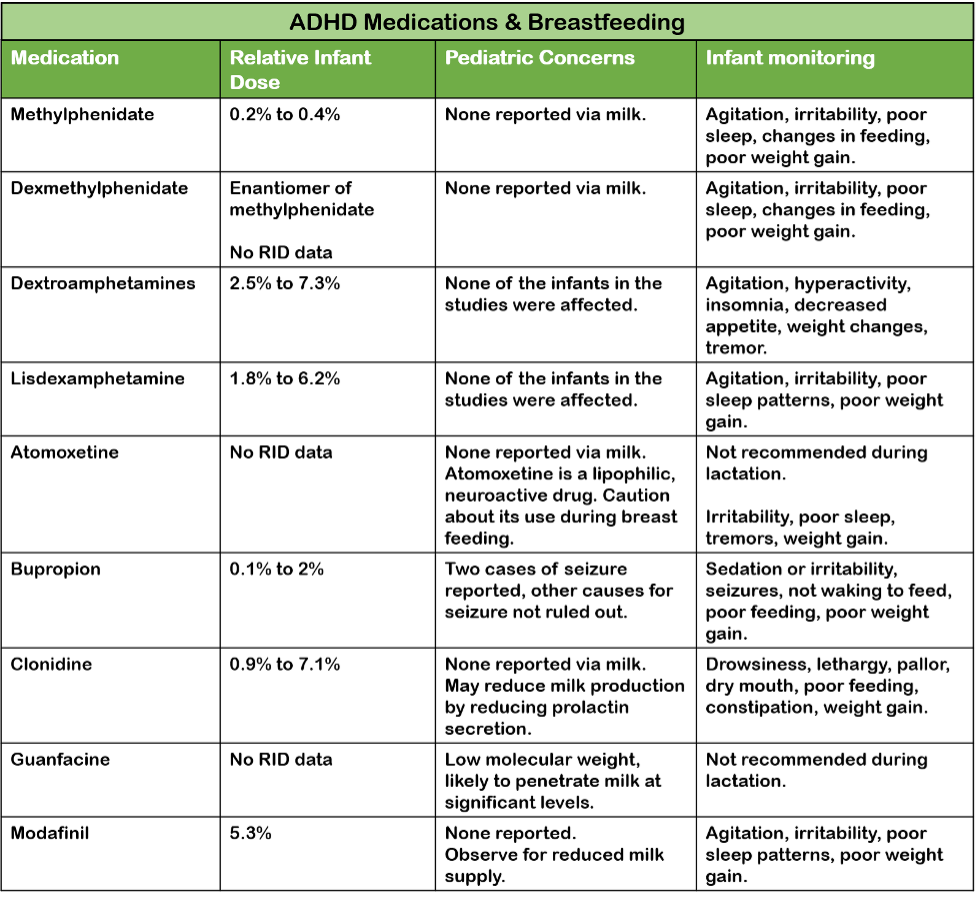
When considering the implications of medication use while breastfeeding, it is essential to note that Adderall is detectable in breast milk. Research indicates that approximately 2-17% of the administered dose of amphetamines can be transferred to breastfed infants. Concerns regarding infant exposure have led healthcare providers to recommend caution.
Although the product label for dextroamphetamine-amphetamine explicitly advises against using the medication while breastfeeding, some experts contend that low doses may be acceptable. Current guidelines from the Academy of Breastfeeding Medicine suggest that stimulant medications, including Adderall, can be used in nursing mothers under certain conditions. Dosages of less than 45 mg per day of Adderall are noted as having no known negative effects on infants.
How Long Should You Wait to Breastfeed After Taking Adderall?
Timing plays a pivotal role in minimizing potential harm during breastfeeding. The half-life of amphetamines ranges between 9-14 hours, meaning that significant concentrations can remain in the bloodstream for some time. Ideally, mothers may choose to wait at least 4-6 hours after taking Adderall before breastfeeding to reduce the amount of medication transferred through breast milk.
However, it is important to recognize that waiting isn’t a perfect solution. Variability in metabolism based on individual factors such as personal health, hydration status, and the presence of any other medications can significantly impact drug clearance. Thus, establishing a collaborative relationship with healthcare professionals to navigate these considerations is paramount.
Can Smaller Doses Mitigate Risks?
Many mothers ponder whether lower dosages of Adderall may lessen the potential fetal and infant risks. While smaller doses may translate to lower concentrations in breast milk and reduced side effects in pregnant women, it is not a panacea. Individual response to medication varies, and what works for one person may not yield similar results for another.
Some healthcare professionals suggest that women with milder forms of ADHD might be able to effectively manage their symptoms with lifestyle modifications and behavioral therapy, thereby avoiding the need for medication during critical periods. However, these options may not suffice for everyone, especially those with more severe symptoms that significantly affect day-to-day functioning.
Anecdotal Accounts and Personal Experiences
With increasing visibility around ADHD and pregnancy, many expectant and new mothers have shared their experiences with taking Adderall through platforms like Reddit. Anecdotes vary widely, showcasing positive outcomes for some while highlighting struggles faced by others.
One user recounted how they managed their ADHD effectively with Adderall throughout their pregnancy. Despite concerns, the child was born healthy and reached developmental milestones in line with pediatric expectations. Nonetheless, disclosures such as these fuel the narrative that personal experiences should supplement clinical advice rather than replace it.
On the other hand, accounts of discomfort with medication use—ranging from anxiety about fetal outcomes to inadequate weight gain—highlight the complexity of the decision-making process. For many mothers, it’s a balancing act of managing their health while securing the wellbeing of their child.
I Took Adderall My Entire Pregnancy: What Happened?
Some mothers who have openly stated that they took Adderall during their entire pregnancies assert their children are doing well. However, what remains crucial is to understand that experiences differ and anecdotal evidence should not overshadow the substantial directives provided by medical professionals.
Caution must prevail in assessing an individual’s situation based on the context of their health, medical history, and the appropriate medical supervision they utilize. *No two pregnancies are the same.* Each person deserves tailored advice and care based on their unique circumstances and health profiles.
Healthcare Provider Perspectives on Adderall Use
When it comes to the concern of using medications like Adderall during pregnancy and lactation, healthcare providers advocate for a thorough evaluation of both risks and benefits. Obstetricians and psychiatrists emphasize that symptoms of ADHD can severely hinder daily functioning, thus, diminishing the quality of life.
Health professionals often take a more nuanced approach, suggesting potential monitoring systems for mothers who continue to take Adderall during their pregnancies. Continuous assessments through regular check-ups can help address any emerging complications or concerns that may arise as a result of the medication use.
Collaboration Between Patients and Providers
Open dialogue is fundamental to ensuring the optimal health of both mothers and their infants. Healthcare providers encourage patients to maintain candid communication about their treatment goals and any apprehensions. Sharing personal experiences and discomfort with medications can help practitioners design a comprehensive and tailored treatment plan.
For many women, the cessation of Adderall could lead to significant declines in quality of life, increased anxiety, or even depressive symptoms. Finding alternative treatments or compensatory strategies (like counseling or ADHD coaching) may not suffice in all cases, thus exacerbating challenges faced by some women.
FAQ Section: Adderall, Pregnancy, and Breastfeeding
Is it safe to take Adderall in early pregnancy?
The early stages of pregnancy are often characterized by significant hormonal fluctuations and developmental changes in the embryo. While research has shown that Adderall is associated with risks, particularly during the first trimester when organogenesis occurs, each situation is unique. Engaging in thorough discussions with healthcare providers is critical—some women may find that the benefits of taking medication outweigh the risks, particularly if unmanaged ADHD significantly impairs their daily functioning.
What are the alternatives to Adderall during pregnancy?
For women diagnosed with ADHD who are pregnant or considering becoming pregnant, there are several non-stimulant alternatives that may be appropriate. Medications such as bupropion (Wellbutrin) or certain SSRIs may provide relief, or lifestyle modifications, including cognitive behavioral therapy (CBT) or mindfulness-based strategies, may be recommended. It’s essential to explore these options with healthcare providers to determine what best suits individual needs.
Can I take low doses of Adderall while breastfeeding?
While some studies indicate that low doses of Adderall may not have harmful effects on nursing infants, the recommendation often comes with considerable caveats. Adderall can pass into breast milk, and healthcare providers generally encourage mothers to assess the risks versus benefits of continued medication. Consulting healthcare professionals to monitor the infant for any possible side effects can inform continued use along with appropriate dosage adjustments.
What should I do if I took Adderall before I knew I was pregnant?
Experiencing anxiety about medication taken before pregnancy is common among expectant mothers. If you find yourself in this situation, it is crucial to reach out to your healthcare provider immediately. Understanding that you are not alone in these experiences can bring peace of mind. Your provider will likely reassess your treatment plan and monitor the pregnancy closely, ensuring optimal care moving forward.
How long after taking Adderall can I breastfeed?
Generally speaking, it is recommended to wait 4-6 hours after taking Adderall before breastfeeding. This recommendation aims to minimize the potential exposure of the baby to the medication through breast milk. However, understanding the exact timing may vary due to multiple factors (like metabolic rates), having ongoing discussions with healthcare providers can yield an individualized recommendation aligned with your specific health parameters.
What signs should I monitor in my baby if I’m taking Adderall while breastfeeding?
If you choose to continue using Adderall while breastfeeding, vigilance in monitoring your baby’s behavior is essential. Be on the lookout for signs like unusual irritability, sleep disturbances, feeding issues, or any unexplained symptoms. Observing these signs can help assess how the medication could be impacting your child. Regular check-ups with your pediatrician can ease concerns and allow for close monitoring.
Conclusion: Navigating Medication Use with Care
The use of Adderall while pregnant and during breastfeeding is a multifaceted issue filled with emotional and medical implications. With the right guidance from healthcare providers, many mothers have successfully navigated these challenges while ensuring the wellbeing of their children.
Understanding the balance of risks and benefits is paramount. While the potential negative effects of stimulant medications are real, the importance of addressing ADHD symptoms in mothers cannot be understated. Each woman must consider her unique health profiles and needs, ensuring any treatment approaches are well-informed and tailored.
Healthcare professionals emphasize *interdisciplinary communication* in managing cases like these, highlighting the importance of shared decision-making for optimal outcomes. Remaining informed, vigilant, and proactive can empower mothers to make the best choices for both themselves and their babies during these pivotal stages of life.
