🏠 Stay at home! 25% discount on all medicines


Understanding the Impact of Adderall on Heart Rate and Blood Pressure

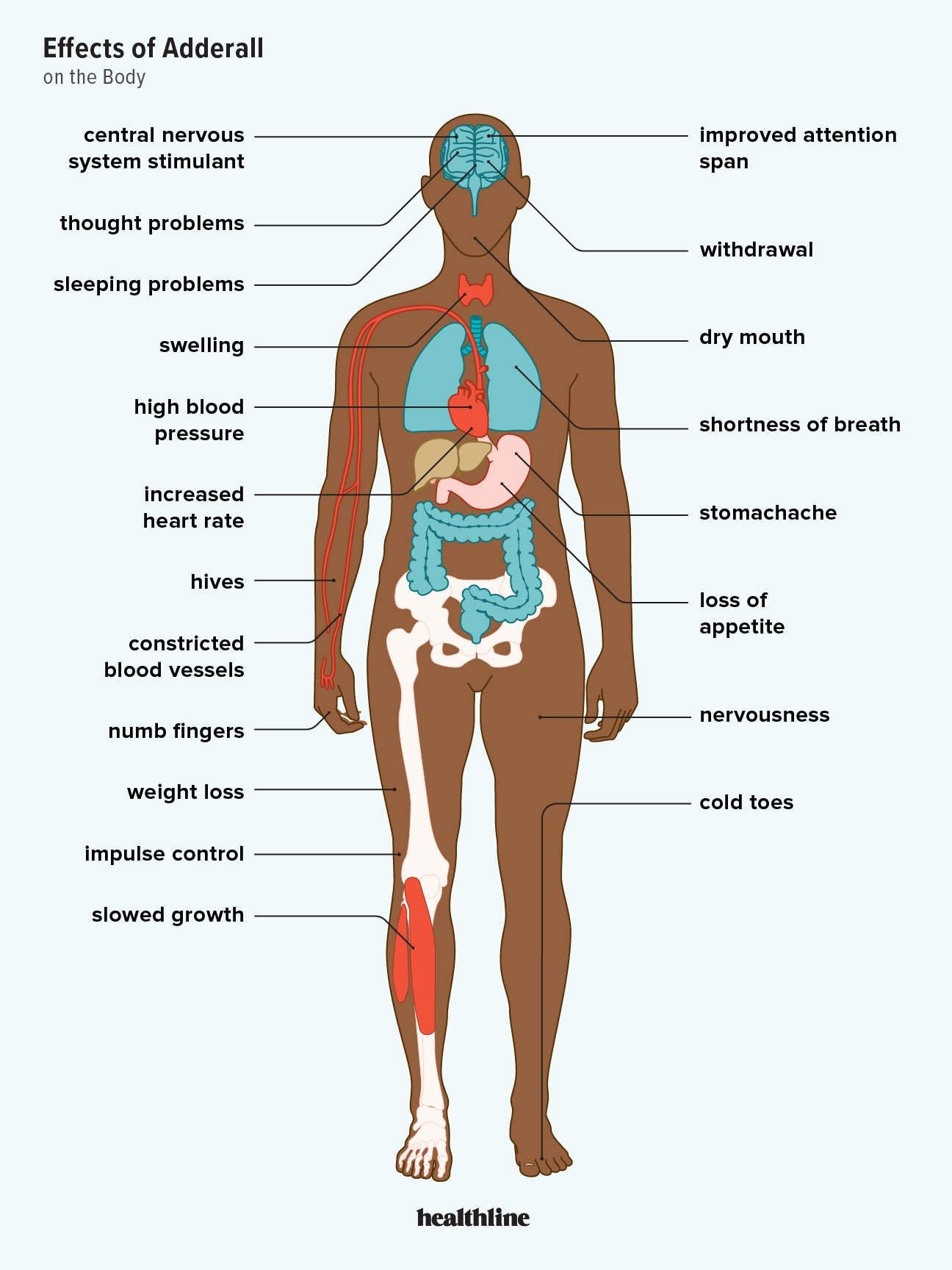
Adderall is a widely prescribed medication for Attention Deficit Hyperactivity Disorder (ADHD) and narcolepsy. Its active ingredients, amphetamine and dextroamphetamine, are stimulants that enhance concentration and diminish impulsiveness. However, users often wonder, does Adderall affect heart rate or blood pressure? This inquiry is not merely academic; understanding these effects is critical, particularly as many individuals might have pre-existing conditions that make them more vulnerable to cardiovascular issues.
Research shows that even among individuals without prior exposure to stimulants, the use of a 25 mg dose of Adderall can trigger significant increases in both blood pressure and heart rate. A notable study highlighted that non-prescribed Adderall usage resulted in demonstrable spikes in these vital signs, raising concerns about its safety for many users. As we delve deeper into this topic, we will explore the mechanisms behind these changes, potential risks for patients, and necessary precautions that should be taken.
This article aims to provide a comprehensive overview of how Adderall influences cardiovascular health, the evidence backing these claims, and what users can do to mitigate risks. Understanding these implications could make a difference in how individuals approach their treatment options.
How Adderall Influences Heart Rate and Blood Pressure
Adderall works by increasing the levels of certain neurotransmitters in the brain, particularly dopamine and norepinephrine, which can heighten alertness and focus. However, this enhancement of neurotransmitter levels has systemic effects, primarily influencing the cardiovascular system.
Multiple studies indicate that Adderall use can lead to elevated heart rate and blood pressure. For instance, a comprehensive review indicated that the combination of amphetamine salts could elicit changes ranging from a modest increase to clinically significant hypertension in certain cases. For individuals without previous exposure, heightened heart rates over 100 beats per minute during the initial stages of medication use are common. The reasons for these physiological changes are multi-faceted.
Firstly, Adderall stimulates the sympathetic nervous system, which is responsible for the body’s ‘fight or flight’ response. Once stimulated, this system can cause the heart to beat faster and blood vessels to constrict, leading to increased blood pressure. Secondly, the drug’s stimulatory effects can lead to increased physical activity, which may further elevate heart rates and blood pressures in combination with its pharmacological properties. For those already facing cardiovascular health issues, these effects could pose serious risks.
What Do Studies Reveal About Blood Pressure Changes?
Research illustrating the cardiovascular effects of Adderall predominantly affirms that it raises blood pressure. For instance, one study focusing on patients with ADHD demonstrated that, even when controlled for baseline heart conditions, a mere 10 mg dose of Adderall could increase systolic and diastolic blood pressure by over 10 mm Hg in many cases.
Moreover, anecdotal evidence among users has frequently indicated variations in blood pressure readings. Some Reddit discussions highlight cases of individuals experiencing blood pressure spikes to levels classified as hypertensive, particularly after consuming higher doses for extended periods. This underscores the potential for cumulative and long-term cardiovascular effects among chronic users.
However, it is also essential to consider that while most patients experience increases in blood pressure, these effects can vary based on individual health profiles, including any coexisting cardiovascular conditions, weight, age, and lifestyle factors like diet and exercise.
Heart Rate Changes Linked to Adderall Usage
Similar to its effects on blood pressure, Adderall has been shown to cause increases in heart rate. Individuals taking the medication often report experiencing heart rates exceeding 120 beats per minute, especially if the dosage is on the higher end or the medication is taken without medical supervision.
The physiological mechanism driving this increase is primarily related to Adderall’s role as a central nervous stimulant. As heart rate rises, patients may also experience feelings of anxiety or jitteriness, which can further exacerbate the heart’s workload. Medical professionals advise that anyone experiencing uncharacteristically high heart rates should consult their health care provider immediately.
It’s worth noting that while occasional increases in heart rate may be manageable for otherwise healthy individuals, those with existing heart conditions, like arrhythmias or a history of heart disease, should approach Adderall with caution. Pre-screening for cardiac health is advisable before initiating therapy.
Understanding the Risks Associated with Adderall Use
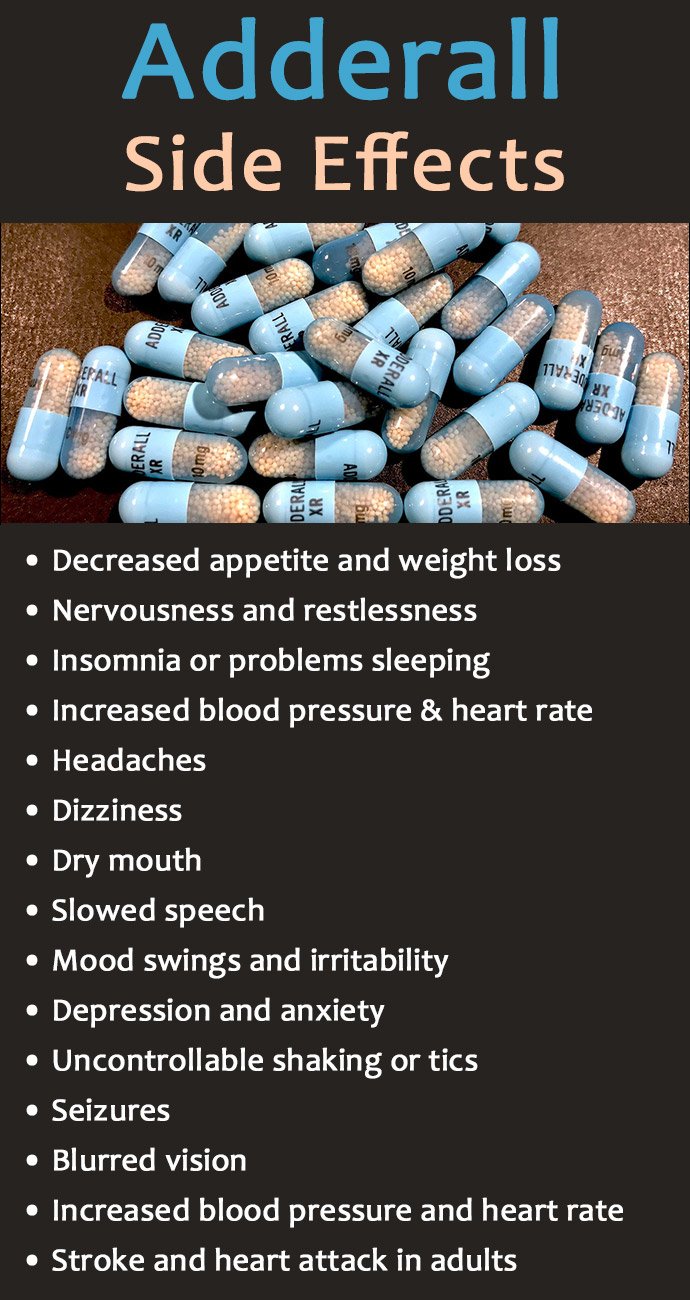
The heightened risk of increased heart rate and blood pressure comes with significant implications. Most notably, previous studies cite a direct link between Adderall use and adverse cardiovascular events, some of which may include heart attacks and strokes, especially in younger populations or those with underlying cardiovascular risk factors.
Compounding these risks is the increasing trend of recreational Adderall use among young adults seeking academic or productivity boosts. Recreational users often consume higher dosages than those prescribed, which may lead to alarming spikes in both heart rate and blood pressure. Such usage further complicates the understanding of patient safety, leading healthcare professionals to recommend strict monitoring in those being treated with the medication.
Additionally, patients with pre-existing hypertension must exercise extreme caution, as the stimulant may exacerbate their already compromised vascular health. The literature consistently warns against the use of Adderall in individuals with moderate to severe hypertension or ischemic heart disease, considering the potential for worsening cardiovascular outcomes.
Myths and Misconceptions About Adderall and Cardiovascular Health
Despite the wealth of information available, several myths persist regarding Adderall’s effects on the heart. A common misconception is that the cardiovascular effects are only present in users with pre-existing conditions. However, this is far from accurate; evidence shows that even healthy individuals can exhibit significant increases in heart rate and blood pressure.
Another prevalent myth is that these effects are transient and diminish over time, but studies have demonstrated that prolonged use can lead to sustained elevations in blood pressure. Furthermore, recreational use poses additional risks; those who misuse Adderall for its stimulating effects may experience even greater and more dangerous cardiovascular consequences.
Finally, the assumption that all patients tolerate Adderall equally can lead to complacency. Individual reactions to the medication can vary dramatically, emphasizing the need for personalized medical evaluations and ongoing monitoring while on the drug.
Monitoring Heart Rate and Blood Pressure During Adderall Treatment
Given the potential risks associated with Adderall, regular monitoring of heart rate and blood pressure is critical for anyone prescribed the medication. In clinical practice, healthcare providers typically establish baseline measurements before initiating treatment. They often recommend follow-up evaluations at intervals to ensure that any significant fluctuations in vital signs are addressed promptly.
For patients, being proactive in monitoring their health is crucial. Home blood pressure monitors can provide valuable information, allowing individuals to track changes correlating with their medication schedule. This practice can be particularly beneficial in identifying early signs of hypertension or abnormal heart rhythms, enabling patients to alert their healthcare providers as needed.
Moreover, individuals should be encouraged to engage in open communication with their healthcare teams regarding any experiences of chest pain, palpitations, or symptoms associated with increased heart rate, as these may indicate complications that merit reevaluation of their treatment plan.
What to Do If You Experience Increased Heart Rate or Blood Pressure
For patients who experience significant increases in heart rate or blood pressure while on Adderall, it is essential to act cautiously. Consultation with a healthcare provider should be prioritized, especially if the readings remain elevated for an extended period or if accompanying symptoms such as headaches, fatigue, or anxiety arise.
In some cases, healthcare providers may adjust the medication dosage or explore alternative treatments for ADHD. Additionally, integrating lifestyle changes can help mitigate these side effects. Patients are often advised to maintain a regular exercise regimen, adhere to a heart-healthy diet, and avoid stimulant substances such as caffeine, which may compound cardiovascular stress.
Moreover, those experiencing severe or sudden changes in cardiovascular health should seek immediate medical attention. Acting quickly can help prevent the occurrence of serious complications.
Precautions and Best Practices for Adderall Users
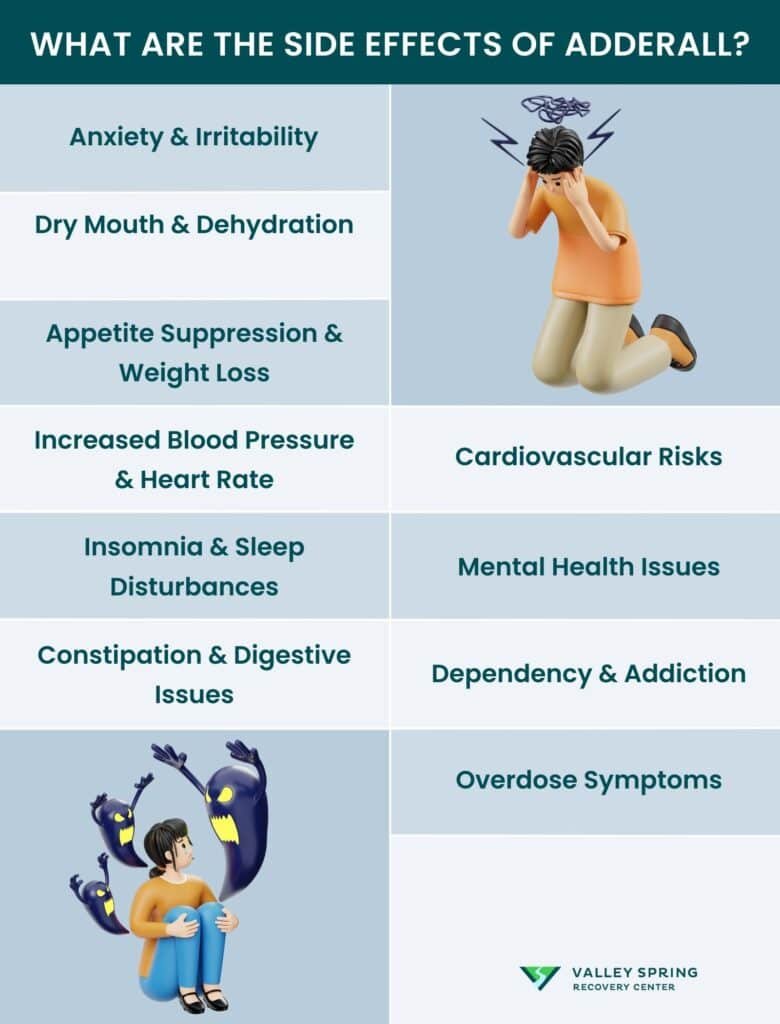
Understanding and managing the cardiovascular implications of Adderall use is vital for patient safety. Ultimately, patients and providers should follow best practices to minimize risks:
- Comprehensive Evaluation: Prior to starting Adderall, undergo a thorough health assessment to identify any cardiovascular risk factors.
- Regular Monitoring: Keep a log of heart rates and blood pressure readings, and report any abnormalities to your physician.
- Dosage Consideration: Use the lowest effective dose of Adderall as determined by your healthcare provider and avoid dosage escalation without further evaluation.
- Patient Education: Stay informed about the signs of adverse cardiovascular events, which include severe headache, blurred vision, chest pain, and significant changes in heart rate.
Each of these steps can contribute to a safer experience with Adderall and help ensure that its benefits in treating ADHD come with minimal associated risks.
Frequently Asked Questions (FAQ)
Does Adderall raise blood pressure permanently?
The potential for Adderall to cause permanent changes in blood pressure is a matter of ongoing research. While studies show that Adderall can lead to increased blood pressure during usage, it is often not clear if these increases lead to permanent hypertension. For many individuals, blood pressure may return to baseline levels after discontinuation of the medication. However, chronic use, high doses, or underlying heart conditions may heighten the risk of lasting effects. Regular monitoring is crucial in any case to ensure controlled blood pressure levels.
What heart rate is considered dangerous when taking Adderall?
A resting heart rate over 100 beats per minute can be a cause for concern when taking Adderall, especially if accompanied by symptoms such as shortness of breath, chest pain, or dizziness. In such cases, it is advisable to contact a healthcare professional for guidance. Severe elevations in heart rate may require immediate assessment to rule out any serious complications.
Is it safe to take Adderall if you have high blood pressure?
Patients with high blood pressure ought to exercise caution when considering Adderall. The medication can contribute to further increases in blood pressure, which could exacerbate existing cardiovascular issues. It is essential to inform healthcare providers about any pre-existing conditions, and they may recommend additional monitoring or alternative treatments tailored to heart health.
How can I lower my blood pressure while on Adderall?
Lowering blood pressure while taking Adderall can often involve lifestyle modifications. Engaging in regular physical activity, eating a balanced diet low in sodium and rich in fruits and vegetables, managing stress through techniques such as yoga or meditation, and avoiding other stimulants like caffeine can help maintain healthy blood pressure levels. In specific situations, healthcare providers may also adjust the dosage or explore alternative medications.
Can non-prescribed use of Adderall lead to cardiovascular issues?
Yes, non-prescribed use of Adderall is associated with significant cardiovascular risks. Recreational users often consume higher doses than what is therapeutically recommended, leading to marked increases in heart rate and blood pressure. This misuse can predispose users to serious adverse events, including heart attack and stroke, especially in individuals without a medical history that includes careful cardiovascular monitoring.
What should I do if I experience chest pain while taking Adderall?
Experiencing chest pain while on Adderall is a potentially serious symptom that should not be ignored. It is crucial to seek immediate medical evaluation if this occurs, as it could signal serious cardiovascular complications. Keeping your healthcare provider informed about any unusual symptoms you’re experiencing while on the medication is essential for safety.
Key Takeaways about Adderall’s Impact on Heart Rate and Blood Pressure
Understanding the cardiovascular implications of Adderall use is critical in ensuring the safety of individuals relying on this medication for managing ADHD. While it can offer significant benefits for attention and focus, the corresponding increases in heart rate and blood pressure necessitate continuous monitoring and proactive health management. By adhering to best practices and maintaining open communication with healthcare providers, patients can enjoy the therapeutic effects of Adderall while minimizing its potential risks.
Ultimately, each patient’s response to Adderall can vary, underscoring the importance of individualized treatment plans and thorough evaluations before usage. Comprehensive monitoring and adherence to lifestyle recommendations can significantly aid in mitigating any cardiovascular risks, allowing patients to strike a balance between the benefits of treatment and their cardiovascular health.
