🏠 Stay at home! 25% discount on all medicines


Does Adderall Cause Anxiety or Depression? Understanding the Effects of ADHD Medication

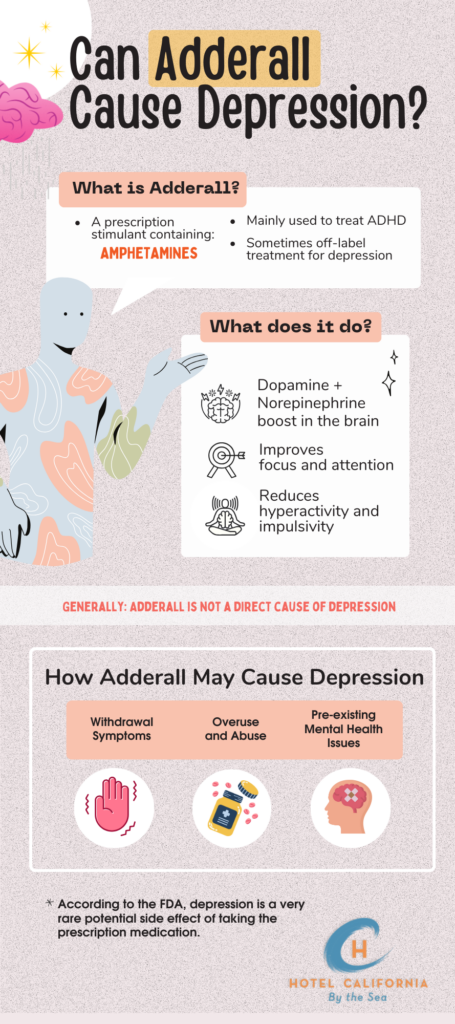
Adderall, a widely prescribed medication for attention deficit hyperactivity disorder (ADHD), has been a subject of debate regarding its potential to cause anxiety and depression. According to recent studies, approximately 6.1 million children in the United States have been diagnosed with ADHD, leading to a burgeoning market for stimulant medications like Adderall. While many individuals find relief from ADHD symptoms with this medication, others report experiencing heightened anxiety, mood swings, and even depressive symptoms. Understanding the complex relationship between Adderall and mental health is essential for those considering or currently using this medication.
As a stimulant that influences neurotransmitter levels in the brain, including norepinephrine and dopamine, Adderall fundamentally alters cognitive functions and mood states. This alteration can be particularly pronounced in individuals predisposed to anxiety disorders or mood disturbances. Surveys among users have often highlighted a concerning trend: up to 30% report feelings of anxiety or agitation after beginning their Adderall regimen. Furthermore, the effects of the drug may not be limited to the duration of action; many have expressed growing concerns about the emotional crashes that can occur once the medication wears off. This article aims to delve into the extensive impacts of Adderall on mood disorders, focusing specifically on anxiety and depression.
By providing an in-depth analysis supported by recent research, this article will equip readers with a comprehensive understanding of the potential psychological ramifications of Adderall use. Additionally, practical strategies for managing these side effects will be discussed, alongside considerations for users who may be experiencing anxiety or depressive symptoms as a result of their treatment.
Understanding the Mechanism: How Adderall Works in the Brain
To comprehend how Adderall influences anxiety and depression, it’s essential to first understand its mechanism of action. Adderall is composed of a combination of amphetamine salts that primarily increase the levels of dopamine and norepinephrine in the brain. These neurotransmitters play pivotal roles in regulating attention, focus, and even mood.
The manipulation of dopamine levels can lead to improved concentration for those with ADHD. However, in individuals without ADHD or those sensitive to stimulants, this modulation can inadvertently exacerbate anxiety and lead to feelings of agitation or panic. By increasing norepinephrine, Adderall can heighten the body’s alertness response, which may trigger symptoms of anxiety in some users.
Additionally, the brain’s reward pathways – heavily influenced by dopamine – can suffer from dysregulation when Adderall is used over an extended period. This dysregulation can lead to a phenomenon referred to as “dopamine depletion”, where anxiety symptoms become heightened as the brain struggles to adjust to the altered neurochemical landscape. Understanding these neurochemical interactions can illuminate why some individuals experience anxiety or depression while others benefit from the medication.
Why Some Users Experience Anxiety with Adderall
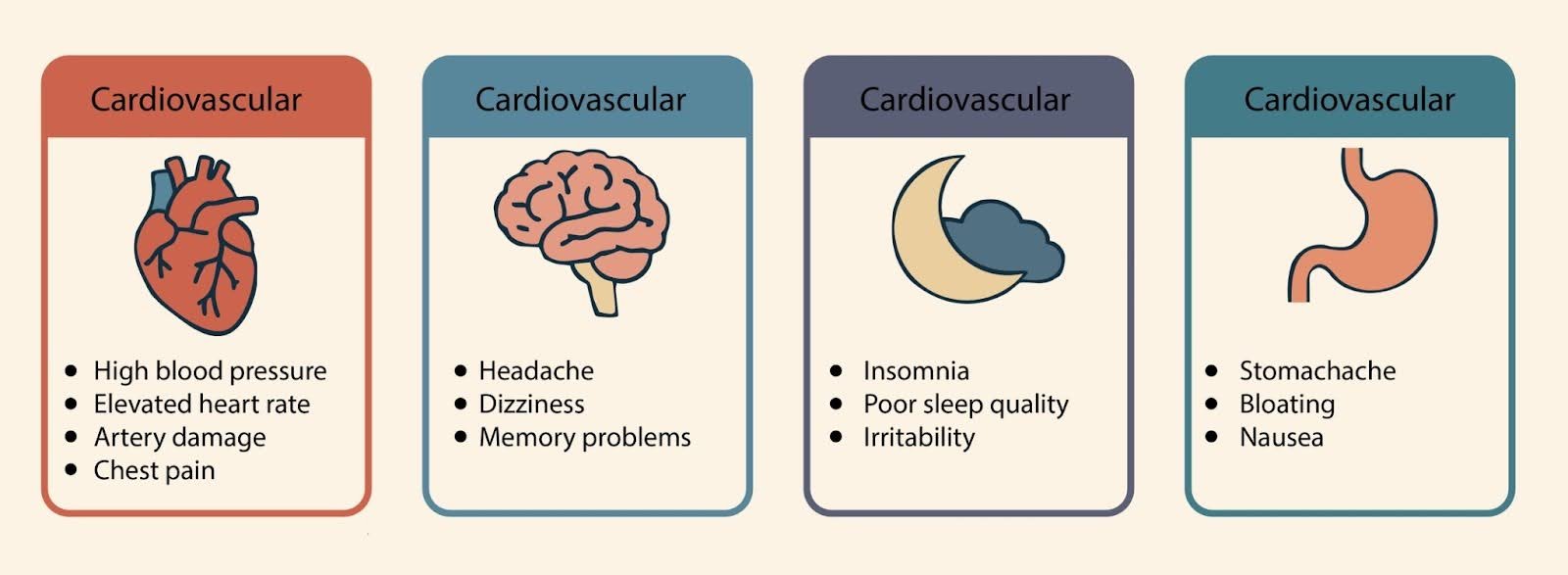
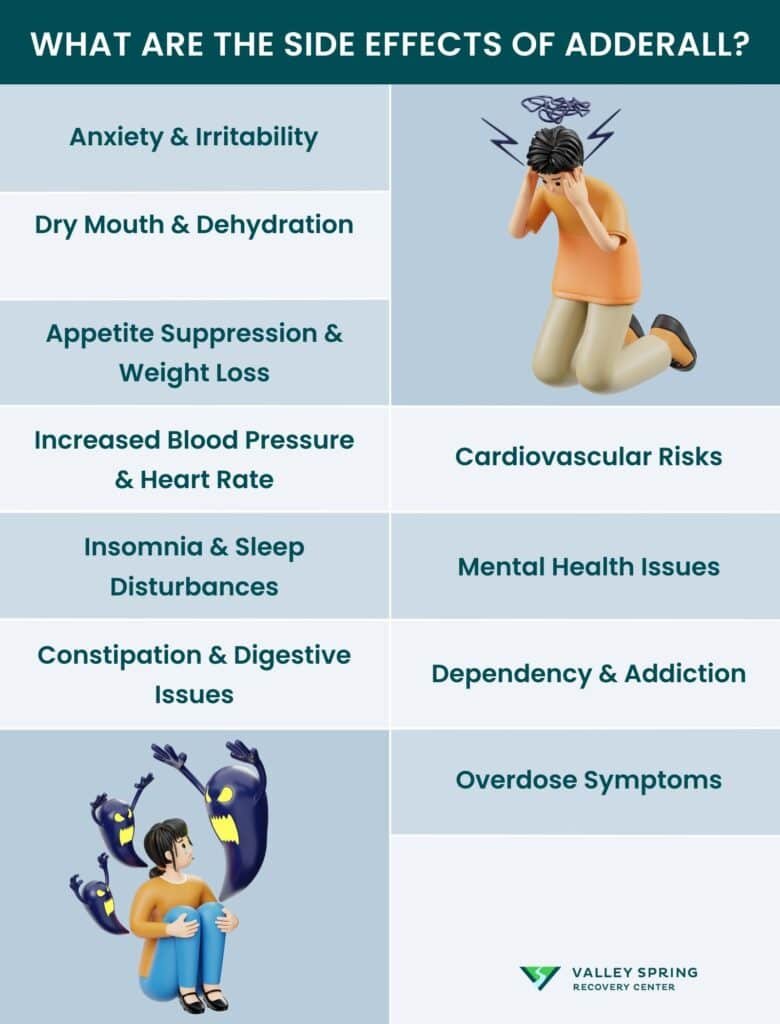
The experience of anxiety while on Adderall is not universal but is common among many users. Several factors contribute to this phenomenon, including dosage, pre-existing mental health conditions, and individual sensitivity to stimulants. High doses of Adderall can overwhelm the brain’s neurotransmitter systems, leading to symptoms that mimic panic attacks, such as rapid heartbeat, shortness of breath, and intense nervous energy.
Moreover, individuals with a history of anxiety disorders may find that Adderall exacerbates their symptoms rather than alleviating them. In these cases, the stimulant effects can serve to heighten levels of irritability and emotional instability, making the management of pre-existing conditions more complicated.
Additionally, the body’s response to the medication itself can vary widely. Some may metabolize Adderall quickly, leading to a rapid onset of effects but an equally swift drop-off, which can provoke increased anxiety as the medication begins to wear off. Understanding personal reactions to Adderall and consulting with healthcare providers for appropriate dosage can help mitigate these adverse responses.
Can Adderall Lead to Depression?
The relationship between Adderall use and depression is multifaceted. While Adderall is occasionally used to treat depression in patients with ADHD, not everyone reacts positively to the medication. Prolonged use can lead to a range of mood disturbances that include irritability, sadness, and loss of interest in activities once enjoyed.
Research indicates that around 20% of Adderall users report mood swings or depressive symptoms during their treatment. In severe cases, abrupt changes in mood can lead to significant emotional distress. Some users experience what is colloquially known as “the Adderall crash,” where symptoms of depression emerge after the stimulant effects wear off. This pattern can be particularly troubling for individuals using Adderall for academic or professional pressures, as it may result in cycles of heightened productivity followed by bouts of emotional low.
The inability to sustain the euphoric effects of increased dopamine and norepinephrine can lead to a stark contrast that feels particularly distressing to individuals who are already susceptible to mood disorders. Understanding this potential risk is crucial for anyone considering the long-term use of Adderall, as it may necessitate closer monitoring and adjustments to dosage or alternatives based on individual responses.
Adderall and Emotional Sensitivity
Many people report increased emotional sensitivity when taking Adderall. This heightened state can manifest in various ways, including mood swings, irritability, and even emotional breakdowns in some cases. The increase in neurotransmitter levels can amplify both positive and negative emotions, leading to a more intense emotional experience overall.
For individuals predisposed to anxiety or depressive disorders, this emotional amplification can feel overwhelming, especially if their moods swing rapidly between extremes. Emotional sensitivity can create a feedback loop where heightened emotions lead to anxiety about one’s emotions, which can further contribute to feelings of depression.
Additionally, this emotional volatility can make navigating relationships or social situations particularly challenging, as individuals may find themselves uncharacteristically reactive to stressors. Understanding these dynamics can help users to better communicate their needs to healthcare providers and explore possible modifications to their treatment protocols.
Managing Adderall-Induced Anxiety: Practical Strategies
For those who are currently experiencing anxiety or depressive symptoms while using Adderall, several management strategies can be helpful. Implementing lifestyle changes, behavioral therapies, and potential medication adjustments can assist in balancing the psychological impacts of Adderall.
1. **Monitor Your Dosage**: One of the first steps in managing anxiety related to Adderall is collaborating closely with a healthcare provider to determine the right dosage. In some cases, lowering the dose may alleviate symptoms, while in others, a reevaluation of the medication may be necessary.
2. **Mindfulness and Relaxation Techniques**: Incorporating mindfulness practices such as meditation, yoga, or deep-breathing exercises can have beneficial effects on anxiety. These techniques assist in calming the body’s stress response and help manage racing thoughts that may accompany Adderall use.
3. **Regular Physical Activity**: Exercise is a potent natural remedy for both anxiety and depression. Engaging in regular physical activity can help counteract the stimulant effects of Adderall, improve mood, and promote a sense of well-being.
- Walking, running, or cycling can release endorphins that create feelings of happiness.
- Yoga or Pilates can help in maintaining a balanced state, both physically and mentally.
4. **Nutritional Adjustments**: What we consume can profoundly affect our mental health. Ensuring a balanced diet rich in omega-3 fatty acids, antioxidants, and complex carbohydrates can support brain health and mood regulation.
5. **Seek Professional Support**: Cognitive-behavioral therapy (CBT) or other talk therapies can be beneficial for managing anxiety and depression linked to stimulant medication. A qualified therapist can help address underlying issues and provide additional coping strategies tailored to individual experiences.
Does Adderall Cause Anxiety When It Wears Off?
A common concern among Adderall users is the resurgence of anxiety symptoms when the medication wears off. This phenomenon, often referred to as “rebound anxiety,” occurs as the stimulant effects diminish, leading to a sudden drop in neurotransmitter availability.
During the active phase of Adderall treatment, users may experience heightened alertness and focus. However, as these effects fade, users may feel an abrupt shift in their mental state that can trigger anxiety symptoms. Factors such as individual sensitivity, dosage, and metabolism can all play a role in the degree of rebound anxiety experienced.
For many, understanding this cycle can help in preparing for moments when medications are at their peak or when they’re waning. Some users have reported that gradually tapering off medication or adjusting the timing of doses can alleviate or minimize these rebound symptoms. Exploring alternatives such as extended-release formulations might also be beneficial in reducing the fluctuations in mood and anxiety levels.
Long-Term Effects of Adderall on Mental Health
The long-term effects of using Adderall are not yet fully understood, yet emerging research indicates that its continuous use may lead to significant changes in emotional regulation and mental health. Studies suggest that chronic stimulant use can contribute to the development of mood disorders, particularly in those with a predisposition to such conditions.
Repeated stimulation of dopamine pathways can lead to alterations in the body’s ability to naturally regulate mood, which may culminate in heightened potential for both anxiety and depressive disorders. In some cases, individuals may find their baseline mood deteriorates over time, resulting in a cycle where the very medication intended to improve their mood becomes a source of distress.
Monitoring mental health throughout the duration of Adderall use is vital. Users should engage in regular consultations with their healthcare provider to assess any potential changes in mood, anxiety levels, or overall emotional well-being. Early detection of mood disturbances can prompt timely interventions that may prevent more severe complications down the line.
Alternatives to Adderall: Exploring Other Options
For individuals who find that Adderall significantly contributes to anxiety or depressive symptoms, considering alternative medications or therapies may be prudent. Fortunately, a variety of options exist for managing ADHD that may yield fewer psychological side effects.
1. **Non-Stimulant Medications**: Medications such as atomoxetine (Strattera) or guanfacine (Intuniv) are non-stimulant options that can be effective in managing ADHD without the same level of anxiety-inducing effects associated with stimulants.
2. **Behavioral Therapy**: Engaging in behavioral interventions can help improve attention and regulate behavior without the need for medication. Cognitive-behavioral therapy and psychoeducation can provide individuals with effective tools for coping with ADHD symptoms.
3. **Lifestyle Changes**: Sometimes, simple lifestyle modifications—such as enhanced organizational skills, scheduling, and routines—can significantly improve focus and attention. Many individuals successfully navigate ADHD through coaching and skills training, minimizing reliance on pharmacological interventions.
Adderall Dosage and Its Impact on Mental Health
The dosage of Adderall can significantly impact its neurological effects and the development of side effects such as anxiety and depression. Higher dosages can lead to more pronounced side effects, including increased agitation or crash effects.
While the prescribed dose for adults typically ranges between 5 mg and 60 mg daily based on individual needs, it’s crucial for users to start at the lowest effective dose and gradually adjust under a healthcare provider’s supervision. This titration process can help to identify a personalized dosage that alleviates ADHD symptoms with minimal adverse psychological effects.
Moreover, keeping an open dialogue with healthcare providers is essential. Regular assessments and adjustments based on emotional responses can lead to a more balanced course of treatment that prioritizes both focus and mental well-being.
FAQ: Common Questions about Adderall and Emotional Health
1. Is it common for Adderall to cause anxiety?
Yes, it is common for some users to experience anxiety as a side effect of Adderall. The stimulant properties can heighten anxiety, especially in individuals predisposed to anxiety disorders or those taking higher doses.
2. Can I still take Adderall if I have a history of anxiety?
While many individuals with ADHD and anxiety do take Adderall successfully, it is critical to consult with a healthcare provider to assess individual risks, adjust dosages, and consider alternate treatments.
3. How long does anxiety from Adderall last?
The duration of anxiety symptoms can vary among users but typically correlates with the medication’s half-life—usually several hours after the last dose. Following proper dosage and treatment modalities can help mitigate these effects.
4. What should I do if I experience significant anxiety on Adderall?
If significant anxiety occurs, it’s essential to consult with your healthcare provider. Adjusting the medication or exploring therapy options can help manage these experiences effectively.
5. Are there withdrawal symptoms from Adderall?
Yes, withdrawal symptoms from Adderall can include fatigue, increased anxiety, depression, and sleep disturbances. It’s crucial to taper off the medication under medical supervision to minimize these effects.
Final Thoughts on Adderall and Mental Health
The discourse surrounding Adderall and its potential to induce anxiety and depressive symptoms underscores the complexity of treating ADHD. While this medication can provide significant benefits for many individuals, it is crucial to acknowledge that not everyone will experience the same outcomes.
Healthcare providers and patients must engage in open communication regarding the emotional and psychological impact of Adderall, making adjustments to treatment plans as needed. Monitoring mental health and being aware of personal experiences with the medication can inform better management strategies and foster a therapeutic environment that prioritizes the overall well-being of the individual.
Ultimately, with the right approach—whether through dosage adjustments, lifestyle changes, or alternative therapies—many individuals can navigate the challenges associated with Adderall use, finding balance and relief in their ADHD management. Always consult with a healthcare provider for personalized guidance tailored to individual circumstances.
