🏠 Stay at home! 25% discount on all medicines


What Does Adderall Feel Like With and Without ADHD?

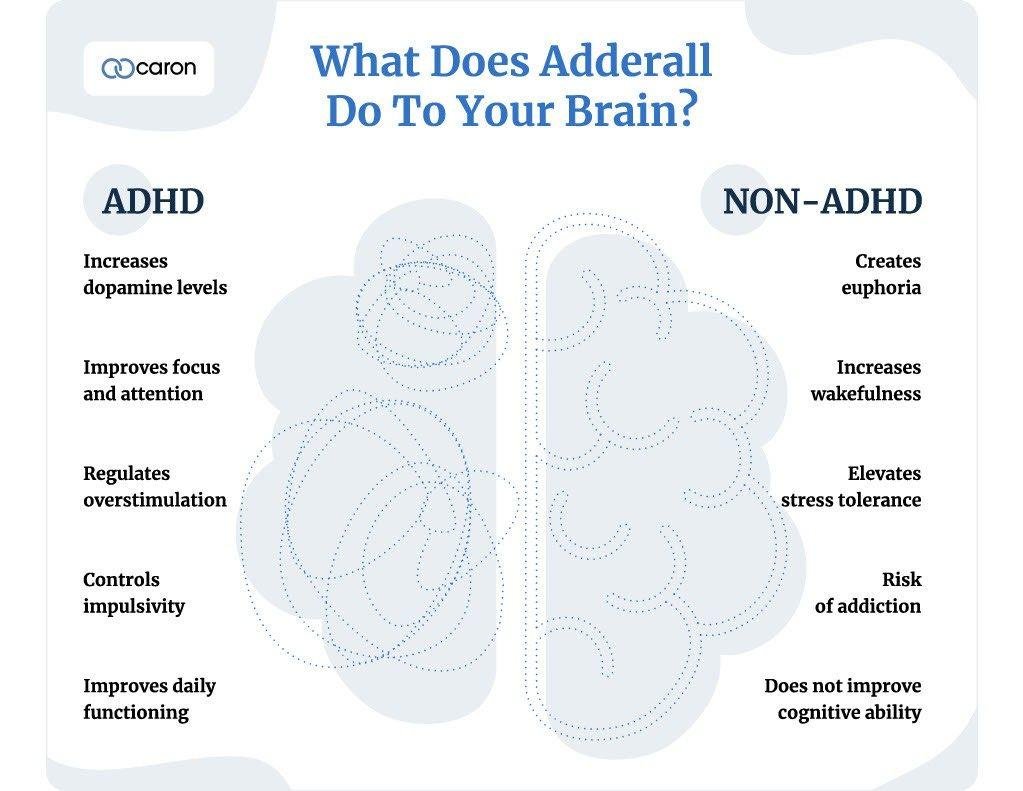
Adderall is one of the most commonly prescribed medications for Attention Deficit Hyperactivity Disorder (ADHD), a condition characterized by symptoms of inattention, hyperactivity, and impulsivity. For many individuals, it is a lifeline, enhancing focus and improving daily functioning. However, in recent years, it has gained popularity among those without ADHD as a means to boost productivity and cognitive performance.
Understanding what Adderall feels like for both populations can shed light on its effects and the reasons for its widespread use. While it is a game changer for those who genuinely struggle with ADHD, it can produce significantly different sensations and outcomes for individuals lacking this condition. According to studies, the increased release of dopamine in the brain plays a central role in the perceived effects of Adderall, which can be euphoric for some.
This article aims to explore the multifaceted experiences of taking Adderall, comparing its effects on individuals with ADHD to those without. By examining firsthand accounts, research data, and expert insights, readers will gain a deeper understanding of how Adderall influences cognition and emotion, as well as the potential risks associated with its misuse.
Understanding Adderall and Its Mechanism of Action
Adderall is a combination of amphetamine salts and belongs to a class of medications known as stimulants. It works by increasing the levels of neurotransmitters in the brain, particularly dopamine and norepinephrine. This mechanism enhances attention, focus, and activity level, making it especially effective for individuals diagnosed with ADHD. The effects typically begin within 30 minutes after ingestion and can last up to 12 hours, depending on the formulation.
In the brain, dopamine is responsible for feelings of pleasure and reward, which is crucial for motivation. By increasing dopamine levels, Adderall serves to enhance cognitive functions like attention and executive functioning in those with ADHD. However, the same mechanism can lead to vastly different experiences for individuals who do not have the disorder. For non-ADHD users, this often results in increased alertness, energy, and sometimes feelings of euphoria.
Research has indicated that while nearly 70% of people with ADHD report improved focus and decreased impulsivity on Adderall, the effects for individuals without ADHD can be more unpredictable. Many report heightened productivity, but it comes at the risk of anxiety, jitteriness, and in some cases, harmful side effects. Understanding this distinction is crucial to grasping why Adderall is sometimes misused by those who think it can simply enhance their cognitive abilities without the need for a diagnosis.
What Does Adderall Feel Like for Someone with ADHD?
Individuals with ADHD often describe their experiences with Adderall as transformative. When prescribed medication, many report a sense of calm, focus, and control that they previously lacked. This is particularly relevant for adults who have struggled with attention issues throughout their lives.
One of the key observations is that Adderall helps to activate certain parts of the brain that may be underactive in individuals with ADHD. This leads to improved organization and planning abilities, allowing users to engage in tasks that may have previously felt overwhelming. Many users also note an enhanced ability to complete mundane tasks, which contributes to overall life satisfaction and productivity.
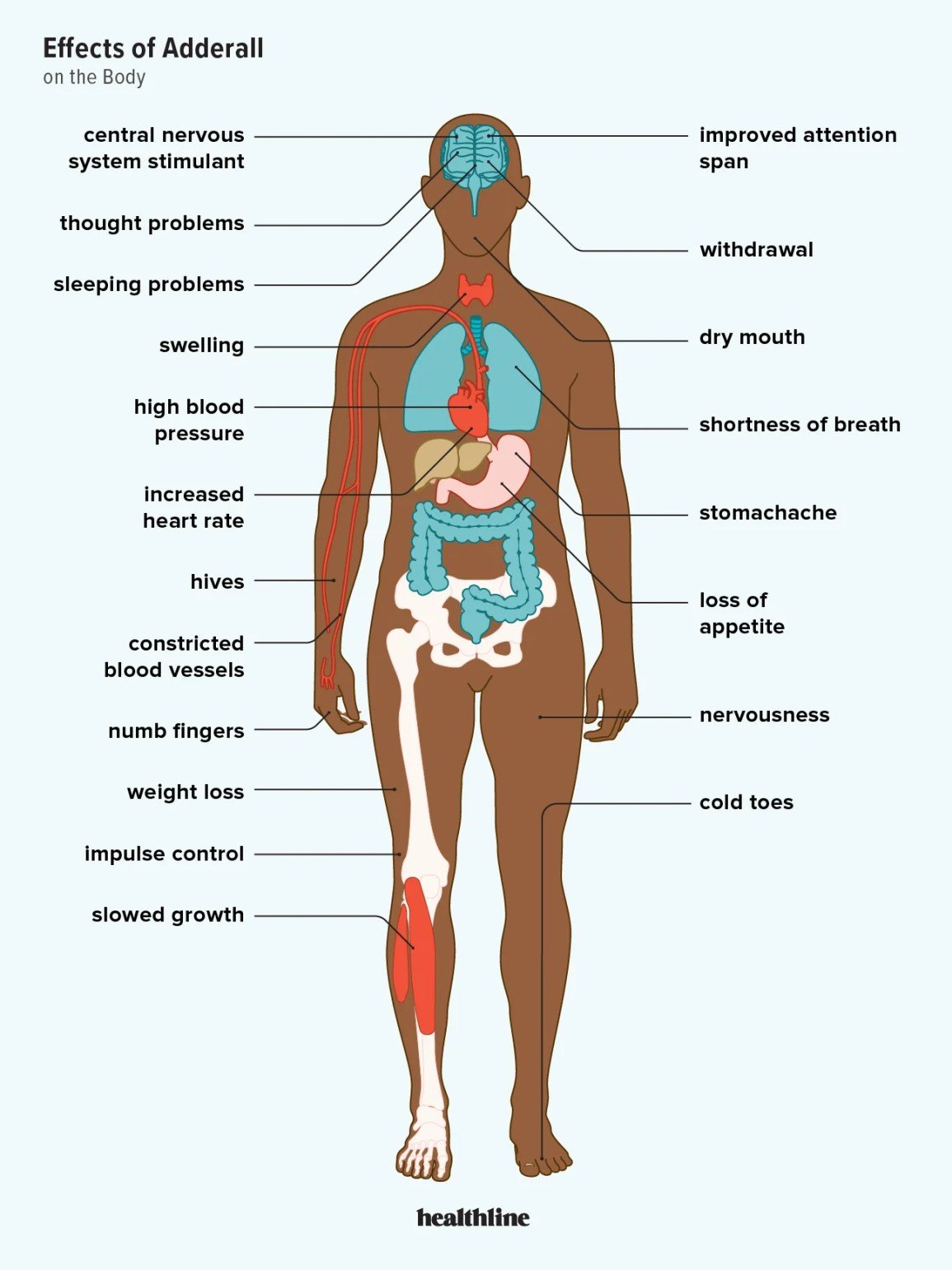
However, it’s not always a smooth journey. While many with ADHD report beneficial effects, others may experience side effects like increased heart rate, insomnia, and anxiety. Finding the right dosage is crucial, as too high a dose can exacerbate these negative feelings. It’s essential to maintain regular consultations with healthcare providers to monitor reactions and adjust dosages as needed.
How Does Adderall Enhance Focus in People with ADHD?
The enhancement in focus can be attributed to dopamine’s role in attention and cognitive control. Adderall essentially helps to normalize neurotransmitter levels, enabling individuals to experience relative calm rather than chaos. This balance allows them to hone in on tasks that previously seemed impossible.
Furthermore, a study published in the *Journal of Attention Disorders* highlighted that individuals with ADHD who took Adderall not only reported better focus but also improved executive functioning, which includes the ability to plan, prioritize, and adapt. Many experience less distractibility and can engage more deeply in both work and leisure activities.
The experience is often described as a newfound clarity that has a direct impact on their quality of life. For many, this medication opens doors to new opportunities—be it in their professional life or interpersonal relationships—giving them the tools to navigate their environment more effectively.
What Does Adderall Feel Like Without ADHD?
The experience of taking Adderall for individuals who do not have ADHD can be quite stark in comparison. Many report feelings of heightened energy and alertness, often described as a sort of ‘superpower.’ Users without ADHD may take Adderall hoping to enhance productivity, especially during demanding situations like studying for exams or working long hours.
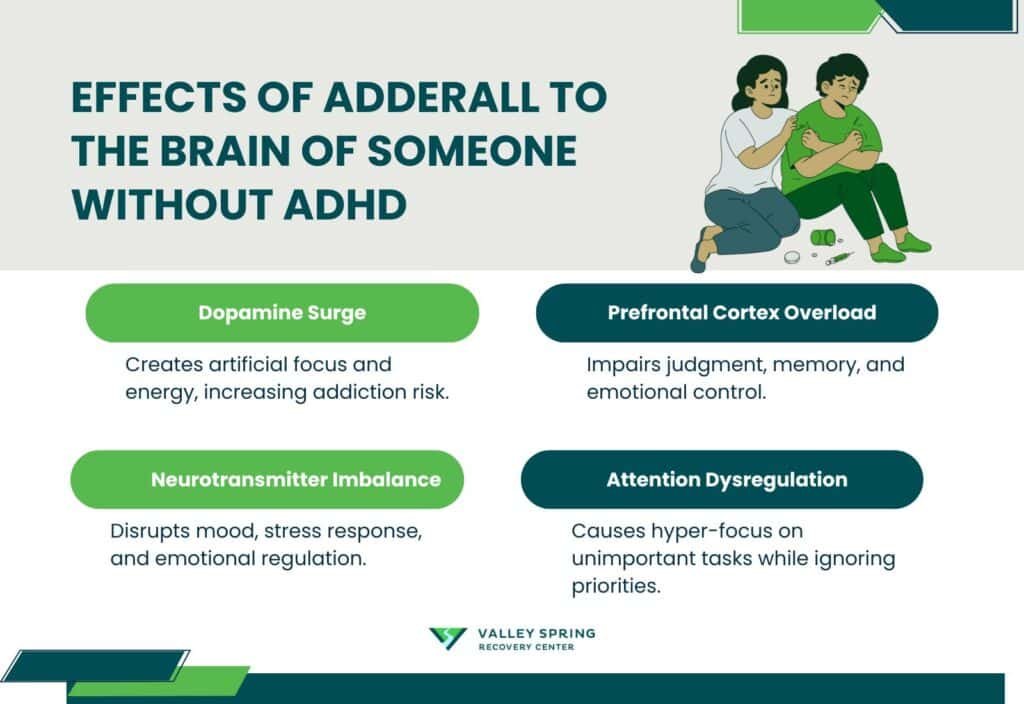
However, this surge in energy can be a double-edged sword. Users often experience artificial hyper-focus, which, while appearing beneficial, can lead to neglect of other essential tasks and result in burnout. It’s also common for those without ADHD to feel a rush of euphoria or exhilaration after taking Adderall; however, this high can be accompanied by significant anxiety and restlessness.
Research indicates that the stimulating effects on the brain can lead non-ADHD individuals to feel temporarily more social and outgoing. They often describe their thoughts as racing and potentially overwhelming. Additionally, this heightened state can bring on panic attacks in individuals susceptible to anxiety, pulling them into a cycle of overuse and dependence.
What Are Some Reported Positive and Negative Effects?
Individuals without ADHD may report several positive effects of taking Adderall, including:
- Increased motivation and energy, leading to enhanced productivity.
- Heightened alertness, with clearer, quicker cognitive processing.
- Improved mood, allowing for a more positive outlook on day-to-day tasks.
However, the negative effects can outweigh the positives. Common adverse reactions include:
- Severe anxiety and restlessness.
- Increased heart rate and hypertension.
- Panic attacks or heightened mood swings.
Users often find that the initial euphoria gives way to a crash, resulting in fatigue and irritability. This cycle can lead to unhealthy patterns of use, with individuals taking more of the drug to avoid the low that follows.
Comparative Effects of Adderall: ADHD vs Non-ADHD Users
The main differentiating factor between users with and without ADHD is the *need* the medication fills. For individuals with ADHD, Adderall serves as a tool to level the playing field. For those without ADHD, the medication can manifest as a method to chase productivity or a temporary high. The neural pathways being activated are not the same, leading to differences in subjective experience.
Reports from non-ADHD users indicate that while they may find short bursts of creativity or focus, these are often not sustainable. For individuals with ADHD, the medication helps to create a more enduring state of focus and organization. They genuinely benefit from the medication’s effects, which lead to long-term improvements in managing life’s challenges.
Ultimately, the subjective experience depends not solely on personal expectations but also on each individual’s neurochemistry. The same dosage of Adderall can lead to an entirely different set of consequences depending on whether someone has ADHD or not.
Potential Risks and Concerns about Using Adderall Without ADHD
While some may consider using Adderall as a cognitive enhancer, potential risks highlight the dangers of unsupervised consumption. Adderall is a Schedule II controlled substance due to its potential for abuse and dependence. Misusing stimulants can lead to significant health risks, which are particularly concerning for those without a medical indication for its use.
Long-term use without a prescription may lead to tolerance—where a user finds they need higher doses to achieve the same effects—resulting in a vicious cycle. Additionally, individuals without ADHD are at increased risk of psychological effects, namely anxiety, paranoia, or psychosis.
Moreover, the legal ramifications of misusing prescription medication can have serious consequences. In many countries, having Adderall without a prescription is illegal, and being caught can result in fines or criminal charges. These risks should never be understated, particularly when weighing the perceived benefits of cognitive enhancement against the significance of safeguarding one’s health.
Is There a Safe Way to Use Adderall for Non-ADHD Individuals?
For those without ADHD who still feel compelled to use Adderall, speaking to a healthcare professional is essential. While some may claim benefits from using the medication, the risks associated with misuse far exceed any temporary enhancements in performance. A healthcare provider can offer alternative strategies to boost productivity that do not involve the risks inherent in using a controlled substance.
Strategies such as cognitive behavioral interventions, exercise, and nutritional adjustments can foster heightened focus and energy without the associated dangers of pharmacological interventions. It is crucial for individuals to understand they are not alone in their struggles and that there are safe and healthy alternatives to manage attention and productivity.
FAQ: Common Questions About Adderall Use
1. How does Adderall help people with ADHD?
Adderall helps people with ADHD by increasing dopamine and norepinephrine levels in the brain, which helps improve focus, attention, and self-control. This not only addresses symptoms of ADHD, such as distractibility and impulsivity, but offers a more organized way to approach tasks and situations that previously felt overwhelming.
2. Can taking Adderall without ADHD lead to addiction?
Yes, taking Adderall without ADHD significantly increases the risk of addiction and dependence. The stimulating effects of the drug can lead to habits of misuse that ultimately may require medical intervention. Users often find themselves chasing the initial euphoria, resulting in increased doses over time.
3. What are the side effects of Adderall?
Common side effects of Adderall may include insomnia, headaches, stress, anxiety, and increased heart rate. In some cases, individuals may experience severe anxiety or panic attacks, particularly if they do not have ADHD. Understanding these side effects can help individuals weigh the risks associated with use.
4. Is it safe to take Adderall if I’m a student?
While some students may seek Adderall for its ability to enhance focus, it is important to consider the associated risks, especially if it is taken without a diagnosis of ADHD. Responsible use, under the supervision of a healthcare provider, is crucial for safety. Students should opt for healthier focus-enhancing methods that do not involve prescription medications.
5. What should I do if I experience negative effects from Adderall?
If you experience negative effects from Adderall, it is vital to consult a healthcare provider immediately. They can help assess your symptoms, adjust your dosage, or explore alternative medications if necessary. Additionally, if the drug is being misused, it is crucial to seek help from health professionals trained in addiction.
Key Insights on Using Adderall
The effects of Adderall can vary dramatically depending on whether an individual has ADHD. For those with ADHD, the medication serves to restore balance and improve daily functioning, enabling them to manage symptoms effectively. Without ADHD, individuals may experience heightened energy and focus, but often at the cost of anxiety and health risks.
While misconceptions about the drug’s use may lead individuals without ADHD to think they can somehow ‘boost’ their performance, the long-term consequences of misuse may overshadow any temporary benefits. It is essential for all interested in Adderall, either for legitimate medical reasons or otherwise, to engage in informed discussions with qualified healthcare providers.
Ultimately, understanding the nuanced experiences of taking Adderall can help individuals make better choices regarding their mental health and cognitive enhancement strategies, ensuring their long-term well-being.
