🏠 Stay at home! 25% discount on all medicines


What Does Adderall Feel Like With and Without ADHD: Experiences and Effects

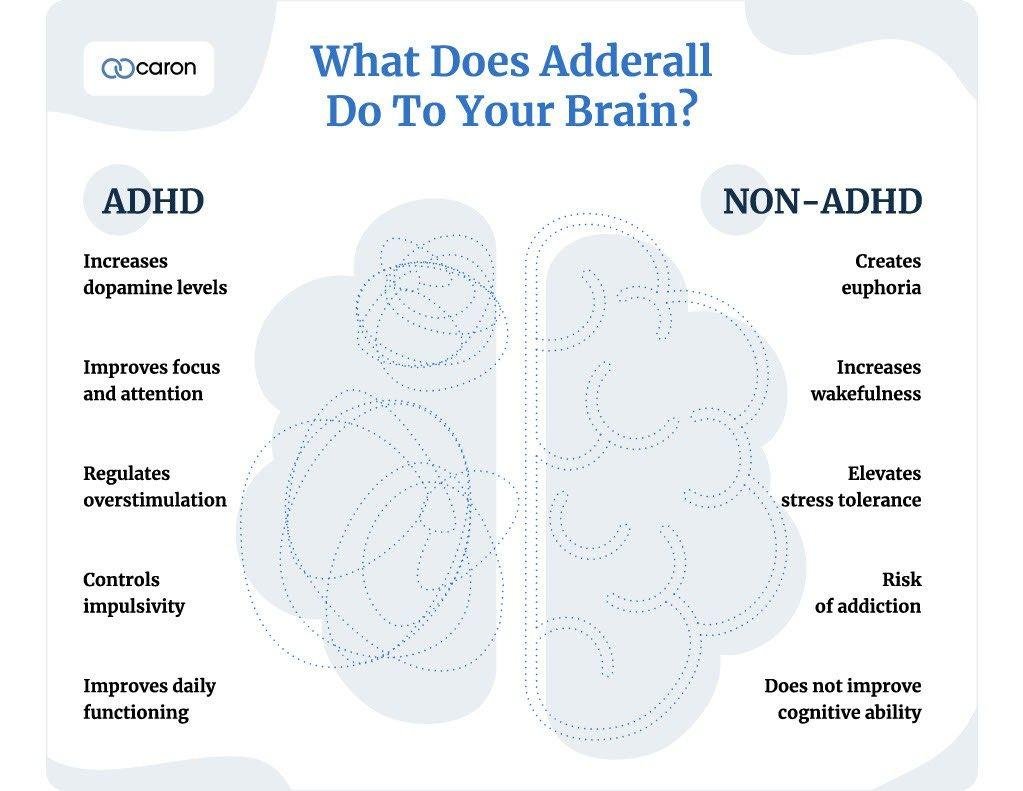
Understanding the nuances of Adderall’s effects can be crucial for those considering its use, particularly concerning the notable differences experienced by individuals with and without Attention Deficit Hyperactivity Disorder (ADHD). Adderall, a combination of amphetamine salts, is prescribed primarily to treat ADHD. However, it has also garnered attention from non-prescription users looking for heightened focus and productivity. Although commonly regarded for its stimulant properties, the subjective experience of taking Adderall varies significantly between these two groups.
The percentage of adults diagnosed with ADHD has risen to approximately 10% in the past two decades, leading to a greater awareness of the condition and its management through medications like Adderall. For those with ADHD, this stimulant can facilitate better concentration and impulse control, while individuals without the disorder often report vastly different effects. Understanding these differences can provide clarity for those curious about the drug, be it for therapeutic use or illicit consumption.
This article aims to provide a comprehensive overview of what taking Adderall feels like for someone both with and without ADHD. By diving into user experiences, scientific research, and expert insights, readers will gain a deeper understanding of the medication’s impact on various populations and its implications for cognitive functioning.
What Is Adderall and How Does It Work?
Adderall is a prescription medication that contains a mixture of amphetamine and dextroamphetamine. These compounds work as central nervous system stimulants by increasing the levels of neurotransmitters like dopamine and norepinephrine in the brain. This boost in neurotransmitter levels enhances attention and focus, particularly beneficial for individuals with ADHD.
When prescribed for ADHD, Adderall can improve symptoms like inattention and hyperactivity. Users typically report feelings of increased focus, better task completion rates, and a decreased tendency to be easily distracted. The effectiveness of Adderall is generally attributed to its ability to enhance the functionality of certain areas of the brain associated with attention control and impulse management.
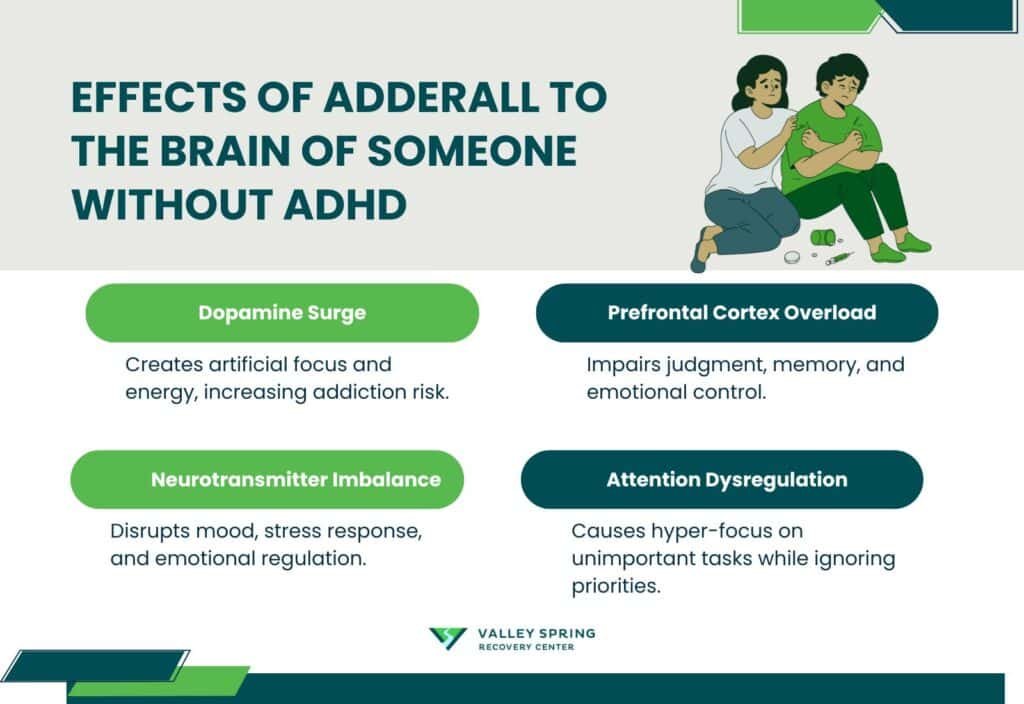
However, how Adderall affects individuals without ADHD can be a stark contrast. These users may experience enhanced energy levels and a euphoric high but with unintended side effects like anxiety or jitteriness. Understanding these nuances is essential for anyone considering the medication for off-label use.
What Does Adderall Feel Like for Someone with ADHD?
For those diagnosed with ADHD, the effects of Adderall are often characterized by a calming and focusing influence. Instead of the stimulatory state experienced by others, people with ADHD may report feelings of clarity and control. The medication often allows them to navigate complex tasks with improved efficiency.
Many users find that Adderall helps them engage in conversations, complete work assignments, and manage their daily responsibilities more effectively. Symptoms such as racing thoughts and constant fidgeting can diminish significantly. For example, a college student with ADHD might find it easier to concentrate during lectures, or a professional may approach their workflow with newfound organization and motivation.
Does Adderall Provide Euphoria for ADHD Users?
Unlike those without ADHD, individuals taking Adderall as prescribed generally do not experience euphoria but rather stable, heightened focus. The euphoria often reported by recreational users is tied to the fast-acting nature of the stimulants in the brain, stimulating dopamine release beyond typical levels. In contrast, those managing ADHD symptoms gain a functional enhancement rather than a recreational high.
How Does the Body React to Adderall?
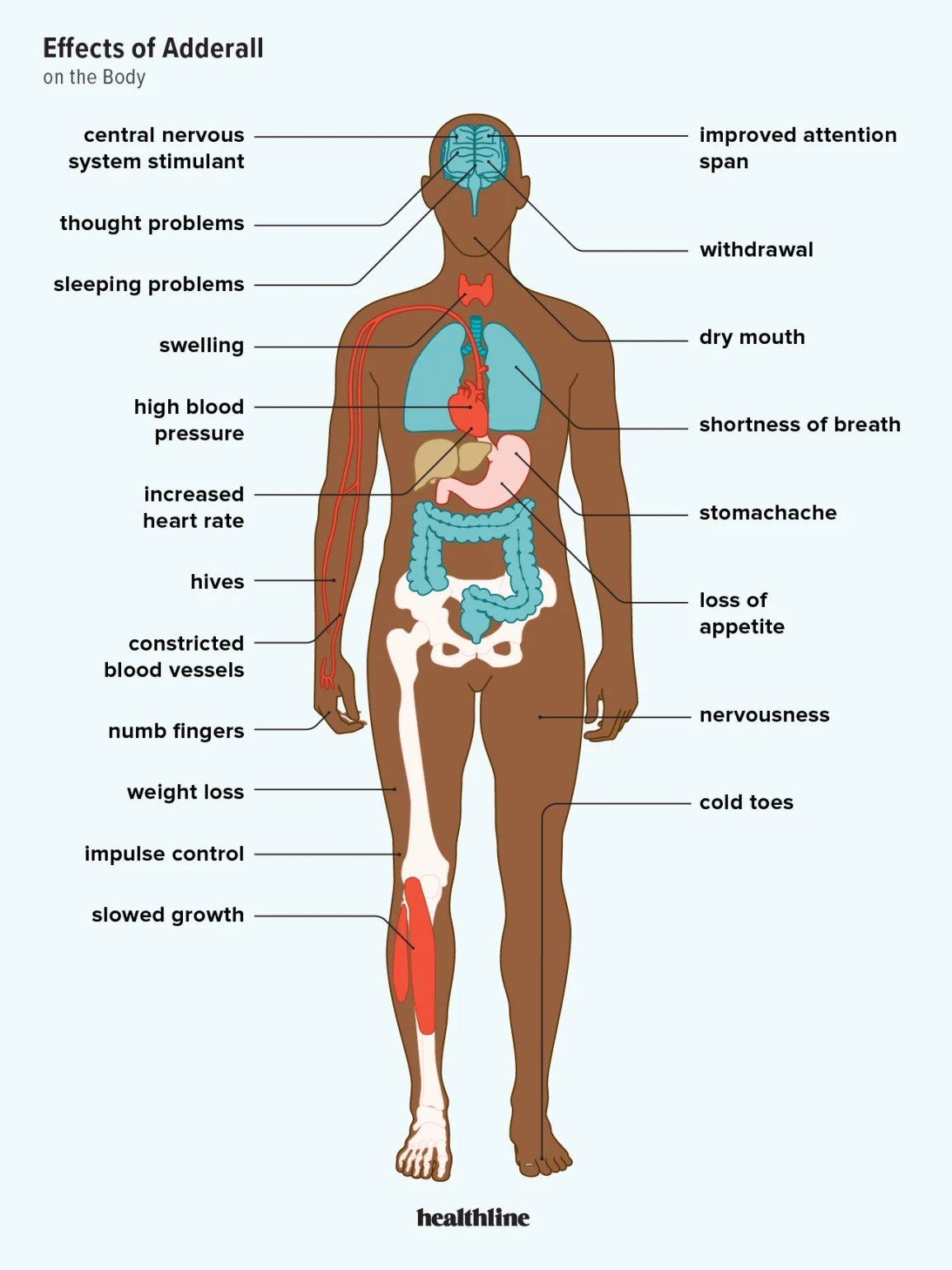
Physical reactions to Adderall can vary but commonly include increased heart rate, pale skin, and dilated pupils. For individuals with ADHD, these side effects are often manageable and outweighed by the benefits of increased focus and task completion. They might report feeling more alert without experiencing the jitteriness or anxiety reported by non-ADHD users. Maintaining a balanced dose is crucial, as excessive amounts can lead to heightened side effects.
Are There Any Long-Term Effects of Adderall Use with ADHD?
Long-term use of Adderall under medical supervision is generally safe for individuals with ADHD. Studies have indicated that long-term treatment can result in enduring improvements in focus and cognitive performance, along with better emotional regulation. However, it is essential for users to have regular follow-ups with their healthcare providers to monitor dosage and side effects, ensuring they derive the necessary benefits without risking dependency or adverse effects.
What Does Adderall Feel Like Without ADHD?
The experience of taking Adderall without ADHD is markedly different. Many non-prescription users report feelings of intense energy, improved productivity, and an overall sense of euphoria. They may find it easier to engage socially and to concentrate for extended periods. Increased alertness and physical energy can lead to higher instances of what users perceive as productive behavior.
However, this perception of productivity can be misleading, as it often does not correlate with actual performance improvement. Several studies have shown that while individuals without ADHD may feel more focused, their real-world performance on cognitive tasks does not substantially improve. The perceived boost in energy can also generate a false sense of competence, leading people to overlook the importance of rest and balance.
Are There Any Negative Side Effects for Non-ADHD Users?
While some individuals enjoy the heightened focus and energy from Adderall, negative side effects can also manifest. Anxiety is prevalent, often leading to jittery feelings or restlessness. Other potential side effects include an increased heart rate, blood pressure anomalies, and even insomnia. Recreational users frequently overlook these downsides and may continue to misuse the medication, which can result in dependency.
What Are the Risks of Using Adderall Recreationally?
Adderall is classified as a Schedule II controlled substance due to the potential risk of addiction and misuse. Users without ADHD should be wary of relying on Adderall for productivity, as this dependency can lead to increased tolerance, necessitating higher doses for the same effect. Moreover, misuse can result in serious cardiovascular issues and mental health disorders. Legal repercussions from using prescribed medication without a prescription further complicate the matter, putting individuals at risk of legal and health consequences.
Comparative Effects of Adderall: ADHD vs. Non-ADHD Users
The contrasting effects of Adderall on ADHD and non-ADHD users highlight the importance of individualized treatment approaches. For individuals with ADHD, it provides critical symptom management that enables them to function better in everyday life. Conversely, non-ADHD individuals may experience a short-lived burst of productivity followed by crashes in mood and energy levels.
When comparing the experiences, it is evident that those with ADHD tend to experience a more stable and positive impact on daily functioning. They may not enjoy the same sense of heightened energy or excitement described by non-ADHD users, but they can achieve clearer thought processes and acquire better impulse control. This demonstrates the medication’s role in addressing the symptoms of ADHD versus enhancing the cognitive abilities of non-ADHD individuals.
What Are Users Saying on Reddit and Forums?
Online platforms, particularly Reddit, serve as a treasure trove of user experiences. Many individuals with ADHD share stories of how Adderall dramatically transformed their daily lives, including marked improvements in their academic performance or work efficiency. Conversely, users without ADHD often report feeling “wired” and excessively energetic, describing a euphoric high during use but an eventual crash. Some users disclose their struggles with anxiety and panic attacks as a result of recreational use.
Can Non-ADHD Individuals Really Benefit From Adderall?
Although some people without ADHD claim to reap benefits such as enhanced concentration for tasks like studying, research indicates that the perceived productivity is often illusory. The transient nature of stimulant effects masked by feelings of euphoria can result in **decreased performance on tasks requiring genuine cognitive effort**. Consequently, those considering off-label use for academic or professional enhancement should approach stipulations with caution and seek guidance from healthcare professionals.
Psycho-Emotional Effects of Adderall Use
Both ADHD and non-ADHD users report experiencing a range of psycho-emotional effects from Adderall; however, the nature and intensity of these effects can differ markedly between groups. For individuals with ADHD, Adderall typically lessens feelings of restlessness and enhances the ability to focus, leading to increased productivity without significant psycho-emotional disturbances. The emotional stabilization allows users to feel more comfortable in social situations and less reactive to stressors.
In contrast, non-ADHD users often report heightened feelings of anxiety, irritability, and emotional volatility. The crash following the stimulating effects can lead to fatigue and resultant mood swings, creating a cycle of dependency wherein individuals seek additional doses to avoid the uncomfortable low. This is particularly troubling for individuals who may also struggle with an undiagnosed anxiety or mood disorder.
What Are Common Misconceptions About Adderall?
Several misconceptions surround the use of Adderall, particularly concerning its effectiveness for individuals without ADHD. One common myth suggests that stimulant medications like Adderall inherently improve focus and productivity for everyone. In reality, while some may experience temporary boosts in certain settings, the efficacy is significantly more profound for those with ADHD, impacting their overall functional capabilities.
Is Adderall Just a Study Drug?
Referring to Adderall as merely a
