🏠 Stay at home! 25% discount on all medicines


Understanding Adderall Dosage: How Much Can You Take Safely?

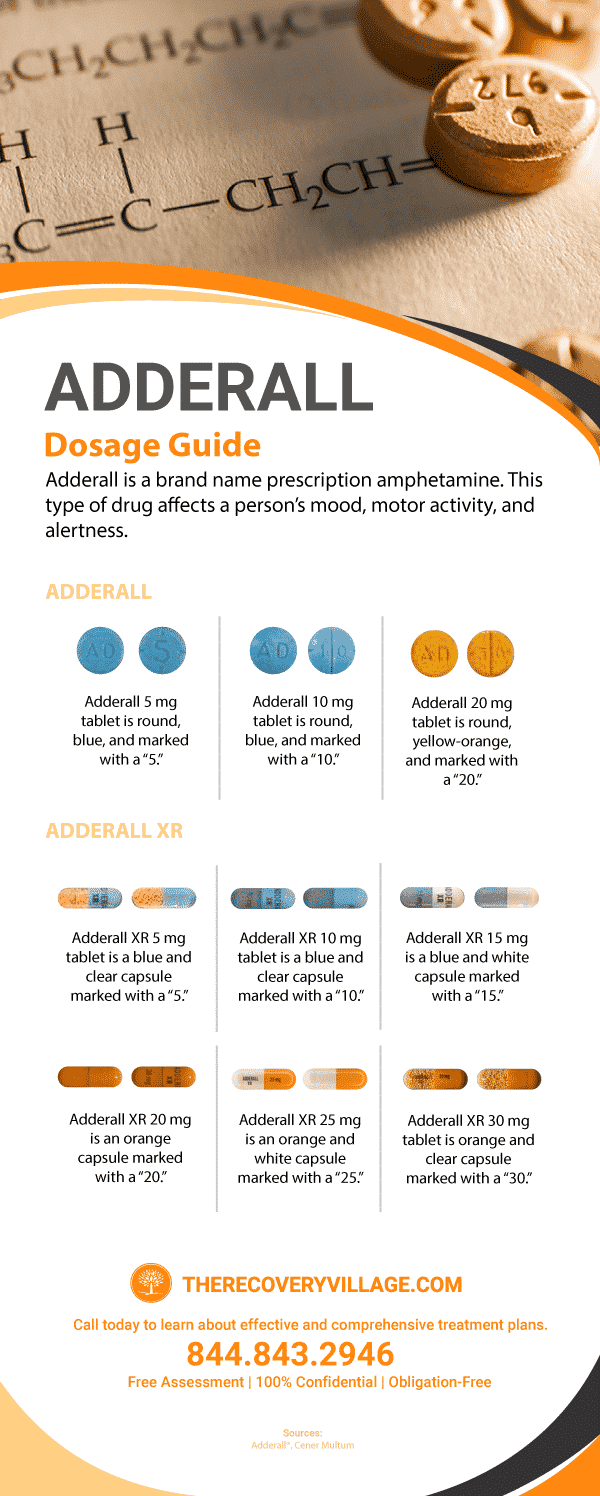
Adderall, a prescription medication composed of amphetamine and dextroamphetamine, is widely recognized for its effectiveness in treating Attention Deficit Hyperactivity Disorder (ADHD) and narcolepsy. While many patients benefit from the cognitive enhancement and increased focus that Adderall offers, questions often arise about the appropriate dosage and limitations of this powerful stimulant. According to the National Institute on Drug Abuse, misuse of prescription stimulants has become a growing concern, leading to serious health risks including dependency and overdose.
Understanding how much Adderall can you take safely is critical for both patients and those considering the medication. Factors such as individual health conditions, age, weight, and prior substance use can significantly influence how an individual reacts to Adderall. Therefore, consulting with a healthcare professional is essential to determining the best dosage tailored to one’s unique circumstances.
In this extensive guide, we will delve not only into the recommended dosages for different populations but also explore the potential risks associated with taking too much Adderall. By the end of this article, readers will have a clearer picture of safe dosage practices, the importance of professional monitoring, and how to recognize the warning signs of potential overdose.
What is Adderall and How Does It Work?
Before examining the appropriate dosages, it’s important to comprehend what Adderall is and its primary function. Adderall is a central nervous system stimulant that primarily affects neurotransmitters in the brain. By increasing the levels of dopamine and norepinephrine, Adderall enhances focus and reduces hyperactive impulses. This mechanism makes it particularly effective for individuals with ADHD, enabling them to concentrate better and manage their symptoms more effectively.
Although Adderall is approved for prescription use, it has a high potential for misuse and dependency. The Drug Enforcement Administration (DEA) classifies Adderall as a Schedule II controlled substance due to the associated risks. Misuse typically involves taking larger doses than prescribed, which can lead to serious health complications, including increased heart rate, anxiety, and even psychosis.
The effectiveness of Adderall can vary significantly from one individual to another, making it crucial for healthcare providers to assess each patient’s specific needs. In fact, the Recovery Village Drug and Alcohol Rehab highlights the need for a tailored approach that takes into account the individual’s health history and personal circumstances to determine the appropriate dosage.
Recommended Dosages for Adderall
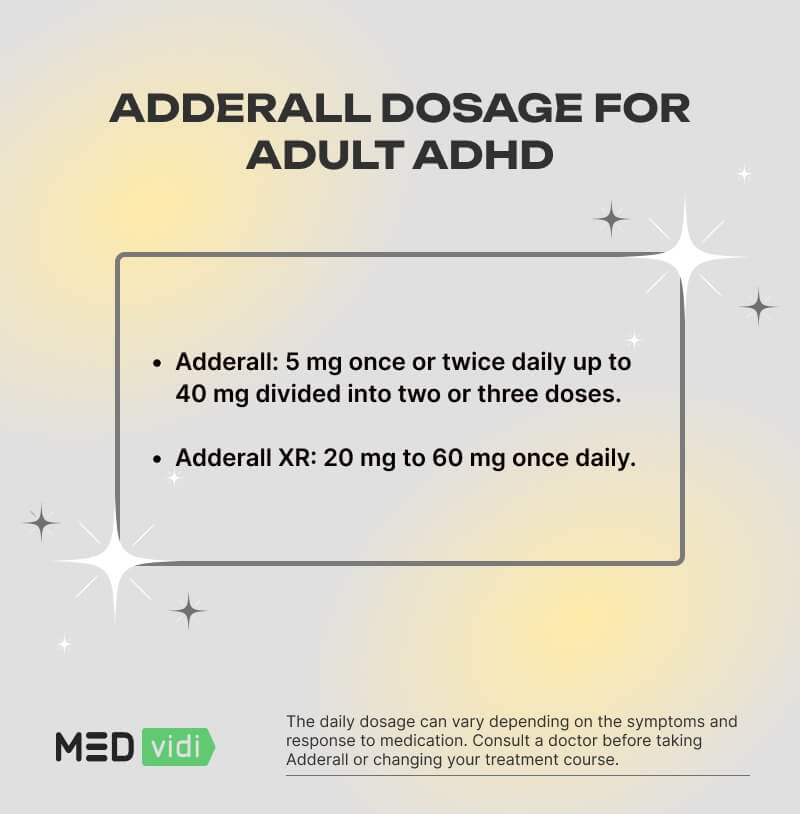
The recommended daily dose of Adderall can differ based on factors such as age, the severity of the condition being treated, and whether the medication is being used for ADHD or narcolepsy. For adults with ADHD, the typical starting dose is usually between 5 to 10 mg taken once daily in the morning. Depending on the patient’s response, healthcare professionals may gradually increase the dosage by 5 mg at weekly intervals.
For children diagnosed with ADHD, the dosages start even lower, typically at around 2.5 mg to 5 mg daily. The pediatric dosing is crucial, as children are more susceptible to side effects, and precise dosing can help mitigate risks while still providing therapeutic benefits. Importantly, as children grow, their dosages might need adjustment to reflect their changing needs.
General guidelines suggest that the maximum daily dosage for adults should not exceed 40 mg for immediate-release formulations and 60 mg for extended-release versions. Exceeding these maximum limits can have serious repercussions, proving the necessity for close medical oversight.
Adderall Overdose: Signs and Symptoms
Understanding the dosage limits is crucial not only for effectiveness but also for safety, as there is a real risk of overdose when taking Adderall. Symptoms can escalate rapidly, so it’s essential to recognize the warning signs. Overdose often occurs when individuals take significantly more than their prescribed dose, or when users attempt to enhance the drug’s effects.
Common symptoms of an Adderall overdose may include:
- Rapid Heart Rate: A noticeable increase in heart rate may indicate stress on the cardiovascular system.
- Increased Body Temperature: Hyperthermia can occur, leading to dangerous health complications.
- Agitation or Anxiety: Overdose can lead to heightened feelings of anxiety or even panic attacks.
- Hallucinations: Severe cases may result in visual or auditory hallucinations, indicating significant dysfunction in neurological processing.
- Severe Headaches: Persistent headaches can arise as the body struggles with excessive stimulation.
If overdose is suspected, immediate medical attention is critical. Those affected may require emergency care, which could involve intravenous fluids, medications to lower blood pressure, and supportive care to ensure the individual stabilizes.
Factors Influencing Adderall Dosage

Each patient’s response to Adderall varies. Several key factors can segment the population into different dosing needs, requiring careful consideration from healthcare providers. Understanding these factors can empower patients to engage in productive discussions with their medical professionals regarding their treatment plans.
Age is one of the most significant determinants of required dosage. For instance, older adults typically require lower doses due to potential changes in metabolism and body composition, which can affect the drug’s potency. Similarly, body weight and overall health status play a crucial role; individuals with higher body weights may metabolize drugs differently compared to those with lower body weights.
Moreover, concurrent medications need to be considered, as interactions can amplify or diminish the effects of Adderall. Some medications may inhibit the metabolism of Adderall, thereby necessitating dosage adjustments. Patients on such combination therapies should work closely with their healthcare providers to ensure safe and effective use.
Consultation with Healthcare Professionals
The decision to take Adderall should not be made lightly. Engaging in an open and honest dialogue with a healthcare professional is imperative. This allows for personalized treatment plans that consider medical histories, psychosocial factors, and lifestyle elements that might influence medication efficacy.
A healthcare professional can offer insights into how to monitor one’s response to the medication. Regular follow-ups can help optimize treatment, ensuring that the dosage is appropriate and that any side effects or concerns are addressed promptly. Not only does this approach help in achieving therapeutic benefits, but it minimizes risks as well.
For many patients, managing their treatment effectively translates to improved quality of life. Those struggling with ADHD or narcolepsy might find that tailored dosages can help manage symptoms effectively, enabling them to remain productive and engaged in their daily lives.
Recognizing the Signs of Adderall Dependency
Despite the benefits Adderall can provide, there lies a substantial risk of developing dependency, especially among those who misuse the medication to achieve heightened focus or energy. Understanding these risks is vital, and patients should maintain awareness of the signs that might indicate problematic use.
Increased Tolerance: One major indicator of dependency is the need to take higher doses than previously prescribed to achieve the same effects. As tolerance builds, individuals may feel compelled to increase dosages without consulting their healthcare provider.
Withdrawal Symptoms: Individuals who stop taking Adderall suddenly after prolonged use may experience withdrawal symptoms such as fatigue, depression, and difficulties with concentration. Recognizing these signs early can facilitate discussions about tapering off medication responsibly.
Paranoia or Anxiety: Should an individual find themselves increasingly anxious or paranoid, it may suggest an unhealthy relationship with the medication. If such symptoms persist, reevaluation of the treatment plan in conjunction with a mental health professional might be warranted.
Best Practices for Taking Adderall
To maximize the efficacy of Adderall while minimizing side effects, certain best practices should be observed. These practices not only support adherence to treatment plans but also enhance the experience of taking medication safely.
Firstly, patients should adhere strictly to their prescribed dosage and not attempt to self-medicate. Sticking to the schedule outlined by their healthcare provider can maintain consistent drug levels in the bloodstream, optimizing therapeutic effects and minimizing potential side effects.
Additionally, patients should avoid mixing Adderall with other stimulants or depressants, including caffeine or alcohol. Such combinations could exacerbate side effects and increase the risk of adverse interactions.
Regular monitoring and feedback from healthcare professionals are also key components of responsible Adderall use. By keeping open lines of communication, patients can readily adjust dosages if necessary and work collaboratively toward effective treatment.
Understanding the Role of Lifestyle Choices
Lifestyle choices play an integral role in how effectively Adderall works. Sustainable health practices—such as maintaining a balanced diet, getting adequate sleep, and incorporating regular exercise—can enhance medication efficacy while reducing potential side effects.
For instance, a balanced diet rich in nutrients supports overall brain function and can help mitigate some side effects of Adderall, such as loss of appetite. Moreover, ensuring that one gets sufficient sleep not only cultivates overall well-being but positively impacts focus and cognitive performance, further enhancing the benefits of medication.
Physical activity also promotes improved mental health and cognitive function, complementing the effects of Adderall. Engaging in regular exercise can help counteract some negative side effects, such as restlessness and anxiety, allowing patients to harness the medication’s benefits more effectively.
Conclusion: Taking Adderall Responsibly
In summary, navigating how much Adderall one can take safely requires a nuanced understanding of individual factors while consulting with medical professionals. By adhering to established guidelines for dosages and maintaining open communication with healthcare providers, individuals can maximize the benefits of Adderall while minimizing the risks associated with misuse.
Educating oneself about the signs of overdose and dependency is also critical, as recognizing these early indicators can spur timely interventions. Balancing medication with healthy lifestyle choices can further amplify its effectiveness, setting the stage for enhanced focus and productivity.
The importance of healthcare support cannot be overstated in this journey. Regular check-ups, open discourse, and adherence to prescribed dosages form the foundation of a responsible approach to using Adderall. Engaging with these resources equips individuals to lead healthier, more productive lives, harnessing the potential benefits of their prescribed stimulant therapy.
