🏠 Stay at home! 25% discount on all medicines


Understanding Adderall Addiction: Risks, Signs, and Treatment Options

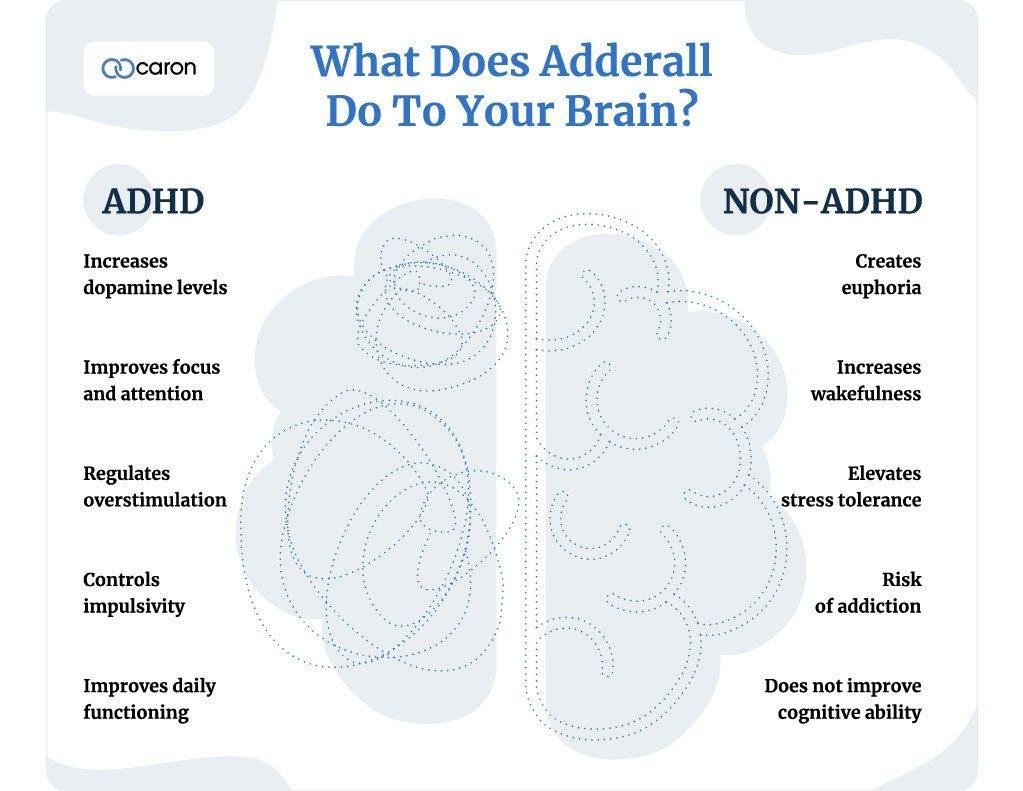
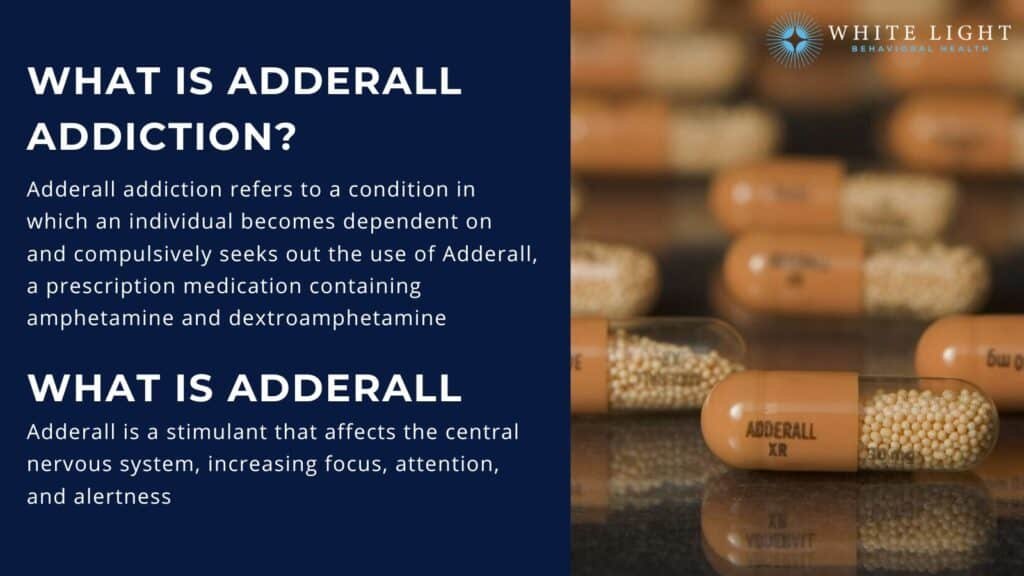
Adderall, a combination of amphetamine and dextroamphetamine, is widely recognized as an effective treatment for attention deficit hyperactivity disorder (ADHD) and narcolepsy. However, its rising popularity among students and professionals seeking cognitive enhancement has triggered significant concerns about potential addiction. Reports suggest that misuse of prescription stimulants is increasingly common, particularly in academic environments. According to recent studies, approximately 16% of college students misuse Adderall, often disregarding its potential dangers. This makes the question, “Is Adderall addictive?”, a crucial topic of discussion.
Understanding the addictive nature of Adderall requires a multifaceted approach, including an exploration of the drug’s pharmacological profile, its psychoactive effects, and the behavioral patterns associated with its misuse. When prescribed appropriately and taken as directed, many individuals with ADHD find that Adderall significantly improves their quality of life. However, when misused, the risks can escalate rapidly, leading to serious health complications, including addiction. Research shows that misuse of Adderall can be as potent as illicit drugs like cocaine, raising alarms for both healthcare professionals and patients alike.
This comprehensive article will delve into the complexities surrounding Adderall addiction. We will explore its effects on the brain, the signs that indicate a potential addiction, differences between dependence and addiction, and available treatment options for those struggling. By shedding light on these critical issues, we hope to equip readers with the knowledge necessary to make informed decisions regarding the use of Adderall, whether for legitimate therapeutic reasons or concerns about misuse.
What is Adderall and How Does it Work?
Adderall is classified as a central nervous system stimulant and contains a blend of amphetamine salts. It functions by increasing the levels of specific neurotransmitters—dopamine and norepinephrine—in the brain, which play significant roles in regulating attention, focus, and impulse control. Typically, Adderall is prescribed to manage symptoms of ADHD, helping individuals maintain a more stable concentration and boost their ability to complete tasks.
For individuals with ADHD, the neurotransmitters in their brains may not function optimally, leading to difficulty in managing attention and focus. Adderall acts by enhancing the release of dopamine, which is crucial not only for attention but also for the brain’s reward and pleasure centers. Consequently, individuals may experience heightened alertness and energy levels when taking Adderall as prescribed, which can be beneficial in managing ADHD symptoms.
However, the very mechanism that allows Adderall to assist those with ADHD also contributes to its potential for abuse. The stimulating effects of the medication can create a sense of euphoria, particularly when taken in higher doses than prescribed. This can drive individuals, particularly students and young professionals, to misuse the drug in an attempt to enhance cognitive performance or manage fatigue, regardless of the associated risks.
Why is Adderall Prescribed?
Primarily, Adderall is prescribed to treat ADHD, a neurodevelopmental disorder characterized by symptoms of inattention, hyperactivity, and impulsivity. The medication helps patients improve focus, organization, and overall executive function. According to the CDC, approximately 6.1 million children have been diagnosed with ADHD, making the demand for effective treatments substantial.
Additionally, Adderall can be prescribed to treat narcolepsy, a sleep disorder that causes excessive daytime sleepiness and sudden sleep attacks. For those diagnosed with this condition, Adderall can aid in staying awake and alert during the day. Medical professionals often emphasize the importance of using this medication strictly according to a prescribed treatment plan, highlighting that Adderall may not be appropriate for everyone and can lead to adverse effects if misused.
As its usage in treating ADHD and narcolepsy rises, there is an increasing awareness of its potential for misuse, particularly among those not prescribed the medication. The appeal of enhanced cognitive performance or weight loss can make the misuse of Adderall highly tempting, especially in competitive environments.
How Does Misuse Lead to Addiction?
The transition from prescribed use to misuse is often subtle and insidious. Many individuals who misuse Adderall may initially see themselves as being in control; however, the repeated use in higher-than-prescribed doses can lead to tolerance. Over time, users may find themselves needing larger amounts of the drug to achieve the same effects, which can create a vicious cycle of dependence.
When Adderall is taken for recreational purposes, the feelings of euphoria and heightened energy can reinforce the behavior, making it difficult to refrain from use. Psychological dependence can develop as individuals perceive the drug as essential for maintaining performance, often leading to compulsive usage patterns. Furthermore, as symptoms of tolerance develop, individuals may face withdrawal symptoms when not using the drug, further complicating the cycle of addiction.
Additionally, the societal stigma around mental health and the pressure to perform can exacerbate the risks. In environments where success is paramount, the desire to self-medicate can escalate rapidly, leading to destructive behaviors that compromise both mental and physical well-being.
Signs of Adderall Addiction
Recognizing symptoms of Adderall addiction is crucial for ensuring that individuals get the assistance they need. Various signs can indicate a developing problem, many of which may be subtle at first but become more apparent over time. Awareness of these symptoms can empower friends, family members, and healthcare providers to act proactively.
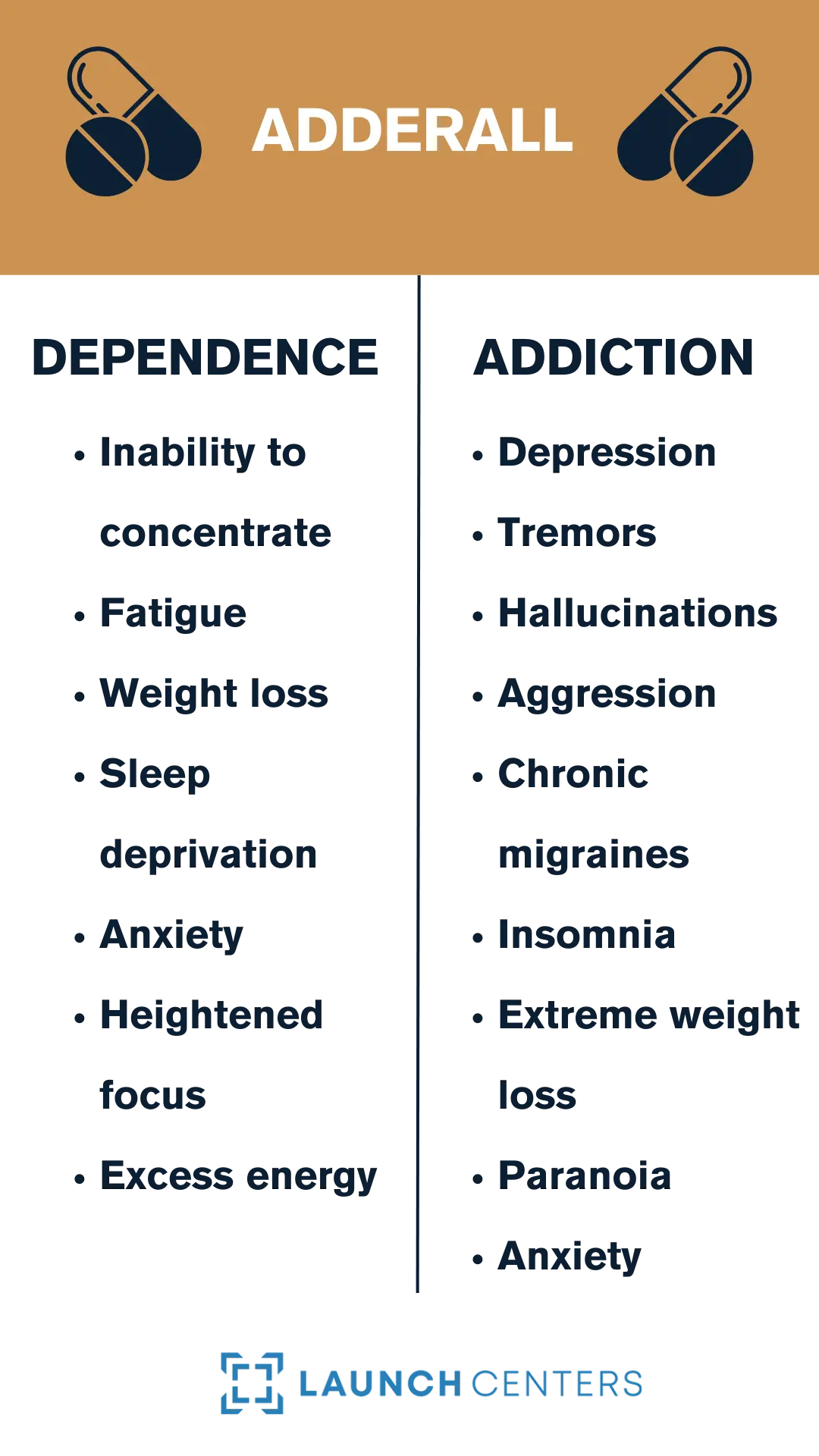
One of the primary signs of addiction is a noticeable increase in dosage. If an individual begins to exceed prescribed amounts or acquires the drug from non-medical sources, this is a warning sign that their relationship with Adderall may be changing. Additionally, signs of withdrawal when not taking Adderall can include fatigue, increased anxiety, depression, and difficulty concentrating, reflecting the body’s dependence on the drug.
Behavioral changes can also be a significant indicator of Adderall addiction. Individuals may become secretive about their drug use, forge prescriptions, or prioritize obtaining and using Adderall over other responsibilities and relationships. Social withdrawal or neglecting personal appearance may further signal an escalating problem. Learning to identify these warning signs early can be a pivotal component in effectively addressing addiction.
Adderall Addiction Symptoms Overview
- Increased dosage or frequency of use beyond prescribed limits
- Obsession with obtaining and using the drug
- Social withdrawal and isolation from friends and family
- Withdrawal symptoms when not taking the drug, such as fatigue and anxiety
- Neglecting responsibilities at work or school
- Legal and financial issues related to drug acquisition
- Changes in personality or mood, including irritability and aggression
Can Adderall Be Addictive for Those with ADHD?
The question of whether Adderall is addictive for individuals with ADHD is complex. Research indicates that people who have been legitimately diagnosed with ADHD and are adhering to a prescribed treatment plan typically have a lower risk of developing an addiction compared to recreational users. As long as the medication is taken as directed, individuals with ADHD often do not experience the same euphoric effects and subsequent dependence seen in those who misuse the drug.
However, the potential for addiction still exists, especially if an individual with ADHD begins using higher doses than prescribed or diverges from the treatment plan. In such cases, there is a notable risk as the user might start experiencing the amphetamine’s euphoric effects, leading them to misuse the medication. Ensuring open communication with healthcare providers and carefully monitoring medication adherence is vital for these individuals.
In summary, while the overall risk of addiction may be lower for individuals with ADHD, it is crucial for patients and their families to remain vigilant. Understanding the signs of misuse and fostering a responsible approach to medication management can help mitigate risks.
Adderall Dependence vs. Addiction
Dependence and addiction are two terms that are often used interchangeably, but they represent distinct concepts in the context of substance use. Understanding the difference between the two can help clarify the nature of Adderall’s effects on the body and mind.
Dependence refers to a state where an individual’s body has adapted to the presence of a substance, ultimately requiring it to function normally. In the case of Adderall, this may manifest through tolerance, where the individual needs a higher dose to achieve the same therapeutic effects. Withdrawal symptoms can occur when the drug is discontinued, ranging from fatigue and depression to sleep disturbances.
On the other hand, addiction is characterized by compulsive drug-seeking behaviors despite the negative consequences. It often includes psychological aspects such as cravings and the inability to control drug use. Someone may be dependent on Adderall without being addicted; however, ongoing misuse can escalate dependence into a full-blown addiction.
Is Dependence on Adderall Dangerous?
While physical dependence on Adderall can develop without resulting in addiction, it is not without its own risks. Individuals who have become dependent may find themselves in a precarious situation when attempting to discontinue the medication. Withdrawal symptoms can be intense and evoke cravings that drive individuals back to use, creating a cycle that may ultimately lead to addiction.
Moreover, the psychological aspect of dependence can foster a reliance on the drug to cope with daily stressors, leading to increased anxiety and depression when not using. Healthcare providers often stress the importance of proper management and tapering when discontinuing stimulant medications to minimize withdrawal effects.
For some individuals, dependence can also elevate health risks, ranging from sleep disturbances to cardiovascular issues due to higher doses. This further underscores the importance of following a prescribed treatment regimen and maintaining open lines of communication with healthcare professionals.
Effects of Adderall Misuse
The misuse of Adderall can lead to a myriad of physical and mental health issues. While some users may initially experience perceived benefits, prolonged misuse often results in deleterious effects that can severely compromise an individual’s overall well-being. Understanding these effects is critical for anyone considering the use of Adderall beyond prescribed dosages.
Short-term side effects of Adderall misuse can include increased heart rate, elevated blood pressure, insomnia, and anxiety. These physiological symptoms can lead individuals to feel heightened energy levels temporarily; however, they often come bundled with anxiety, irritability, and mood swings. In some cases, this misuse can escalate to dangerous levels, potentially triggering severe cardiovascular events.
Long-term effects can be even more severe. Chronic misuse may lead to psychiatric issues, including depression, paranoia, or even hallucinations. Brain chemistry may be altered significantly, and many users report difficulties with memory and cognitive function after stopping use. With ongoing misuse, individuals significantly increase their risk of developing a substance use disorder.
Social Consequences of Adderall Misuse
Beyond physical and psychological effects, the social ramifications of Adderall misuse can be profound. Individuals may find their relationships strained or eroded as they become increasingly consumed by their drug use. Friends and family may struggle to understand the changes, leading to isolation and a breakdown of communication.
Academic and occupational performance can also suffer. Those misusing Adderall may initially see a boost in productivity; however, as dependence grows, they may begin to neglect responsibilities, miss deadlines, or face disciplinary action at school or work. Legal issues can arise if individuals resort to illegal acquisition of the drug, further compounding the consequences of misuse.
As such, the social matrix surrounding an individual misusing Adderall can sharply deteriorate, transforming an initial attempt to enhance performance into a downward spiral fraught with addiction’s consequences.
Treatment Options for Adderall Addiction
Addressing Adderall addiction typically requires a multifaceted approach that includes behavioral therapy, support groups, and, in some cases, medication-assisted treatment. The goal of treatment is to assist individuals in safely discontinuing use while managing withdrawal symptoms and addressing psychological dependence.
Behavioral therapy plays a crucial role in recovery. Evidence-based therapies, such as cognitive-behavioral therapy (CBT), have shown promise in helping individuals develop coping strategies, challenge maladaptive thought patterns, and rebuild motivation. Participating in therapy can equip individuals with the skills necessary to identify triggers for drug use and develop healthier ways to manage stress.
Support groups, such as those modeled after Alcoholics Anonymous, can also provide a critical network for individuals in recovery. Sharing experiences, challenges, and victories with others who have faced similar struggles can foster a sense of community and belonging, which is vital for long-term sobriety.
Medication-Assisted Treatment
While there is currently no FDA-approved medication specifically for treating Adderall addiction, some doctors may prescribe medications to help alleviate withdrawal symptoms and cravings. Drugs such as bupropion, which is sometimes used as an antidepressant, may assist in managing depression and cravings during the recovery process.
Ultimately, treatment must be individualized, as each person’s journey through addiction is unique. Consulting with healthcare providers who specialize in substance use disorders can provide valuable insight and direction as individuals navigate their path to recovery, ensuring they receive the support they need.
Importance of Professional Help
Seeking professional help is vital for anyone struggling with Adderall addiction. While some individuals may attempt to quit “cold turkey” or reduce use on their own, this approach can often lead to heightened withdrawal symptoms and increased risk of relapse. Medical professionals can create tailored treatment plans that address the specific needs of individuals, increasing the chances of successful recovery.
Continued support and follow-up care are imperative to preventing relapse. Establishing robust coping mechanisms and support systems—including routine check-ins and ongoing therapy—can significantly contribute to an individual’s long-term recovery and well-being.
FAQs about Adderall Addiction
Is Adderall addictive even if prescribed?
Yes, Adderall can be addictive even when prescribed, especially if a person starts to exceed recommended dosages. Although individuals taking the medication as directed for legitimate ADHD treatment generally have a lower risk of addiction, misuse can lead to dependence and compulsive use. When prescribed, it is crucial to adhere to the healthcare provider’s guidelines to mitigate risks related to addiction.
How long does it take to become addicted to Adderall?
The timeline for developing an addiction to Adderall can vary significantly based on the individual’s usage patterns, biological factors, and keyword vulnerability. For some, addiction may develop within a few weeks of misuse, particularly if dosages exceed recommended levels or if the drug is taken without a prescription. Awareness of the signs of misuse can help in early intervention.
What are some alternatives to Adderall for managing ADHD?
Several alternatives to Adderall are available for managing ADHD symptoms, including other stimulant medications such as methylphenidate (Ritalin), as well as non-stimulant options like atomoxetine (Strattera) and guanfacine. Furthermore, behavioral interventions such as cognitive-behavioral therapy can provide strategies for coping with ADHD symptoms. It is important for individuals to work closely with their healthcare providers to determine the most appropriate treatment plan.
Are there non-medication therapies for Adderall addiction?
Yes, non-medication therapies are essential components of comprehensive treatment for Adderall addiction. Behavioral therapies, such as cognitive-behavioral therapy (CBT) and contingency management, focus on modifying thought patterns and incentivizing healthy behaviors. Support groups and holistic approaches like yoga, mindfulness, and exercise can also be beneficial in promoting recovery and overall well-being.
Can Adderall affect mental health?
Yes, misuse of Adderall can significantly impact mental health. Individuals who abuse the drug may experience heightened anxiety, paranoia, mood swings, and depressive episodes. Long-term misuse can lead to severe psychiatric issues, underscoring the need for responsible usage and monitoring by healthcare providers. Addressing mental health alongside substance use is vital for effective recovery.
What should I do if I suspect someone has an Adderall addiction?
If you suspect someone you care about is struggling with Adderall addiction, it is crucial to approach the situation with empathy and understanding. Initiate a conversation about your concerns without judgment. Encourage them to seek professional help and emphasize the importance of talking to a healthcare provider about their usage. Offering support throughout their recovery journey can make a significant difference.
Finding Help: Resources and Support
Individuals dealing with Adderall addiction must know that support and resources are available. Organizations such as the National Alliance on Mental Illness (NAMI) and the Substance Abuse and Mental Health Services Administration (SAMHSA) can provide information and connect individuals with treatment options. Support groups and counseling services can offer further assistance in navigating recovery and creating lasting change.
In addition to these resources, including family and friends in recovery efforts can promote accountability and emotional support. Building a support network can be instrumental in helping individuals manage cravings and stresses that arise during the recovery process.
Ultimately, recovery from Adderall addiction is a journey that requires commitment, support, and the right resources. Anyone struggling with addiction deserves compassion and access to effective help to reclaim a healthier, more fulfilling life.
