🏠 Stay at home! 25% discount on all medicines


Can You Drink Alcohol While Taking Adderall? Understanding the Risks

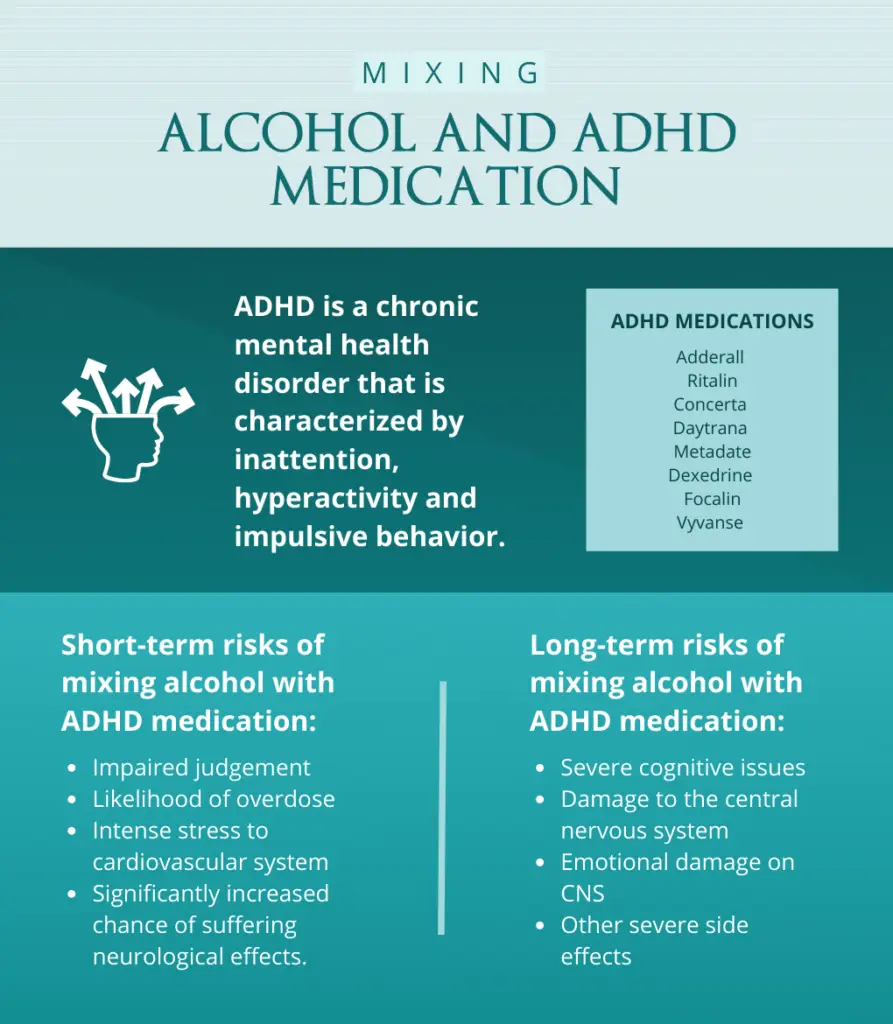
Can you drink alcohol while taking Adderall? This question resonates deeply within various circles, particularly among individuals diagnosed with attention-deficit hyperactivity disorder (ADHD) or those using Adderall for other reasons. The simple answer is: no. However, to fully understand this prohibition, one must explore the individual effects of both Adderall and alcohol, the dangerous interactions that arise when these substances are combined, and the health implications that can follow.
Adderall, a prescription stimulant composed of amphetamine and dextroamphetamine, works primarily by altering neurotransmitter levels in the brain. It is FDA-approved to treat ADHD and narcolepsy, particularly in helping increase focus, attention, and control impulsive behaviors. On the other hand, alcohol is a central nervous system depressant that can significantly impair cognitive and motor functions. When these two are mixed, the resultant effects can be unpredictable and severely harmful.
The American Addiction Centers has reported that the combination of stimulants like Adderall with depressants like alcohol can mask alcohol’s sedative effects, resulting in a person consuming more alcohol than they otherwise would. The danger lies in the fact that while the stimulant effect of Adderall can create a false sense of alertness, alcohol’s depressant nature may still pose grave risks to physical health and cognitive function. By providing a false sense of well-being, this combination can lead to binge drinking, increased likelihood of alcohol poisoning, and higher risk of accidents or injuries.
Understanding Adderall: What It Is and How It Works
Adderall affects the brain by increasing the levels of neurotransmitters, particularly dopamine and norepinephrine. This increase translates into heightened concentration and reduced impulsive behavior, which is particularly beneficial for those with ADHD. However, its stimulant nature can also lead to several side effects.
Common side effects of Adderall include, but are not limited to:
- Increased heart rate
- Elevated blood pressure
- Insomnia
- Dry mouth
- Anxiety or restlessness
While these side effects can be manageable for many, they can become severe or even life-threatening, especially when mixed with substances like alcohol. The stimulant effects of Adderall can lead individuals to overlook the dangers of their behavior, resulting in drinking more than usual and risking significant health hazards.
The Impact of Alcohol on the Body
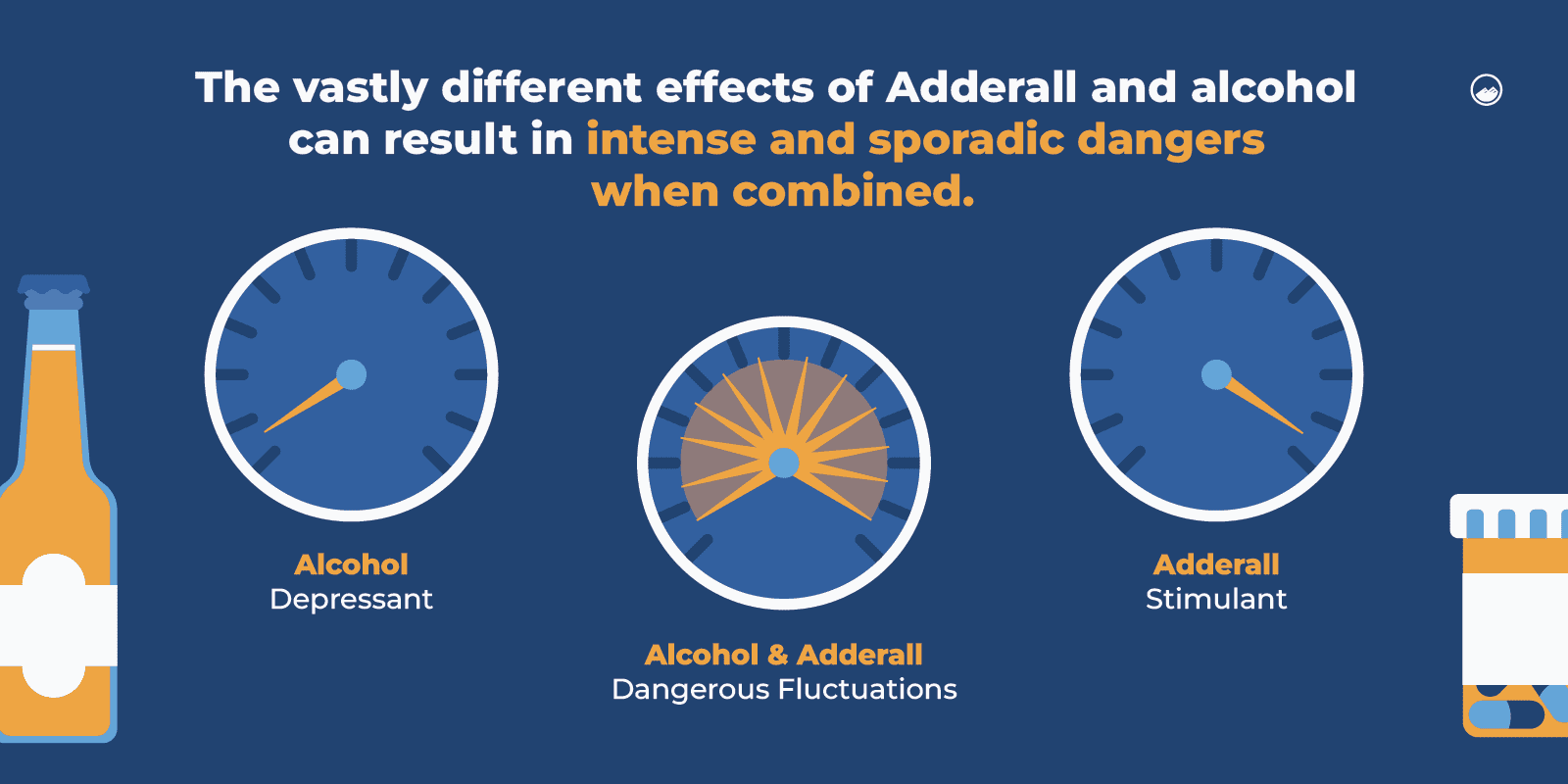
Alcohol is a potent depressant that affects various bodily functions. When ingested, it passes through the bloodstream and interacts with the central nervous system, leading to impaired judgment and coordination. The initial euphoria often disguises the more serious effects, leading users to consume more than planned.
Short-term effects of alcohol consumption include:
- Reduced reaction time
- Slurred speech
- Lack of coordination
- Memory impairment
- Increased risk of harmful behaviors
Long-term effects can be even more detrimental, contributing to liver disease, neurological impairments, heart disease, and various forms of cancer. The danger of mixing such a powerful depressant with a stimulant like Adderall can escalate these risks dramatically, leading to a host of unpredictable health outcomes.
Why Mixing Adderall and Alcohol Is Particularly Dangerous
The primary issue with combining Adderall and alcohol stems from their opposing effects on the central nervous system. A stimulant versus a depressant can create confusion within the body, allowing individuals to misjudge their level of intoxication. This often results in excessive alcohol consumption, with individuals unaware of how inebriated they really are.
Additionally, the combination can lead to:
- Increased heart rate and blood pressure
- Heightened risk of heart attack
- Potential for psychosis or severe anxiety
- Increased likelihood of alcohol poisoning
- Challenges in managing ADHD symptoms effectively
Furthermore, chronic mixing of alcohol and Adderall can lead to psychological dependence on both substances, significantly increasing the risk of developing substance use disorders. This cycle of dependency often results in individuals requiring higher doses of each substance to achieve the desired effects, further complicating their health outcomes.
Short-term and Long-term Effects of Mixing Adderall with Alcohol
The short-term effects of mixing Adderall with alcohol can be alarming. The level of intoxication can be masked, leading to dangerous behavior and consequences associated with binge drinking, including increased accidents and overdose. This can place individuals in precarious situations where they may engage in risks they usually wouldn’t consider.
In the long term, habitual use of both substances can lead to severe health problems. The body’s cardiovascular system can experience persistent strain, resulting in increased risks of heart disease and stroke. Additionally, the CNS can undergo significant alterations, compromising mental health and leading to potential neurological damage over time.
What the Research Says: A Review of Medical Studies
Research on the combined use of Adderall and alcohol emphasizes the potential dangers and health risks associated with this mixture. A study published in the Journal of Substance Abuse Treatment found that individuals using stimulant medications reported higher instances of alcohol use and dependence compared to those who did not. Such findings highlight the propensity for self-medication and the cycle of dependence development.
Moreover, a systematic review in the American Journal of Psychiatry explored the effects of this combination on mental health. The research concluded that stimulant and alcohol co-use could aggravate existing mental health issues, leading to increased anxiety, depression, and risk of suicide among users.
Clearly, scientific evidence substantiates claims that mixing these substances is not only unnecessary but downright hazardous. Users are recommended to seek safer alternatives for managing ADHD symptoms while maintaining a healthy lifestyle focused on nutrition, physical activity, and psychological wellness.
Tips for Safe Medication Management
If you or someone you know is taking Adderall for ADHD, it’s crucial to adopt safe medication management practices. One fundamental step is to maintain open communication with healthcare providers regarding your medical history, potential substance use, and lifestyle habits. This transparent dialogue allows for tailored medical advice and safer treatment plans.
Other recommendations include:
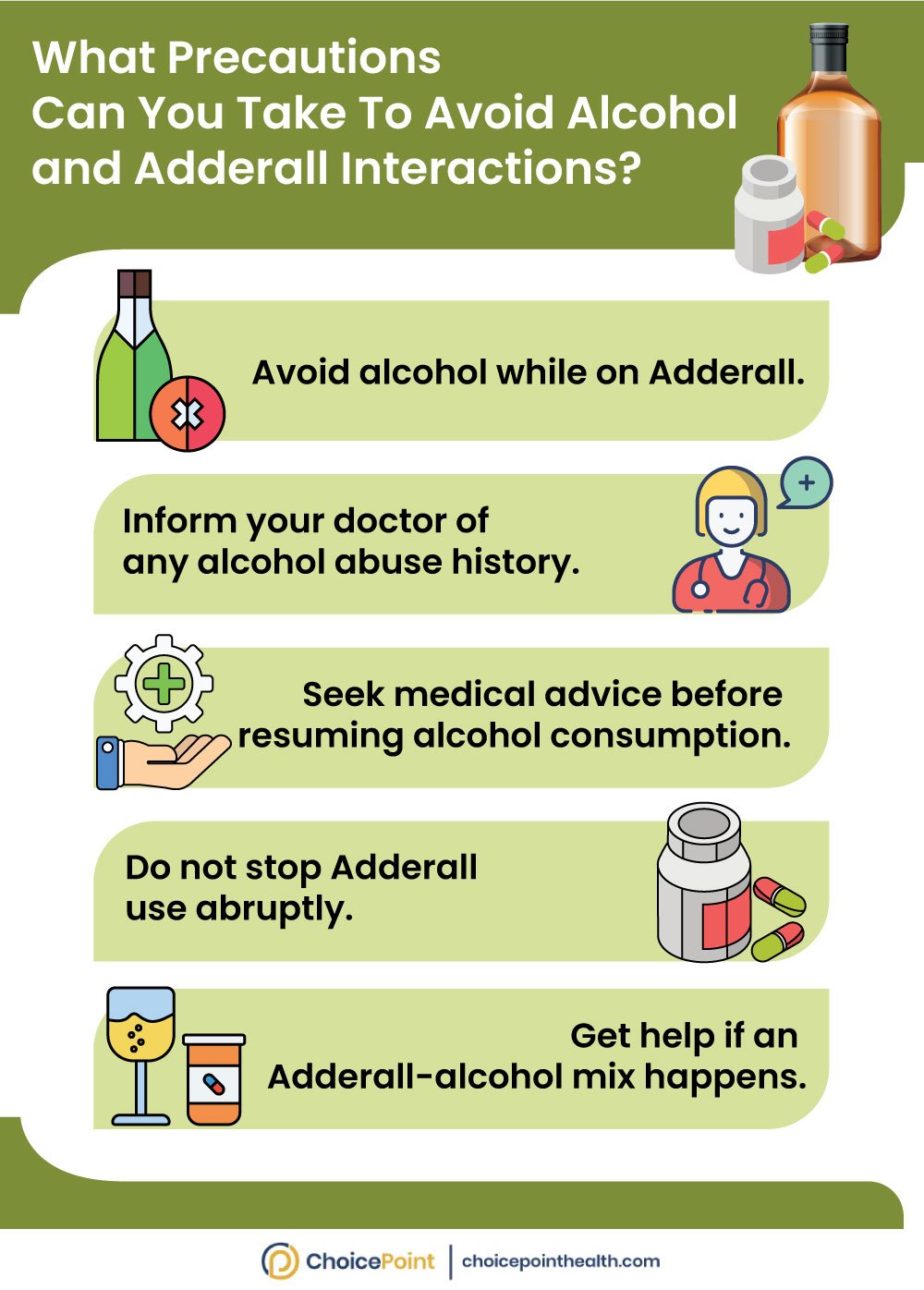
- Avoid mixing Adderall with alcohol or other drugs
- Follow your prescribed dosage closely
- Monitor and report side effects to your healthcare provider
- Engage in healthier coping strategies for stress management, such as mindfulness or physical activity
- Educate yourself on the signs of substance abuse and the importance of doing so
By following these guidelines, individuals can significantly reduce their risks while taking Adderall, subsequently improving their quality of life and mental health.
Personal Testimonies: Real Stories of Mixing Alcohol and Adderall
Personal stories offer powerful insight into the real experiences of individuals who have mixed Adderall with alcohol. One individual recounted their decision to drink while on Adderall during a social gathering. At first, the effects felt manageable; they revealed that they believed the Adderall counteracted the alcohol’s depressant effects. However, as the night progressed, they realized they had consumed more alcohol than intended. This led to blackout episodes and long-term memory issues that the individual still grapples with today.
Another account involves a young professional who chronicled their struggle with ADHD and alcohol dependency. They initially started taking Adderall to enhance productivity but began using alcohol as a social crutch. The combination became increasingly damaging; they faced hospitalization after a series of binge drinking episodes while on medication. Their story illustrates the real dangers of overlooking the serious repercussions of mixing these substances.
FAQ: Common Questions About Mixing Adderall and Alcohol
What should I do if I’ve mixed Adderall and alcohol?
If you have mixed Adderall with alcohol, it’s essential to monitor your symptoms closely. If you experience an increased heart rate, elevated blood pressure, anxiety, or unusual behavior, seek care immediately. It’s advisable to inform a trusted friend, family member, or medical professional about your situation. Remember, while you may not feel the full effects of the alcohol due to the stimulant, that does not mean you are safe.
Can Adderall make alcohol more potent?
Yes, the stimulating effects of Adderall can mask the sedative effects of alcohol, leading individuals to consume more than they safely should. This can potentially lead to alcohol poisoning, as you may not realize how intoxicated you are. The depressant characteristics of alcohol can still affect your body despite feeling alert due to Adderall.
How can I better manage my medication with alcohol use?
To manage your medication safely, it is advisable to avoid alcohol altogether while taking Adderall. If you have concerns about social drinking and medication use, consult your doctor. Discuss alternatives for enjoyment that do not involve substances, such as engaging in social activities focused on physical exercise or hobbies.
What are the withdrawal symptoms if I stop taking Adderall?
Withdrawal symptoms can vary by individual but may include fatigue, depression, sleep disturbances, and increased appetite. It’s essential to consult a healthcare provider before discontinuing any medication, as they can provide a safe plan for tapering off Adderall if needed.
Is it possible to have a drink or two while on Adderall?
While technically someone may opt to consume one or two drinks, the safest recommendation is to abstain from alcohol while using Adderall. Alcohol’s effects can interfere with your medication’s effectiveness and present risks that make even occasional use inadvisable.
Are there healthier alternatives for managing ADHD symptoms?
Yes, individuals with ADHD can benefit from therapy, lifestyle changes, and nutritional adjustments. Regular exercise, mindfulness practices, a balanced diet that includes omega-3 fatty acids, and cognitive-behavioral therapy can all support symptom management without the risks associated with substance use.
Summing Up the Risks and Consequences
The risks associated with mixing Adderall and alcohol are significant and worrisome. From potential mental health crises to severe physiological consequences, the combination increases a person’s chances of experiencing harmful side effects and long-term addiction. Understanding this potential for danger is critical for individuals prescribed Adderall.
Those diagnosed with ADHD should work closely with their healthcare providers to monitor their symptoms and explore safer lifestyle alternatives. If alcohol consumption is an integral part of one’s social life, exploring options that do not involve substance use is the safest route. Ultimately, being informed and making conscious choices about one’s health—especially when involving medication and substances—can lead to better physical and mental well-being.
Proceed with caution, prioritize open lines of communication with healthcare professionals, and enjoy life while maintaining awareness of the substances you place into your body. Your health should always come first.
