🏠 Stay at home! 25% discount on all medicines


How Much Adderall Is Too Much? Understanding Dosage and Risks

With the rising prevalence of ADHD (Attention Deficit Hyperactivity Disorder) diagnoses among both children and adults, medications like Adderall have gained widespread use as effective treatment options. However, as with any prescription medication, a thorough understanding of recommended dosages and potential risks is essential. Reports indicate that many individuals are either under-dosing or over-dosing, leading to serious health repercussions. In fact, Adderall misuse and overdose are real threats that have garnered increasing attention from healthcare professionals and the public alike.
A critical aspect people often overlook is determining how much Adderall is actually too much. This can vary based on individual factors such as bodyweight, age, health condition, and tolerance. Nonetheless, establishing clear boundaries concerning dosages can help mitigate the risk of serious side effects or overdosing. Consequently, understanding the safe dosage ranges, recognizing symptoms of overdose, and acknowledging the risks associated with misuse is vital for anyone prescribed this medication or considering its use.
This article will explore numerous facets of Adderall usage, including how much is considered excessive, the maximum daily limits, signs of overdose, and the long-term implications of overuse. By the end of this discussion, readers should have a comprehensive understanding of the safe usage of Adderall and the potential threats linked with excessive intake.
Understanding Adderall and Its Uses
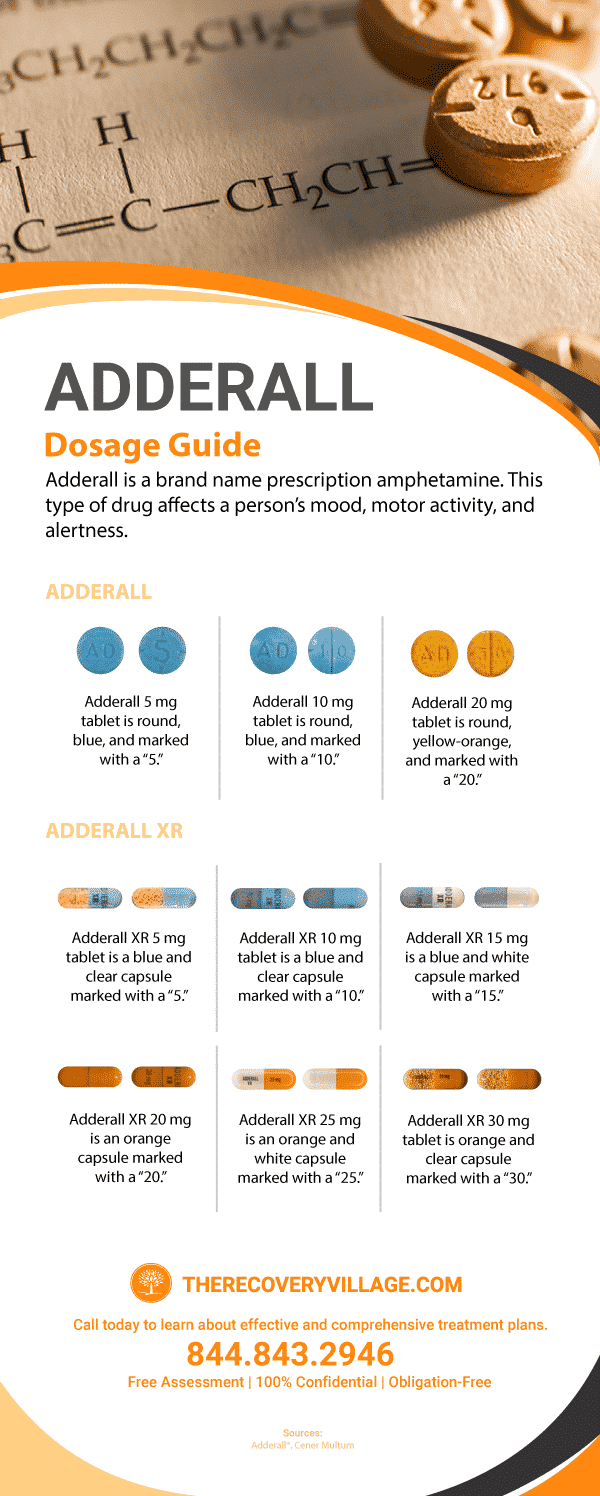
Adderall, a combination of amphetamine and dextroamphetamine, is primarily prescribed to treat ADHD and narcolepsy. Amphetamines work by modifying the concentrations of neurotransmitters in the brain, particularly dopamine and norepinephrine. This neurochemical adjustment enhances focus and attention while reducing impulsivity, making it particularly effective for individuals with ADHD. The drug is often available in immediate-release and extended-release (XR) forms, with the latter offering a more prolonged effect, allowing for fewer daily doses.
Despite its benefits, Adderall carries a risk of dependence and tolerance. Regular use can lead to an increase in doses over time, as the body becomes accustomed to its effects. Additionally, some individuals misuse Adderall for its stimulant effects, such as increased energy and heightened concentration, especially in academic or professional environments. This misuse can further blur the lines between safe dosing and overuse, leading to dangerous health risks.
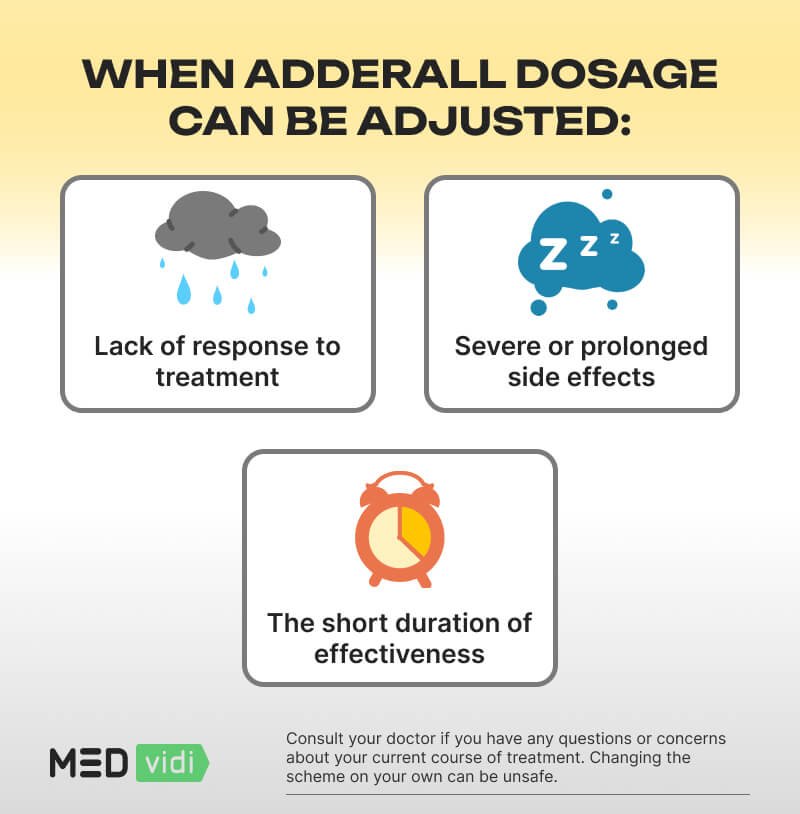
The complexity of prescribing Adderall necessitates a tailored approach based on each patient’s unique medical history, weight, and specific health needs. Doctors typically base the initial dosage on several factors, including the severity of the condition being treated and any concurrent medications that may interact with amphetamines.
Recommended Dosages for Adderall
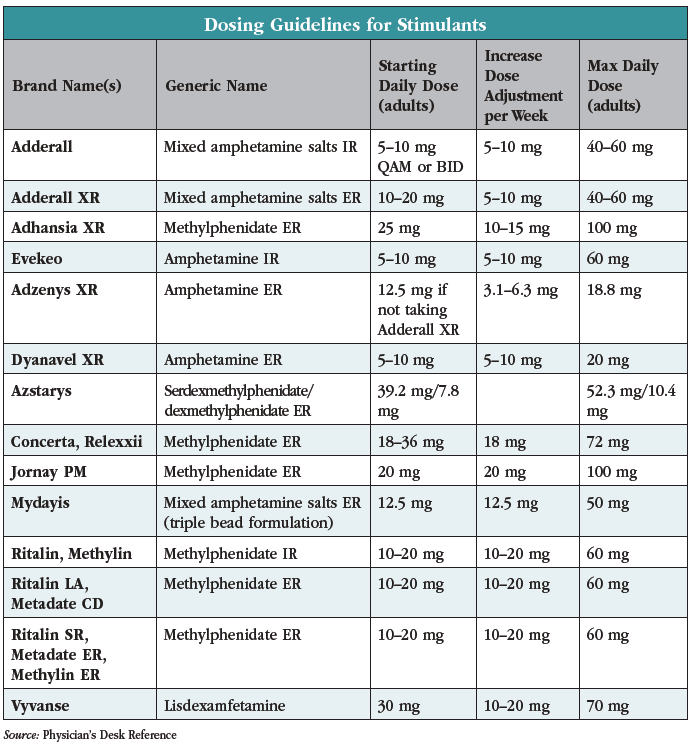
The standard dosing guidelines for Adderall vary significantly between children and adults. In children aged 6 to 17 years, the typical starting dose for treating ADHD is usually between 5 to 10 mg daily. Depending on the child’s response, the doctor may adjust the dosage, typically not exceeding 30 mg per day.
For adults diagnosed with ADHD, the initial dose is generally around 20 mg daily, which can also be adjusted higher based on efficacy and tolerance. The maximum allowable dose for adults is 40 mg per day, while individuals with narcolepsy can have dosages ranging anywhere from 5 mg to a maximum of 60 mg per day. It’s crucial to monitor for side effects and therapeutic response closely during any adjustments to daily dosage.
The maximum daily doses are guided by clinical research and monitoring associations and typically do not exceed individual tolerability. Additionally, how the drug is formulated—whether immediate-release or extended-release—can also dictate the appropriateness of dosage schedules. The extended-release form is designed to release the active ingredients gradually over time, making it less likely for most patients to exceed the regular therapeutic window.
What Constitutes an Overdose on Adderall?
Understanding how much Adderall is too much involves recognizing the concept of overdose. An Adderall overdose can occur when a person takes higher than prescribed doses or ingests further doses too close together. Overdose symptoms can be severe and, in some cases, can lead to fatal consequences. Clinical evidence suggests that a dose exceeding 20-25 mg per kilogram of body weight can be lethal; for example, an adult weighing approximately 150 pounds could reach dangerous levels with doses around 70 mg or higher.
Common signs of an Adderall overdose may include symptoms such as extreme agitation, confusion, hallucinations, panic attacks, and even cardiovascular complications like rapid heartbeat or high blood pressure. Other physical reactions can manifest as nausea, vomiting, and tremors. By understanding these symptoms, individuals can take swift action to seek emergency medical care if needed.
Aside from physical symptoms, the psychological repercussions of overdose can be lengthy. Some individuals may experience heightened anxiety, mood swings, and in severe cases, episodes of psychosis. All these factors underline the importance of strictly adhering to prescribed dosing instructions to avoid serious health hazards.
Potential Risks of Adderall Overuse
Overuse of Adderall not only increases the risk of potential overdose but can also manifest in numerous chronic health issues. For individuals taking the medication long-term, overuse can lead to a host of problems, including cardiovascular issues, psychological dependence, and a decline in overall cognitive function. Chronic high doses can put excessive strain on the heart, leading to conditions such as tachycardia or even heart attacks.
Additionally, the risk of developing mental health issues increases with Adderall overuse. Over-reliance on the medication can sometimes mask underlying conditions such as anxiety or mood disorders, leading to a deterioration in mental health when the medication is misused. This happens because the stimulating effects of Adderall can also induce feelings of euphoria, which can falsely reassure users that they are functioning optimally, even when they may not be.
Another critical upwards trajectory related to overusing Adderall is the development of tolerance. When individuals frequently consume higher doses of Adderall, the body requires increasingly larger doses to achieve the same therapeutic effects. This dependence can also lead to withdrawal symptoms if the medication is abruptly discontinued, presenting additional challenges for users seeking to manage their prescriptions or halt use altogether.
Signs of Too Much Adderall: What to Watch Out For
Recognizing the signs of taking too much Adderall is paramount for effective intervention. Symptoms of excessive intake typically manifest both physically and psychologically. Some common physical symptoms include elevated heart rate, high blood pressure, dilated pupils, and sweating. Users may also notice feelings of nausea and abdominal pain, alongside insomnia or inability to relax.
Psychological symptoms may range from heightened irritability and anxiety to paranoia and delusions. These latter signs are crucial as they indicate where a person may be crossing the line from an acceptable therapeutic dose to potentially dangerous territory. Particularly worrisome are the extreme mood swings that may indicate underlying problems that have gone unchecked due to overconsumption of stimulant medications like Adderall.
Furthermore, anecdotal reports often contain user accounts from forums or support groups where individuals detail experiences after taking high doses—often out of pressure to perform or cope with heavy workloads. Conversations surrounding these circumstances reveal how societal pressures can prompt misuse of medications like Adderall.
What Happens If You Accidentally Take Double the Dose of Adderall?
Accidentally taking a double dose of Adderall can lead to serious complications. If a patient misses a regular dose and subsequently takes another dose shortly after realizing the error, they may risk suffering from the acute effects of an overdose. The advised course of action is to carefully monitor for any symptoms of overuse and, if deemed necessary, to consult a healthcare professional immediately.
The actions that follow such an accident can significantly affect the health of the individual. Basic emergency protocols recommend contacting local poison control or medical emergency services if alarming symptoms arise. Common advisories include evaluating the situation, tracking any feelings of extreme agitation, and keeping notes of vital signs whenever possible prior to professional consultation.
Most healthcare providers would recommend that following a missed dose, individuals should not attempt to make up for it by taking a larger subsequent dose. It’s crucial to maintain communication with medical professionals and follow their prescriptions carefully to avert potentially grave consequences.
How to Use Adderall Safely
Safety in using Adderall involves a deep understanding of one’s individual health profile and open communication with healthcare providers. Starting medications like Adderall should always begin with a thorough assessment from a physician. This evaluation should include past medical history, any concomitant medications, and lifestyle factors that might interact with stimulant medications.
Once prescribed, it’s essential to follow the dosage guidelines closely and avoid the temptation to self-medicate or adjust dosages without consulting a healthcare professional. Additionally, patients should take their medications at the same time each day to maintain a stable blood concentration of the drug in their system, minimizing the risk of adverse effects.
Moreover, regular follow-up appointments with healthcare providers serve as an opportunity to reassess the effectiveness of the medication and any concerns regarding potential adjustments. Providers can help ensure the right therapeutic window is maintained, alerting users to watch for specific side effects while also offering alternatives in terms of dosages or adjunctive therapies.
Frequently Asked Questions
What are the daily maximum dosages for Adderall?
The allowed maximum daily dosage of Adderall generally varies between children and adults. For children ages 6-17, the maximum dosage is typically around 30 mg daily, while for adults, it can go up to 40 mg for ADHD treatment. In cases of narcolepsy in adults, doses can extend as high as 60 mg depending on individual needs and responses to the medication.
Is it safe to take Adderall if you feel jittery?
If an individual experiences jitteriness after taking Adderall, it could be a sign of taking too high a dose or the body reacting to the medication. It’s recommended to speak to a healthcare provider if these feelings persist, as they can guide necessary adjustments to dosage or monitor for underlying problems.
How long does it take for Adderall to leave the system?
Adderall typically has a half-life of 9 to 14 hours, meaning it can take a few days for the medication to completely exit a person’s system. Factors influencing this timeline include metabolic rate, age, health condition, and body mass. Understanding this clearance time can be crucial for those managing their medications or coming off stimulants.
Can you develop a tolerance to Adderall?
Yes, individuals can develop a tolerance to Adderall over time. This means they may require higher doses to achieve the same effects, which can increase the risks of dependence and possible overdose. Regular consultation with a healthcare provider is crucial for managing dosages safely and effectively.
What are the signs of withdrawal from Adderall?
Withdrawal symptoms from Adderall can differ based on how long it has been taken and the dosage involved. Common signs include fatigue, depression, changes in sleep patterns, increased appetite, and mood swings. It is important to seek medical guidance when discontinuing the use of Adderall to manage withdrawal safely.
What should you do if you suspect an Adderall overdose?
If overdose is suspected, immediate medical assistance should be sought. Emergency responders will often take measures to treat symptoms and stabilize the patient, including administering activated charcoal if necessary, or other supportive interventions. It’s crucial to act quickly, as the consequences of a delay in seeking help can be severe or even fatal.
Conclusion
Understanding the complexities surrounding Adderall usage requires a blend of precise information and awareness of personal health conditions. While this medication presents effective treatment options for many individuals, the risks of overdose and long-term dependence cannot be overstated. By adhering to recommended dosages, remaining vigilant about personal health changes, and engaging in ongoing dialogue with healthcare providers, users can foster a safer experience while using this potent stimulant.
As the conversation surrounding mental health and attention disorders continues to evolve, so too must our understanding of medications like Adderall. Comprehensive education on their safe usage is paramount in safeguarding health and longevity, particularly in a society that increasingly leans on pharmaceuticals for assistance. Individuals must realize the key role they play in their health journey, allowing them to make informed choices regarding their medications and treatment plans.
Lastly, it is imperative to remember that while Adderall can significantly aid in managing ADHD and related conditions, maintaining an awareness of how much is too much is the cornerstone of responsible medication management. In navigating these waters carefully, individuals can harness the benefits of Adderall while minimizing potential risks.
