🏠 Stay at home! 25% discount on all medicines


Does Adderall Help with Anxiety, Depression, or ADHD?

Adderall is a prescription medication known primarily for its role in treating Attention Deficit Hyperactivity Disorder (ADHD). Recent discourse around the drug has sparked greater curiosity about whether it might help with other disorders, specifically anxiety and depression. A growing number of individuals are seeking to understand the efficacy and risks associated with taking Adderall for conditions outside its intended use. With reports of varying outcomes, some users swear by its ability to alleviate pervasive symptoms, while others warn of potential mental health deterioration. This article aims to unpack the complex relationship between Adderall and these mental health issues, highlighting the most current research and expert opinions available.
Statistics reveal a troubling trend; nearly 20% of adults in the United States experience anxiety disorders, while upwards of 8% grapple with depression. It’s not uncommon for these conditions to co-occur, complicating diagnosis and treatment strategies. In parallel, ADHD affects approximately 5% of children and 2.5% of adults, creating a significant overlap of symptoms that can lead to questions regarding treatment options. Does Adderall provide any real, sustainable help when it comes to combating anxiety and depression? The answer is nuanced, requiring an in-depth examination of the drug’s mechanisms and its broader implications for mental health.
In this comprehensive exploration, we’ll delve into the pharmacological properties of Adderall, how it interacts with brain chemistry in the context of anxiety and depression, and discuss the perspectives of both medical professionals and patients. By the end, you will have a clearer view of whether Adderall could be a viable treatment option for these conditions, as well as critical insights into its potential risks and benefits.
Understanding Adderall: Composition and Function
Adderall is a combination of two stimulant medications, amphetamine and dextroamphetamine. Both are classified as central nervous system stimulants and work by increasing the levels of certain neurotransmitters in the brain, notably dopamine and norepinephrine. These neurotransmitters play pivotal roles in mood regulation, attention, and executive function. As a prescribed treatment for ADHD, Adderall helps improve focus, decrease impulsivity, and enhance overall task performance.
While its primary use remains ADHD management, some practitioners consider the drug for off-label use concerning other mental health conditions, driven by anecdotal reports of improved mood or reduced anxiety. However, the rationale behind such applications requires careful scrutiny, particularly when it comes to symptoms of anxiety and depression that may exist independent of ADHD.
It is essential to understand how Adderall functions in the brain. Under normal circumstances, increased dopamine levels can enhance mood—however, in individuals without ADHD, this elevation can cause overstimulation. There’s a fine line between therapeutic effects and adverse reactions, making it critical to assess the appropriateness of Adderall’s use in treating mood disorders.
Adderall and Anxiety: A Double-Edged Sword
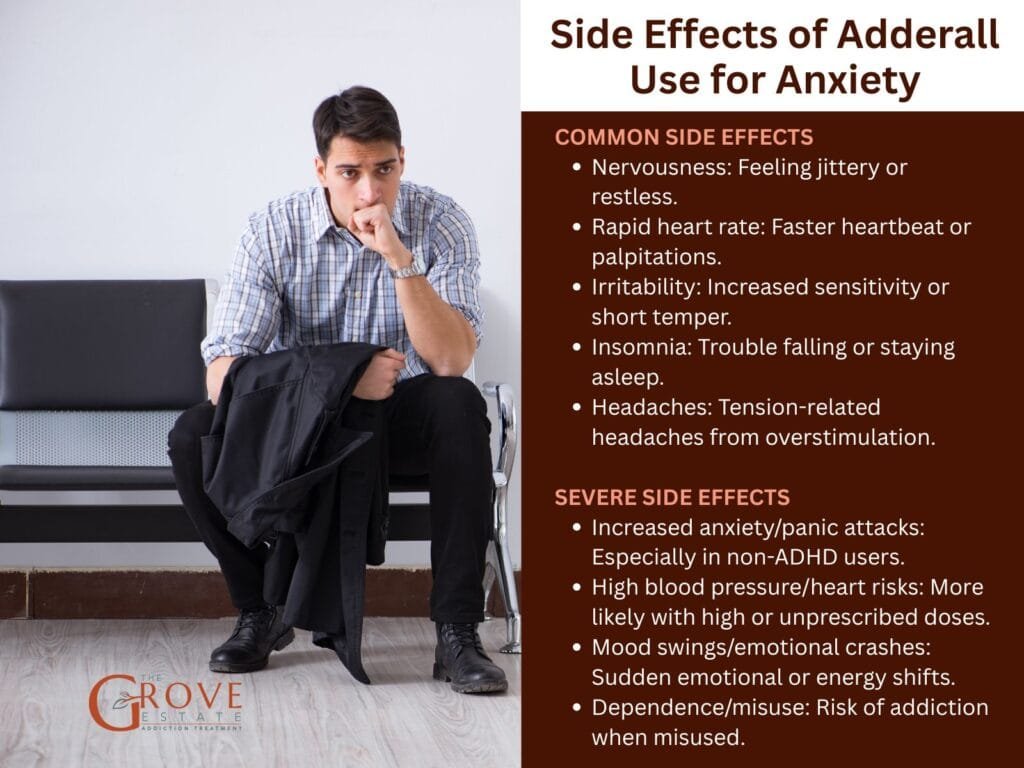
One of the most pressing questions regarding Adderall is whether it will help alleviate anxiety symptoms. Interestingly, while stimulants can theoretically increase focus and energy levels, they can also exacerbate feelings of restlessness or agitation, potentially leading to increased anxiety levels in predisposed individuals. Many healthcare providers caution against using Adderall for those experiencing anxiety, as the medication is not FDA-approved for this purpose.
Research indicates that heightened adrenergic activity, spurred by stimulant medications, can lead to anxiety symptoms in vulnerable individuals. Neurologically, the stimulation of norepinephrine can heighten arousal and alertness, but when present alongside anxiety disorders, this may result in overwhelming feelings of nervousness or panic. Studies show that while some individuals may experience transient relief from anxiety due to improved focus or decreased distraction, others may find their symptoms worsen post-administration.
It is also vital to consider the context of the individual’s situation. For instance, those suffering from generalized anxiety disorder (GAD) or social anxiety disorder (SAD) may find that Adderall does nothing to ease their excessive worry or dread about social interactions. In fact, they may feel more amplified tension due to the stimulating effects of the medication. Thus, it is crucial to evaluate personal history and health profiles before deciding on using Adderall as an anxiety treatment.
What Do Patients Say About Adderall and Anxiety?
Individual experiences with Adderall vary significantly, particularly concerning its effects on anxiety. Some users report that when they are also diagnosed with ADHD, the medication provides a modest sense of calm and clarity, helping them manage distracting thoughts that contribute to feelings of anxiety. “I felt like I could finally focus,” states Sarah, a 28-year-old diagnosed with both ADHD and anxiety. “For me, it lessened some of the racing thoughts that make me anxious.”
Conversely, other patients report heightened anxiety during the initial few weeks of treatment or increased feelings of agitation and discomfort. Symptoms such as heart palpitations, insomnia, and increased restlessness may prevail. Mark, who previously used Adderall for ADHD, recalls, “While it helped my focus, I felt way more anxious, especially at night. I couldn’t sleep, and my mind wouldn’t stop racing.” These dichotomous experiences highlight the necessity of personalized approaches to medication management.
Are There Alternatives to Adderall for Anxiety?
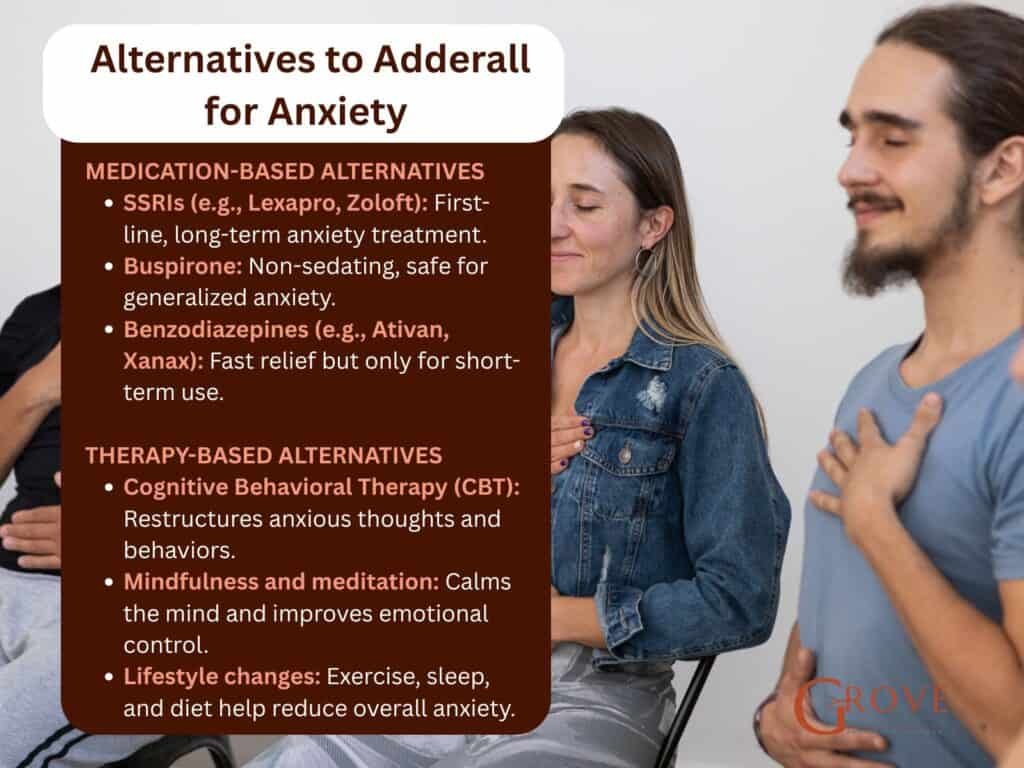
Given the potential risks associated with using Adderall for anxiety treatment, exploring alternative options becomes critical. Therapy—specifically cognitive behavioral therapy (CBT)—is often cited as an effective primary treatment for anxiety disorders without the side effects associated with stimulant medications. Many practitioners advocate for non-stimulant medications, like selective serotonin reuptake inhibitors (SSRIs), to help alleviate anxiety symptoms without the risk of exacerbation looming over the patient.
In addition to traditional therapy, incorporating lifestyle changes such as regular physical activity, mindfulness meditation, and sufficient sleep can collectively contribute to decreased anxiety levels. These interventions have been shown to lower arousal levels and assist individuals in developing healthy coping mechanisms—all while steering clear of pharmaceutical stimulants that may introduce further complications.
Adderall and Depression: An Uncertain Ally
Exploring the relationship between Adderall and depression presents an equally complex narrative. While some anecdotal evidence suggests individuals with both ADHD and depressive symptoms may find temporary mood improvements when using Adderall, this is neither a widely recommended nor sustained solution for treating clinical depression. Research has shown that prescribing stimulants for depressive symptoms can lead to a cycle of dependency and potential worsening of mood disorders over time.
While the stimulant properties of Adderall might momentarily lift mood or provide a rush of motivation, the subsequent crash can feel significant. For individuals suffering from depression, this rollercoaster of highs and lows can lead to greater emotional instability and increased feelings of hopelessness or irritability. Mental health professionals generally advise caution when using stimulants to treat underlying mood disorders.
Unlike traditional antidepressants that operate by increasing serotonin levels in the brain, Adderall primarily stimulates dopamine and norepinephrine pathways. As a result, patients who attempt to treat their depression with Adderall alone may not address the core factors contributing to their mood disorder. The short-term effects might be deceiving, masking deeper emotional issues that often require other therapeutic approaches.
When Might Adderall Help Depression?
Situational contexts can determine when Adderall might be appropriate in managing depressive symptoms, but this is generally limited to individuals who have ADHD as a primary diagnosis. Studies confirm that addressing ADHD symptoms in these patients may indirectly benefit their underlying mood disorders. Improved focus and reduced feelings of overwhelm can occasionally lead to a more positive outlook. However, this relationship warrants attention and should not universally apply to every patient.
In specific cases, pharmacological consultation between healthcare providers may facilitate a coordinated treatment approach. For instance, if an individual with ADHD and co-occurring depression does not respond adequately to traditional antidepressants, a prescribing physician may consider the inclusion of Adderall in their treatment plan. Close monitoring becomes crucial in these scenarios to mitigate adverse effects and ensure improved configurations.
Potential Risks and Side Effects of Using Adderall
While there can be potential benefits associated with off-label Adderall use, the risks cannot be overstated. A growing body of evidence indicates that stimulant medications can lead to a variety of side effects, ranging from mild to severe. Some common adverse effects include insomnia, decreased appetite, increased heart rate, and heightened blood pressure. Moreover, there is potential for misuse, dependency, or withdrawal symptoms if the medication is abruptly discontinued.
For individuals suffering from anxiety or depression, these side effects might contribute to exacerbated symptoms rather than alleviate them. Additionally, stimulant medications may increase the risk of developing other health complications, such as cardiovascular issues or exacerbated bipolar disorder symptoms, making careful consideration necessary before initiating treatment.
Furthermore, the development of a tolerance to the drug requires consideration. Tolerance can necessitate gradual dosage increases, which may further heighten the risk of dependency or adverse effects. In these conditions, engaging in open dialogue about medication management with a licensed practitioner is essential, ensuring that a suitable balance in treatment is maintained.
Assessing Adderall’s Impact on Mood and Mental Clarity
One of the primary appeals of Adderall lies in its purported ability to enhance mood and improve cognitive functioning. Various studies indicate that individuals diagnosed with ADHD experience marked improvements in executive function and mood stabilization when on the medication. However, it is important to acknowledge that these benefits depend heavily on the context of ADHD and that extending its use to other conditions might yield different results.
Many patients report improvements in motivation and task completion, aligning with symptom relief from ADHD. However, this enhancement can lead to misunderstanding. Individuals suffering from anxiety or depression may mistakenly associate initial feelings of euphoria with long-term wellness, leading to a misunderstanding of the medication’s necessity within their broader treatment plan.
A comparative analysis highlights the contrast between stimulant use for ADHD versus its off-label application for anxiety or depression. While stimulants may catalyze anywhere from short-term mood improvement and increased motivation, chronic use can introduce greater emotional volatility or dependency risks. Long-term impacts of stimulant use—particularly within populations sensitive to mood disorders—merit scrutiny.
Does Adderall Improve Memory and Focus for Everyone?
For individuals diagnosed with ADHD, Adderall may enhance memory retention and focus significantly. However, when assessing its effects on those without ADHD, the enhancements may not be as pronounced, often yielding a placebo effect. Individuals without ADHD who take Adderall may notice increased energy and productivity; however, this does not necessarily equate to improved cognitive function across the board. Reports suggest that excess stimulation can lead to reduced clarity of thought or focus, counteracting the intended purpose of its use.
Moreover, some users report that while they may feel more alert, cognitive fog can persist, especially during periods of stimulant withdrawal. The balance between increased energy levels and mental clarity can be a false dichotomy, emphasizing the importance of weighing the pros and cons extensively.
Ultimately, the mere act of taking Adderall does not guarantee a superior cognitive advantage or memory enhancement for everyone. Patients should have realistic expectations and engage in treatments that work synergistically with their primary symptoms.
Exploring the Social Implications of Adderall Use
As more individuals explore off-label use of Adderall—particularly in environments infused with competitive pressures, such as workplaces or educational settings—the social implications cannot be ignored. The rising normalization of stimulant use raises ethical and health-related questions, particularly for those using Adderall for purposes other than prescribed.
The drive for productivity can lead many to seek alternatives, and for some, this may include turning to stimulants like Adderall. Such behavior invites scrutiny around issues of fairness and substance dependency, as societal pressures blur the lines between performance enhancement and mental health management.
Workplaces or educational institutions that overlook the potential risks of stimulant use may inadvertently contribute to a culture that valorizes boosted productivity at the expense of mental well-being. Normalizing Adderall use for non-prescriptive reasons may have long-term ramifications, potentially leading to spirals of dependency, increased anxiety around performance, or the neglect of mental health maintenance.
As it becomes increasingly essential for healthcare providers to address mental health needs, discussions surrounding medication use must extend beyond the individual level to include larger social dimensions. Education on the implications, alternatives, and comprehensive intervention strategies becomes critical in addressing the growing dependency on stimulants like Adderall.
Frequently Asked Questions about Adderall and Mental Health
1. Can Adderall treat my anxiety effectively?
Adderall is not approved for treating anxiety disorders. While some individuals with ADHD may experience reduced anxiety through improved focus, many patients report worsened anxiety symptoms after taking Adderall. Treatment for anxiety typically involves cognitive-behavioral therapy or non-stimulant medications that target the underlying issues without introducing excessive stimulation.
2. Does Adderall help with mood improvements?
For individuals with ADHD, Adderall may help in reducing distractibility and improving general mood through focus enhancement. However, it is not a recommended treatment for depression, as it can create cycles of dependency and mood instability. Effective management of depression often requires a combination of psychotherapy and medications designed specifically to target serotonin levels.
3. What alternatives exist for ADHD treatment without risking anxiety?
Numerous alternatives to Adderall include non-stimulant medications like atomoxetine or guanfacine, and behavioral therapies that incorporate strategies for managing ADHD symptoms. This holistic approach can help mitigate the potential for increased anxiety while still addressing key symptoms associated with ADHD.
4. How can I manage ADHD without medication?
Managing ADHD without medication is feasible through lifestyle modifications, therapy, and organizational skills training. Mindfulness practices, exercise, and structured routines can assist in addressing challenges. Consulting a healthcare provider can facilitate personalized strategies that complement individual needs.
5. What should I consider before using Adderall?
It’s critical to consult with a healthcare provider before considering Adderall, especially for off-label use. Discussing existing mental health conditions, current medications, and personal health history will help assess the potential risks and benefits while identifying effective treatment avenues.
Conclusion
Adderall presents a complex landscape when crossed with issues of anxiety, depression, and ADHD treatment. While it may provide temporary relief for some patients diagnosed with ADHD, careful evaluation is essential when considering its use for mood disorders. The dual nature of stimulant medications highlights their potential for both therapeutic benefits and adverse effects. In navigating treatment, it is essential to approach mental health holistically, prioritizing patient-centered care.
As society advances toward confronting mental health needs, understanding the implications of utilizing medications like Adderall in contexts beyond their intended use is crucial. Continuous research and education will contribute to informed decisions surrounding mental health management, ensuring that individuals receive care tailored to their unique psychological profiles.
Ultimately, this article has highlighted the importance of personalized treatment strategies, emotional well-being promotion, and thoughtful consideration of medication’s role in mental health. For individuals facing emotional challenges, seeking support through therapy or exploring alternatives to stimulants is a significant step toward achieving a healthy balance.
