🏠 Stay at home! 25% discount on all medicines


What Does Adderall Feel Like With and Without ADHD?

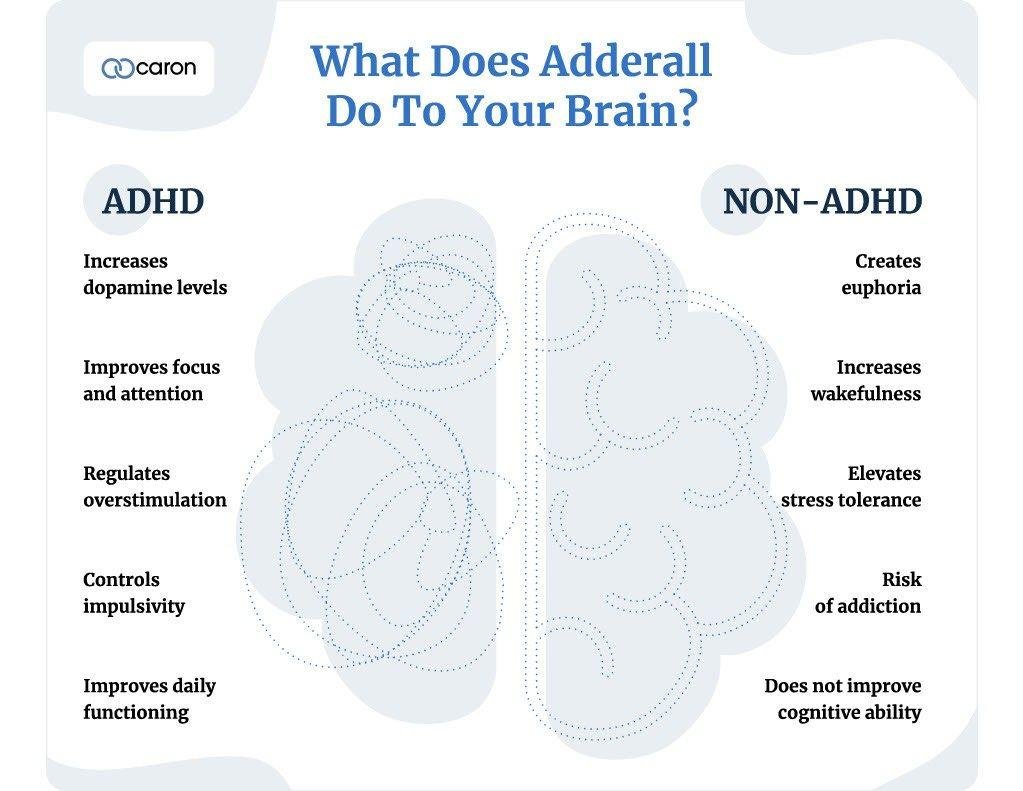
Adderall, a combination of amphetamine and dextroamphetamine, is a psychostimulant medication widely prescribed to individuals diagnosed with Attention Deficit Hyperactivity Disorder (ADHD). The effects of this medication can vary significantly depending on whether the user has ADHD or not. Understanding what Adderall feels like with and without ADHD is crucial for distinguishing between legitimate medical use and potential misuse of the drug.
For those with ADHD, Adderall often leads to improved focus, organization, and calmness. In contrast, individuals without the disorder may experience heightened energy, euphoria, and even anxiety. This disparity can lead to misconceptions about the medication’s safety and its role in cognitive enhancement. Therefore, it’s essential to delve deeper into how Adderall operates within differing neurological frameworks and the real experiences of users.
Through this article, we will explore the physiological and psychological impacts of Adderall. We will examine the contrasting experiences reported by those with ADHD and those without, revealing how the medication can stimulate the brain differently in these two groups. By the end of this comprehensive article, readers will better understand why Adderall affects some individuals profoundly while merely energizing others.
How Adderall Works: A Brief Overview
Adderall functions by increasing the levels of neurotransmitters in the brain, primarily dopamine and norepinephrine. These chemicals play significant roles in attention, motivation, and pleasure. In individuals with ADHD, these neurotransmitter levels are often imbalanced, leading to symptoms of inattention, impulsivity, and hyperactivity. When taken, Adderall helps to normalize these levels, leading to improved focus and reduced impulsivity.
For individuals without ADHD, the mechanism remains the same, but the effects can be drastically different. Since their neurotransmitters are already functioning within normal ranges, the introduction of Adderall can result in overstimulation. This often leads to feelings of enhanced energy and alertness, which some may interpret as productivity or focus.
Understanding this basic pharmacological function is crucial when considering the experiences of both groups. While Adderall serves a therapeutic purpose for ADHD individuals, the same cannot be said for others who may misuse it for cognitive enhancement.
What Does Adderall Feel Like for Someone with ADHD?
For individuals diagnosed with ADHD, taking Adderall often brings about noticeable changes in their cognitive processes and behavior. First and foremost, many report an increased ability to focus on tasks that previously seemed overwhelming or unmanageable. This heightened focus is not just a matter of feeling alert; it facilitates a genuine engagement with work, studies, or conversations.
Patients frequently describe feeling a sense of calmness that allows them to filter out distractions. The reduction in impulsivity is another significant benefit, as individuals may find that they are less prone to make hasty decisions or interrupt conversations. This therapeutic effect is particularly beneficial in academic or professional settings where concentrations and thoughtful engagement are crucial.
Moreover, alongside improved focus and organization, some report enhanced mood. The stimulation of dopamine pathways can lead to a sense of well-being and achievement. However, it’s important to note that these effects can vary widely among individuals, and not everyone will respond the same way. Proper dosage and medical oversight are essential to achieving the desired effects without adverse side effects.
How Does Adderall Impact Daily Life for ADHD Patients?
The impact of Adderall on daily life for someone with ADHD can be profound. Many individuals experience increased productivity, completing tasks that would usually take them much longer. This boost in productivity can lead to improved academic performance, job success, and overall quality of life. In classrooms, students often report being able to sit through lectures without fidgeting or losing interest.
Social interactions also tend to improve. Individuals return to social circles, engage in meaningful conversations, and express themselves better since their minds are more focused. The medication enables them to utilize social cues more effectively, which can decrease feelings of frustration and isolation that often accompany ADHD.
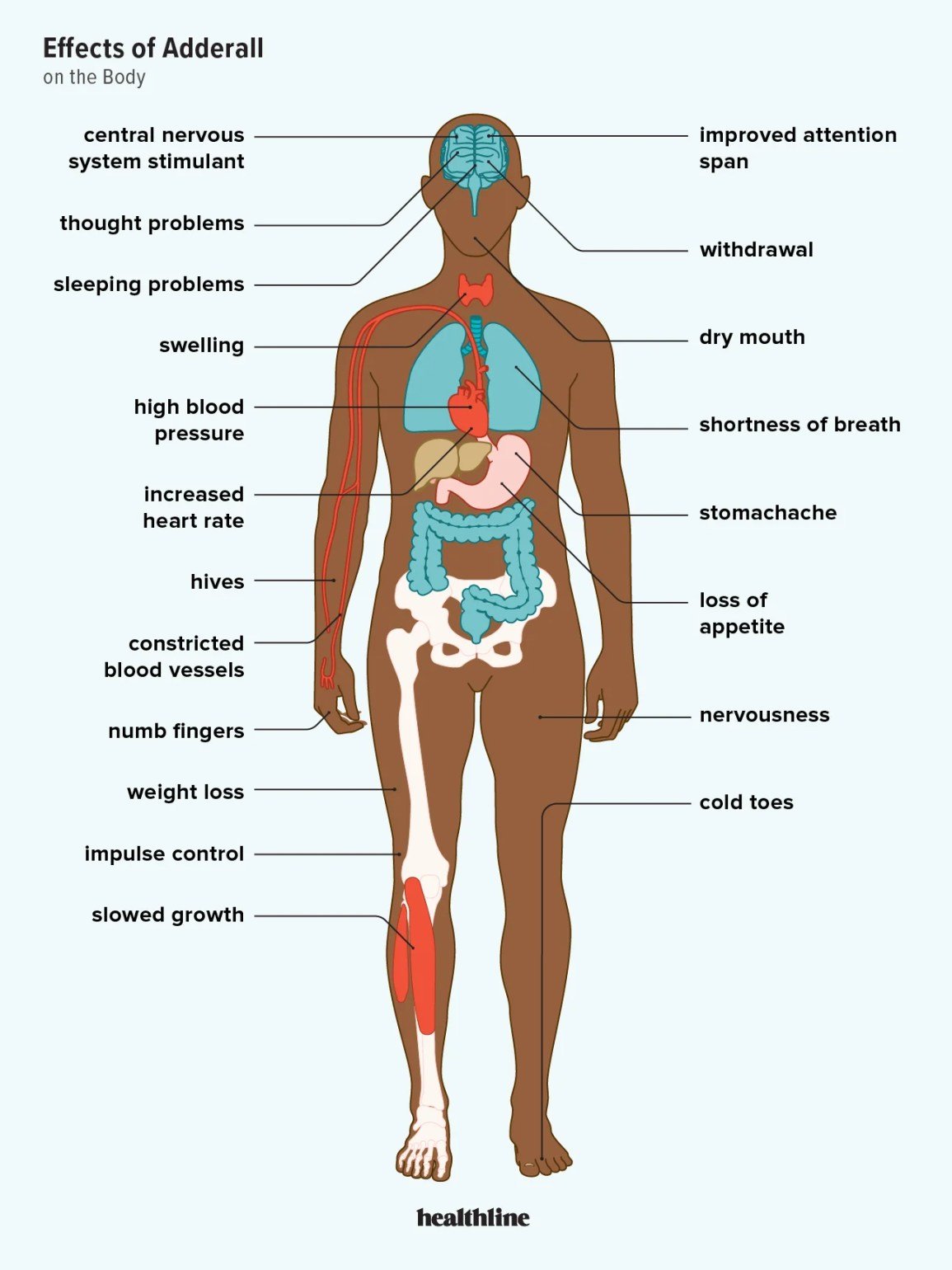
However, it is essential to be aware of possible side effects. Some patients may experience increased heart rate, anxiety, or even irritability, particularly if the dosage is too high or not matched to their unique body chemistry. Therefore, ongoing communication with a healthcare provider is crucial for managing these effects and making adjustments as necessary.
What Does Adderall Feel Like Without ADHD?
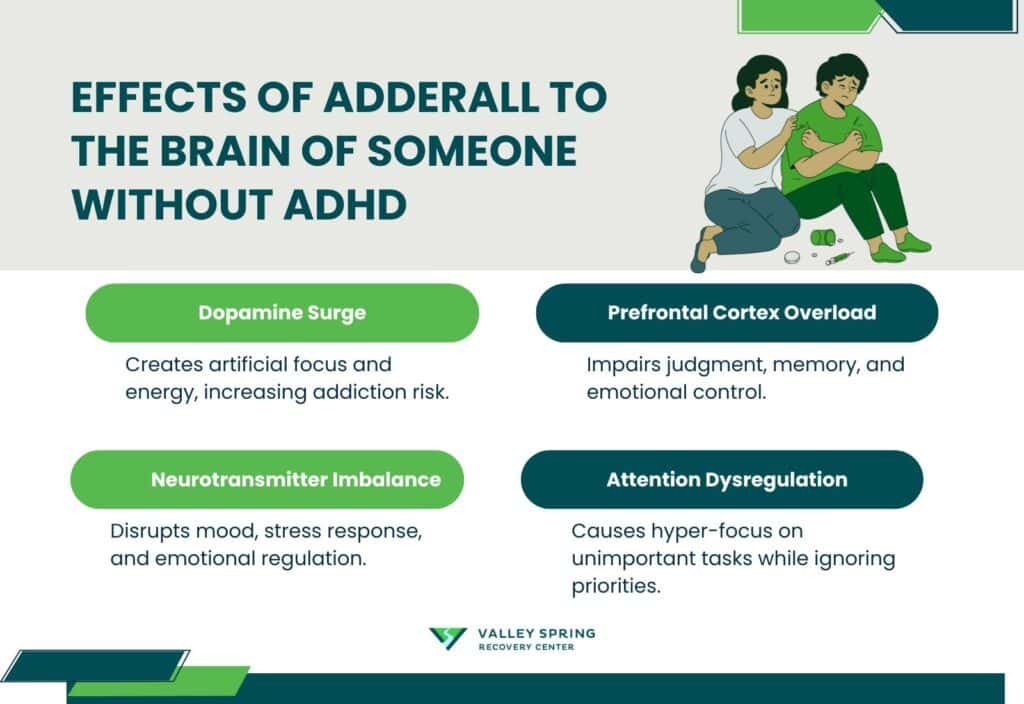
The experience of using Adderall without ADHD can be vastly different and can sometimes be misinterpreted as beneficial. Many individuals report heightened energy levels, increased talkativeness, and an artificial sense of hyper-focus. For some, this can lead to the perception of improved productivity, especially in tasks that require sustained attention.
However, these effects often come with a host of negative side effects. Users without ADHD might experience feelings of euphoria, which can be thrilling but are often accompanied by heightened anxiety or irritability as the stimulation increases. The feelings of energy can quickly turn to restlessness, making it difficult to approach tasks with the same focus and organization that someone with ADHD might attain.
Furthermore, those without ADHD may misuse Adderall in an effort to optimize performance either academically or in the workplace. While some individuals report a short-term boost in productivity, research shows that these effects can be largely subjective and may not enhance actual cognitive function in meaningful ways. Misuse of the drug can lead to dependence, health problems, and further complications.
Is Euphoria a Common Experience for Non-ADHD Users?
Euphoria is a significant aspect of the Adderall experience for many without ADHD. This distinct feeling arises from the rapid increase in dopamine levels within the brain, known as the pleasure chemical. While the perceived enhancement of mood can be enticing, it represents a dangerous pathway toward potential misuse and addiction.
Initially, euphoria can make tasks seem easier and more enjoyable. Non-ADHD users may find it easier to engage socially, feeling more outgoing and charismatic. However, this artificial motivation often leads to a subsequent crash, with fatigue, irritability, or heightened anxiety manifesting as the drug wears off. This cycle can perpetuate a dangerous reliance on the medication to achieve a sense of normalcy or productivity.
Understanding these dynamics is vital, not only to mitigate the risks associated with non-prescribed use but also to promote responsible consumption of medications that have a high potential for misuse. Schools and workplaces must explore education around responsible drug use, emphasizing the significant differences in how these substances affect individuals with ADHD versus those without.
Comparing Experiences: ADHD vs. Non-ADHD Users
The fundamental difference in the experiences of those with ADHD and those without can be summarized by the stimulation of the brain’s reward pathways. For ADHD patients, Adderall provides essential stabilization, leading to enhanced focus and reduced impulsivity. In contrast, for non-ADHD individuals, it often stimulates the nervous system excessively, resulting in feelings of overstimulation rather than organization.
Research has shown that individuals without ADHD are likely to perceive Adderall as a means of enhancing cognitive performance. However, the reality is that while they may feel an instant increase in energy and focus, the long-term effects can lead to complications that negate short-term benefits. This disparity illustrates the importance of understanding medical contraindications and ensuring that such stimulants are used responsibly.
The consequences of misuse can extend far beyond physical dependence. Regular non-prescribed use can lead to irreversible changes in the brain’s reward system and emotional regulation pathways, leading to a cycle of addiction. This highlights the importance of medical supervision and regulated prescriptions for those diagnosed with ADHD.
Potential Side Effects of Adderall: A Cautionary Tale
While Adderall has proven benefits for individuals with ADHD, it is not without risks. Both ADHD patients and non-ADHD users may experience side effects, though the nature and severity can differ. Common side effects include increased heart rate, insomnia, and decreased appetite. Understanding these risks is essential for anyone considering taking the medication.
Some users may also face psychological side effects such as anxiety, paranoia, or mood swings. These effects can be particularly pronounced for individuals without ADHD, who are often less prepared for the stimulant’s intensity. For someone with ADHD, these adverse effects can often be managed through careful dosage adjustment and close monitoring by healthcare professionals.
Both populations must be aware of the medication’s potential for misuse and dependence. As tolerance develops, non-ADHD users may find themselves increasing dosages to achieve the same euphoric effects, placing themselves at risk of addiction and other serious health complications. Educational efforts must focus on responsible use and raising awareness of the drug’s potential dangers.
Understanding Risk Factors and Misuse
The increasing prevalence of ADHD diagnoses and the subsequent rise in Adderall prescriptions have created a landscape ripe for examination, especially concerning misuse and addiction. Non-ADHD individuals, particularly students, often turn to the drug to enhance academic performance, motivated by the belief that it will help them complete assignments or study for exams more effectively.
However, research indicates that reliance on stimulants for cognitive enhancement is largely ineffective in the long run. Users may experience an initial boost, but many suffer from burnout, stress, and adverse psychological effects. This stark contrast between enhanced focus for ADHD patients versus unproductive overstimulation for non-ADHD users must be highlighted, reinforcing the importance of using such powerful medications responsibly.
The societal pressure to achieve high performance, coupled with the perception of stimulants as a means to an end, necessitates a reevaluation of attitudes toward medications like Adderall. Preventative education focused on responsible prescription practices, as well as alternative methods for managing productivity and focus, can help mitigate the risks associated with misuse.
FAQ Section
How long does the effect of Adderall last?
The duration of Adderall’s effects largely depends on the formulation, either immediate-release or extended-release. Typically, immediate-release versions can last around 4 to 6 hours, while extended-release formulations can provide relief for up to 12 hours. However, individual factors such as metabolism, dosage, and the user’s health can influence how long the effects are felt. It is crucial for users to follow their healthcare provider’s recommendations regarding dosage and frequency to ensure optimal management of ADHD symptoms or to avoid potential side effects when used improperly.
Can Adderall cause mood changes?
Yes, mood changes are a noted side effect of Adderall. Users may experience fluctuations in mood, ranging from euphoria shortly after taking the medication to irritability or anxiety as the effects wear off. Those without ADHD are often more susceptible to these mood shifts since their brains do not require the same regulation that Adderall provides to individuals with ADHD. Therefore, mood stabilization is less likely for non-ADHD users, emphasizing the importance of using the medication as prescribed.
Is it safe to take Adderall if I don’t have ADHD?
The safety of taking Adderall without an ADHD diagnosis is a subject of significant concern. Stimulants like Adderall are primarily indicated for treating ADHD and should not be used for cognitive enhancement or recreationally. Misusing these medications can lead to dependence, increased risk of cardiovascular issues, and negative psychological effects. It is recommended that individuals seeking to enhance cognitive performance explore alternative strategies, such as time management and study techniques, without resorting to off-label use of prescription stimulants.
What should I do if I am experiencing side effects from Adderall?
If you are experiencing side effects from Adderall, it is essential to contact your healthcare provider immediately. They can help evaluate your symptoms and adjust your dosage or suggest alternative treatments. Don’t hesitate to reach out for support, as managing the side effects is crucial for maintaining both your physical and mental health. Open communication with your doctor is vital to ensure that the medication works effectively for you without causing discomfort or additional issues.
Does everyone with ADHD respond positively to Adderall?
No, not everyone with ADHD will respond positively to Adderall, as individual reactions can vary significantly. While many patients enjoy the therapeutic benefits of improved focus and reduced impulsivity, some may experience side effects severe enough to warrant discontinuing the medication or switching to alternative treatments. It is critical for individuals to work with their healthcare providers to find the medication or therapy that works for them. Individual assessments and ongoing monitoring can help ensure that the chosen treatment provides the desired results.
How can I manage my ADHD symptoms without medication?
There are multiple strategies to manage ADHD symptoms without relying on medication. These may include behavioral therapies, cognitive-behavioral techniques, and organizational tools such as planners and reminders. Mindfulness practices and exercise are also effective in reducing symptoms and improving focus. Many individuals with ADHD find success using lifestyle adjustments, creating a structured environment, and establishing consistent routines that promote organization and time management. Collaborating with a therapist trained in ADHD can provide tailored guidance and support to develop effective coping strategies.
Conclusion
Understanding what Adderall feels like with and without ADHD is essential for navigating the complexities of this widely prescribed medication. While it serves a transformative purpose for individuals with ADHD, the experience is markedly different for those who do not have the disorder. Non-prescribed use can lead to dangerous psychological and physiological consequences, highlighting the importance of appropriate medical oversight.
Those with ADHD have reported significant improvements in focus, mood, and daily functioning when taking Adderall responsibly and under medical supervision. In contrast, non-ADHD users often face overstimulation, anxiety, and a false sense of productivity, which can lead to a troubling cycle of misuse.
As society becomes more aware of the intricacies of mental health and medication management, ongoing education about the appropriate use of stimulants is vital. By fostering a deeper understanding of the effects of Adderall on different populations, we can mitigate the risks associated with misuse while promoting interventions that support mental health effectively and responsibly.
